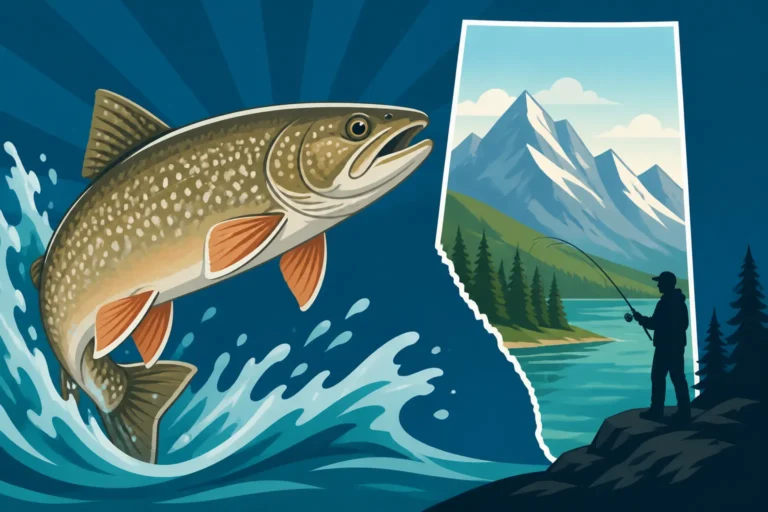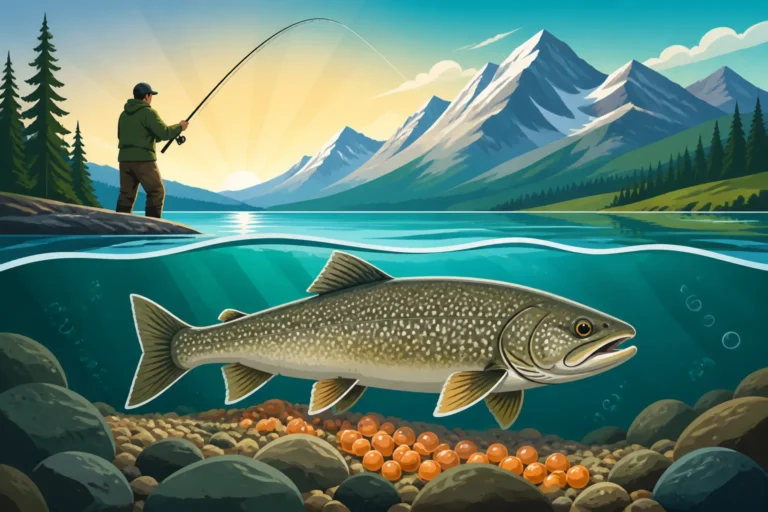
Alberta record rainbow trout weight
There's a special kind of thrill that comes with chasing trophy fish, and for many Alberta anglers, the dream of hooking a true giant rainbow trout is top of mind. While we often hear whispers and legends of colossal fish, getting solid information on what constitutes the official provincial record can sometimes feel like trying to catch a ghost. This guide will dive deep into the allure of Alberta's record rainbow trout, exploring what makes these fish so special, where the big ones lurk, and how you can increase your chances of landing your own personal best.
The Quest for the Alberta Record Rainbow Trout
Every angler, whether they admit it or not, dreams of a fish that pushes the boundaries of what's possible. In Alberta, with our pristine rivers and lakes, that dream often manifests as a gargantuan rainbow trout. These fish are not only beautiful but also notoriously strong fighters, making their pursuit a true angling challenge.
What Does "Record" Even Mean?
When we talk about an "Alberta record rainbow trout," it's important to understand what that entails. There's typically an officially recognized provincial record, often maintained by a government body or a widely respected angling association. This record isn't just about the heaviest fish ever caught; it usually comes with strict rules about how it was caught, weighed, and verified. Often, these fish were caught many years ago, and the conditions that allowed them to grow to such immense sizes might be different today.
Beyond the official numbers, there are also the legendary catches – the ones whispered about around campfires, often without official verification but still awe-inspiring. These might be personal bests, local legends, or simply fish that were released after a quick photo, never officially entered into the books. While not "records," they contribute to the rich tapestry of big fish stories in Alberta. The pursuit of a record is more than just a number; it's about the pinnacle of angling achievement in our province, a testament to healthy fish populations and skilled anglers.
Why Rainbow Trout Hold a Special Place
Rainbow trout are undoubtedly one of Alberta's most cherished sport fish. Their vibrant colours, acrobatic fights, and willingness to strike a variety of presentations make them a favourite for fly fishers and gear anglers alike. They thrive in many of our cold, clear waters, from the famed Bow River Fishing Guide to countless mountain streams and stocked lakes. What gives them that "special place" in our hearts, beyond their beauty, is their sheer power. A large rainbow trout can strip line faster than almost anything else, demanding respect and precision from the angler.
For many, catching a large rainbow isn't just about the size; it's about the experience. The anticipation of a strike, the immediate explosive run, and the careful dance to bring such a magnificent creature to the net—these are the moments that cement their status. The possibility of encountering a truly enormous rainbow is a constant motivator, driving anglers to explore new waters and refine their techniques. They represent the wildness and beauty of Alberta's aquatic environments.
Unpacking the Record: Size, Location, and Lore
The question on every angler's mind is, "Just how big was Alberta's record rainbow trout?" While specific numbers can sometimes be elusive or subject to historical verification, the generally accepted long-standing provincial record for a rainbow trout is a fish of truly incredible proportions, weighing in at a substantial figure that has stood for decades. This fish was a monster, showcasing the genetic potential and rich feeding grounds available in certain Alberta waters.
The Unofficial King of Alberta Rainbows
While official records provide a benchmark, it’s the stories of the nearly-records, the unverified giants, and the "one that got away" that truly fuel the passion. Many anglers on the Bow River Fishing Guide can tell you tales of 10+ pound rainbows that broke lines or spit hooks, fish that could have easily challenged the provincial record. These are the "unofficial kings" that keep us coming back.
Consider the legends surrounding certain stretches of the Bow River near Calgary. Anglers speak of rainbows that are deep-bodied, incredibly long, and powerful enough to straighten hooks. While these might not always make it to a certified scale, their existence proves that the potential for record-breaking fish is alive and well in Alberta. It reminds us that every cast could be the cast, and that there's always a new story waiting to be told.
Conditions That Grow Giants
So, what does it take for a rainbow trout to reach such a monumental size? It's a combination of several critical factors:
- Abundant Food Source: Large trout need a consistent, high-protein diet. In Alberta, this often means areas with prolific insect hatches, a healthy population of baitfish (like sculpins or minnows), or even terrestrial insects falling into the water. Rivers like the Bow River are famous for their rich aquatic invertebrate populations, which are the building blocks for big trout.
- Long Lifespan and Low Pressure: Older fish are generally bigger fish. Waters with lower angling pressure, strong catch-and-release ethics, and few natural predators allow trout to live longer and grow continuously. While many of us fish, a well-managed fishery ensures that enough fish survive to reach trophy sizes.
- Optimal Habitat: Deep pools, undercut banks, complex river structures, and plenty of cover provide safety from predators and strong currents, allowing big fish to conserve energy and ambush prey. Consistent water temperatures, good oxygen levels, and clean water are also paramount. Best Fishing Rivers in Alberta and Best Fishing Lakes in Alberta often share these characteristics.
- Genetics: Some strains of rainbow trout simply have the genetic predisposition to grow larger than others. Wild, native strains often exhibit robust growth, and even stocked fish can grow to impressive sizes if given the right environment.
It’s the perfect storm of these conditions that allows a few special fish to become true giants, challenging the very notion of what a trout can be.
Chasing Your Own Personal Best
While breaking the provincial record is an incredibly difficult feat, setting a new personal best is a much more attainable goal, and every bit as rewarding. The pursuit of a larger fish drives us to become better anglers, to learn more about fish behaviour, and to explore more of Alberta's incredible waters.
Best Spots for Big Rainbows
If you're dreaming of a trophy rainbow, certain waters in Alberta offer a higher probability of success.
- The Bow River: This is arguably the most famous river in Alberta for big rainbow trout. Particularly the stretches downstream of Calgary, the Bow is known for its prolific hatches and dense populations of large, wild rainbows. The average size of a Rainbow Trout Average Size on the Bow River is impressive, and much larger fish are regularly caught and released.
- Mountain Rivers and Lakes: Rivers like the Crowsnest, Oldman, and Highwood, as well as some of the larger mountain lakes, can hold surprisingly large rainbows, especially in less accessible areas where fish face less pressure. These spots often require more effort to reach but can yield spectacular rewards.
- Stocked Lakes with Carry-Over Fish: Many of Alberta's stocked ponds and lakes, especially those that are deeper and have good winter oxygen levels, can hold "carry-over" rainbows that have survived multiple seasons and grown to significant sizes. While not wild, these fish can still provide a thrilling fight.
Always remember to check the Alberta Fishing Regulations Explained for specific zone rules, season dates, and possession limits before heading out.
Gear and Techniques for Trophy Rainbows
Catching a truly big rainbow trout requires more than just luck; it demands appropriate gear and honed techniques.
- Rods and Reels: For fly fishing on rivers like the Bow, a 5 or 6-weight fly rod with a fast action is a great all-around choice. For spinning gear, a medium-light to medium power rod with a smooth drag reel spooled with 6-8 lb fluorocarbon or braided line with a fluorocarbon leader is ideal. You can find a huge selection of quality rods and reels online through retailers like Amazon, making it easy to equip yourself properly.
- Line and Leaders: Strong, abrasion-resistant line is crucial. Big rainbows will test your knots and your line's integrity against submerged rocks and snags. For fly fishing, heavier tippets (3x or 2x) are often necessary to land these powerful fish, especially if you're targeting fish with larger streamers or nymphs.
- Lures and Flies: For gear anglers, heavy spoons, large inline spinners, crankbaits that mimic baitfish, and jig-and-soft plastic combinations can all entice big rainbows. For fly fishers, streamer patterns that imitate sculpins, leeches, or baitfish are often key, along with large stonefly or caddis nymphs, and even dry flies during specific hatches. From specialized fly patterns to durable wading boots, you'll find countless options on Amazon to equip your next adventure.
- Landing Net: A large, rubber-mesh landing net is essential for safely landing and releasing big fish. The rubber mesh protects the fish's slime coat and fins, minimizing harm. Look for durable, collapsible options on sites like Amazon for convenience.
Remember, the goal isn't just to hook the fish, but to land it efficiently and release it unharmed.
The Importance of Catch and Release
For any angler targeting trophy fish, practicing responsible Bull Trout Catch and Release Survival Tips is paramount. Many of Alberta's truly large rainbow trout are "holdover" fish that have survived for years. Releasing them ensures they can continue to grow, potentially spawn, and provide exciting opportunities for other anglers.
Here are a few tips for effective catch and release:
- Minimize Fight Time: Use appropriate gear to land the fish as quickly as possible without over-stressing it.
- Keep the Fish Wet: Avoid taking the fish out of the water, especially if you plan to release it. If a photo is desired, do it quickly and with the fish partially submerged.
- Handle Gently: Use wet hands or a wet net. Avoid squeezing the fish, especially around its belly or gills.
- Remove Hook Quickly: Use forceps or pliers to remove the hook gently. If the fish is deeply hooked, cut the line as close to the hook as possible.
- Revive Properly: Support the fish in the water, facing into a gentle current, until it regains its strength and can swim away on its own.
By prioritizing the health of the fish, we ensure that the dream of catching a record rainbow lives on for generations to come.
Beyond the Record: Other Notable Rainbow Catches and Species
While the official record stands as a testament to one exceptional fish, Alberta is home to a diversity of rainbow trout fishing experiences, each offering its own unique appeal. Understanding these nuances can enrich your angling journey.
The Bow River's Reputation for Big Trout
It's impossible to discuss large rainbow trout in Alberta without highlighting the Bow River Trout Fishing Near Calgary. This river has earned an international reputation for its prolific hatches and the exceptional size and fighting spirit of its trout. Many anglers consider a 20-inch rainbow from the Bow a "small" fish, which speaks volumes about the potential for true giants. The Bow's rich ecosystem, fed by glacier melt and nutrient-rich waters, provides an ideal environment for trout to thrive and grow to impressive sizes.
The river's tailwater characteristics—meaning it flows from a dam—provide relatively stable temperatures and a constant food supply, allowing fish to grow year-round. While not every fish caught on the Bow will challenge the provincial record, the consistent opportunity to hook into genuinely large, healthy rainbow trout is what keeps anglers flocking to its banks. Whether you're drift fishing, wading, or using a kayak, the Bow is a prime location for those seeking a memorable rainbow encounter.
Understanding Different Rainbow Trout Strains
Not all rainbow trout are created equal, and understanding the differences can help you appreciate what you're catching and where.
- Wild Rainbows: These fish are born and raised in their natural environment, often exhibiting stunning colours and incredible fight. They are products of their specific ecosystem and have adapted to local conditions. The Bow River, for instance, is renowned for its wild, self-sustaining rainbow trout population.
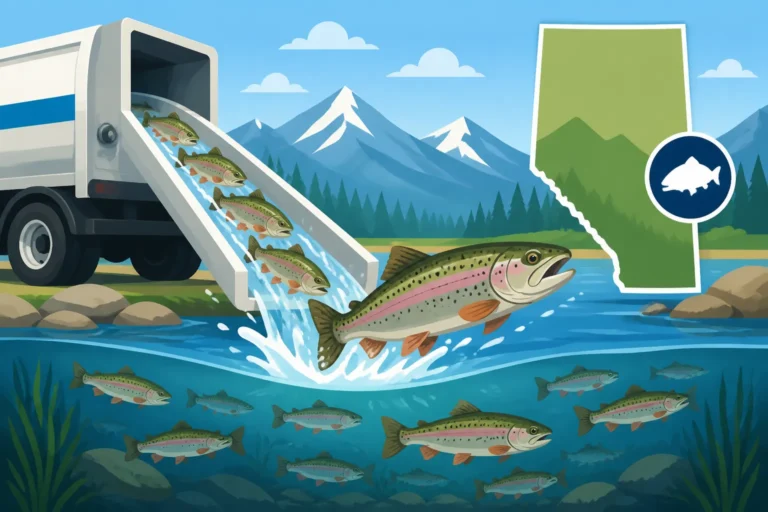
- Stocked Rainbows: Many lakes and ponds in Alberta are regularly stocked with hatchery-raised rainbow trout to provide recreational fishing opportunities. These fish are generally younger and smaller when stocked, but if they survive, they can grow significantly, becoming those "carry-over" fish we discussed earlier. You can often tell a recently stocked fish by its perfect fins, while wild fish might show more wear and tear. How many trout Alberta stocks each year varies, creating fantastic opportunities in smaller bodies of water.
- Triploid Rainbows: In some fisheries, especially those managed for trophy potential without natural reproduction, triploid rainbows are stocked. These fish are sterile and dedicate all their energy to growth rather than reproduction, often leading to larger sizes. They are a fantastic option for fisheries managers looking to create big-fish opportunities without the risk of introducing non-native genetics into sensitive ecosystems.
Recognizing these different strains can add another layer of appreciation to your catch. Whether it's a vibrant wild fish from a remote mountain stream or a chunky carry-over from a local pond, every rainbow trout offers a piece of Alberta's fantastic angling story.
| Type of Rainbow Trout | Primary Habitat | Average Size Potential | Growth Rate | Key Characteristics |
|---|---|---|---|---|
| Wild Rainbow Trout | Rivers, Mountain Streams | Good to Excellent | Moderate to Fast | Vibrant colors, strong fighters, adapted to local environment, often self-sustaining. |
| Stocked Rainbow Trout | Lakes, Ponds, Reservoirs | Variable, can be excellent for holdovers | Moderate | Can grow large if they survive multiple seasons, typically from hatcheries. |
| Triploid Rainbow Trout | Managed Lakes, Trophy Fisheries | Excellent, focus on growth | Fast | Sterile, dedicate energy to growth, often stocked for trophy programs. |
This table provides a simplified overview. The actual characteristics can vary greatly depending on the specific water body and management practices.
Disclaimer
This article is for general informational purposes only and does not constitute professional advice. Laws, prices and regulations vary by location and change over time. Consult a qualified professional for guidance on your specific situation.