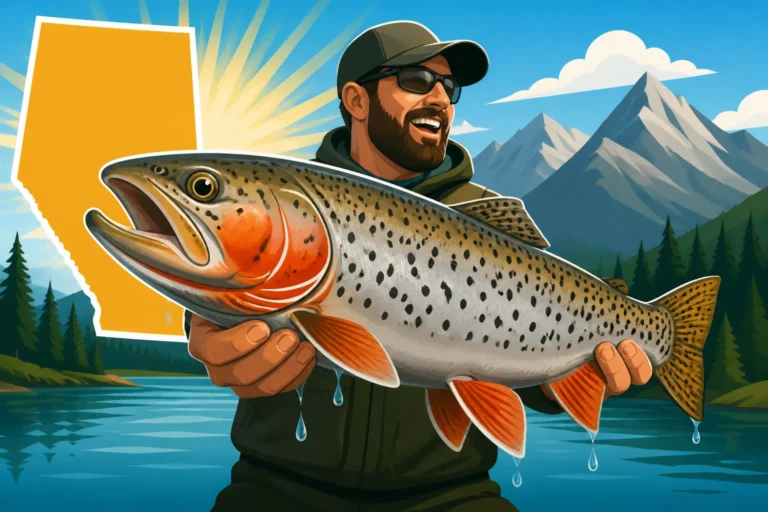
Alberta record bull trout weight
The thrill of landing a truly magnificent fish is something every angler chases, and in Alberta, the mighty bull trout holds a special place in our hearts. While many of us dream of catching a record-breaker, the reality for this majestic species is a bit different. This guide delves into what we know about record bull trout weights in Alberta, the unique conservation challenges surrounding this native species, and how anglers can appreciate their size without impacting their survival.
The Elusive Alberta Record Bull Trout
When you talk about "record" fish, most people immediately think of a fish weighed on certified scales, documented, and officially recognized. For many species, this is indeed the case. However, with Alberta's bull trout, the conversation shifts significantly due to their critically important conservation status. The very idea of weighing a bull trout for a record often runs contrary to the efforts put in place to protect them.
What Constitutes a Record?
Traditionally, a "record" fish is one that is caught by legal means, weighed on a certified scale, and measured by an impartial observer, often requiring the fish to be harvested. These records are then submitted to provincial, national, or even international angling organizations for official recognition. The process is rigorous, designed to ensure fairness and accuracy, and typically results in a singular, verifiable weight and length.
This established system works well for species that are not under significant conservation pressure and where harvest is permitted. Anglers often strive for these official records, dreaming of seeing their name in the record books. It's a testament to skill, perseverance, and sometimes, a bit of luck.
However, for a species like the bull trout, this traditional approach poses a direct conflict with conservation goals. The desire to harvest a fish, even for a record, could undermine years of dedicated work to help the population recover. This is why for bull trout, anglers tend to focus on length and girth measurements for personal bests rather than pursuing official weight records.
The Current Alberta Bull Trout Record
If you're scouring official Alberta fishing records, you'll find it incredibly difficult to pinpoint a definitive, widely publicized "weight" record for bull trout. This isn't an oversight; it's a deliberate reflection of their protected status. The emphasis in Alberta for bull trout is overwhelmingly on catch-and-release, making the harvest required for a traditional weight record highly problematic and, in most cases, illegal.
While anglers certainly catch very large bull trout, often measuring impressive lengths and girths, these are rarely, if ever, submitted for official weight records. Instead, these magnificent fish are celebrated, photographed, and released to continue their vital role in the ecosystem. This approach highlights a responsible angling ethic that prioritizes the species' survival over personal accolades tied to harvest. The true "record" for many dedicated bull trout anglers is simply the memory of a successful catch and a healthy release.
It's a testament to our collective commitment to conservation. We want these fish around for generations, and that means making choices that support their health and populations, even if it means foregoing a traditional "record."
Why Official Records Are Scarce for Bull Trout
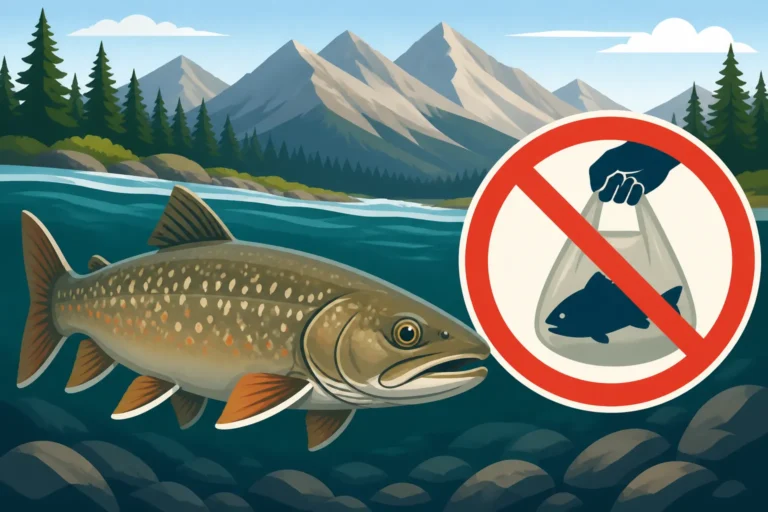
The scarcity of official weight records for Alberta bull trout boils down to their classification as a "threatened" species and the strict regulations put in place to protect them. The Alberta Bull Trout Zero Possession Rule is a cornerstone of these efforts, making it illegal to retain any bull trout caught in Alberta waters. This rule is absolute, meaning that keeping a bull trout, even momentarily for weighing on a certified scale, is not permitted.
This blanket prohibition is a powerful tool in their conservation strategy. Bull trout are incredibly sensitive to habitat degradation, overfishing, and changes in water quality. They are also slow-growing, taking many years to reach trophy sizes, making large individuals particularly valuable for reproduction and the genetic health of the population. Therefore, preventing any harvest, regardless of the angler's intent, helps to ensure that these crucial fish remain in the system.
Instead of focusing on weight, which necessitates harvest, the angling community, in collaboration with fisheries management, champions "length and girth" records. This allows anglers to celebrate their impressive catches by carefully measuring the fish in the water or in a safe cradle, taking a quick photograph, and releasing it unharmed. This shift in focus is critical for the survival and recovery of this iconic Alberta species, ensuring that the pursuit of a personal best doesn't come at the cost of conservation. You can learn more about why these rules exist by reading Bull Trout: Alberta's Threatened Native Fish.
Understanding Bull Trout Size and Growth
Bull trout are truly magnificent fish, often commanding respect for their sheer size and predatory nature. While official weight records might be a distant dream, understanding their typical size, how they grow, and what influences their impressive stature is key for any angler hoping to encounter one.
Average vs. Trophy Size
Most bull trout encountered by anglers in Alberta will range anywhere from 12 to 24 inches in length. These are healthy, vibrant fish that provide incredible sport. They might weigh a few pounds, offering a good fight on appropriate tackle. However, when we talk about "trophy" bull trout, we're entering a different league entirely. A trophy bull trout often measures well over 24 inches, sometimes pushing into the high 20s or even exceeding 30 inches. These are truly rare and special fish that might weigh 10 pounds or more, sometimes significantly more depending on their girth and overall condition.
Imagine hooking into a fish that's longer than your arm and has the girth of a football! These giants are the stuff of legends and take many years to grow to such proportions. They are the apex predators in their ecosystems, often residing in deeper, colder waters, and feeding on smaller fish. Catching one of these titans is a memorable experience, not just for its size, but for the story and the sheer power it demonstrates. When you do catch one, ensuring its safe release, as detailed in Bull trout catch and release survival tips, is paramount.
Factors Influencing Bull Trout Weight
The weight and overall size of a bull trout are influenced by a complex interplay of environmental and biological factors. One of the most critical elements is food availability. Bull trout are highly piscivorous, meaning they primarily eat other fish. Waters with abundant forage fish, such as mountain whitefish, minnows, or even smaller trout, tend to produce larger, heavier bull trout. A consistent, high-protein diet allows them to grow faster and bulk up.
Water temperature and habitat quality also play a significant role. Bull trout thrive in cold, clean, well-oxygenated water, typically found in pristine mountain rivers and large, deep lakes. Stable, healthy habitats with plenty of deep pools, undercut banks, and complex cover provide ideal conditions for growth and survival, offering refuge from predators and strong currents. Conversely, warmer water temperatures, pollution, or habitat degradation can stunt growth and reduce overall population health.
Finally, genetics and age are undeniable factors. Some bull trout simply have the genetic predisposition to grow larger than others. Coupled with the fact that they are long-lived fish, capable of surviving for 10-15 years or more, the oldest individuals in prime habitats have the greatest potential to achieve truly impressive weights and lengths. These older, larger fish are invaluable breeders, contributing significantly to the resilience of their species. Knowing Where bull trout still live wild in Alberta gives you insight into these crucial environments.
Where Bull Trout Get Big
To find truly large bull trout in Alberta, you generally need to focus on specific types of waters that offer them the best conditions for growth and survival. Primarily, these are large, deep, cold lakes and pristine, high-gradient mountain rivers.
In large lakes, bull trout often inhabit the deeper, cooler sections, especially during warmer months, where they can ambush baitfish. Lakes that hold significant populations of species like cisco (lake herring) or whitefish provide a rich food source, allowing bull trout to grow to substantial sizes. These deepwater environments also offer stable thermal refuges, crucial for a cold-water species. When exploring these spots, a good fish finder (available on platforms like Amazon) can be invaluable for locating these deeper structures.
Mountain rivers, particularly those with strong currents, deep pools, and diverse bottom structures, are also prime real estate for big bull trout. These rivers often have healthy populations of mountain whitefish, which are a primary food source for larger bull trout. The constant flow keeps the water cold and oxygenated, and the varied terrain provides excellent ambush points for these opportunistic predators. Think of robust river systems that drain large mountain ranges, offering miles of undisturbed habitat. Understanding Alberta Fishing Regulations Explained for these specific waters is critical before you cast a line.
The Importance of Conservation and Catch-and-Release
For a species as magnificent and vulnerable as the bull trout, angling goes beyond the simple act of fishing; it becomes an act of stewardship. Our actions on the water directly impact their future, and that's a responsibility every angler should embrace with pride.
Bull Trout: A Protected Species
Let's be clear: bull trout are not just another game fish in Alberta. They are a protected species, listed as "threatened" in the province. This designation reflects significant concerns about their population numbers and the ongoing threats to their habitat. Unlike many other trout species, bull trout have very specific habitat requirements – they need exceptionally cold, clean, and complex aquatic environments to thrive. These specialized needs make them particularly susceptible to environmental changes, such as habitat fragmentation from roads and dams, sedimentation from development, and warmer water temperatures due to climate change.
The Alberta Bull Trout Zero Possession Rule isn't just a guideline; it's a critical conservation measure. It means that if you catch a bull trout, you must release it immediately and unharmed. There are no exceptions, no bag limits – it's always catch-and-release. This strict regulation is absolutely vital for their recovery efforts, allowing every single fish, especially the large, reproductive ones, to contribute to future generations. Understanding Endangered and Protected Fish Species in Alberta will give you a broader context of similar efforts.
Proper Catch-and-Release Techniques
Mastering proper catch-and-release techniques is not just good practice; for bull trout, it's essential for their survival. The goal is to minimize stress, injury, and time out of water to ensure the fish swims away strong. Here’s how:
First, use appropriate gear. This means a rod and reel setup that can land the fish relatively quickly, preventing an exhausting, prolonged fight. Heavy mono or fluorocarbon leader (you can find great options on Amazon) can also reduce break-offs. Second, handle the fish as little as possible. If you can unhook the fish in the water, even better. If you need to bring it aboard, use a knotless, rubberized landing net. These nets protect the fish's slime coat and fins much better than traditional knotted mesh nets.
Third, keep the fish wet. Exposure to air, especially on a warm day, is incredibly stressful and damaging to a fish's gills. If you need a photo, prepare your camera beforehand, lift the fish gently for a quick shot, and immediately return it to the water. Support its body horizontally, never vertically by the jaw or gills. Lastly, ensure a strong release. Hold the fish gently in the current, facing upstream, allowing water to flow over its gills. Wait until it shows signs of strong recovery and swims away under its own power. Never simply toss a fish back into the water. These techniques are crucial for How to Catch Bull Trout and Release Them Safely.
Reporting Your Catch
Even though you can't claim an official weight record for a bull trout, reporting your significant catches can still be incredibly valuable for conservation efforts. Fisheries biologists rely on data from anglers to monitor population health, track growth rates, and understand distribution. If you catch a particularly large bull trout, consider documenting its length and girth measurements, along with a photo, and noting the location and date.
Some provincial agencies or conservation groups may have online portals or apps where you can submit this information. While it won't land you in a "record book," it contributes to a much larger and more important database that helps scientists protect and manage these precious resources. It's a way for recreational anglers to directly participate in the scientific process and give back to the fishery. Think of it as a citizen science contribution, helping to ensure that future generations also have the opportunity to encounter these incredible fish.
How Anglers Measure and Document Large Catches (Without Killing the Fish)
Since the focus for bull trout is entirely on catch-and-release, anglers have developed and refined methods for measuring and documenting their impressive catches without causing harm. It's all about precision, speed, and gentle handling.
Length and Girth Measurements
When a bull trout angler talks about a "big fish," they're almost always referring to its length and girth, not its weight. This method allows for a detailed record of the fish's size without ever taking it out of the water for an extended period or placing it on a scale. To do this effectively, you need a few key tools.
Firstly, a flexible measuring tape or a specialized bump board is essential. A flexible tape can easily conform to the curves of the fish. Bump boards, often made of plastic or treated wood, have a "bump" at one end against which the fish's snout can be gently pressed for an accurate length measurement. These tools can be easily purchased online (e.g., from Amazon) and are a staple for responsible anglers.
When measuring, try to keep the fish submerged as much as possible, or at least in a specialized cradle or sling (again, available on Amazon) that keeps its body wet. Gently lay the fish on the bump board, or run the tape along its body from snout to the tip of the tail. For girth, carefully wrap the tape around the thickest part of the fish's body. Note down both measurements immediately. This data is incredibly valuable for personal records and for contributing to citizen science programs.
Photography and Documentation
A great photograph can capture the essence of a trophy bull trout far better than any number on a scale, especially when accompanied by accurate length and girth measurements. However, ethical photography is crucial. The key is speed and minimal stress.
Before you even hook a fish, have your camera ready and accessible. If you're fishing with a buddy, designate someone to be the photographer. When you land a large bull trout, try to take photos with the fish partially submerged in the water if possible. If you must lift the fish for a quick photo, ensure your hands are wet, and support its body horizontally with two hands – one under the pectoral fins and one under the tail wrist. Never hold it vertically by the jaw, as this can severely damage its internal organs.
A quick "grip and grin" shot (literally, less than five seconds out of the water) is usually sufficient. Focus on getting the fish back into the water promptly. Consider taking a photo of the fish next to your measuring device to provide visual proof of its size. These images, combined with your recorded length and girth, create a fantastic and responsible record of your catch, allowing you to appreciate the fish's majesty while ensuring its healthy return.
Using Specialized Gear for Gentle Handling
To truly excel at catch-and-release, especially with large, powerful fish like bull trout, investing in specialized gear is a game-changer. These tools are designed with the fish's well-being in mind, making the entire process smoother and less stressful for both angler and fish.
As mentioned earlier, a knotless, rubberized landing net is paramount. These nets protect the fish's delicate slime coat, which acts as its first line of defense against disease, and prevent fin damage. They are gentle on the fish and far superior to traditional nylon nets. You can find a wide variety of sizes and styles suitable for large trout on platforms like Amazon.
Another invaluable tool is a release tool or long-nose pliers. These allow you to quickly and safely remove hooks, especially if the fish has swallowed the hook deeply or it's in a tricky spot. The less time your hands are in the fish's mouth or gills, the better. Forceps or specialized long-reach hook removers are essential for getting hooks out cleanly and efficiently. Many anglers also use a fish handling glove for a better grip, though this should be kept wet to prevent stripping the fish's protective slime.
Finally, a wading staff can be incredibly helpful when landing and releasing fish in swift river currents, providing stability for you and allowing you to focus on the fish. By using these tools, you demonstrate a deep respect for the resource and dramatically increase the chances of your trophy bull trout surviving to fight another day.
| Feature | Traditional Fishing for Records (e.g., Walleye) | Bull Trout Angling (Conservation Focus) |
|---|---|---|
| Primary Goal | Harvest for official weight record | Catch, measure, and safely release |
| Record Type | Weight and length (harvested fish) | Length and girth (live fish) |
| Fish Status | Often healthy, harvestable populations | Threatened species, zero possession |
| Handling | May involve extended time out of water, scales | Minimize air exposure, gentle handling |
| Preferred Net | Any legal net | Knotless, rubberized landing net |
| Documentation | Official forms, verified weigh-ins | Photos, personal length/girth notes |
| Gear Focus | Landing, fighting strength | Gentle handling, quick release |
The pursuit of a record bull trout in Alberta isn't about the heaviest fish on a scale; it's about the biggest fish that swims away strong, a living testament to Alberta's wild beauty and our commitment to its preservation. Every angler who practices responsible catch-and-release contributes to the true "record"—the continued health and abundance of this magnificent native species. The satisfaction comes from the challenge of the catch and the knowledge that you've done your part to protect these incredible fish for generations to come.
Disclaimer
This article is for general informational purposes only and does not constitute professional advice. Laws, prices and regulations vary by location and change over time. Consult a qualified professional for guidance on your specific situation.