Rainbow Trout Average Size on the Bow River
The Bow River is legendary among anglers, and for good reason. It’s a place where dreams of hooking into a truly magnificent rainbow trout become a real possibility. But let's be honest, when we talk about those "big Bow River rainbows," what's the actual, day-to-day average size you can realistically expect to encounter? It's easy to get caught up in the tales of monsters, but understanding the typical dimensions of these vibrant fish will better prepare you for what awaits on its famed currents. This comprehensive guide will explore the average size of rainbow trout on the Bow River, delving into the factors that contribute to their robust growth, what constitutes a trophy, and how to safely appreciate every catch.
Setting Expectations: What is an "Average" Bow River Rainbow Trout?
When you hear about the Bow River, images of massive, acrobatic trout often spring to mind. While those fish absolutely exist, it’s important to ground our expectations in reality. The Bow River is an exceptional fishery, but like any ecosystem, there's a spectrum of sizes. Knowing what truly constitutes an "average" catch helps appreciate every fish brought to hand.
Beyond the Tall Tales: Realistic Averages
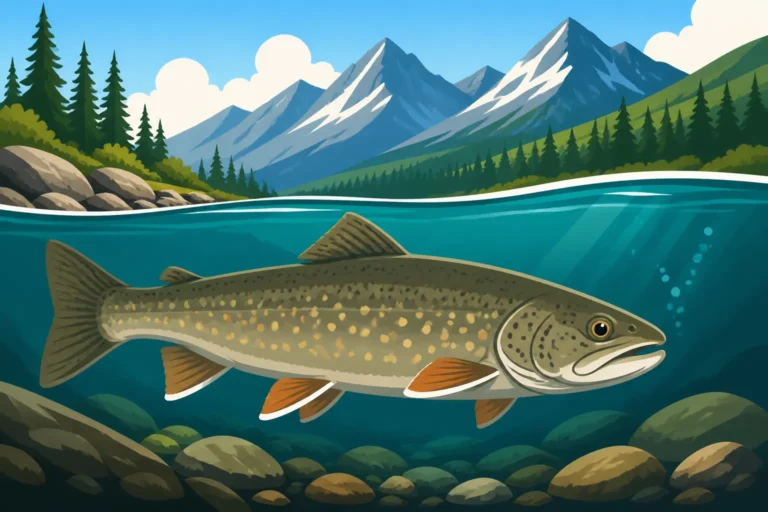
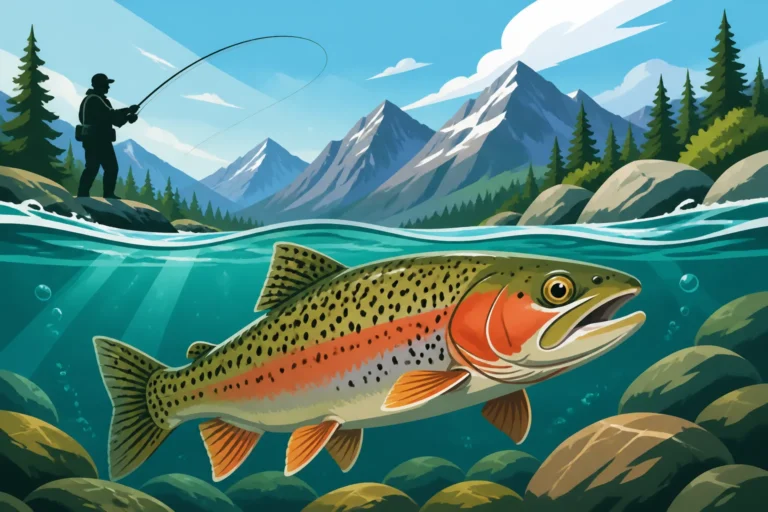
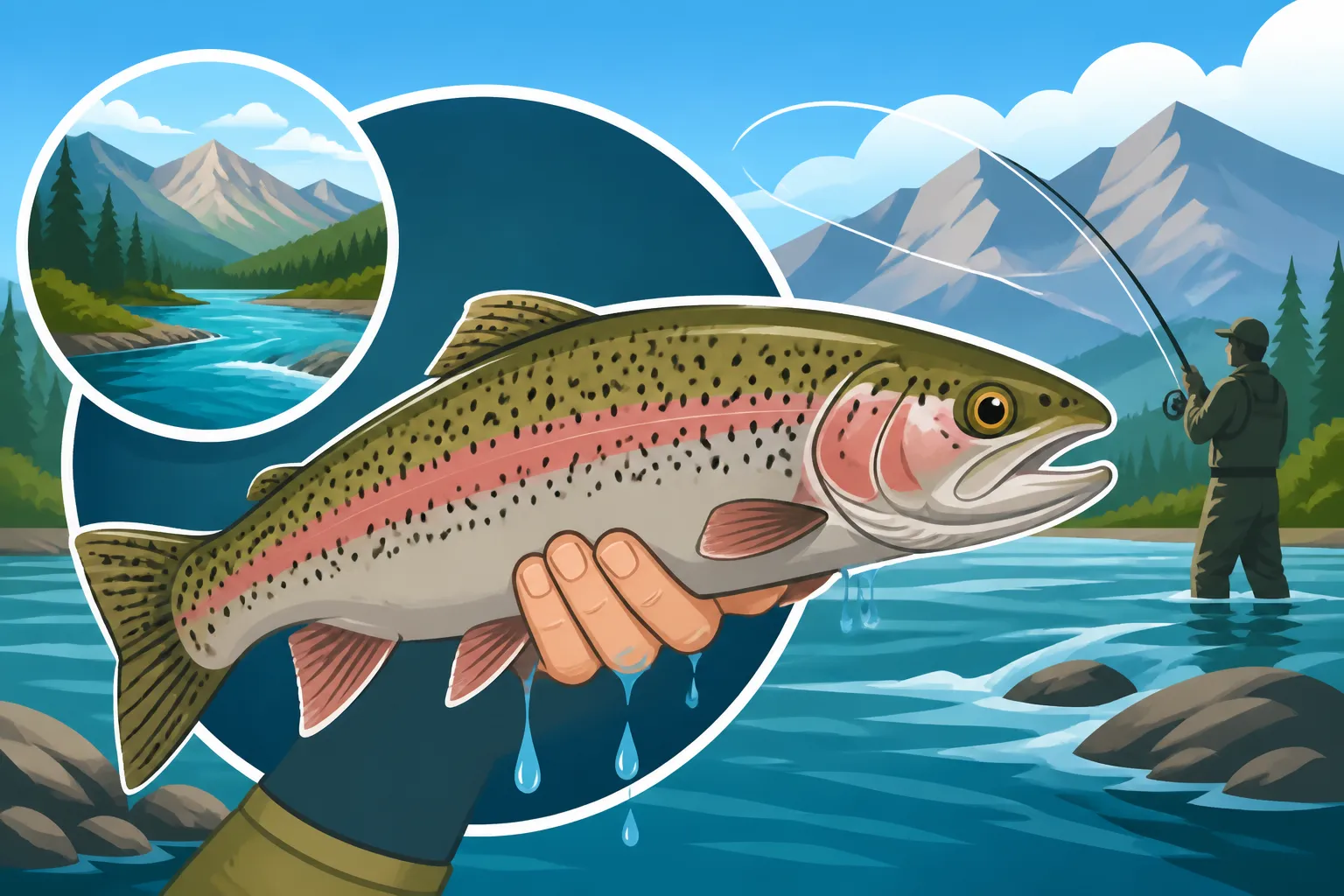
Let's cut through the angler exaggerations for a moment (we all do it!). A truly average rainbow trout on the Bow River, the kind you'll likely encounter multiple times during a decent day out, typically falls into the 14 to 18-inch range. These are vibrant, healthy fish, full of fight, and they are the backbone of the Bow's incredible reputation. They might not be Instagram-famous giants, but they are strong, beautiful, and provide thrilling sport on appropriate gear. They're often thick across the back, with brilliant colours, showcasing the health of the river.
The "Catchable" Size vs. "Trophy" Size
The distinction between a "catchable" fish and a "trophy" is a fun one to ponder. A 14-inch rainbow is definitely a catchable fish – a fantastic one, in fact! It will take your fly or lure with gusto and put a bend in your rod. A "trophy" Bow River rainbow, however, is generally considered to be anything pushing or exceeding 20 inches. These are the fish that require a bit more luck, skill, and often, more specialized techniques. They've survived multiple seasons, navigated numerous challenges, and grown to a size that truly stands out. While you might catch several fish in the average range on any given day, a 20+ inch fish is a rarer, more celebrated event.
How Age and Growth Rates Impact Size
A fish's size is a direct reflection of its age and how quickly it has grown throughout its life. On the Bow River, rainbow trout can grow surprisingly fast due to the abundant food sources and stable, cool water temperatures. A rainbow trout might reach 14-16 inches in just 3-4 years. To hit that coveted 20-inch mark, they generally need to be 5-7 years old, sometimes even older, depending on individual genetics and consistent food availability. The older they get, the smarter they become, and the harder they are to fool, making those larger catches even more rewarding.
The Bow River's Bounty: Factors Influencing Rainbow Trout Size
The Bow River isn't just a pretty stretch of water; it's a meticulously balanced ecosystem that provides ideal conditions for rainbow trout to thrive and grow to impressive sizes. Understanding these factors helps us appreciate just how special this fishery truly is.
Abundant Food Sources and Water Quality
The primary driver of any fish's size is its diet, and the Bow River is a veritable buffet for trout. Below Calgary, the river acts as a tailwater fishery, meaning its waters are consistently cool and clear, thanks to the upstream reservoirs. This stability, combined with nutrient input, fosters an incredible abundance of aquatic invertebrates. Scuds, those tiny freshwater shrimp, are perhaps the most famous and crucial food source, available year-round and packed with protein. Caddisflies, mayflies, stoneflies, and various minnows further supplement their diet. This consistent, high-quality food supply means that rainbow trout don't have to work as hard to find sustenance, allowing them to allocate more energy to growth. The excellent water quality, free from significant pollution, further ensures healthy fish that can reach their full genetic potential.
Genetics and Wild vs. Stocked Fish
A significant portion of the Bow River's reputation for large, feisty fish stems from its predominantly wild, self-sustaining rainbow trout population. While some stocking does occur in other Alberta waters, the Bow River's rainbows are largely a product of natural reproduction. This means generations of fish have adapted and evolved specifically for the unique conditions of the Bow, developing strong genes for survival, growth, and fighting prowess. Wild fish often exhibit better conditioning and are more robust than their hatchery-raised counterparts, which can contribute to their impressive average size and legendary fighting spirit. They are perfectly tuned to their environment, making them exceptional specimens.
Seasonal Changes and Water Levels
The dynamic nature of the Bow River, influenced by seasonal changes and fluctuating water levels, also plays a role in trout growth. Spring runoff, while challenging for anglers, introduces a fresh surge of nutrients and displaces vast quantities of food into the main river channel, offering a feast for hungry trout. During summer, stable flows and warmer (but still cool) temperatures allow for consistent insect hatches, keeping the trout actively feeding. Spring Trout Fishing Techniques for Alberta Streams often focus on adapting to these flow changes. Conversely, lower water levels in late fall or winter can concentrate food sources, making it easier for fish to forage. However, extreme fluctuations can also stress fish, so a balanced, predictable flow regime year-round is ideal for promoting healthy growth patterns.
Typical Length and Weight Ranges on the Bow River
Let's get down to the nitty-gritty: what are the numbers you can realistically expect when you reel in a beautiful Bow River rainbow? While individual fish vary, there are some generally accepted benchmarks for both average and trophy-sized catches.
The Standard Catch: What Most Anglers Encounter
As mentioned, most anglers on the Bow River will find themselves consistently landing rainbow trout in the 14 to 18-inch range. These fish are generally between 1 to 2.5 pounds, though a chunky 18-incher can easily push 3 pounds, especially if it's well-fed and healthy. These are the "bread and butter" fish of the Bow, providing fantastic sport on light to medium tackle. They are characterized by their powerful runs, aerial acrobatics, and stunning colours, making every catch memorable regardless of its exact length. Even a smaller 14-inch fish can feel like a behemoth on a 5-weight fly rod!
Approaching Trophy Status: The 20+ Inch Club
The "20-inch club" is a significant milestone for many Bow River anglers. Fish of this size are typically 3 to 5 pounds, with exceptional specimens pushing even further. These are the truly mature, dominant fish that have managed to avoid predators and anglers alike for many years. Landing one often involves a more intense fight, deeper runs, and considerable patience. While not an everyday occurrence, the possibility of hooking into a 20+ inch rainbow is a major draw for the Bow, and it's what keeps many anglers coming back. Some true giants pushing 24-26 inches, and even larger on rare occasions, are also reported, making for stories that last a lifetime.
Weight Estimation by Length
Since many anglers practice catch and release, especially for larger fish, accurately weighing a fish can be detrimental to its health. Instead, a general estimation of weight based on length is often used. This table provides a rough guide, but remember that the "girth" or condition of the fish (its plumpness) can significantly impact its actual weight. A healthy, thick-bodied 20-inch rainbow will weigh more than a leaner one of the same length. You can find convenient measuring devices, often called bump boards, on sites like Amazon that make quick and accurate length measurements much easier, without harming the fish.
| Length (Inches) | Estimated Weight (Pounds) | Notes |
|---|---|---|
| 12 | 0.75 – 1.25 | Feisty young fish |
| 14 | 1.25 – 1.75 | Good "average" size |
| 16 | 1.75 – 2.5 | Strong, well-fed fish |
| 18 | 2.5 – 3.5 | Impressive adult rainbow |
| 20 | 3.5 – 5.0 | True trophy territory |
| 22 | 5.0 – 6.5 | Exceptional catch |
| 24+ | 6.5+ | Rare, once-in-a-lifetime fish |
Why the Bow River Produces Such Impressive Rainbows
The Bow River isn't just good by chance; it's a perfect storm of environmental factors and human efforts that converge to create one of North America's premier wild rainbow trout fisheries. There's a reason it holds a special place in the hearts of so many anglers.
Unique Ecosystem Dynamics
The secret to the Bow River's success lies significantly in its unique "tailwater" characteristics. Downstream from the city of Calgary, the river benefits from the cold, consistent discharges from the upstream reservoirs (like Ghost Lake and Bearspaw Dam). This controlled release creates a stable environment that few natural rivers can match. The water temperatures remain relatively constant, which is crucial for trout health and metabolism, preventing extreme temperature fluctuations that can stress fish. Furthermore, these reservoirs act as giant nutrient filters, enriching the water with the perfect conditions for the proliferation of aquatic insects, especially those calorie-rich scuds. This consistent, ideal environment means trout have optimal conditions for growth almost year-round. It's truly a marvel of natural and managed water resources working together. For more on the river's unique setup, check out the Bow River Fishing Guide.
Strong Catch and Release Ethic
Beyond the natural advantages, the ethos of the angling community plays an enormous role in maintaining the health and impressive size of Bow River rainbows. A strong catch and release ethic is widely practiced and encouraged on the river. This means that a significant number of healthy, mature fish are returned to the water to spawn again and grow even larger. Every angler who carefully unhooks a fish and releases it contributes directly to the overall quality of the fishery. This practice allows older, larger fish to survive longer, increasing their chances of reaching those trophy sizes that we all dream about. Without this collective dedication to conservation, the fishery would simply not be as robust. Alberta Fishing Regulations Explained provides further context on the rules that protect these valuable resources.
Consistent Regulation Enforcement
Alberta Environment and Protected Areas (AEPA) plays a vital role in safeguarding the Bow River's fishery through thoughtful management and consistent enforcement of regulations. Specific rules regarding catch limits, gear restrictions, and season dates are designed to protect the trout population, particularly the larger, breeding-stock fish. For instance, specific Alberta Bag and Possession Limits by Species ensure that vulnerable populations aren't overfished. These regulations are not just arbitrary rules; they are scientifically formulated to ensure the long-term sustainability and quality of the fishery. When anglers adhere to these rules, it ensures that there are always plenty of healthy fish in the river for future generations to enjoy, and that individual fish have the chance to grow to their maximum potential.
Safe Handling and Measurement for Bow River Rainbows
Catching a beautiful Bow River rainbow is an exhilarating experience, but it comes with a responsibility: ensuring the fish's well-being. Practicing proper catch-and-release techniques, especially when measuring, is crucial for these magnificent creatures to survive and continue to grow.
Prioritizing Fish Health During Measurement
When you land a fish you want to measure, the absolute priority must be its health. Trout are delicate, and excessive handling, especially out of water, can be incredibly stressful and even fatal. Always wet your hands thoroughly before touching the fish – dry hands can remove the fish's protective slime layer, leaving it vulnerable to disease. Try to keep the fish in the water as much as possible, perhaps cradling it gently while it's still partially submerged. Avoid squeezing the fish, especially around the gills or belly. If using a net, opt for a rubberized, knotless net, which is much gentler on fins and scales than traditional nylon nets. Many excellent, fish-friendly nets are readily available on Amazon.
Best Practices for Accurate Length Estimation
For a quick and accurate length measurement without undue stress, a measuring bump board is an invaluable tool. These devices allow you to place the fish on a wet surface with its nose against a "bump" and read the length directly, minimizing contact and time out of water. If you don't have one, a flexible measuring tape can work, but again, wet it first. Lay the fish gently on its side, flat, and measure from the tip of the nose to the fork of the tail. Avoid holding the fish vertically by the jaw or tail, as this can damage its internal organs and spine. Remember, the goal is to get the measurement quickly and efficiently so the fish can be returned to the water without delay.
The Importance of Quick Release
After a successful measurement and perhaps a quick photo (again, with wet hands and minimal air exposure), the next step is a swift and careful release. Hold the fish gently in the water, facing upstream into the current, allowing water to flow over its gills. Don't simply toss it back. Support it until it regains its strength and can swim away under its own power. Sometimes a gentle fanning motion can help resuscitate it. Watch it swim off strongly, knowing you've done your part to ensure its survival. This practice is essential for maintaining the Bow River's healthy population and is a cornerstone of responsible angling. The principles are similar to those outlined in How to Catch Bull Trout and Release Them Safely, emphasizing careful handling.
Comparing Bow River Rainbows to Other Alberta Trout Waters
While Alberta boasts many fantastic trout fisheries, the Bow River's rainbow trout truly stand in a league of their own when it comes to average size and sheer abundance. It's a useful exercise to put this into context by looking at other provincial waters.
Size Disparities Across Regions
When you cast a line into a high-alpine lake in the Rockies or a smaller freestone stream, the rainbow trout you encounter are often noticeably smaller than their Bow River cousins. In these environments, factors like colder water temperatures, shorter growing seasons, and scarcer food resources typically result in fish that mature at a smaller size. A 10-12 inch rainbow from a mountain stream is often considered a great catch, a testament to its survival in harsher conditions. These fish, while beautiful and wild, rarely reach the consistent average sizes seen on the Bow. The Bow's stable, nutrient-rich environment simply offers an unparalleled advantage for growth. To find some of these other fantastic, though often smaller, trout spots, check out the Best Trout Streams in Alberta.
The Bow vs. Other Major Trout Rivers
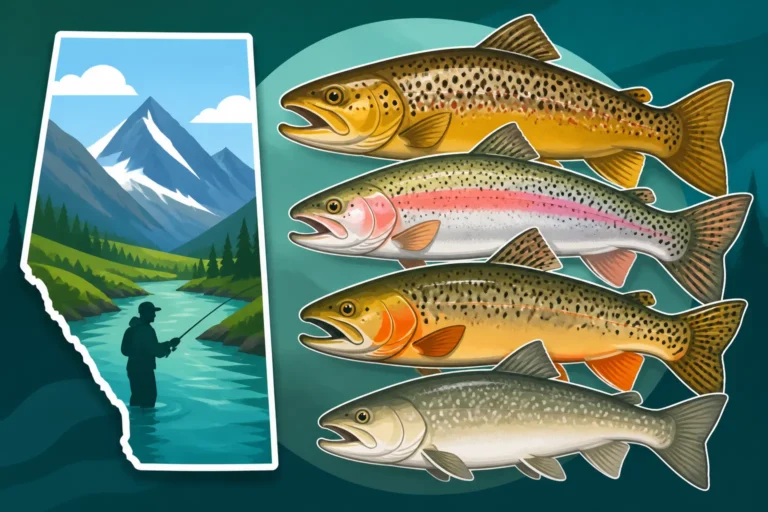
Alberta has other incredible trout rivers, such as the Crowsnest River, Oldman River, and portions of the Red Deer River. These rivers also hold significant populations of rainbow, brown, and cutthroat trout. For example, the Crowsnest River Trout Fishing is famous for its feisty rainbows. However, even these esteemed rivers generally don't consistently produce the same average size of rainbow trout as the Bow. While trophy fish certainly exist in these waters, the density of large, healthy rainbows on the Bow River is exceptionally high. This isn't to diminish other fisheries; they offer different experiences and unique challenges. But when it comes to the sheer number of quality-sized rainbow trout, the Bow often wins out. For a comprehensive overview, you might consult Best Fishing Rivers in Alberta.
The Impact of Ecosystem on Growth
Ultimately, the Bow River's distinction in producing impressive rainbow trout boils down to its unique ecosystem. It combines the benefits of cold, oxygenated mountain water with the nutrient richness of a productive prairie river, further enhanced by the stable flows of a tailwater fishery. This ecological sweet spot means more food, more consistent temperatures, and less environmental stress, allowing rainbow trout to grow larger and faster than almost anywhere else in the province. It's a testament to how environmental factors, coupled with responsible management and angling practices, can create a truly world-class fishery. When you're out there Fly Fishing for Trout on the Bow River, take a moment to appreciate the complex interplay of forces that allows these incredible fish to thrive.
Disclaimer
This article is for general informational purposes only and does not constitute professional advice. Laws, prices and regulations vary by location and change over time. Consult a qualified professional for guidance on your specific situation.