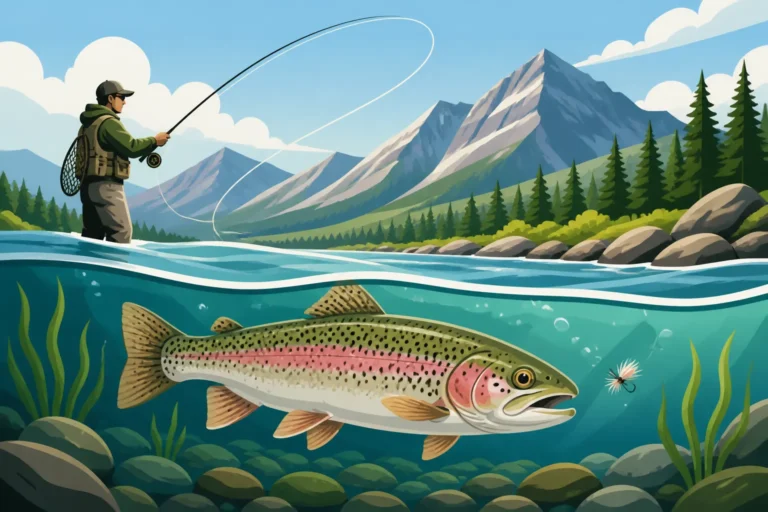
Goldeye in Alberta Rivers
Many anglers in Alberta get laser-focused on the big ones – the monster pike, the elusive walleye, or the hard-fighting river trout. But sometimes, it's the smaller, feistier fish that can provide incredible action and introduce you to a whole new side of river fishing. If you've ever felt like you're missing out on some overlooked gems in our waterways, or simply want to discover a truly aggressive and fun-to-catch species, this comprehensive guide to goldeye in Alberta rivers is exactly what you need to broaden your angling horizons.
Understanding the Elusive Goldeye: Alberta's Silver Flash
Goldeye are a fascinating and often underestimated fish species that call many of Alberta's rivers home. They might not be as big or flashy as some of their counterparts, but what they lack in size, they certainly make up for in fight and unique characteristics. Many anglers don't even know they exist, or if they do, they're not quite sure how to target them. It's a shame, because they offer some fantastic light-tackle action, especially during those times when other species might be less active.
What Makes Goldeye Unique?
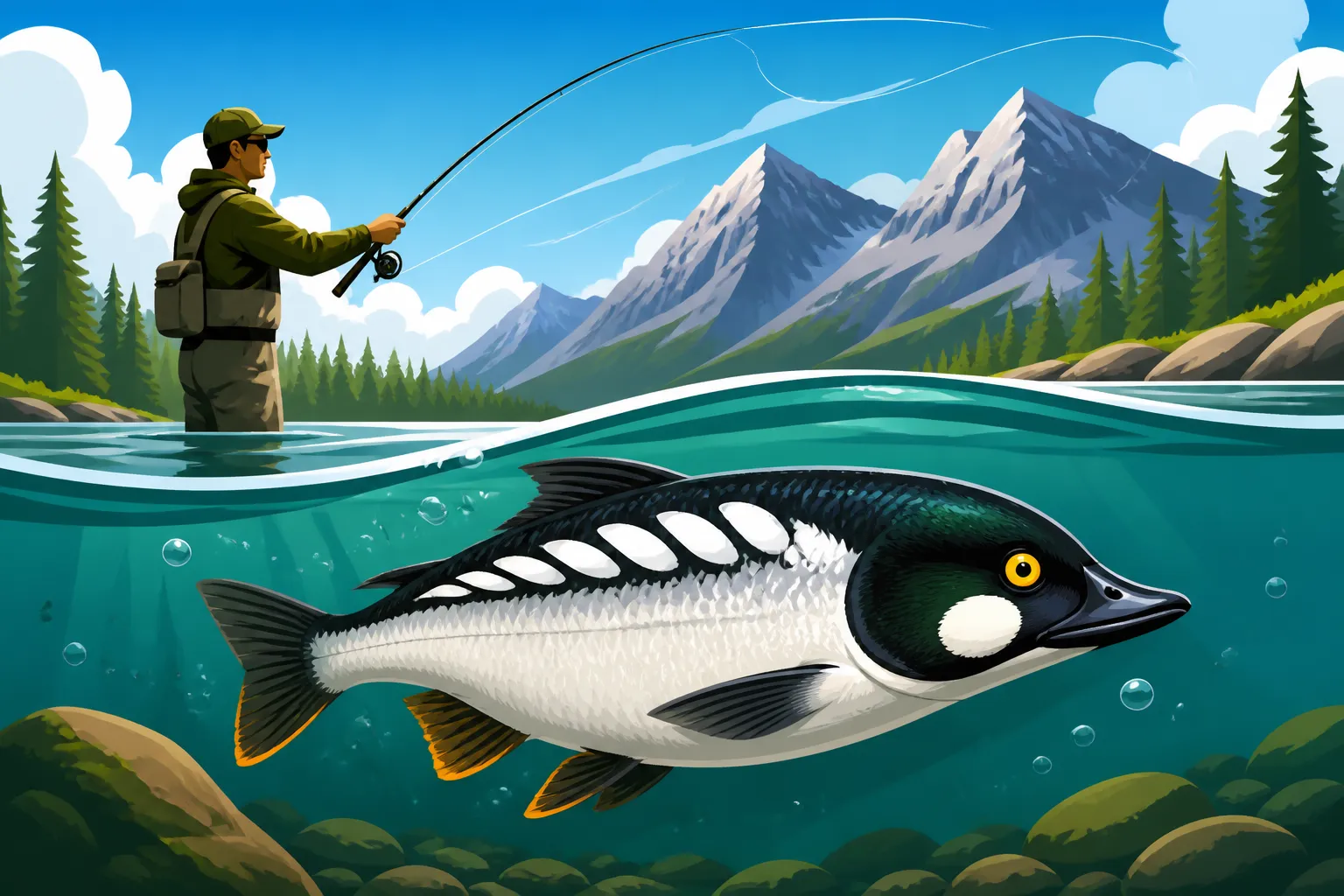
Goldeye (scientifically known as Hiodon alosoides) are part of the mooneye family, and their name is quite literal – they have large, golden eyes that are perfectly adapted for low-light conditions. This distinct feature isn't just for show; it gives you a clue into their behavior and preferred feeding times. They're slender, silver-bodied fish, often described as having a somewhat prehistoric look, which just adds to their charm. Seeing one flash in the sunlight as it jumps during a fight is a pretty cool experience, and it's easy to see why they're often called "river herring" due to their shimmering scales and schooling behavior.
One of the most interesting things about goldeye is their diet and how it influences where you find them. They're opportunistic feeders, munching on insects, small crustaceans, and even tiny fish. This diverse palate means they'll respond to a wide variety of presentations, which makes them a great target for both bait and artificial lure enthusiasts. Unlike some picky eaters, goldeye are usually quite aggressive, hitting baits with a vengeance that can be surprising for their size. This aggressive nature is a big part of their appeal for many river anglers.
Goldeye Habits and Behavior in River Systems
Goldeye are primarily riverine fish, preferring slow to moderately flowing waters, often found in eddies, backwaters, and deeper pools, especially those with some overhead cover like overhanging trees or cut banks. They tend to school up, which means if you find one, you've often found many. This schooling behavior is excellent news for anglers, as it can lead to some incredible non-stop action once you dial into their location. Best Fishing Rivers in Alberta are often prime locations to find these schooling fish.
Their activity levels can vary with the time of day, but they are often most active during dawn, dusk, and even into the night, leveraging those big golden eyes to hunt in lower light. This makes them a fantastic target for an evening fishing excursion when the heat of the day subsides, and other species might be less inclined to bite. Understanding their preference for slower currents and their schooling tendencies is key to successfully targeting them. They're not usually found in the fastest, rockiest riffles, but rather in the calmer stretches and bends of Alberta's prairie rivers.
Where Alberta's Goldeye Call Home
While you might not hear about goldeye as much as walleye or pike, they are actually quite widespread throughout the lower and mid-reaches of many of Alberta's major river systems. They're particularly prevalent in the slower-moving, nutrient-rich rivers of central and southern Alberta, where the water warms up nicely in the summer and insect life is abundant. Knowing which rivers to focus on can save you a lot of time and increase your chances of a successful goldeye outing.
Key Alberta Rivers for Goldeye Fishing
When you're thinking about goldeye, set your sights on rivers like the North Saskatchewan, South Saskatchewan, Red Deer, and Battle River. These larger prairie rivers, with their meandering courses and varied depths, create the perfect habitat for goldeye. You'll often find them congregating in areas where the current slows down, like below a set of rapids, in deep bends, or where a tributary feeds in, bringing with it a fresh supply of food. The slower, warmer waters provide ample insect hatches and smaller baitfish, which are irresistible to a hungry goldeye. Alberta Fishing Seasons by Zone and Month can give you an idea of when to expect peak activity.
Specific spots to look for include:
- Eddies and Backwaters: These calmer areas provide a break from the main current and often hold concentrations of insects and small fish, acting as a natural larder for goldeye.
- Confluence Zones: Where two rivers meet, or a creek joins a larger river, the mixing currents often create seams and pools where goldeye will hold, waiting for food to drift by.
- Deep Holes and Runs: While they like slower water, deeper sections of the river can provide thermal refuge and ambush points, especially during the brighter parts of the day.
- Overhanging Vegetation: Areas with trees or shrubs providing shade and dropping insects onto the water are always a good bet.
Seasonal Movements and Optimal Fishing Times
Goldeye are generally available throughout the open water season, but their activity peaks in late spring, through summer, and into early fall. During the spring, after ice-out, they'll become quite active, feeding heavily as insect hatches begin. Summer can be fantastic, especially during those cooler mornings and evenings, or even after dark. As fall approaches, they'll continue to feed aggressively, putting on weight before the colder months.
A common misconception is that goldeye are only a spring fish, but I've had some of my most memorable goldeye days right in the middle of a warm August evening. They are highly responsive to insect hatches, so if you see caddisflies or mayflies fluttering around the water, chances are the goldeye are keyed into them. While they don't migrate as dramatically as some salmonids, they will move within the river system to find optimal feeding grounds and water temperatures. For consistent action, targeting them during active insect hatches or around low-light periods usually yields the best results.
Tackling Goldeye: Best Techniques and Gear
Don't let their relatively small size fool you; goldeye are spirited fighters, especially on light tackle. They'll hit hard, often jump, and pull with surprising strength. This makes them an absolute blast to catch, and the beauty is, you don't need a boatload of specialized gear to get into them. Simplicity and finesse are often the keys to success. Whether you prefer bait, lures, or even flies, there's a method that will work.
Recommended Rods, Reels, and Line
For goldeye, think light. An ultralight or light action spinning rod, typically 6 to 7 feet long, is perfect. This setup allows you to feel those subtle taps and enjoy the full fight of the fish. Pair it with a small spinning reel, something in the 1000 to 2000 size range, spooled with light monofilament or fluorocarbon line. Four to six-pound test line is usually ideal, as it's sensitive enough for lighter baits and strong enough to handle a feisty goldeye. If you're using braided line, a 6-10 lb braid with a short fluorocarbon leader will give you excellent sensitivity and abrasion resistance.
| Gear Type | Recommendation | Rationale |
|---|---|---|
| Rod | Ultralight to Light Action | Maximizes fight, good sensitivity |
| Rod Length | 6-7 feet | Versatile for casting and handling |
| Reel Size | 1000-2000 Spinning | Balanced for light rods, sufficient capacity |
| Main Line | 4-6 lb Monofilament/Fluorocarbon | Good stretch, stealthy, knot strength |
| Alternative Line | 6-10 lb Braided with Fluorocarbon Leader | High sensitivity, strong, low visibility leader |
| Hooks | Size 8-12 Treble or Single | Appropriate for smaller mouths and baits |
| Weights | Small split shot or sliding sinker | Light presentation, allows natural drift |
You don't need anything fancy, just a setup that allows you to cast light presentations and really feel the strikes. For an easy way to get started, checking out light spinning combos on a site like Amazon can give you a great selection without breaking the bank. Best Fishing Rods for Alberta Rivers will give you more options for versatile rods that can pull double duty for goldeye and other species.
Baits, Lures, and Fly Patterns for Goldeye
Goldeye are not particularly picky, which is great news for anglers. Here's a breakdown of what they tend to hit:
Natural Baits
- Mealworms and Maggots: These are goldeye candy. Rigged on a small hook (size 8-12), under a tiny float (bobber), or even drift-fished without a float, they are incredibly effective.
- Small Pieces of Worm: A tiny piece of a nightcrawler or garden worm can also work wonders, especially if presented naturally with the current.
- Cut Bait: Small slivers of a minnow or even a piece of another goldeye (if legal in your zone) can be surprisingly effective, mimicking injured baitfish.
- Grasshoppers and Crickets: During late summer and fall, when these insects are active, presenting a live one on the surface can lead to explosive strikes.
Artificial Lures
- Small Spoons: Tiny casting spoons, often used for trout, are fantastic for goldeye. Their flashy action mimics small baitfish. Think sizes in the 1/16 to 1/8 ounce range.
- Small Spinners: Inline spinners with a small blade (size 0 or 1) are another goldeye favorite. The flash and vibration are highly attractive.
- Tiny Jigs: Micro jigs tipped with a small plastic grub or even just a piece of mealworm can be deadly, especially when jigged subtly in deeper holes or current seams.
Fly Fishing
- Small Streamers: Patterns like Woolly Buggers (black, olive, brown) in sizes 10-14 are excellent for imitating baitfish and aquatic insects.
- Nymphs: Larger nymphs, especially those mimicking caddis or mayfly larvae, can be very effective when drifted naturally.
- Dry Flies: During active hatches, small caddis or mayfly imitations on the surface can lead to incredible topwater action. Fly Fishing for Trout on the Bow River also contains information on common fly patterns that could apply to goldeye.
The key with artificials is to keep them small and retrieve them at a moderate pace, allowing the goldeye to track and strike. Experiment with colors and retrieve speeds until you find what they're reacting to on any given day. A well-stocked tackle box should have a selection of these. Best Tackle Box Setup for Alberta Anglers offers general advice that applies well here.
Presentation Tips for River Goldeye
Successfully catching goldeye often comes down to presentation. Since they are primarily sight feeders with those big golden eyes, a natural, enticing presentation is crucial.
- Float Fishing (Bobber Fishing): This is perhaps the most popular and effective method. Use a small, sensitive bobber set to suspend your bait (mealworm, piece of worm) just above the river bottom or at the depth where you're seeing activity. Cast upstream and let your float drift naturally with the current through likely holding water. This mimics an insect or baitfish drifting helplessly downstream.
- Bottom Bouncing/Drift Fishing: If you're not getting bites on a float, try a simple bottom-bouncing rig with a small split shot or a sliding sinker, allowing your bait to tumble along the bottom with the current. This can be great for targeting goldeye holding deeper or in slightly faster currents.
- Casting and Retrieving: For lures like spoons, spinners, or small jigs, cast across or slightly upstream and retrieve at a steady, moderate pace. Vary your retrieve speed and add small twitches to entice strikes. Pay attention to any current seams or eddies where goldeye might be ambushing prey.
- Fly Fishing: When fly fishing, whether you're dead-drifting nymphs, stripping streamers, or presenting a dry fly, focus on getting a natural, drag-free drift. Goldeye can be surprisingly selective when feeding on specific insect hatches.
Always be observant of your surroundings. Look for rising fish, insect activity, or any signs that indicate where goldeye might be actively feeding. Sometimes, just changing your depth by a foot or two can make all the difference.
The Joys of Goldeye Fishing: Beyond the Catch
Fishing for goldeye isn't just about the numbers you can rack up – and believe me, you can rack up some serious numbers on a good day! It's about the experience, the accessibility, and the delicious reward at the end of the day. They're a fantastic species for new anglers to gain confidence, and for seasoned pros to enjoy some non-stop action between chasing bigger game.
Goldeye as Table Fare: A Culinary Delight
One of the best-kept secrets about goldeye is how surprisingly good they are to eat. While some anglers might scoff at their size, goldeye have firm, flaky, and flavorful white meat. They are particularly famous for being smoked, where their delicate flavor truly shines. Smoked goldeye is a regional delicacy in many parts of Canada, and once you've tried it, you'll understand why. Is Walleye Good to Eat? and Is Northern Pike Good to Eat? are popular topics, but goldeye certainly holds its own!
Cleaning them can be a bit fiddly due to their smaller size and numerous small bones, but many people learn a filleting technique that minimizes the bones or simply enjoy them smoked where the bones become less of an issue. If you're looking for a fish that provides both excellent sport and a tasty meal, goldeye are definitely worth your effort. Just be sure to check the Alberta Bag and Possession Limits by Species for your specific fishing zone before you head out.
Goldeye as a Gateway to River Fishing
For someone new to river fishing, or even just fishing in general, goldeye are an absolute blessing. They are numerous, often aggressive, and relatively easy to catch once you find them. This makes them an excellent "confidence builder" species. When you're constantly getting bites and reeling in fish, it builds enthusiasm and helps you learn the rhythm of river angling without the frustration of long lulls between strikes. Best Beginner Fishing Spots in Alberta would often include locations where goldeye are prevalent.
They can teach you valuable lessons about reading river currents, presenting baits naturally, and understanding fish behavior in moving water. Plus, because they often hang out in accessible areas, you don't always need a boat. Many of the best goldeye spots are accessible from shore, making them perfect for a quick evening outing. You might find yourself fishing a spot on the North Saskatchewan River with a light rod from the bank, pulling in goldeye after goldeye, and thinking, "Why haven't I done this sooner?"
Conservation and Responsible Angling
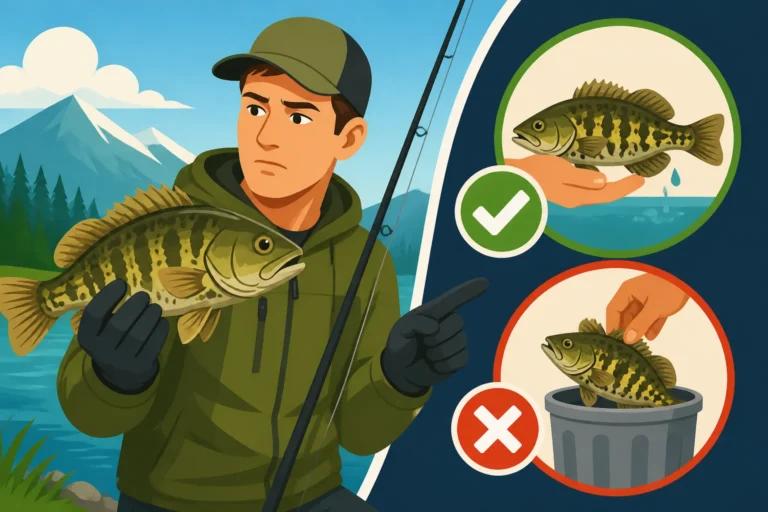
While goldeye are generally abundant in Alberta's river systems, it's always important to practice responsible angling. Take only what you need, adhere to all provincial regulations regarding bag and possession limits, and handle any fish you plan to release with care. Their delicate scales can be easily damaged, so wet your hands before handling and try to minimize their time out of the water.
If you're using live bait, make sure it's legally obtained and disposed of properly to prevent the introduction of invasive species. Understanding and respecting the environment helps ensure that future generations of anglers can enjoy the same fantastic goldeye fishing that we do today. Reading the Alberta Guide to Sportfishing Regulations is a must-do before any fishing trip, no matter the target species.
Conclusion: Don't Overlook Alberta's Golden Gem
Goldeye fishing in Alberta rivers truly offers a unique and highly rewarding angling experience. They're a species that combines accessibility with spirited fights and delicious table fare, making them a perfect target for anglers of all skill levels. From the moment you feel that aggressive strike on your light tackle to the flash of silver and gold as they jump in the air, you'll find yourself wondering why you ever overlooked these feisty fish. So, grab your ultralight rod, a handful of small lures or some mealworms, and head to your nearest prairie river. You might just discover your new favorite species to chase.
Disclaimer
This article is for general informational purposes only and does not constitute professional advice. Laws, prices and regulations vary by location and change over time. Consult a qualified professional for guidance on your specific situation.