Alberta non-resident 7-day fishing license cost
Planning a fishing trip to Alberta when you don't live here can feel like navigating a maze of regulations and fees, especially when you're trying to figure out the exact cost for a shorter stay. It’s frustrating to commit to a trip only to find unexpected expenses pop up for licenses. This comprehensive guide will meticulously break down the Alberta non-resident 7-day fishing license cost, helping you budget accurately and understand all the necessary requirements before you even pack your bags.
Understanding the Mandatory Alberta WIN Card Requirement
Before you can even think about purchasing any fishing license in Alberta, whether for a day, a week, or a whole year, you absolutely need an Alberta Wildlife Identification Number, or WIN card. Think of it as your unique angler ID that the province uses to track your licenses and any draws you participate in, like for special harvest tags. Without a valid WIN card, the license vendors simply can't process your fishing license purchase. This is often where folks from out of province get a bit stumped, as many other jurisdictions might not have an equivalent.
What is an Alberta WIN Card and Why Do You Need It?
The WIN card is a plastic card with a unique 9-digit number that identifies you within Alberta's wildlife management system. It's not just for fishing; hunters use it too. Its primary purpose is to maintain a consistent record of all your licenses and draw applications, ensuring compliance with provincial regulations. Every resident and non-resident angler needs one, regardless of age (unless specifically exempt, which is rare for non-residents and typically applies only to very young children not fishing). It's a foundational piece of your Alberta fishing experience.
For example, if you're visiting from British Columbia and hoping to cast a line in the Bow River for some legendary trout, your first step will always be to secure a WIN card. You can’t just walk into a tackle shop and ask for a 7-day license without it. It's a system designed for accountability and data collection, helping Alberta Environment and Protected Areas manage fish populations more effectively.
WIN Card Activation and Renewal Fees
The cost of a WIN card is a one-time activation fee when you first acquire it, and then a renewal fee every five years to keep it active. For 2026, the current activation fee for a new WIN card is approximately $8.00, plus GST. If your WIN card is nearing its five-year expiry date, the renewal fee is typically the same amount, around $8.00, plus GST. This fee is standard for both residents and non-residents, so your origin doesn't impact the WIN card cost itself.
It's crucial to remember that this cost is separate from your actual fishing license. Many anglers mistakenly believe the WIN card is the license, or that its cost is included. It’s not. It’s merely the prerequisite to buy a license. Failing to account for this initial charge can throw off your budget for your short trip. The good news is, once you have your WIN card, it's valid for five years, making subsequent trips much smoother from a licensing perspective. For a more detailed look, check out our guide on the Alberta WIN Card, Explained.
Breaking Down the 7-Day Non-Resident Fishing License Cost
Now that we've covered the essential WIN card, let's get into the specifics of the 7-day non-resident fishing license. The cost isn't a single flat rate for everyone outside of Alberta; it actually varies depending on whether you're a Canadian non-resident or an international non-resident. This distinction is very important when calculating your total expense.
Canadian Non-Resident 7-Day License
If you're a Canadian citizen or permanent resident who simply lives outside of Alberta – perhaps you're from Saskatchewan looking to chase walleye on Lesser Slave Lake, or from Ontario dreaming of the mountain streams in Kananaskis Country – you'll fall into the Canadian non-resident category. For 2026, the estimated cost for a 7-day non-resident (Canadian) fishing license is around $42.00. This amount is subject to change, but it provides a good ballpark figure for your planning.
This fee covers seven consecutive days of fishing, starting from the 'effective date' you choose during purchase. This makes it perfect for those weekend getaways or a focused week-long angling adventure. It’s considerably less expensive than the annual non-resident license if your trips are typically short and infrequent. Always factor in the Goods and Services Tax (GST) on top of this figure, which will be added at the time of purchase. Understanding Resident vs Non-Resident Fishing License Costs in Alberta can help clarify these differences further.
Non-Canadian Non-Resident 7-Day License
For those visiting Alberta from outside of Canada, such as our friends from the United States or international travelers keen to experience Alberta's world-class fishing, the cost for a 7-day license is a bit higher. For 2026, the estimated cost for a 7-day non-resident (Non-Canadian) fishing license is approximately $55.00. Again, this is an estimate and should be verified closer to your trip date, but it's the figure to consider for budgeting.
Just like with the Canadian non-resident license, this grants you seven consecutive days of fishing. This option is ideal for tourists who might be combining a fishing excursion with other sightseeing activities in Banff National Park or Jasper National Park. It’s also important to remember that this fee is on top of your WIN card cost and will also have GST applied. Ensure you have all necessary travel documents in order, in addition to your fishing license. You can also compare this to the Alberta 1-Day Non-Resident Fishing License Cost if your trip is even shorter.
Here's a quick reference table for estimated costs for 2026:
| License Type | Estimated Base Cost (CAD) | WIN Card (New/Renewal) (CAD) | Total Est. Minimum (CAD, pre-GST) | Target Angler Group |
|---|---|---|---|---|
| WIN Card Only | N/A | $8.00 | $8.00 | All anglers (mandatory pre-requisite) |
| Canadian Non-Resident 7-Day | $42.00 | $8.00 (if new) | $50.00 | Canadians living outside Alberta |
| Non-Canadian Non-Resident 7-Day | $55.00 | $8.00 (if new) | $63.00 | Non-Canadians visiting Alberta |
| Canadian Non-Resident Annual | $60.00 | $8.00 (if new) | $68.00 | Canadians living outside Alberta (frequent trips) |
| Non-Canadian Non-Resident Annual | $85.00 | $8.00 (if new) | $93.00 | Non-Canadians visiting Alberta (frequent trips) |
Note: All prices are estimates for 2026 and are subject to change by the Alberta government. GST will be applied at the time of purchase.
Who Qualifies as a Non-Resident Angler in Alberta?
Defining "non-resident" might seem straightforward, but Alberta has specific criteria that determine which license category you fall into. It's not just about where you happened to sleep last night; it's about your primary domicile and legal status. Getting this wrong can lead to purchasing the incorrect license, which could result in fines if you're checked by a Fish and Wildlife Officer.
Canadian Non-Resident Status
You are considered a Canadian non-resident if you are a Canadian citizen or permanent resident whose ordinary dwelling place has not been in Alberta for a period of three consecutive months immediately preceding the date you begin fishing. This means if you typically reside in another Canadian province or territory, you'll be classified as a Canadian non-resident.
Let’s say you’ve spent the last six months living in Vancouver, British Columbia. Even if you own property in Alberta or visit frequently, for licensing purposes, if your primary residence has been outside Alberta for the preceding three months, you’re a non-resident. This is a common scenario for many anglers from neighboring provinces who make regular fishing pilgrimages to Alberta's renowned waters, like the Oldman River or the Red Deer River. It's not about being a tourist in the casual sense, but rather a legal definition based on your residency. Understanding Alberta fishing license residency requirements is key to avoiding issues.
Non-Canadian Non-Resident Status
This category applies to anyone who is not a Canadian citizen or permanent resident, and whose ordinary dwelling place has not been in Alberta for the preceding three consecutive months. This includes visitors from the United States, Europe, Asia, or anywhere else in the world.
For instance, if you're an American tourist traveling through Banff National Park and decide you want to try your hand at fly fishing on the Bow River, you would fall under the non-Canadian non-resident category. This also applies to individuals on temporary work permits or visitor visas who do not hold permanent residency status in Canada. It’s a clear distinction, and the license costs reflect the difference in residency status. Always make sure to bring appropriate identification when purchasing your license, as vendors may ask for proof of residency.
Where and How to Purchase Your 7-Day Fishing License
Once you've wrapped your head around the WIN card and the specific non-resident category you fall into, the next step is actually acquiring your license. Alberta has made this process quite accessible, primarily through online portals and a network of authorized vendors across the province.
Buying Online Through MyWildAlberta
The most convenient way to purchase your Alberta WIN card and fishing license is online through the MyWildAlberta portal. This platform is managed by the provincial government and is designed to be user-friendly, allowing you to complete the entire process from the comfort of your home, even before you arrive in Alberta.
Here’s a typical step-by-step breakdown:
- Create a MyWildAlberta Account: If you don't already have one, you'll need to register. This involves providing personal information to link to your WIN card.
- Purchase/Renew Your WIN Card: Navigate to the WIN card section. If you’re a new angler to Alberta, you’ll activate a new card. If you’re a returning visitor, you’ll renew your existing one if it’s expired or nearing expiry. The system will prompt you for the fee plus GST.
- Select Your Fishing License: Once your WIN card is active, you can proceed to purchase your fishing license. You'll choose 'Fishing', then 'Non-Resident (Canadian)' or 'Non-Resident (Non-Canadian)' based on your status, and finally the '7-Day' option.
- Choose Your Effective Date: This is critical! You'll be asked to select the specific start date for your 7-day license. Make sure this aligns with your actual fishing plans.
- Review and Pay: Confirm all details, including the total cost with GST, and complete the payment using a credit card.
- Print or Download: After successful purchase, you'll receive a confirmation and a digital copy of your license. While you can carry a digital version on your phone, it’s always a good idea to print a physical copy as a backup, especially in areas with spotty cell service. For more on this, consult Printing or Carrying a Digital Fishing License in Alberta.
The online portal is generally available 24/7, making it incredibly flexible. It's also usually the most direct way to get your license without any potential delays or confusion at a physical vendor.
Purchasing From Authorized Vendors
If you prefer a face-to-face interaction or find yourself needing a license last-minute while already in Alberta, you can purchase one from a vast network of authorized license vendors. These include many sporting goods stores, tackle shops, general stores, and some hardware stores throughout the province. Brands like Canadian Tire or smaller independent shops often serve as these vendors.
When buying from a vendor, you'll still need your WIN card number. If you don't have one, they can usually help you activate a new one right there on the spot. Be prepared to show photo identification to verify your identity and residency status. While generally efficient, purchasing in-store might involve a short wait, especially during peak fishing seasons. It's a good idea to call ahead to confirm their hours and that they process fishing licenses. You can also sometimes find specific gear you might have forgotten, like extra hooks or a new lure, especially in those smaller, well-stocked local shops. You might even find some basic travel fishing gear on platforms like Amazon before you leave home to ensure you're well-equipped.
Planning Your Trip: Maximizing Your 7-Day License
A 7-day license offers a fantastic opportunity to explore some of Alberta's incredible waters without committing to an annual pass. To make the most of your week, a little planning goes a long way. Understanding the regulations and optimizing your chosen fishing window can truly elevate your experience.
Best Practices for a Short Fishing Window
With just seven days, you want to ensure your time on the water is productive and enjoyable. Here are a few tips:
- Research Specific Waters: Don't just show up and hope for the best. Use resources like the Alberta Guide to Sportfishing Regulations and online forums to identify specific lakes or rivers known for good fishing during your visit. For instance, if you're here in late spring, you might target a stocked pond for rainbow trout or specific sections of the Crowsnest River for cutthroat.
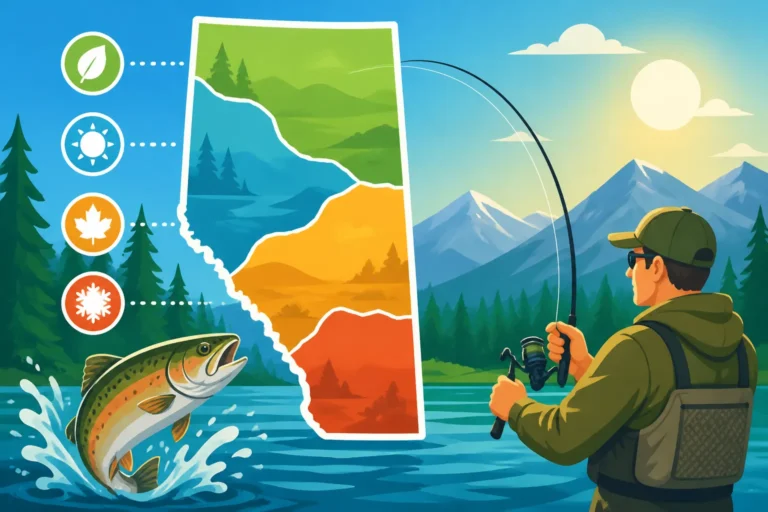
- Focus on a Zone: Alberta is divided into several fishing zones (Eastern Slopes, Prairie, Northern). Trying to fish across too many zones in a week can eat into your travel time. Pick one or two zones and explore them thoroughly. Each zone has its own specific regulations and season dates. Dive into our guide on Alberta Fishing Seasons by Zone and Month to fine-tune your timing.
- Check Regulations for Your Target Species: Even within your 7-day window, different species have different limits, seasons, and special regulations. For example, bull trout are strictly catch-and-release in most areas, while walleye might have specific harvest limits depending on the lake. Consult Alberta Bag and Possession Limits by Species and Alberta Fishing Regulations Explained thoroughly.
- Pack Appropriately: Given your limited time, you don't want to waste it running errands. Ensure you have all your necessary gear, including appropriate clothing, sun protection, insect repellent, and a first-aid kit. If you need new tackle, consider ordering items like specialized lures or compact travel rods from online retailers like Amazon beforehand, so they're ready for your trip.
Combining Fishing with Other Activities
A 7-day license is perfect for integrating fishing into a broader Alberta adventure. You could spend a few days exploring Banff National Park's stunning landscapes and fishing its accessible lakes, then head to a nearby town for a different angling experience.
Imagine spending two days fly fishing for trout on the Bow River near Calgary, then dedicating three days to exploring the Badlands near Drumheller, and wrapping up with a couple of days targeting pike in a prairie lake like Keho Lake. The 7-day flexibility allows for this kind of diverse itinerary, creating a truly memorable trip that blends angling passion with Alberta's many other attractions. Just remember, while enjoying the scenery, always keep your fishing license accessible – either digitally or a physical printout – in case a Fish and Wildlife Officer requests to see it. It's crucial for compliance and helps support the conservation efforts that make these experiences possible.
Important Regulations to Remember on Your Trip
Even with your 7-day license in hand, simply having the license isn't the end of your regulatory responsibilities. Alberta has a comprehensive set of rules designed to protect its fisheries and ensure sustainable angling for everyone. Being familiar with these will help you have a smooth, legal, and enjoyable trip.
Understanding Specific Zone and Species Rules
Alberta's fishing regulations are highly dynamic and often specific to certain bodies of water or species. What's legal on the Bow River might be prohibited on the Crowsnest River, and what's allowed for walleye might be entirely different for bull trout.
For instance, many of Alberta's cold-water mountain streams have specific "Special Regulation Waters" with unique rules, such as mandatory single barbless hooks, specific bait bans, or even catch-and-release only policies for certain species. If you're targeting trout, it's highly likely you'll encounter some of these stricter rules. Always, and I mean always, consult the current Alberta Guide to Sportfishing Regulations before you head out to a new spot. This guide is your bible on the water. You can often find it online on the MyWildAlberta website, or pick up a physical copy at most license vendors. Pay close attention to season dates, bait restrictions, and bag limits for your chosen location. This detailed planning is what prevents accidental violations and ensures you're fishing responsibly.
Boating Regulations for Anglers
If your 7-day trip involves using a boat, whether it's a small jon boat, a fishing kayak, or a larger powerboat, you'll need to be aware of Alberta's boating regulations. This includes requirements for pleasure craft operator cards (PCOC), mandatory safety equipment, and vessel registration.
For example, all operators of motorized pleasure craft in Alberta, regardless of residency, must carry proof of competency, such as a Pleasure Craft Operator Card. Furthermore, your boat must carry specific safety equipment like life jackets (one for each person on board), a bailing device, a whistle, and appropriate lighting if operating after sunset. These regulations are enforced to ensure safety on the water, not just for you but for other recreational users. Before you launch, familiarize yourself with Alberta Boating Laws for Anglers to avoid any unforeseen fines or safety hazards that could cut your short trip even shorter. Having a functional dry bag for your documents and safety equipment can be crucial, and you can find many reliable options on Amazon.
Disclaimer
Please note that the information provided in this guide is for general informational purposes only and is based on estimated costs and regulations for 2026. Fishing regulations and license costs in Alberta are subject to change without notice by the Government of Alberta. It is the angler's sole responsibility to consult the most current Alberta Guide to Sportfishing Regulations and verify all license requirements and fees with Alberta Environment and Protected Areas before engaging in any fishing activity. Always fish responsibly and ethically.