How to fish deep structure for summer walleye
The summer sun high in the Alberta sky can often feel like a mixed blessing for walleye anglers. While the weather is beautiful, many of us struggle to locate those elusive walleye once they abandon the shallower, warmer waters they frequented in spring. This guide is all about helping you crack the code on how to fish deep structure for summer walleye, offering practical advice to keep your cooler from staying empty.
Understanding Summer Walleye Behavior
When the surface waters warm up significantly, walleye don't just disappear; they simply relocate to where they're more comfortable and where their preferred forage fish are hanging out. Understanding this seasonal shift is the first step to consistently finding them.
Why Walleye Head for Deeper Water
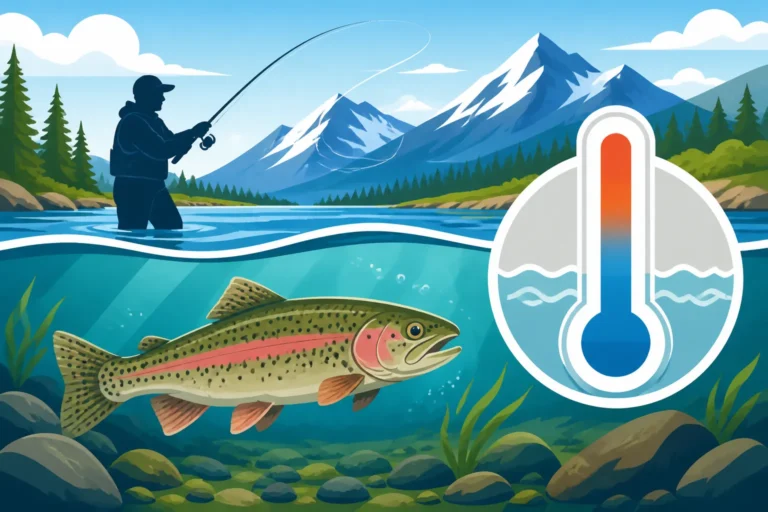
As the dog days of summer really kick in across Alberta's lakes, the upper layers of water can become too warm for walleye, which are a cool-water species. This thermal discomfort drives them down into cooler, more stable environments. Think about a hot summer day and how you seek out the shade or air conditioning; walleye do something similar, seeking out the deeper, cooler zones of the lake. This also coincides with the movement of baitfish, like ciscoes, smelt, and shiners, which also prefer these cooler depths. So, it's not just about comfort for the walleye, it's about following their food source into the sanctuary of the deeper water column. They're often less active in extremely warm water, which is another reason they retreat to depths where they can conserve energy.
Reading the Lake for Walleye Clues
Before you even launch your boat or cast a line, you need to become a detective and "read" the lake. Look for indicators like current breaks, transition lines (where different types of bottom meet), and areas with a consistent thermocline. A thermocline is a distinct layer in the lake where the water temperature changes rapidly with depth. Walleye often suspend just above or within this layer, finding that ideal balance of temperature and oxygen. Wind plays a huge role too; a consistent breeze pushing baitfish against a deep structure or point can create a feeding frenzy for walleye below. Don't just look for depth; look for how depth interacts with other elements of the lake's topography.
Common Deep Water Habitats
Walleye in Alberta's bigger lakes, like Lesser Slave Lake or Cold Lake, will gravitate towards specific types of deep structure. These aren't just random deep spots; they're areas that offer ambush points, shelter, and proximity to food.
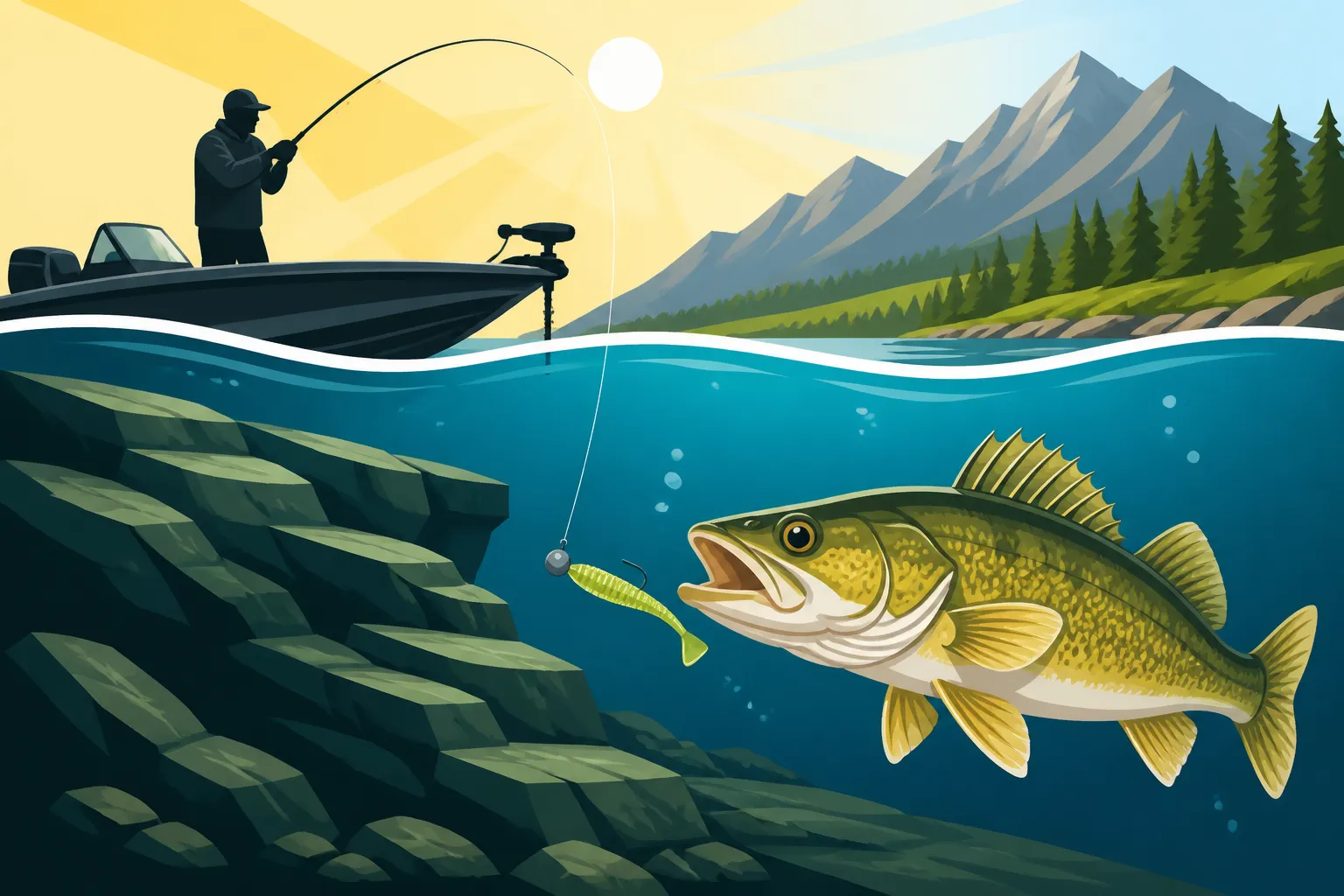
- Ledges and Drop-offs: These are classic walleye magnets. A ledge provides an abrupt change in depth, offering walleye a perfect ambush point to dart out and grab passing baitfish. Imagine a flat shelf suddenly plunging into a deep basin. Walleye will often sit right on that edge, facing the deeper water, waiting for dinner to swim by.
- Sunken Islands and Humps: These are underwater rises that don't break the surface. They can be subtle or dramatic, but they act like a beacon for baitfish, which in turn attracts walleye. The key is finding the top of the hump or island, and then fishing the deeper edges where it meets the main lake basin.
- Deep Points: Similar to ledges, points that extend far out into the lake and drop off sharply on their sides are prime real estate. They provide current breaks and act as highways for baitfish.
- Rock Piles and Rubble Areas: Even in deep water, rocks offer cover and attract invertebrates and smaller fish, making them an attractive hangout for walleye. These can be hard to spot without good electronics, but they're gold when you find them.
- Deep Weed Lines: While many associate weeds with shallow water, some robust weed species can thrive in deeper water, forming distinct lines or clumps. These provide excellent cover and hold baitfish, making them ideal feeding grounds for walleye, especially during low light.
Finding the Deep Structure
Locating these deep-water havens isn't just about guessing; it requires a combination of modern technology and a little bit of old-fashioned map reading.
Sonar and GPS Essentials
Modern fish finders are an absolute game-changer for deep water walleye fishing. You're not just looking for fish; you're looking for the contours of the bottom, the presence of baitfish, and the thermocline.
- Side Imaging/Down Imaging: If your unit has it, side imaging is incredible for scanning wide swaths of the bottom, allowing you to identify rock piles, submerged timber, or subtle depth changes that you might otherwise miss. Down imaging gives you a photo-like view directly beneath your boat, perfect for confirming what's on a specific drop-off. You'll want to adjust your settings for deeper water, perhaps increasing sensitivity or cone angle to get a clearer picture.
- 2D Sonar: This is your bread and butter for seeing fish arches, bait balls, and the crucial thermocline. Watch for the 'double bottom' effect that indicates a strong thermocline. Walleye often show up as strong, distinct arches hovering near structure or suspended above the thermocline. Pay close attention to how to read structure for walleye on Lesser Slave Lake or other deep bodies of water you frequent.
- GPS and Mapping: Once you find a promising piece of structure, mark it immediately with your GPS. This allows you to return to it with precision, run repeat passes, or drift directly over it. Many units come with detailed lake maps that show contours, which are invaluable for scouting potential spots before you even get on the water. Look for rapid changes in contour lines to identify drop-offs and ledges. You can also import custom maps if you have them.
Interpreting Lake Maps and Contours
Before you even hit the water, spend time studying a good topographical lake map. These maps are like blueprints for finding those hidden gems.
- Contour Lines: These lines represent changes in depth. When they are close together, it indicates a steep drop-off or ledge. When they are spread far apart, the bottom is flatter. Focus your search on areas where contour lines pinch together, especially around points, humps, and saddles between structures.
- Identifying Key Features: Look for symbols indicating rock piles, old river channels, or even submerged bridges if they exist. These are often highlighted on good maps and are prime locations. Use these maps to plan your attack, noting potential trolling passes or drift lines. This groundwork can save you hours of aimless searching out on the water. Knowing your lake's unique features, from glacial depressions to ancient creek beds, will give you a significant advantage when trying to target walleye that have gone deep.
Identifying Key Structural Elements
Beyond just "deep," walleye are looking for specific types of structure that provide advantages. It's about finding the right kind of deep.
- Hard Bottom vs. Soft Bottom: Walleye generally prefer hard bottom – rock, gravel, or even firm sand – over soft, mucky bottoms. Your sonar can help differentiate this; hard bottoms usually show a thicker, more intense second echo. Hard bottoms attract baitfish and provide firm footing for walleye to ambush prey.
- Transition Zones: The meeting point of different bottom compositions is often a hotspot. For example, where a rocky ledge transitions into a sandy flat, or where a weed bed ends and gives way to open gravel. These "edge habitats" are biologically rich and draw in a variety of fish.
- Bottlenecks and Funnels: In larger lakes, deeper channels or narrow passages can act as natural funnels for baitfish, concentrating them into smaller areas. Walleye will position themselves along the edges of these funnels to intercept passing meals. These can be particularly effective during periods of current or wind-driven movement.
Essential Gear for Deep Walleye
Having the right tools for the job makes all the difference when you're targeting deep-water walleye. It's not just about what you use, but how well it's suited for the specific conditions you're facing.
Rods, Reels, and Line for Depth
Your tackle needs to be robust enough to handle the depths and sensitive enough to detect subtle bites.
- Rods: For vertical jigging or working deep crankbaits, a medium-heavy power rod with a fast or extra-fast action is ideal. This combination gives you the backbone to fight a deep-water walleye and the sensitivity to feel light bites. A rod length of 6'6" to 7'6" is generally versatile. For trolling, you might opt for a slightly longer, more moderate action rod that can absorb the shock of a big fish striking a fast-moving lure.
- Reels: A spinning reel in the 2500-3000 size range or a baitcasting reel with a smooth drag system is perfect. The key is having enough line capacity for deep water and a retrieve ratio that allows you to work your lures effectively or quickly take up slack. Look for quality components that can stand up to repeated use.
- Line: This is crucial for deep water. Many anglers swear by braided line as their main line because of its near-zero stretch. This incredible sensitivity allows you to feel even the lightest nibbles at 30, 40, or even 50 feet down. Pair your braid with a 6-10 foot fluorocarbon leader. Fluorocarbon is virtually invisible underwater and has excellent abrasion resistance, which is vital when fishing around rocks or other structure. When considering your line setup, think about the specific conditions, such as fishing for walleye in Alberta, where clear waters might necessitate a finer approach.
Lures and Baits That Reach Deep
Choosing the right presentation means selecting lures designed to get down to where the fish are and entice them. You need options that cover a range of depths and actions.
- Deep-Diving Crankbaits: These lures have large lips that help them dive rapidly and run deep when trolled. Think about models that can hit depths of 20-30 feet or more. Colour patterns that imitate local baitfish, like perch or cisco, are often effective. Experiment with different colours and sizes until you find what the walleye are keying in on. Many anglers find great success with these, often purchasing a variety of options online through retailers like Amazon to ensure they have the right bait for any condition.
- Jigging Spoons and Blade Baits: These are fantastic for vertical jigging directly over deep structure. A heavy jigging spoon or blade bait can quickly get to the bottom and, with proper jigging, mimics a struggling baitfish. The flash and vibration can be irresistible.
- Heavy Jigs and Soft Plastics: Pair a 3/8 oz to 1 oz jig head (depending on depth and current) with a soft plastic swimbait, grub, or paddle tail. The soft plastic provides a natural profile and action. Experiment with colours – chartreuse, white, and natural baitfish colours are common walleye producers.
- Live Bait Rigs: Sometimes, nothing beats live bait. A classic deep-water walleye rig involves a snell hook (often a large worm hook or octopus hook) with a nightcrawler, minnow, or leech, fished under a bottom-bouncer or a heavy sinker. The key is to keep the bait near the bottom where walleye are actively feeding. This can be especially effective for those difficult days when the fish are finicky.
Electronics for the Modern Angler
Beyond your main fish finder, a few other electronic aids can drastically improve your deep-water walleye success. The more information you have about the underwater world, the better.
- Electric Trolling Motor with Spot-Lock: This is arguably one of the most significant advancements for deep-water fishing. A GPS-enabled trolling motor with "spot-lock" or "anchor mode" allows you to hold your boat precisely over a deep rock pile or contour line, even in wind or current, without having to drop an anchor. This frees you up to focus on fishing, rather than constantly maneuvering the boat. It's a game-changer for precise vertical jigging. You can often find a wide selection of these high-tech motors from various brands, including parts and accessories, by browsing online retailers.
- Mapping Chips: Invest in high-definition mapping chips for your fish finder. These provide much more detailed contour lines and underwater features than generic base maps. They can reveal subtle humps or submerged channels you might otherwise miss. These map cards are readily available on platforms like Amazon and can offer invaluable insights into the specific topography of Best Walleye Lakes in Alberta.
- Underwater Camera (Optional): While not essential for everyone, an underwater camera can be a fascinating tool. It allows you to actually see what's on the bottom, identify specific types of structure, and even observe how fish are reacting to your lures. It's more for learning and confirmation than active fishing, but it can provide incredible insights.
Effective Techniques for Deep Walleye
Now that you know where to look and what gear to use, let's dive into the how-to of actually catching those deep-water walleye. It's a blend of precision and patience.
Vertical Jigging Deep Ledges
Vertical jigging is a highly effective technique for targeting walleye holding tight to deep structure. It allows for precise presentation and maximum control over your lure.
- Positioning is Key: Use your trolling motor's spot-lock feature or precise boat control to position yourself directly over the deep ledge, hump, or rock pile where you've marked fish. The goal is to keep your lure as vertical as possible, directly below the boat. If you drift too far, you lose the precise presentation. Many anglers practice their boat control skills on smaller water bodies before heading to bigger lakes.
- The Jigging Motion: Drop your jigging spoon or heavy jig to the bottom, then lift it sharply 1-2 feet, allowing it to flutter back down on a semi-slack line. The bite often comes on the fall. Vary the height and speed of your lifts until you find what the fish prefer. Sometimes a subtle lift is best, other times an aggressive rip. Let the lure hit bottom or suspend it just above where you're marking fish or structure.
- Patience and Persistence: Walleye can be finicky. Sometimes you have to make dozens of drops on the same spot before you get a bite. Watch your sonar religiously for fish approaching your lure. If you're marking fish but not getting bites, try different colours, sizes, or even switch to a different lure style. This technique is particularly effective for catching Walleye Fishing in Alberta in concentrated areas.
Contour Trolling with Precision
Trolling is a fantastic way to cover a lot of water and locate scattered walleye on deep flats, along extensive ledges, or over submerged humps. The key is to follow the contours of the bottom precisely.
- Matching Depth to Structure: Use your GPS and detailed mapping to identify a contour line (e.g., the 25-foot contour) that runs over promising structure. Then, use your electric trolling motor or kicker motor to maintain your boat's position along that specific depth line. This puts your lures in the walleye's strike zone for an extended period. Many modern fish finders have a "contour following" feature that makes this even easier.
- Lure Selection and Depth Control: Deep-diving crankbaits are the go-to for contour trolling. Use a variety of colours and sizes to determine what's working best. The challenge is ensuring your lures are running at the correct depth – slightly above or just occasionally ticking the structure. Line counter reels are invaluable for this, allowing you to consistently reproduce the amount of line you have out. Experiment with different lengths of line, trolling speeds, and even adding snap weights to get your lures to the desired depth. Consider checking a guide on Best Lures for Northern Pike in Alberta (or walleye in this case!) for similar trolling strategies.
- Speed and Direction: Vary your trolling speed until you find the sweet spot. Sometimes a slow, methodical pace is best, other times a faster retrieve triggers strikes. Pay attention to how the boat turns; often, a lure on the inside of a turn will slow down and drop, while a lure on the outside will speed up and rise, sometimes triggering a reaction strike. Don't be afraid to make S-curves or figure-eights to change your lure's action. A consistent trolling speed for walleye is often between 1.5 and 2.5 miles per hour, but it can vary by day.
Live Bait Rigging for Suspended Walleye
When walleye are suspended off the bottom, perhaps chasing baitfish in the middle of the water column, live bait rigs become incredibly effective. This method is often slower but can produce when other techniques fail.
- Slip Bobber Rigs: A slip bobber rig allows you to fish live bait (like a minnow, leech, or nightcrawler) at a precise depth, even when that depth is significant. The bobber stopper is set to the desired depth, allowing the line to slide freely through the bobber until the stopper hits. This lets you cast easily and then let your bait settle to where the fish are. It's particularly good for fishing around specific deep-water cover like submerged timber or weed edges.
- Bottom Bouncer Rigs: For active fishing over a relatively clean bottom, a bottom bouncer rig with a crawler harness or live minnow can be deadly. The bottom bouncer keeps your bait off the bottom, preventing snags, while allowing you to maintain constant contact with the lakebed. These are often trolled slowly or drifted.
- Weighted Rigs: When fish are suspended over deep basins with no distinct structure, a simple weighted rig with a swivel, leader, and live bait can be effective. Drop it down to the depth where you're marking fish on your sonar. A technique like this, often used in conjunction with "What Walleye Eat in Alberta Lakes", can be extremely productive, especially during the Best Time of Day to Catch Walleye or even when Night Fishing for Walleye in Alberta. Pay close attention to your sonar to see how fish are reacting to your presentation and adjust your depth accordingly.
Advanced Strategies for Tricky Conditions
Sometimes, despite all your efforts, summer walleye can be particularly elusive. These advanced strategies can help you coax a bite when the fishing gets tough.
Dealing with High Pressure and Clear Water
High-pressure systems and crystal-clear water can make walleye incredibly spooky and inactive. This is where you need to scale down your approach and prioritize stealth.
- Finesse Presentations: Instead of large, aggressive lures, opt for smaller jigs, lighter lines, and more natural-coloured soft plastics or live bait. A smaller profile and more subtle action can often trigger strikes from finicky fish. Think about using an ultralight jig head with a small plastic grub, fished very slowly.
- Long Leaders and Stealth: Extend your fluorocarbon leader to 10-15 feet to maximize invisibility. Use lighter main lines as well. Approach your spots quietly, using your electric trolling motor instead of a noisy outboard. Minimize sudden movements or loud noises in the boat, as sound travels surprisingly well through water.
- Low Light Conditions: In clear water, walleye often become more active during low light periods – dawn, dusk, and even at night. Plan your fishing trips around these times. A guide to "Night Fishing for Walleye in Alberta" can be particularly helpful here, as walleye's excellent low-light vision gives them an advantage. These are the times when they feel most comfortable moving into slightly shallower water to feed, even from their deep-water haunts.
Adapting to Wind and Current
Wind and current are constant factors on large Alberta lakes and rivers. Instead of fighting them, learn to use them to your advantage.
- Drift Fishing: Let the wind or current do the work for you. Position your boat upwind or upcurrent from your target structure and allow yourself to drift over it, presenting your lures naturally. This is especially effective when using live bait rigs or jigs. Use a drift sock or sea anchor to control your speed and ensure your lures stay in the strike zone.
- Wind-Blown Structure: A strong, consistent wind pushing against a deep point or shoreline can create a 'current' that concentrates baitfish. Walleye will often stack up on the downwind side of this structure, waiting for an easy meal. Focus your efforts on these wind-blown areas, as the turbulent water provides cover for ambushing fish.
- Understanding Current Breaks: In river systems or where currents are present in lakes, look for any feature that breaks the flow – a large boulder, a log jam, or a sharp bend. Walleye will often sit just out of the main current, conserving energy, and dart out to grab food as it passes by. These subtle current breaks can be highly productive, offering sanctuary and feeding opportunities.
When to Consider a Walleye Special Harvest Licence
In some specific Alberta lakes, particularly those with strong walleye populations, there might be opportunities for a walleye special harvest licence through a draw system. This allows anglers to retain walleye from certain waters, which is a rare privilege given the general conservation efforts for walleye in Alberta.
- Checking Regulations: Always, always, always consult the current Alberta Guide to Sportfishing Regulations for the latest information on specific lakes, season dates, and whether a special harvest licence draw is available. Regulations can change annually, and ignorance is no excuse for violating the rules. You need to know the Alberta Walleye Limit by Zone and other critical details.
- The Draw Process: If a special harvest licence is offered for a particular lake, you'll need to enter a draw. This is typically done through the MyWildAlberta portal. It's a competitive process, and successful applicants are chosen randomly. Keep an eye on the application periods, as they are usually quite specific.
- Conservation First: Even with a harvest tag, practice responsible angling. Take only what you are legally allowed, and ensure you are handling any released fish with the utmost care to maximize their survival. The Walleye Special Harvest Licence Recovery Program exists because of successful conservation, and it's up to all of us to ensure these populations remain healthy for future generations. Remember, in most Alberta waters, walleye are strictly catch-and-release, so be prepared for that reality.
Fishing deep structure for summer walleye in Alberta can be one of the most rewarding angling experiences. It demands a keen understanding of fish behavior, a good grasp of technology, and the patience to refine your techniques. By focusing on where walleye go when the heat is on and how to effectively present your offerings in their deep-water sanctuaries, you'll dramatically increase your chances of a successful and memorable day on the water.
Disclaimer
This article is for general informational purposes only and does not constitute professional advice. Laws, prices and regulations vary by location and change over time. Consult a qualified professional for guidance on your specific situation.