Best time to fish after a cold front
There's nothing quite as frustrating as planning a fishing trip, only for a sudden cold front to sweep through Alberta, dropping temperatures, bringing clear skies, and leaving you wondering if the fish have simply vanished. We've all been there: full of anticipation, only to be met with finicky fish and an empty creel. This guide is here to help you understand what happens to fish after a cold front and, more importantly, how you can adapt your approach to still find success on Alberta's lakes and rivers.
Understanding the Cold Front's Impact on Alberta Fish
When a cold front rolls in, it's more than just a drop in air temperature. It's a seismic shift in the fish's environment, triggering a chain reaction that directly impacts their behavior, metabolism, and willingness to bite. Anglers who understand these changes are much better equipped to adapt and find success.
How Barometric Pressure Affects Fish Behavior
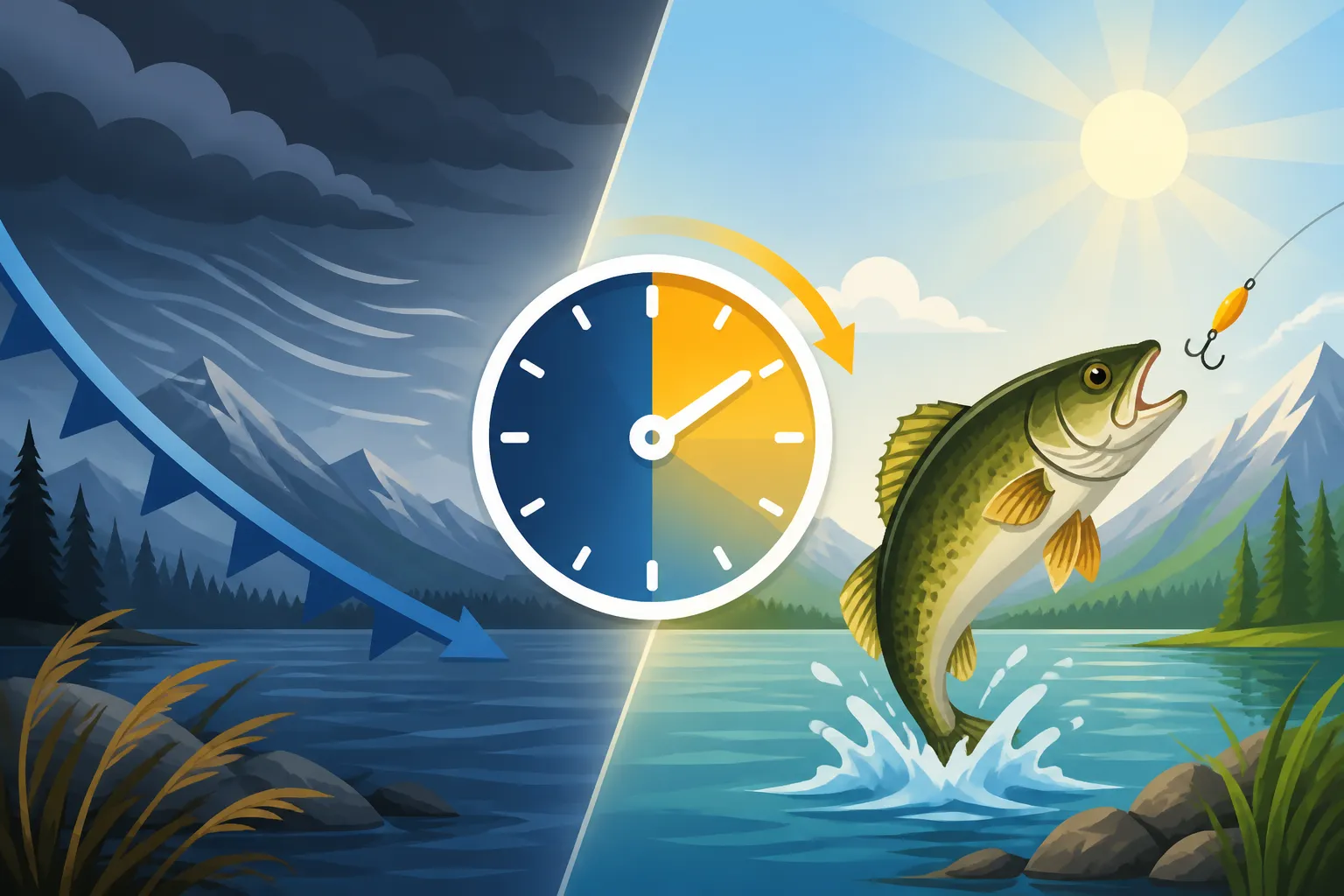
One of the most immediate and significant impacts of a cold front is the rapid change in barometric pressure. Before a front, the pressure often drops, which can trigger an aggressive feeding binge in many species. Think of those incredible days when everything seems to bite – often, that's due to falling pressure. However, after the front passes, a high-pressure system typically settles in, bringing those clear, sunny skies and calm conditions we often associate with good weather. For fish, this is a signal to become less active. The increased pressure can make their swim bladders contract, causing discomfort, and many species will move deeper or hold tight to cover to alleviate this pressure. Their metabolism slows down, and they become more lethargic, less inclined to chase a meal. It's like they've got a bad headache and just want to hide.
Water Temperature Swings and Fish Metabolism
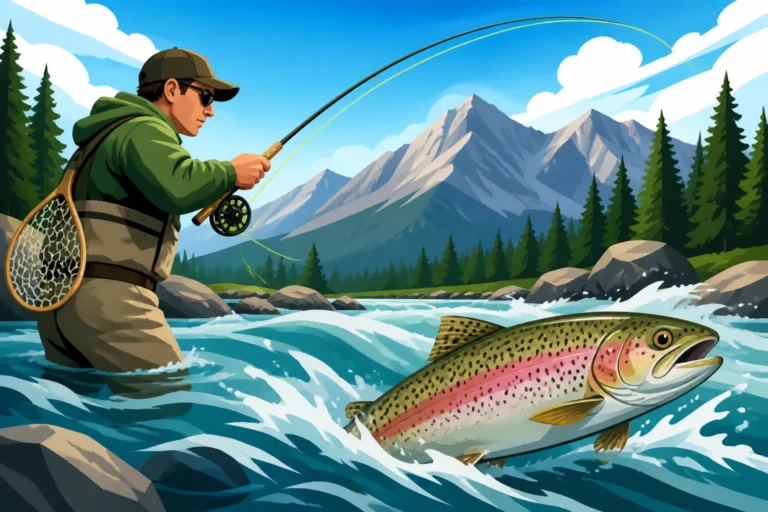
While air temperature drops dramatically, water temperature reacts more slowly, but a significant cold snap will eventually cool the surface layers. These sudden changes, especially in shallower areas, can really put fish off their feed. Most fish are cold-blooded, meaning their body temperature mirrors their surroundings. When the water cools rapidly, their metabolism slows down considerably. This means they need less food and expend less energy, making them far less likely to actively pursue prey. A walleye might move from a shallow feeding flat to a deeper break line, while a trout might tuck into slower, deeper pools in a river like the Bow River, seeking more stable temperatures. They're trying to conserve energy and find comfort, not necessarily looking for a big meal.
Clearer Skies, Clearer Water, Spookier Fish
High-pressure systems that follow a cold front often bring clear skies and calm winds. While this might sound pleasant for the angler, it can make fishing much more challenging. Sunlight penetrates deeper into the water column, making fish more visible to predators (including you!) and making them more cautious. In clear waters, especially, fish become incredibly spooky. Even subtle movements on the bank or boat can send them darting for cover. This increased visibility, combined with the general malaise caused by the pressure change, means your presentation needs to be incredibly subtle and natural. Gone are the days of aggressive retrieves; now, it's about finessing a bite. This is particularly true in mountain streams where water is often crystal clear and trout are naturally wary.
The Immediate Aftermath: The Toughest Fishing Window
Let's be real, the period immediately following a cold front is usually tough. Don't expect to go out and crush fish like it's a pre-front feeding frenzy. But understanding this "tough fishing window" and how to manage your expectations, combined with smart tactical adjustments, can still lead to success.
The First 24-48 Hours: Managing Expectations
Those first couple of days right after a significant cold front passes are often the most challenging. Fish are typically still feeling the effects of the pressure change and the sudden temperature drop. They're often hunkered down, lethargic, and largely uninterested in feeding. It's crucial to manage your expectations during this time. Don't beat yourself up if the bite is slow; it's a common struggle for anglers across Alberta. Instead of focusing on quantity, perhaps shift your goal to finding a few quality bites, or simply enjoying the peace and quiet on the water.
During this window, fish will often move to areas of stable water temperature or dense cover. For lakes, this could mean deeper main lake basins, dense weed beds, or beneath docks and overhanging trees. On rivers, look for deep holes, slow eddies, or undercut banks where the current is minimal and they can hide from predators and stable conditions. This is a time for patience and precision, not covering a lot of water quickly. If you're on a larger body of water like Lesser Slave Lake, knowing the bottom contours and identifying deep weed lines or rock piles becomes absolutely essential.
Slowing Down and Downsizing: Adapting Your Approach
When fish are sluggish and spooky, your presentation needs to reflect that. Aggressive, fast-moving lures are often ignored or even scare fish away. This is the time to embrace a "less is more" philosophy.
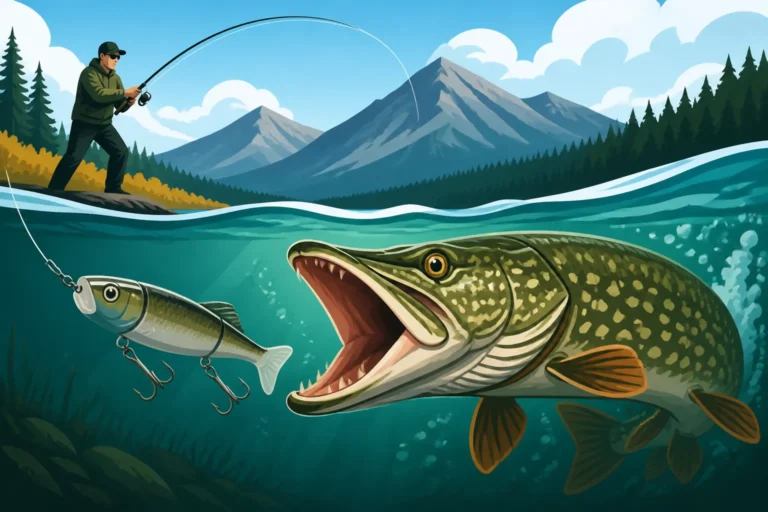
- Slower Retrieves: Think glacial speed. If you think you're going slow enough, slow down even more. For walleye, a slowly dragged jig-and-minnow or a crawler harness on a bottom bouncer can be incredibly effective. For pike, forget the fast retrieves; try slowly twitching a suspending jerkbait or a soft plastic swimbait along cover.
- Downsizing Lures: Smaller offerings often appear less threatening and require less energy for a fish to consume. Instead of a large crankbait, opt for a small jig head with a tiny plastic or a live minnow. For trout, smaller nymphs or micro-streamers fished on lighter tippet can make all the difference. This is where having a diverse tackle box, perhaps stocked with a range of smaller items from Amazon, can really pay off.
- Finesse Techniques: This is the realm of subtle twitches, long pauses, and light lines. Drop shots, Ned rigs, or a simple float-and-bait setup where the bait just barely moves with the current can be deadly. The goal is to present an easy, irresistible meal that a lethargic fish doesn't have to work hard for. When fishing for northern pike in Alberta during this time, consider finesse tactics with smaller baits, even though they are known for their aggression.
The Recovery Period: When Fish Start to Bite Again
While the immediate aftermath of a cold front can be brutal, the good news is that fish do eventually recover and start feeding again. The key is knowing what to look for and how to capitalize on the improving conditions. This recovery period is often when you can have some of the most rewarding fishing, as the fish are still a bit sluggish but starting to get hungry.
Signs of Improving Conditions: Looking for the Turnaround
Recognizing when the fish are beginning to come out of their funk is paramount. It’s not always a flip-of-the-switch moment; rather, it’s a gradual shift, and observant anglers will pick up on the subtle clues.
- Stabilizing Barometric Pressure: While you don't need a barometer in your boat (though some modern fish finders might have this data!), a few days of consistent weather after the initial cold front passes is a good sign. This means the high pressure has settled in and the rapid changes are over.
- Gradual Water Temperature Increase: Pay attention to surface water temperatures, especially in shallower bays or darker-bottomed areas. Even a slight increase of a degree or two can make a big difference, signaling to fish that it's safe to move into shallower feeding grounds. These warmer pockets are often key areas during the rebound.
- Increased Baitfish Activity: If you start seeing baitfish schooling near the surface, or if you notice minnows darting around docks or weed edges, that's a prime indicator that the food chain is waking up. Predator fish won't be far behind. Often, simply observing the water for signs of life, like insects hatching on the surface of a trout stream, can tell you a lot.
- Subtle Fish Activity: You might see a solitary fish break the surface, or a small ripple near a weed line that suggests a fish is moving. These subtle movements, absent in the immediate post-front period, are encouraging signs that fish are becoming more active.
Targeting Transition Zones and Warmer Water
As conditions stabilize, fish will start to move out of their deep-water sanctuaries or dense cover, but they won't typically rush back to the shallow, exposed areas immediately. They'll often hold in "transition zones" – areas that offer a balance of comfort, proximity to food, and escape routes.
- Warmest Water Pockets: On lakes, focus on north-facing bays that get more direct sunlight throughout the day, or areas with dark, mucky bottoms that absorb heat. Shallow flats adjacent to deeper drop-offs are also prime. These areas will warm up first and attract baitfish, and then the predators. Consider spots near prominent features discussed in our guide to the Best Fishing Lakes in Alberta.
- Edge Cover: Instead of burying themselves deep in weeds, fish might patrol the edges of weed lines or the outside of submerged timber. These areas allow them to ambush prey while still being close to cover.
- Structure on Break Lines: Look for rocky points, humps, or submerged islands that offer a variety of depths. Fish might stage on the deeper side, ready to move up shallower when a feeding opportunity arises. Fish finders, like those readily available on Amazon, can be invaluable for identifying these subtle underwater structures.
- River Eddies and Seams: In rivers, fish will often move into the slower water of larger eddies or the seams between fast and slow current, especially those with deeper sections or overhanging vegetation. These spots offer refuge from the main current and a consistent flow of food. Many spring trout fishing techniques for Alberta streams involve targeting these very spots.
Lure and Presentation Adjustments for the Rebound
Once you notice those improving conditions, you can start to subtly increase your lure size and retrieve speed, but still lean towards finesse. The fish are hungry, but they're not quite at their aggressive, pre-front selves.
- Slightly Larger Baits: You might be able to move up from micro-jigs to slightly larger plastics, or from tiny nymphs to a modest streamer. The "Best Baits for Walleye on Lesser Slave Lake" article might offer some good ideas, even if you're not on that specific lake, as the principles often apply.
- Controlled Aggression: Instead of a dead-slow retrieve, try adding a subtle twitch or a very short pause. A slow, steady retrieve with a small crankbait can be effective. The key is to make your lure appear slightly more active without being overtly aggressive.
- Variety is Key: Don't be afraid to experiment with different lure types and colors. Sometimes, a bright chartreuse might trigger a reaction strike, while other times a natural minnow pattern is what they want. Have a selection of "Best Lures for Northern Pike in Alberta" on hand, for example, but be prepared to test different colors and sizes.
- Scent and Live Bait: Scented soft plastics or adding a dab of scent to your lures can make a huge difference, making a reluctant fish hold on longer. Live bait, like minnows or worms, is often irresistible to fish recovering from a cold front, as it presents an easy, natural meal.
Essential Gear and Tactics for Post-Cold Front Success
Successfully fishing after a cold front isn't just about knowing when and where; it's also about having the right tools and the right mindset. Being prepared can turn a tough day into a memorable one.
Reading the Water: Interpreting Subtle Cues
Fishing is often called "the art of observation," and nowhere is that more true than after a cold front. The fish aren't going to jump into your boat, so you need to become a detective, piecing together clues from the environment.
- Water Clarity: Note how clear or stained the water is. Clearer water means fish can see better, requiring lighter line and more natural presentations. Stained water offers more forgiveness, allowing for slightly bolder lure choices.
- Wind Direction and Speed: Wind can push warm surface water into certain bays, concentrate baitfish, or create current that positions fish in predictable ways. A light chop on the water can also break up sunlight, making fish feel more secure and less spooky.
- Depth and Structure: Pay close attention to your fish finder if you have one. Look for subtle changes in depth, submerged humps, rock piles, or dense weed beds. These are the hideouts and ambush points fish will gravitate towards. Without electronics, use natural markers like points of land, drop-offs visible near shore, or changes in vegetation.
- Wildlife Activity: Look for signs of other predators – birds diving for baitfish, otters, or even insects. If other animals are actively feeding, it's a good sign that the food chain is waking up, and the game fish might be too.
Must-Have Gear for Tough Conditions
Having the right gear won't guarantee success, but it will certainly improve your odds and make the experience more enjoyable.
- Light Rods and Reels: For finesse presentations, a lighter rod with a sensitive tip is crucial for detecting subtle bites. A good quality spinning rod and reel combo, such as the "Best Spinning Rods for Walleye," allows for light lines and accurate casts with small lures.
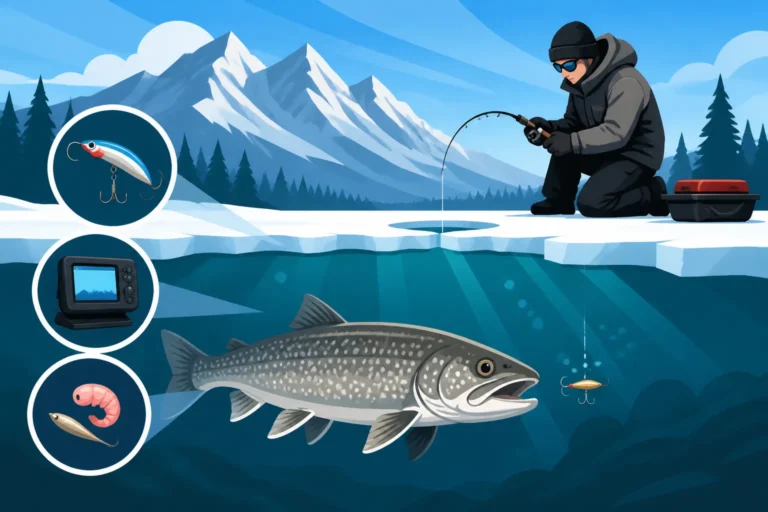
- Fluorocarbon Line/Leader: Fluorocarbon is nearly invisible underwater, making it ideal for spooky fish in clear conditions. Its low stretch also provides excellent sensitivity, helping you feel those faint bites. When fishing for Lake Trout in Alberta, where water is often deep and clear, a good fluorocarbon leader can be a game-changer.
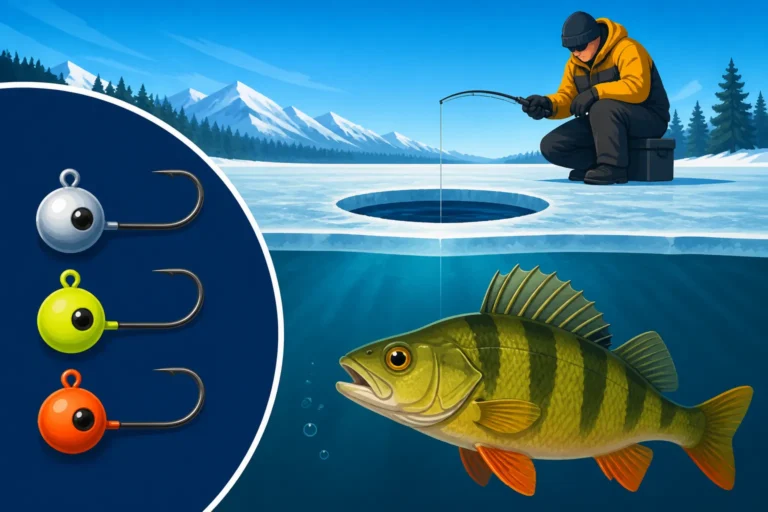
- A Variety of Jigs and Soft Plastics: Small jigs (1/16 to 1/8 ounce) paired with tiny soft plastics (grubs, worms, minnow imitations) are indispensable. Carry a range of natural colors (green pumpkin, black, brown) and a few brighter "reaction strike" colors (chartreuse, orange).
- Suspending Jerkbaits: These lures are fantastic for pike and even walleye in cold water. They can be twitched and then paused, hanging tantalizingly in the strike zone for extended periods, giving lethargic fish time to commit.
- Good Quality Waders and Rain Gear: Alberta weather can be unpredictable, even after a cold front. Staying warm and dry is essential for comfort and concentration, especially if you're exploring the banks of one of the Best Fly Fishing Rivers in Alberta. Products like the "Best Waders for Alberta Trout Rivers" can make a cold day much more bearable.
Patience and Persistence: The Angler's Mindset
More than any specific lure or technique, patience and persistence are your greatest allies when fishing after a cold front. It's a mental game as much as it is a physical one.
- Slow Down, Be Deliberate: Rushing your casts or retrieves will often lead to frustration. Take your time, focus on your presentation, and make every cast count.
- Experiment with Depth and Location: Don't get stuck on one spot or one depth. Fish might be holding just a few feet deeper or shallower than you expect. Work an area thoroughly, then move a short distance and try again. Sometimes, fishing the same structure from a different angle can elicit a bite.
- Embrace the Challenge: View the tough conditions as an opportunity to hone your skills. Learning to catch fish when they are finicky will make you a much better angler in the long run. There's immense satisfaction in figuring out the puzzle and landing a fish when others are struggling.
- Stay Positive: A positive attitude can make a huge difference. Even if the fish aren't biting, being out on the water in Alberta's beautiful landscape is a reward in itself. Sometimes, a single bite after hours of effort can be more rewarding than a limit caught during a hot bite. This perseverance is crucial, whether you're trying to figure out the Alberta Fishing Regulations Explained or just adapting to tough conditions.
Fishing after a cold front is certainly a challenge, but it's far from impossible. By understanding how these weather shifts impact fish and by adjusting your strategy accordingly, you can still enjoy productive days on Alberta's waters.
Disclaimer
This article is for general informational purposes only and does not constitute professional advice. Laws, prices and regulations vary by location and change over time. Consult a qualified professional for guidance on your specific situation.