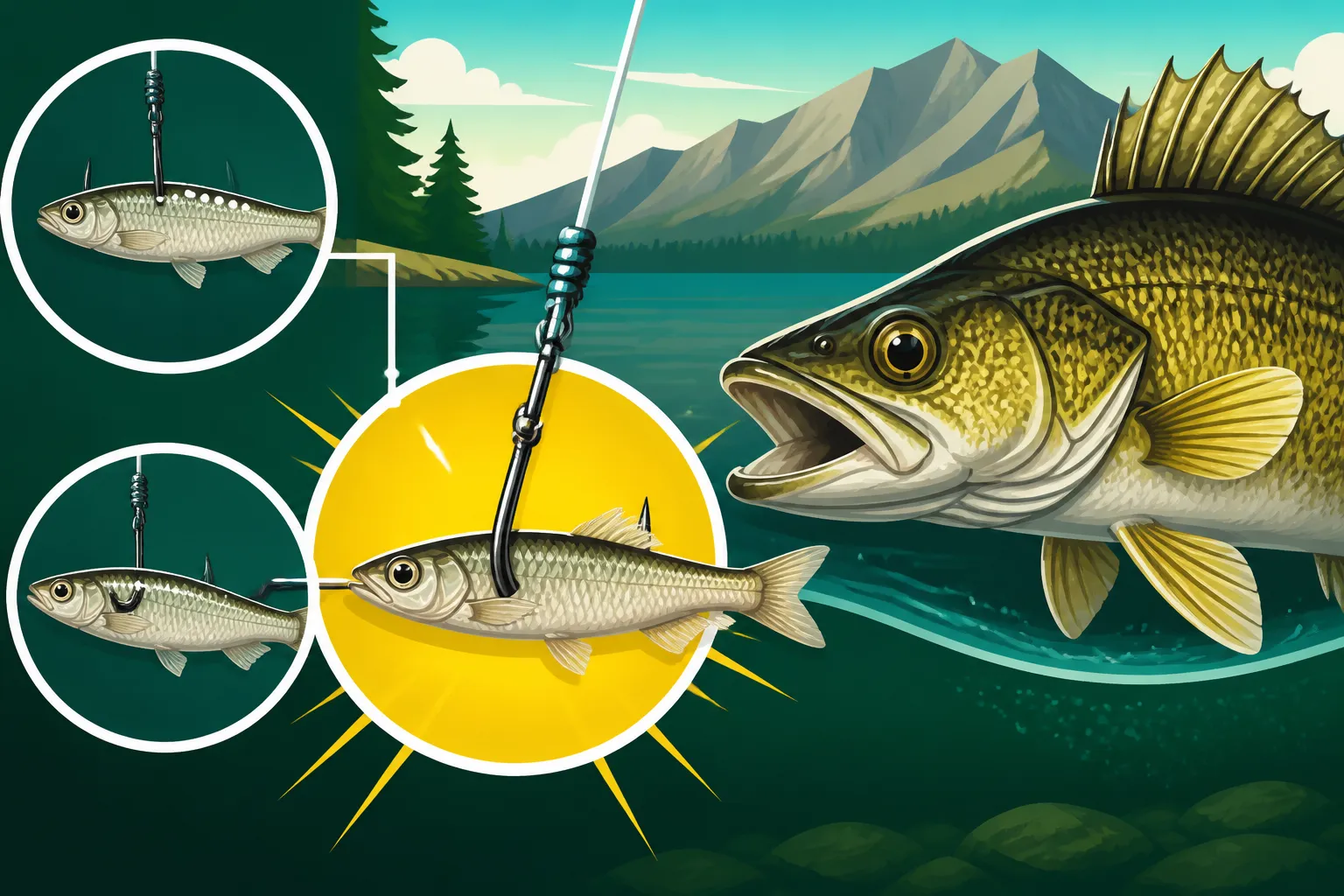
How to rig a live minnow for walleye
There's nothing quite like the frustration of knowing walleye are in the water, but they just aren't biting your artificial lures. It can feel like you've thrown everything in your tackle box at them, only to be met with disinterest. But when those finicky feeders turn up their noses at plastic and metal, sometimes the oldest trick in the book is the best: rigging a lively minnow. This comprehensive guide will walk you through everything you need to know to rig a live minnow effectively, giving you a proven edge in enticing those prized Alberta walleye to strike.
The Undeniable Appeal of Live Minnows for Alberta Walleye
We all love the thrill of an artificial lure bite, but let's be honest, sometimes walleye just want the real deal. There's a primal instinct that live bait triggers, and it's a game-changer when conditions are tough or fish are pressured. Understanding why live minnows are so effective is the first step to truly mastering their use.
Why Walleye Can't Resist a Lively Minnow
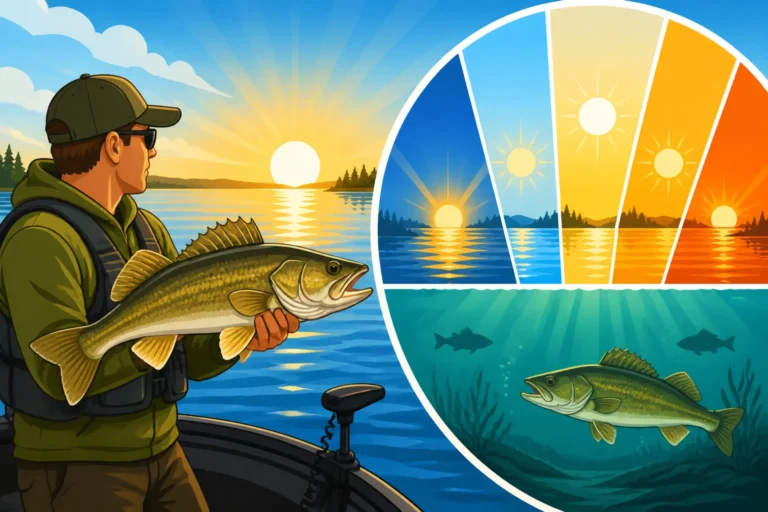
Think about it from a walleye's perspective. They're opportunistic predators, constantly on the lookout for an easy meal. A live minnow offers everything they're programmed to seek out: natural scent, erratic movement, and a soft, fleshy texture. It's not just about looking real; it is real. The subtle vibrations a panicked minnow sends out are detectable through their lateral line, even in murky water or low light conditions, which, as any seasoned angler knows, is often when walleye are most active.
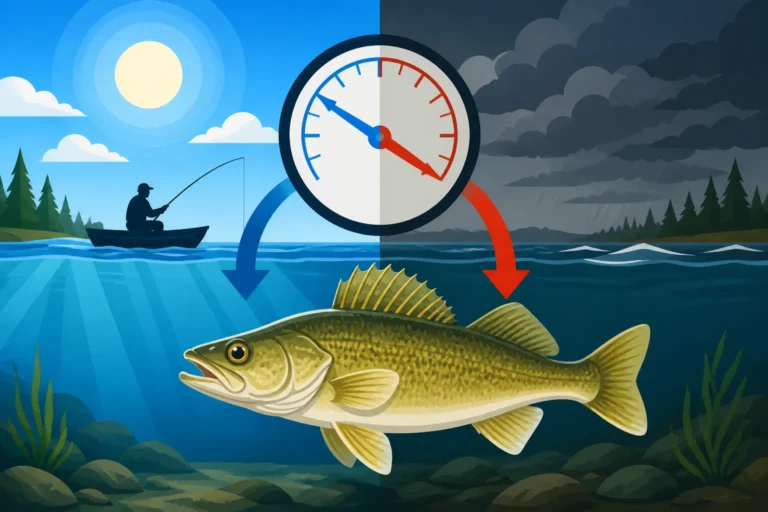
Furthermore, walleye are quite sensitive to water temperature and pressure changes. When a cold front rolls through, or after a significant weather event, their metabolism can slow down, making them less willing to chase down a fast-moving crankbait or aggressive jig. A live minnow, however, suspended enticingly in front of their nose, requires minimal effort for a high-reward meal. This natural appeal is why live minnows remain a staple in many successful walleye anglers' arsenals, especially when you're targeting waters known for trophy walleye.
The Natural Advantage Over Artificial Baits
While artificial baits have their place and can be incredibly effective, they simply can't replicate the full sensory experience of a living creature. Modern soft plastics and hard baits do an incredible job mimicking minnows, complete with lifelike profiles, realistic colours, and even scent additives. However, they lack the spontaneous, unscripted movements that a live minnow exhibits. A minnow struggling to swim, darting unpredictably, or simply quivering in place sends out a completely different signal than even the most expertly presented artificial lure.
This subtle, natural distress is a powerful trigger. It’s the difference between watching a video of a deer and seeing one in person – one is an imitation, the other is the real thing. For a predator like a walleye, that difference can be enough to turn a casual observation into an aggressive strike. This is especially true when fishing heavily pressured waters or during difficult feeding windows where the fish have become wary of anything that doesn't scream "easy meal." Learning how to rig a live minnow for walleye can dramatically increase your hook-up rates in these challenging scenarios.
Selecting and Keeping Your Walleye Minnows Lively
The effectiveness of live minnow rigging hinges entirely on the health and vitality of your bait. A dead or dying minnow won't attract much attention, so knowing how to select them and keep them frisky is paramount. This isn't just about throwing them in a bucket; it's about providing the right environment.
Choosing the Right Minnow Species and Size
When it comes to minnows for walleye, not all are created equal. Local bait shops often carry a variety, and understanding which ones are best can make a difference. Common choices include fathead minnows, shiners, or dace. Generally, you want minnows that are native to or commonly found in the waters you're fishing, as walleye will already be accustomed to them.
Size also matters. For most walleye fishing, minnows between 2 to 4 inches are ideal. Smaller walleye will readily hit a 2-inch minnow, while larger trophy fish might prefer something closer to 4 inches. If you're targeting truly enormous walleye, you might even go up to 5 inches, but this can reduce your chances of hooking smaller, yet still respectable, fish. Always observe the local baitfish in the area you plan to fish if possible; matching the hatch, even with live bait, is a solid strategy.
Keeping Minnows Healthy: The Importance of Proper Care
Keeping your minnows alive and active is half the battle. A good quality bait bucket or aerated livewell is essential. Don't crowd your minnows; too many in a small space will quickly deplete oxygen and stress them out, leading to premature demise. A general rule of thumb is about a dozen 3-inch minnows per gallon of water, but less is always better, especially on warm days.
Temperature is critical. Minnows are cold-blooded, and their metabolism speeds up in warmer water, consuming more oxygen. Try to keep the water temperature in your bait bucket consistent with the lake or river you're fishing, or even a few degrees cooler. Using frozen water bottles (not ice cubes, which can introduce chlorine from tap water) can help regulate temperature on hot days. Regularly changing a portion of the water with fresh, non-chlorinated water, or using a battery-operated aerator, will significantly extend their lifespan. You can find excellent portable aerators and bait buckets on sites like Amazon that are perfect for a day out on the water. Proper care ensures your bait is lively enough to trigger those aggressive walleye strikes.
Sourcing Your Bait: Local Shops vs. Catching Your Own
Most anglers grab their minnows from a local bait shop. This is convenient and ensures you're getting species that are typically allowed for bait. Always check the current Alberta Fishing Regulations Explained to ensure what you're using is legal and free of invasive species, as moving certain live bait between water bodies can be highly restricted. Bait shops are often your safest bet for compliant and healthy bait.
However, some seasoned anglers prefer to catch their own minnows using minnow traps or small seine nets, especially if they are fishing a remote location where bait shops aren't available. This can be a rewarding experience, ensuring the minnows are native to that particular water system. If you choose this route, be absolutely certain you understand and follow all local regulations regarding minnow trapping, possession limits, and any restrictions on transport or release. There are strict rules to prevent the spread of diseases and invasive species.
Essential Gear for Successful Live Minnow Rigging
You don't need a boatload of specialized gear, but having the right tools for live minnow rigging will make your life much easier and your success rate much higher. It's about optimizing your setup to present that minnow as naturally and effectively as possible.
Rods, Reels, and Line Choices
For rigging live minnows, sensitivity is key. You need to feel those subtle walleye bites, which are often delicate "thumps" or slight pressure.
- Rods: A medium-light to medium power spinning rod, typically 6'6" to 7'6" long, with a fast or extra-fast action, is ideal. This combination offers the sensitivity to detect light bites and the backbone to set the hook firmly. The longer length also helps with casting lighter rigs and controlling the fight. Many anglers find that a high-quality graphite rod transmits even the smallest nudges.
- Reels: Pair your rod with a good quality spinning reel in a 2500 to 3000 size. Smooth drag is crucial, especially when a big walleye makes a run. You want a reel that's reliable and has a good retrieve ratio for taking up slack line quickly.
- Line: For main line, 6-10 lb monofilament or fluorocarbon is a popular choice. Monofilament offers good stretch, which can be forgiving on hooksets, and is less visible than braid. Fluorocarbon is nearly invisible underwater and has very low stretch, increasing sensitivity. Some anglers prefer a braided mainline (10-20 lb) for its incredible sensitivity and strength, especially when fishing deeper water or around cover. If using braid, always add a fluorocarbon leader (6-10 lb) of at least 3-4 feet. The leader provides invisibility to wary walleye and acts as a shock absorber. You can find great options for all these on Amazon, often bundled for convenience.
Hooks, Weights, and Floats: The Critical Components
These are the unsung heroes of your live minnow rig. Each plays a vital role in presentation and hook-up ratio.
- Hooks: When rigging live minnows, you want thin-wire, sharp hooks that don't weigh down the minnow too much. A No. 4 to No. 1 Octopus hook (often called a 'bait hook') is a fantastic choice. The offset point helps with hookups, and the short shank keeps it discreet. Treble hooks are generally discouraged due to higher mortality rates for released fish. Circle hooks are another excellent option, especially for catch and release, as they often hook fish in the corner of the mouth, making for an easy release. For detailed guidance on specific hook types and sizes, refer to our guide on Best Tackle for Alberta Walleye.
- Weights (Sinkers): The type and size of your weight depend entirely on depth, current, and desired presentation.
- Split Shot: Small, easily adjustable weights perfect for adding just enough to get your minnow down slowly.
- Bullet Weights/Egg Sinkers: Excellent for bottom bouncing or Carolina-style rigs, allowing the line to slide through freely.
- Bottom Bouncers: Specifically designed for trolling or drifting across the bottom, keeping your bait slightly elevated.
- Jig Heads: The simplest and often most effective method. A 1/8 to 3/8 ounce jig head allows you to directly present your minnow right on the bottom or suspended.
- Floats (Bobbers):
- Slip Bobbers: These are invaluable for walleye. They allow you to set your depth much deeper than a fixed bobber, letting your line slide through the float until it hits a bobber stop. This means you can cast further and fish deeper water effectively. A quality slip bobber will be weighted slightly to stand up quickly.
- Fixed Bobbers: Best for shallower water, typically less than 6-8 feet. Their simplicity makes them easy to use, but their depth limitation is their main drawback for many walleye scenarios.
The Little Extras That Make a Difference
Beyond the core components, a few extra items can greatly improve your live minnow fishing experience:
- Bait Needles: Useful for threading minnows for specific rigging techniques, especially when you want the hook hidden.
- Forceps or Pliers: Essential for safely removing hooks, especially from toothy walleye.
- Net: A good quality landing net with rubberized mesh helps protect fish if you plan to release them and ensures you don't lose your catch boatside.
- Gloves: Can protect your hands from fish teeth and fin spines.
- Livewell/Aerator: As mentioned, critical for keeping your bait alive. Many anglers also carry a small thermometer to monitor water temperature in their bait bucket.
Top Live Minnow Rigging Techniques for Alberta Walleye
Now for the fun part: getting that minnow on the hook! There are several tried-and-true methods, each with its own advantages depending on the conditions and how the walleye are feeding. Mastering these will give you a versatile toolkit for any situation.
The Classic Jig and Minnow Setup
This is arguably the most popular and versatile way to present a live minnow to walleye. It's simple, effective, and allows for excellent control.
How to Rig:
- Thread the Minnow: Take a jig head of appropriate weight (1/8 oz to 3/8 oz is common for many Alberta lakes, but adjust for depth and current). You'll typically hook the minnow in one of two ways:
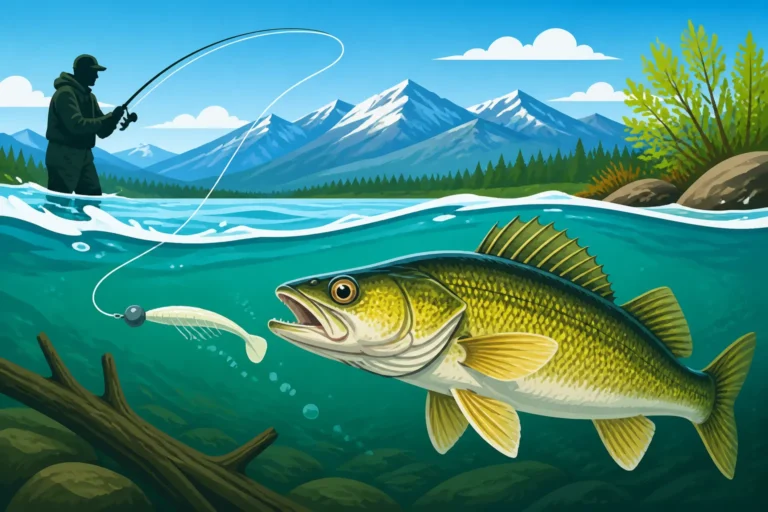
- Through the Lips: This is perhaps the most common. Pass the hook point up through the bottom jaw and out the top jaw. This keeps the minnow lively and allows it to swim naturally.
- Through the Dorsal Fin: Hook the minnow just below the dorsal fin, being careful not to hit the spine. This can make the minnow swim in a more frantic, horizontal fashion, which can be very appealing. This method is often preferred when working the minnow slowly or keeping it suspended.
When to Use It:
The jig and minnow is fantastic for active jigging, pitching into cover, or slow-drifting. It excels when walleye are holding tight to structure like drop-offs, weed edges, or rocky points. It’s also superb for targeting specific depth ranges. If you're ice fishing, a small jig and minnow combo is incredibly effective for burbot through the ice and walleye too.
Tactics:
Cast your jig and minnow out, let it sink to the desired depth or bottom, and then work it back with a series of short hops, lifts, and pauses. The key is to let the minnow do most of the work during the pauses, allowing its natural movements to entice a bite. Watch your line carefully; many bites will feel like a light "tick" or simply added weight.
Slip Bobber and Minnow: A Versatile Approach
When walleye are suspended, wary, or holding over clean bottom, a slip bobber rig is hard to beat. This method allows for a very natural, subtle presentation.
How to Rig:
- Bobber Stop: Slide a bobber stop onto your main line first. This little piece of string or plastic is adjustable and dictates your fishing depth.
- Bead: Follow the bobber stop with a small bead. This prevents the bobber stop from slipping through your bobber.
- Slip Bobber: Thread your slip bobber onto the line.
- Weight: Tie on a small split shot or egg sinker (1/8 oz to 1/4 oz usually) about 12-24 inches above your hook. The weight should be just heavy enough to make your bobber stand up straight in the water.
- Hook: Tie on your desired hook (a No. 4 to No. 1 Octopus hook is perfect).
- Minnow: Hook your minnow lightly through the lips or just behind the dorsal fin.
When to Use It:
This rig shines when walleye are suspended at a specific depth, over weeds, or along vertical breaks. It’s also fantastic for fishing around submerged timber or rock piles, as you can adjust your depth to keep the minnow just above the snags. It's a great choice for bank fishing as well, allowing you to present bait far from shore. For targeting specific zones, understanding Alberta Zone-Specific Season Dates, Explained can help you maximize your success with this technique.
Tactics:
Cast your rig out and let it settle. The bobber stop will slide down, and your minnow will suspend at the set depth. Watch the bobber for any movement – a slight dip, a twitch, or if it suddenly goes under. This rig is particularly effective when fishing from a boat or kayak over deeper structure, allowing your minnow to swim naturally without constantly tending to your rod.
Bottom Bouncing and Lindy Rigging
These methods are powerhouses for covering water and fishing the bottom effectively, especially from a boat. They are designed to present your minnow right in the walleye's strike zone without snagging too often.
How to Rig (Bottom Bouncer):
- Mainline to Bouncer: Tie your main line directly to the eye of a bottom bouncer (often shaped like an L or a heavy wire arm with a lead weight). Weights vary from 1/2 oz to 2 oz depending on depth and speed.
- Leader: To the other end of the bottom bouncer, attach a leader of 3-6 feet (8-10 lb fluorocarbon is common) with a swivel.
- Hook: Tie your hook (No. 4 to No. 1 Octopus or circle hook) to the end of the leader.
- Minnow: Hook your minnow through both lips.
How to Rig (Lindy Rig – also known as a Sliding Sinker Rig):
- Sliding Sinker: Thread an egg sinker or walking sinker (1/4 oz to 3/4 oz) onto your main line.
- Swivel: Tie your main line to one eye of a small barrel swivel. The swivel stops the sinker from sliding down to the hook.
- Leader: To the other eye of the swivel, tie a fluorocarbon leader of 3-6 feet (8-10 lb) with your hook (No. 4 to No. 1 Octopus or circle hook).
- Minnow: Hook your minnow through both lips.
When to Use Them:
Both bottom bouncing and Lindy rigging are outstanding for slow trolling or drifting in a boat, especially over expansive flats, humps, or along contours where walleye might be scattered. They keep your bait close to the bottom where walleye often feed. The Lindy rig, with its free-sliding sinker, offers a more natural presentation, as the fish can pick up the bait without feeling the weight immediately, leading to fewer dropped bites. For specifics on Trolling Techniques for Alberta Lake Trout, some principles apply, but walleye typically prefer slower presentations near bottom.
Tactics:
For bottom bouncing, let enough line out so the bouncer occasionally ticks the bottom. Maintain a slow speed (0.5 to 1.5 mph) and let the minnow trail behind. For Lindy rigging, feel for the sinker hitting the bottom, then lift your rod slightly, letting the minnow swim freely behind. When you feel a bite, drop your rod tip, count to a few seconds, and then sweep to set the hook. This "drop-back" allows the walleye to fully mouth the bait before feeling resistance.
Here's a quick comparison of these popular rigging methods:
| Rigging Method | Best for… | Key Feature | Pros | Cons |
|---|---|---|---|---|
| Jig and Minnow | Active jigging, pitching to structure | Direct bait presentation | High sensitivity, excellent control, versatile for various depths | Can get snagged easily on rough bottom, less subtle than slip bobber |
| Slip Bobber and Minnow | Suspended walleye, over weeds, shy fish | Adjustable depth, natural drift | Very natural presentation, effective for wary fish, easy to spot bites | Limited to depths where bobber can be seen, can be affected by wind |
| Bottom Bouncer | Trolling/drifting flats & contours | Keeps bait near bottom, elevated | Covers large areas, reduces snags, consistent depth control | Requires boat/drift, less natural presentation than Lindy rig |
| Lindy Rig (Sliding Sinker) | Drifting, wary bottom-feeding walleye | Free-sliding sinker | Highly natural presentation, fish don't feel weight immediately | Requires careful attention to slack line, can tangle in current |
Mastering the Art of Fishing with Live Minnows
Rigging is one thing, but fishing with live minnows is a nuanced art. It requires patience, observation, and a willingness to adapt. The ultimate goal is to present your minnow in a way that is utterly irresistible to walleye.
Presentation is Everything: How to Entice a Strike
The way you present your live minnow is paramount. It’s not just about getting it in the water; it's about making it look like an easy, wounded meal.
- Slow and Steady: Walleye often prefer a slow, deliberate presentation. They're not always looking to chase down a fleeing meal, especially in colder water or after a cold front. Keep your retrieve or drift speed minimal, allowing the minnow to swim naturally.
- Work the Edges and Structure: Walleye are ambush predators. They'll often lurk on the edges of weed lines, rock piles, drop-offs, or submerged timber, waiting for baitfish to swim by. Focus your efforts on these transition zones. Use your fish finder to locate key structure and schools of baitfish, as described in Best Fish Finders for Alberta Lakes.
- Vary Your Depth: If you're not getting bites, don't be afraid to experiment with different depths. Walleye can suspend anywhere from just below the surface to right on the bottom. If you're using a slip bobber, adjust your stop. If jigging, let it sink longer or retrieve it higher in the water column.
- Give it Action (but not too much): While the minnow provides natural action, sometimes a gentle twitch of the rod tip can make it dart or struggle, triggering a strike. Don't overdo it; let the minnow's natural movements be the star.
The Bite and the Hookset: Timing is Crucial
Live minnow bites can be subtle, sometimes feeling like a light "tap," a spongy weight, or simply a cessation of line movement. It's rarely a violent strike like a pike hitting a spoon.
- Patience is a Virtue: Unlike artificial lures where you often set the hook immediately, with live minnows, you often need to give the walleye time to fully ingest the bait. When you feel a bite, resist the urge to set immediately.
- The "Count": A common technique is the "count." When you feel a bite, drop your rod tip slightly to give slack, then slowly count to three or five (or even ten in cold water). This allows the walleye to turn the minnow head-first and swallow it.
- The Sweep Set: After your count, don't jerk hard. Instead, make a firm, sweeping motion upwards or to the side, taking up any slack as you go. This provides enough pressure to drive the hook home without ripping the bait out of the fish's mouth. If you’re using circle hooks, a steady reel-in with pressure is often all that's needed – the hook sets itself.
- Watch Your Line: Pay close attention to your line, especially if you're fishing without a bobber. Any sudden twitch, movement to the side, or slight tightening can indicate a bite.
Troubleshooting Common Live Minnow Challenges
Even the most experienced anglers run into snags. Here are a few common problems and how to tackle them:
- Minnows Dying Too Quickly: This is almost always an oxygen or temperature issue. Ensure your bait bucket is aerated, not overcrowded, and the water temperature is cool and stable. Check out online retailers like Amazon for quality portable aerators and insulated bait buckets. If you're using tap water, let it sit overnight to dissipate chlorine or use a dechlorinator.
- Minnows Coming Off the Hook: You might be hooking them too aggressively, or the hook size is too large for the minnow. Try a lighter hook and ensure you're only piercing a small amount of flesh, usually through the lips or just beneath the dorsal fin, away from vital organs.
- Missed Bites / Fish Spitting the Bait: This often means you're setting the hook too early, or the hook is too large, preventing the fish from fully taking the minnow. Give the fish more time to mouth the bait before setting. You might also try switching to a smaller, sharper hook.
- Snags on the Bottom: If you're constantly snagging, adjust your weight. You might be using too heavy a sinker or your leader is too short, dragging the minnow directly into cover. Try a lighter weight, or a longer leader to keep the minnow swimming higher off the bottom. If fishing very snaggy areas, consider a weedless jig head.
- No Bites: If your minnows are lively but you're not getting bites, it's time to re-evaluate your location, depth, or presentation. Walleye move! Are you fishing where the baitfish are? Is the water temperature right for active feeding? Try moving to different depths or sections of the lake/river. Sometimes, a change in minnow size can also make a difference. Remember, walleye activity can be strongly influenced by factors like moon phase and weather patterns, as highlighted in guides like How barometric pressure affects Alberta walleye fishing.
Mastering the art of rigging and fishing with live minnows can dramatically improve your walleye catch rates, especially on those challenging days when artificials just aren't cutting it. It’s a technique that connects you to the natural instincts of both predator and prey, offering a deeply rewarding experience on the water.
Disclaimer
This article is for general informational purposes only and does not constitute professional advice. Laws, prices and regulations vary by location and change over time. Consult a qualified professional for guidance on your specific situation.