Best panfish jig colors for winter
Winter fishing for panfish in Alberta can be incredibly rewarding, but there's nothing more frustrating than drilling a hole, seeing fish on your sonar, and not getting a single bite. Often, the missing piece isn't your technique or location, but simply the wrong jig color for the conditions. This comprehensive guide will dive deep into the world of winter panfish jig colors, helping you select the perfect hue to tempt those finicky fish.
Understanding Winter Panfish Behavior and Color Perception
Panfish like yellow perch and crappie are active throughout Alberta's long winter, but their behavior and metabolism slow down considerably in the frigid water beneath the ice. This means they're often less aggressive, more discerning, and more reliant on visual cues that mimic their natural forage. Understanding how light penetrates the ice and water, and how fish perceive colors in these conditions, is crucial for selecting the right jig.
Why Color Matters Under the Ice
Below the ice, the underwater world is vastly different from open-water conditions. Snow cover on the ice can dramatically reduce light penetration, making the environment darker. Water clarity also plays a massive role. In clear lakes, fish can see further, while in stained or murky water, visibility is limited. Fish eyes are adapted to these conditions, but their perception of color can shift based on light availability and depth. Certain colors, like reds and oranges, become less visible or even disappear entirely at deeper depths or in low light, appearing as shades of grey or black. Conversely, greens and blues tend to hold their color longer in deeper water.
Think about it: when you're looking for groceries, you're drawn to vibrant packaging, right? Fish are similar. While they aren't reading labels, certain colors stand out or accurately mimic what they naturally eat, making a jig more appealing. An unnatural or poorly visible color might be completely ignored, even if it passes right by their nose. This keen sense is why anglers spend so much time debating the nuances of panfish jig colors for winter.
How Panfish Eyes Adapt to Low Light
Panfish, especially species like yellow perch common in Alberta lakes, have eyes adapted to varying light conditions, but they're not always seeing the world in full, vibrant color. Their eyes have both rods and cones, allowing for some color discrimination, particularly in brighter conditions or shallower water. However, as light diminishes under thick ice or in deeper water, their vision shifts towards rod-dominated perception, which is excellent for detecting movement and contrast, but less effective for distinguishing subtle color variations.
This adaptation means that while a bright chartreuse jig might pop in shallow, clear water, it could appear as a dull, indistinguishable blob in a dark, murky environment. This is why contrast often becomes as important as, if not more important than, the exact shade of color. A jig with distinct color patterns, or one that contrasts sharply with the water column, can be more effective than a uniformly colored jig in certain low-light situations. Understanding this helps you choose jigs that don't just have color, but effectively present it to the fish.
Top Jig Colors and When to Use Them for Alberta Panfish
When it comes to ice fishing for panfish in Alberta, there isn't one magic color that works every time. Instead, success often comes from having a diverse palette of jigs and knowing when to deploy each one. Let's break down some of the most effective colors and the conditions where they truly shine.
Natural Colors: Green, Brown, and Black
Natural colors are your bread and butter, especially when fish are finicky or in clearer waters. These hues mimic the forage panfish eat year-round, from aquatic insects to small crustaceans and baitfish.
- Greens: Think olive, moss, and darker greens. These are fantastic in clearer water conditions where fish might be more wary. They imitate small invertebrates, larvae, and even tiny baitfish that have a green tint. If you're fishing a lake known for clear water or targeting a species like Yellow Perch in Alberta Lakes that feed on zooplankton, a green jig can be incredibly effective. Consider using a jig with a green body and a subtle flash, or tipping it with a maggot for added appeal. On a calm, sunny day with moderate snow cover, greens can be a subtle yet enticing choice.
- Browns: Earthy tones, from tan to dark chocolate brown, are superb in slightly stained waters or when targeting bottom-dwelling panfish. They mimic a variety of insect nymphs, larvae, or even detritus where small organisms hide. Browns are often overlooked but can be highly productive, especially on overcast days or in lakes with a silty bottom. A small brown jig tipped with a wax worm can be deadly when the fish are hugging the bottom and not responding to more aggressive presentations.
- Black: Black jigs, sometimes combined with a speck of flash or a contrasting bead, are phenomenal in very low-light conditions, such as deep water, heavily snow-covered ice, or exceptionally murky water. Black creates a strong silhouette, making it highly visible as a contrast against the lighter water column above. Fish might not perceive it as a specific color, but rather as a clear, distinct shape of a morsel. If you're fishing at dawn or dusk, or under a thick blanket of snow that blocks most sunlight, a black jig can often outperform brighter colors. It’s also a solid choice if you're experimenting and nothing else seems to work, as its high contrast can sometimes trigger a reactionary bite.
Bright & Flashy: Chartreuse, Orange, and Pink
Sometimes, you need to make a statement, especially when conditions are tough, or you want to attract fish from a distance. Bright and flashy colors excel at grabbing attention.
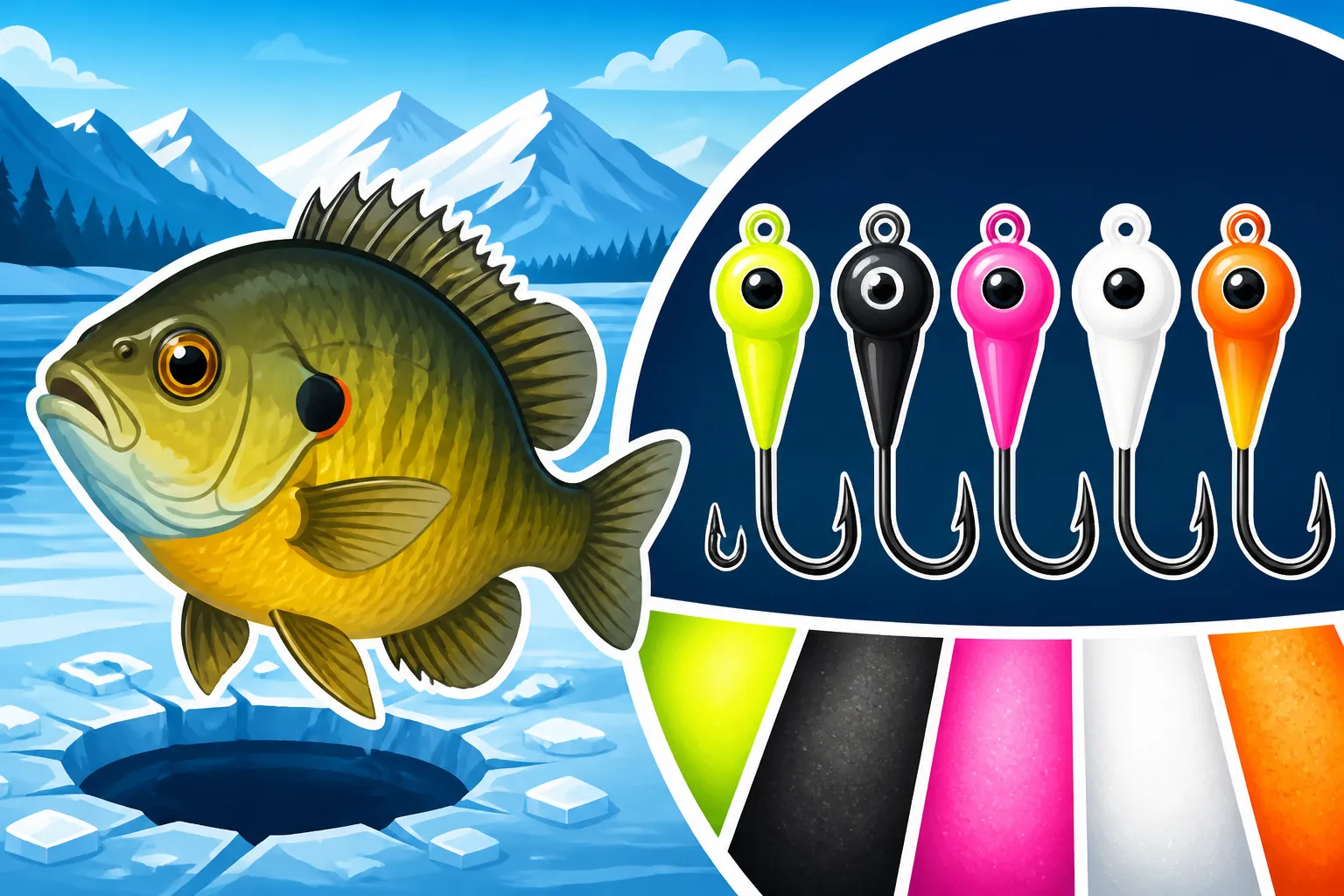
- Chartreuse: This vibrant yellow-green is a universal fish attractor, and for good reason. It stands out incredibly well in stained water, low light, and even deep water where other colors fade. The brightness of chartreuse makes it highly visible, acting as a beacon to curious panfish. It's often my go-to "search bait" color when I'm trying to locate active schools. On a lake with moderate clarity and an overcast sky, a small chartreuse jig can pull fish in from several feet away. You can find a huge variety of these types of jigs on platforms like Amazon, making it easy to stock up. It works brilliantly for Best Techniques for Perch Through the Ice.
- Orange: Oranges, from bright pumpkin to fiery glow orange, are excellent choices, especially around sunrise or sunset, or in waters with a slight tannin stain. Orange is still quite visible in low light and can be perceived differently by fish than a plain yellow or red. It can mimic small crawfish or certain aquatic insects. A small orange jig with a glow feature can be particularly effective during those twilight hours when panfish are often at their most active.
- Pink: Pink, especially hot pink or bubblegum pink, is another surprisingly effective color, particularly for crappie but also for perch. It's a high-contrast color that can stand out well in a variety of water conditions. Many anglers swear by pink in clear to moderately stained water, especially on bright, sunny days when it can really "pop." Some speculate it might mimic certain invertebrates or even represent a wounded baitfish. If you're struggling to get bites, don't be afraid to tie on a small pink jig; it might just be the unusual presentation they're looking for.
Glow-in-the-Dark Colors
Glow jigs are not a specific color in the visible spectrum, but rather a feature that enhances visibility, especially in the darkest conditions. They absorb light and then slowly emit it, creating an irresistible visual cue.
- When to Use Glow: Glow jigs are almost universally effective, but they truly shine in deep water, under thick snow cover, or during low-light periods like early morning, late evening, or even night fishing. The glowing effect attracts fish from a greater distance and gives them a clear target in otherwise dim conditions. Many glow jigs come in combinations of chartreuse, orange, or white, amplifying their attracting power. Make sure to "charge" them regularly with a bright flashlight or a UV light to keep them glowing intensely. When ice fishing panfish, having a selection of glow jigs is non-negotiable.
Variegated and Multi-Color Jigs
Don't overlook jigs that combine two or more colors. Often, the contrast between colors on a single jig can be the ultimate trigger. For example, a black and white jig provides excellent contrast, while a chartreuse and orange jig offers both high visibility and a unique visual appeal. These multi-color patterns can be especially effective when fish are pressured and have seen a lot of single-color offerings.
| Jig Color | Ideal Water Clarity | Ideal Light Conditions | Target Panfish Behavior | Notes |
|---|---|---|---|---|
| Green | Clear to Light Stain | Moderate to Bright | Neutral, Foraging | Mimics insects/larvae. Subtle and natural. |
| Brown | Stained to Murky | Overcast, Low | Bottom-Oriented | Mimics benthic forage. Often overlooked. |
| Black | Very Murky, Deep | Very Low, Night | Curious, Contrast-Seeker | Strong silhouette, high contrast. |
| Chartreuse | Moderate to Stained | Any, especially Low | Aggressive, Attracted | High visibility, beacon effect. Great search bait. |
| Orange | Slight Stain, Moderate | Sunrise/Sunset, Low | Active, Opportunistic | Stands out, unique appeal. |
| Pink | Clear to Moderate | Bright to Moderate | Finicky, Reactionary | Uncommon, can trigger bites on tough days. |
| Glow | Any, especially Deep | Very Low, Dark | Attracted from Distance | Must be charged. Excellent for deep or dark water. |
Factors Influencing Jig Color Choice Beyond Color Itself
Choosing the right panfish jig color is more than just picking your favorite shade. Several environmental and behavioral factors constantly influence how fish perceive and react to your presentation. Ignoring these can lead to a long, fishless day on the ice.
Water Clarity and Depth
Water clarity is arguably one of the most significant factors in determining effective jig colors. In gin-clear waters, fish have excellent visibility, meaning they can scrutinize your offering from a distance. Here, natural, subtle colors like greens, browns, and muted whites tend to excel because they mimic natural forage without alarming cautious fish. If you're fishing a crystal-clear lake like those in Kananaskis Country, a less aggressive color choice is often best.
Conversely, in stained or murky waters, like some prairie lakes that might hold good populations of Yellow Perch in Alberta Lakes, visibility is limited. Here, brighter, high-contrast colors such as chartreuse, fluorescent orange, or even pure white become critical. These colors create a strong visual presence that fish can detect even in low visibility, drawing them in closer. The deeper you fish, the more light is filtered out, which means colors like red fade to black or grey. In deeper water, chartreuse, glow-in-the-dark, and even solid black jigs maintain their effectiveness by providing contrast or emitting light.
Light Conditions and Time of Day
The amount of ambient light penetrating the ice and water column changes throughout the day and with weather conditions, directly impacting color visibility.
- Bright Sunny Days: On a bright, sunny day with clear ice and minimal snow cover, light penetrates well. This means most colors are visible. However, fish might be more sensitive to overly bright or unnatural hues. Sometimes, a more subdued, natural color works best, or something with a subtle flash. On these days, consider using a jig that accurately imitates baitfish or invertebrates in terms of color.
- Overcast Days / Heavy Snow Cover: These conditions drastically reduce light penetration, creating a darker underwater world. This is when bright colors like chartreuse, orange, and especially glow jigs truly shine. They offer the necessary visibility to attract fish that are otherwise harder to see. Don't forget that black, by creating a stark silhouette, also performs well in low light.
- Dawn and Dusk (Low Light Periods): These transition times often bring increased panfish activity. As light levels are low, glow jigs are a prime choice. Chartreuse and orange can also be very effective, as their inherent brightness helps them stand out during these periods. Even black, due to its high contrast, can be a killer choice during these low-light feeding windows.
- Night Fishing: If allowed and you're out past dark, glow jigs are your absolute best bet. Charge them frequently to maintain their luminosity, drawing fish from the absolute darkness. While not strictly a panfish species, if you were to target something like burbot, which are very active at night, glow jigs are essential for Jigging for Burbot Through the Ice.
Mimicking Natural Forage
Fish, even in winter, are programmed to eat what's available and what looks natural. Pay attention to what the panfish in your chosen Alberta lake are likely feeding on. Are there small minnows? Are they keying in on aquatic insects and larvae?
- Insect/Larvae Imitations: Many panfish, especially yellow perch, feast on a variety of insect larvae, nymphs, and zooplankton. Colors like olive green, brown, tan, and even grey or subtle black jigs often mimic these natural food sources. Tipping these jigs with a maggot, wax worm, or a small piece of live bait enhances their natural appeal and can make all the difference, especially on finicky days.
- Baitfish Imitations: If panfish are targeting small baitfish, then jigs in silver, white, pearl, or even a blue/silver combination can be effective. These colors, especially with some flash, imitate the shimmer of a small minnow. The size of your jig here also becomes crucial to match the hatch. This is part of getting your Best Ice Fishing Gear for Alberta dialled in.
Beyond Color: Other Jig Considerations for Winter Panfish
While jig color is a critical piece of the puzzle, it's just one component of a successful winter panfish strategy. To truly maximize your chances, you need to consider the full picture, from the jig's physical properties to how you present it.
Size and Shape of the Jig
The size and profile of your jig are just as important as color, especially for lethargic winter panfish. Smaller jigs are generally more effective because they mimic the smaller, slower-moving prey available in cold water and are less intimidating to a fish with a reduced appetite.
- Size: For most Alberta panfish, jigs in the 1/32 to 1/16 ounce range are excellent starting points. On tougher days or for smaller fish, going down to 1/64 ounce can be a game-changer. For larger perch, you might go up to 1/8 ounce. The general rule is: smaller presentations for colder water and less active fish. If you're wondering Best jig weight for perch through the ice, it really depends on the species and depth you're targeting.
- Shape: Jigs come in various shapes – teardrops, horizontal jigs, vertical jigs, small spoons, and tungsten ice jigs. Tungsten jigs are particularly popular because their high density allows them to be smaller yet heavier than lead, giving you a faster fall rate and better feel in deep water, without spooking fish with a bulky profile. Shapes that imitate small aquatic insects, minnows, or even just a falling pellet can be highly effective. Some jigs are designed to hang horizontally, others vertically, which affects their action in the water. Experiment with both to see what the fish prefer on a given day.
Tipping Your Jig with Live Bait or Soft Plastics
Tipping your jig is almost always a good idea when ice fishing for panfish. It adds scent, taste, and extra visual appeal that can seal the deal, especially for tentative bites.
- Live Bait: Maggots (spike worms), wax worms, and small pieces of real minnow are prime choices. A tiny piece of live bait adds natural movement and a powerful scent trail that can draw fish in and encourage them to commit. Even a single maggot on a small jig can be irresistible. This is particularly true when fish are being finicky or on highly pressured lakes.
- Soft Plastics: Tiny soft plastic tails, grubs, or larvae imitations can also be incredibly effective, especially if you prefer not to deal with live bait. These typically come scented, further enhancing their appeal. The key is to keep them small – often no more than an inch or two in length. They offer fantastic durability and can be rigged to provide subtle actions with minimal jigging. Many anglers purchase a variety of these from online retailers like Amazon to have a wide selection.
Presentation and Retrieve
Even the best-colored and perfectly sized jig won't catch fish if you don't present it correctly. Winter panfish often prefer a much more subtle and slower retrieve than their open-water counterparts.
- Subtle Jigging: Think small twitches, lifts, and pauses. Panfish in cold water have slower metabolisms and are less likely to chase down an erratically moving lure. A slow, methodical lift-and-drop, followed by a long pause, often triggers a strike. Sometimes, simply holding the jig perfectly still for an extended period is what it takes.
- Bottom Pounding: For perch and other bottom-oriented panfish, occasionally "pounding" your jig on the lake bed can stir up sediment and imitate a feeding fish, attracting attention. After a few taps, lift it slightly and pause.
- Hovering and Deadsticking: Many anglers will set up a second rod, if allowed, for "deadsticking" – leaving a jig or a baited hook perfectly still a few inches off the bottom. This can be incredibly effective when fish are extremely inactive. Pair this with your actively jigged rod to cover different presentations. Learning when Best time to fish for perch in winter means experimenting with retrieve speeds and presentations.
- Fish Finder Use: A good fish finder is invaluable for identifying suspended fish, checking depth, and observing how fish react to your jig. You can adjust your jigging action or color based on whether fish are approaching, ignoring, or shying away from your lure. This is a critical piece of Best Ice Fishing Gear for Alberta.
By combining thoughtful color selection with appropriate jig size, bait tipping, and a sensitive, subtle retrieve, you'll be well on your way to a successful day catching panfish on Alberta's frozen lakes. Remember to always check current regulations, including those on How thick ice needs to be to fish safely in Alberta and bag limits.
Disclaimer
This article is for general informational purposes only and does not constitute professional advice. Laws, prices and regulations vary by location and change over time. Consult a qualified professional for guidance on your specific situation.