Best Techniques for Whitefish on Fly
It’s a unique frustration, isn't it? You're out on a pristine Alberta river, perhaps even the legendary Bow, and while the trout might be putting on a show, those often-overlooked whitefish can be incredibly selective, driving anglers mad with their subtle takes and elusive nature. This guide is dedicated to unlocking the secrets of fly fishing for Rocky Mountain and Lake Whitefish in Alberta, moving beyond the casual by-catch to intentionally target these fantastic, often underestimated, game fish.
Understanding Alberta Whitefish: Species, Habits, and Where They Live
Before you can even think about what fly to tie on, you need to understand the fish you’re after. Whitefish in Alberta are, in many ways, the unsung heroes of our aquatic ecosystems. They might not jump like a rainbow or fight with the brute force of a bull trout, but they offer a challenge all their own, especially on a fly rod. Their mouths are designed for bottom-feeding, which means understanding their diet and preferred habitat is paramount.
Rocky Mountain Whitefish vs. Lake Whitefish
Alberta is home to two primary species of whitefish that anglers encounter: the Rocky Mountain Whitefish and the Lake Whitefish. While they share a family name, their habits and preferred environments can differ significantly, impacting your fly fishing approach.
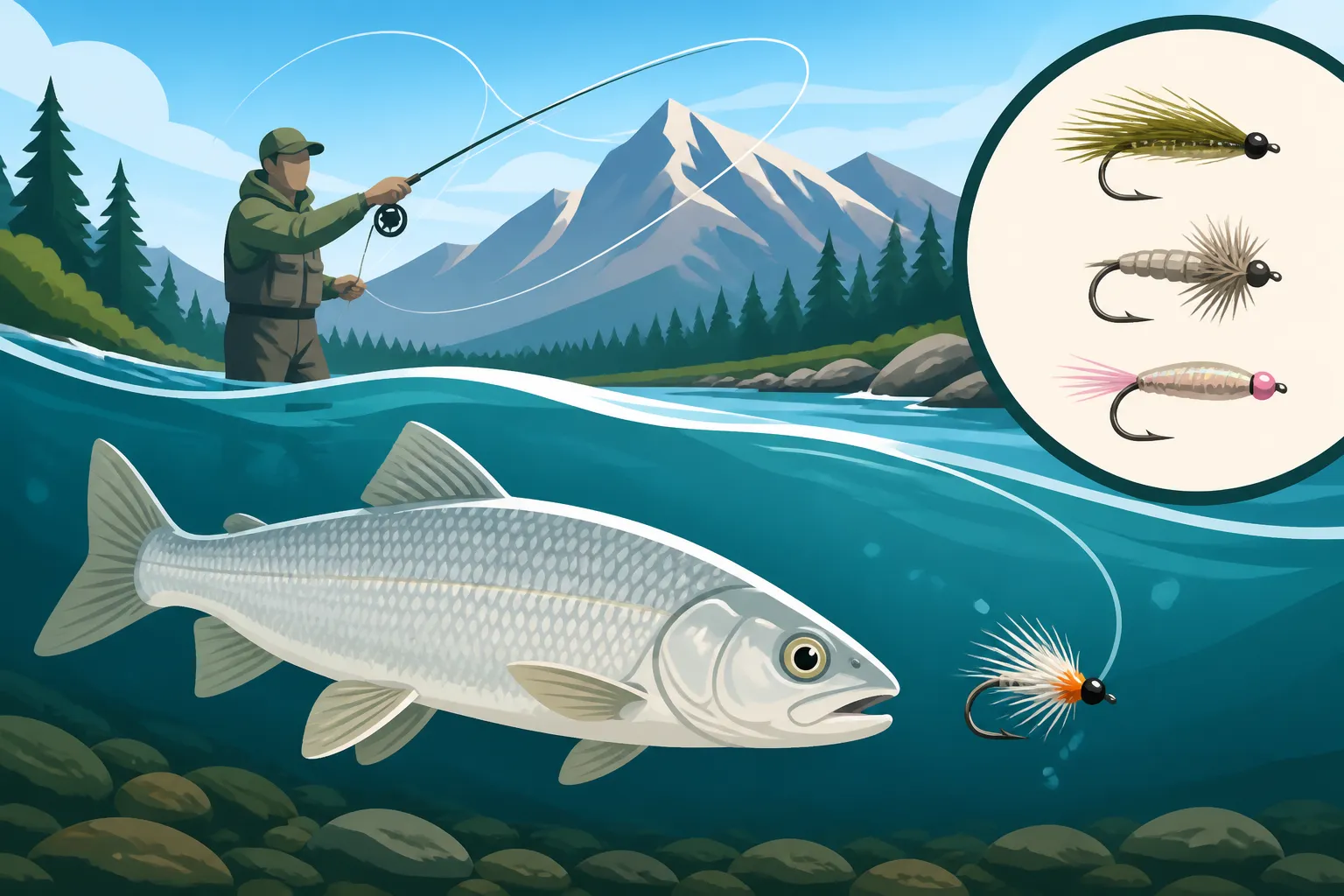
The Rocky Mountain Whitefish ( Prosopium williamsoni ) is truly a creature of flowing water. You'll find them predominantly in clear, cold, well-oxygenated rivers and larger streams, particularly in the foothills and mountain regions. Think about the Bow River, the Crowsnest, or the Oldman—these are prime Rocky Mountain Whitefish territories. They have a more slender, torpedo-like body, built for holding in current. Often, anglers mistake them for a different species because of their trout-like appearance, but a closer look at their small, subterminal mouth, usually yellowish or tan fins, and larger scales will reveal their true identity. They are incredibly sensitive to water quality and temperature, and you’ll rarely find them in murky or overly warm waters. Targeting them successfully often involves techniques familiar to trout anglers, but with a nuanced understanding of their specific feeding preferences and holding lies. These fish are a true delight on a light fly rod, offering spirited fights, especially in quick currents. To learn more about where these beauties thrive, check out our guide on Mountain Whitefish in Alberta Rivers.
Lake Whitefish ( Coregonus clupeaformis ), on the other hand, are residents of the deeper, cooler waters of Alberta’s larger lakes. Lesser Slave Lake, Cold Lake, and Lake Athabasca are classic examples where you'll find healthy populations. They tend to have a deeper body, more silvery sides, and a slightly larger head compared to their riverine cousins. While they can be found in shallower bays during certain times of the year, especially around spawning, they often retreat to cooler, deeper sections during the warmer months, making them a trickier target for fly anglers without a boat or specialized deep-water tactics. When they do come into shallower water, often in spring or fall, they can provide incredible fly fishing opportunities, especially when they are actively feeding on aquatic insects that hatch near shore. Understanding their seasonal movements is key to intercepting them with a fly. Our article on Lake Whitefish in Alberta Lakes provides even more detail on these fascinating fish.
Diet and Feeding Behavior
Whitefish, regardless of species, are primarily bottom feeders. Their small, downturned mouths are perfectly adapted for grubbing along the riverbed or lake bottom, sifting through gravel, rocks, and weeds for their next meal. Their diet is incredibly varied, encompassing a wide range of aquatic insects in their larval and pupal stages – things like caddis larvae, mayfly nymphs, stonefly nymphs, and midge larvae. They also consume crustaceans, small snails, and even tiny minnows or fish eggs, particularly during certain times of the year.
This feeding behavior is crucial for fly anglers. It means that drag-free drifts, presenting your fly near the bottom, and using patterns that accurately imitate their natural forage are far more effective than flashy, aggressive presentations. They are often opportunistic feeders, taking advantage of whatever is most abundant. For instance, if a major caddis hatch is underway, even if the adults are flying above, whitefish will often gorge on the ascending pupae or dislodged larvae on the bottom. Similarly, after a salmonid spawn, they'll often key in on loose eggs drifting downstream. Their keen eyesight in clear water makes them incredibly discerning, so your fly presentation needs to be impeccable. They will often "mouth" a fly rather than aggressively strike it, requiring a very sensitive touch to detect the subtle take.
Preferred Habitats and Spawning
Rocky Mountain Whitefish thrive in the same swift, cold, oxygenated waters that many trout species call home. Look for them in deeper pools, behind large boulders, in current seams, and along the edges of riffles. They often congregate in areas where the current provides a steady conveyor belt of food, but they're not always right in the heaviest flow. Instead, they prefer slightly softer water adjacent to faster currents, where they can expend less energy while waiting for food to drift by. During spawning, typically in the fall, they will move into shallower, gravelly riffles and runs, much like trout.
Lake Whitefish, conversely, favor deeper, cooler lake environments, often congregating near drop-offs, underwater humps, and shoals. However, during spring and fall, when water temperatures are more comfortable and insect activity is higher in shallower zones, they will move into these areas. This is often when they become most accessible to fly anglers from shore or small boats. They also undertake significant spawning migrations, often moving into shallower rocky areas or tributary mouths in late fall, which can present unique, albeit often short-lived, fly fishing opportunities. Understanding these habitat preferences and seasonal movements is key to finding whitefish with your fly rod. Consider exploring some of the Best Fishing Lakes in Alberta or Best Fishing Rivers in Alberta to put this knowledge into practice.
Essential Gear for Fly Fishing Alberta Whitefish
You might already have a decent fly fishing setup for trout, and that's a great start! However, targeting whitefish effectively, especially the finicky ones, often benefits from a few specific tweaks and considerations in your gear choices. Precision and sensitivity are often more important than sheer power when it comes to these subtle feeders.
Rod, Reel, and Line Setup
For Rocky Mountain Whitefish in rivers, a light to medium-light fly rod is ideal. A 3-weight or 4-weight rod, typically 8.5 to 9 feet long, offers the perfect balance of sensitivity to detect those subtle takes and enough backbone to handle a good-sized fish in current. This lighter rod also makes the fight much more enjoyable. For example, a Redington Classic Trout 4-weight from a reputable online retailer like Amazon would be an excellent choice for a dedicated whitefish rod. If you're using a heavier 5-weight or 6-weight trout rod, it will certainly work, but you might find it harder to feel the delicate mouthing of a whitefish.
For lake whitefish, particularly if you're trying to reach deeper fish from a boat or kayak, you might consider bumping up to a 5-weight or even a 6-weight with a faster action to handle longer casts or potentially heavier sinking lines. The reel should be a reliable disc-drag model, but honestly, whitefish aren't known for blistering runs that will test your drag system to its limits. Any quality trout reel will suffice.
The fly line choice is crucial. For river whitefish, a weight-forward floating line is almost always the way to go, as it allows for delicate presentations and mend-intensive nymphing. For leader and tippet, sensitivity is key. A longer leader (9-12 feet) tapering down to 4x or 5x fluorocarbon tippet is often best. Fluorocarbon's invisibility and faster sink rate are definite advantages when whitefish are feeding on the bottom. Many anglers find the added stretch of a monofilament leader beneficial for shock absorption when a large trout unexpectedly takes the fly, but for whitefish, fluorocarbon really shines. If you’re fishing very clear, calm water for exceptionally spooky lake whitefish, you might even consider dropping down to 6x tippet, but be prepared for more break-offs on unexpected larger fish. Consider reviewing our article on Best Fluorocarbon Line for Clear Water Trout for more insights on tippet selection.
Waders and Footwear
Fishing for river whitefish often means being in the water, wading carefully to get the best drifts and angles. Quality waders are non-negotiable for comfort and safety, especially in Alberta’s often frigid waters. Breathable chest waders are the standard, allowing you to stay dry and comfortable whether it's a cool spring morning or a warm summer afternoon. Brands like Simms or Orvis offer excellent durability and performance, though there are many great options available on Amazon.
Your wading boots are equally important. Felt soles provide excellent grip on slick, algae-covered rocks, but many jurisdictions now restrict or ban felt due to concerns about invasive species transfer. Rubber-soled boots with aggressive lug patterns, sometimes paired with studded soles, offer a good alternative and are generally more versatile for walking on trails. Always ensure your boots fit well over your wader booties to prevent uncomfortable rubbing and allow for proper ankle support, which is critical for safety in fast-moving rivers. A sturdy wading staff is also a highly recommended accessory, providing extra stability and helping you probe depths before stepping into unfamiliar water. Our guide on Best Waders for Alberta Trout Rivers has more detailed recommendations.
Crucial Accessories
Beyond the basics, a few accessories can significantly enhance your whitefish fly fishing experience.
- Strike Indicators: These are absolutely essential for nymphing, which is often the most effective way to catch whitefish. Slip-on indicators, like those from Thingamabobber or Air-Lock, allow you to adjust your depth quickly and efficiently. Whitefish takes can be incredibly subtle, often just a slight hesitation or dip of the indicator, so a highly visible and sensitive indicator is key.
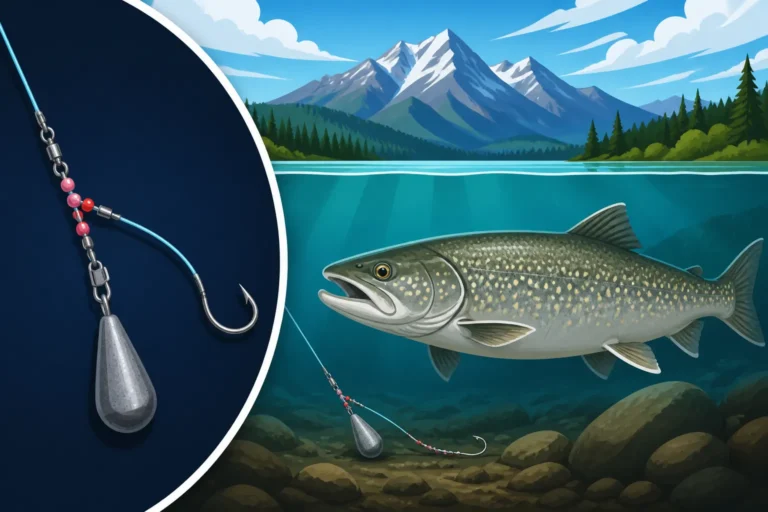
- Split Shot: Small amounts of split shot (non-toxic, of course) are often needed to get your flies down to the bottom where whitefish feed. Start with one or two small pieces and add more if you're not ticking the bottom occasionally. Remember to place it a foot or so above your top fly to keep your presentation natural.
- Forceps or Hemostats: Whitefish have small mouths, and flies can often be swallowed deeply. A good pair of forceps with a long, fine tip will help you safely remove hooks, minimizing stress on the fish.
- Net: A rubberized, knotless landing net is highly recommended for safely landing and releasing whitefish. It minimizes harm to their delicate scales and protective slime coat.
- Fly Box: A dedicated fly box for whitefish patterns will keep you organized. Look for slim, waterproof boxes with ample compartments for tiny nymphs and midge patterns. You’ll be surprised how many small flies you accumulate once you start intentionally targeting these fish.
- Polarized Sunglasses: These are vital for seeing subtle takes, spotting fish in clear water, and protecting your eyes from errant casts. They cut glare, allowing you to see into the water much more effectively.
Top Fly Patterns and Presentations for Whitefish
When it comes to fly selection for whitefish, think small, subtle, and buggy. Their diet, as we discussed, is dominated by small aquatic insects, and your fly box should reflect that. The presentation is often as important, if not more important, than the exact pattern itself.
Nymphing Techniques and Patterns
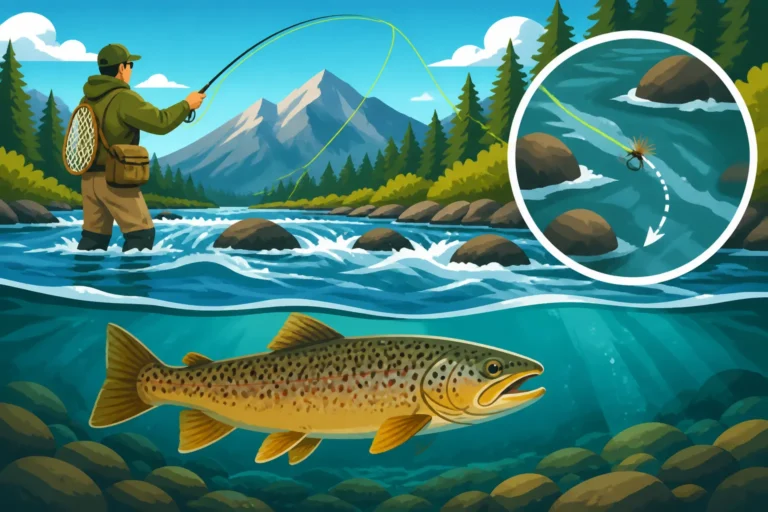
Nymphing is, without a doubt, the most consistently effective technique for fly fishing whitefish in Alberta. Because they feed predominantly on the bottom, presenting a nymph in their feeding zone with a drag-free drift is paramount.
Techniques:
- Indicator Nymphing: This is the most common and often easiest method, especially for beginners. You'll set up a strike indicator on your leader, typically with one or two nymphs suspended below it. The key is to adjust the depth so your flies are drifting just above or lightly ticking the riverbed. Whitefish takes will often be a slight twitch, hesitation, or dip of the indicator, requiring a quick, decisive hook set. Practice makes perfect in distinguishing between a subtle take and your flies bumping the bottom.
- Tight-Line Nymphing (Euro Nymphing): For more experienced anglers, tight-line nymphing, often without an indicator, offers even greater sensitivity. By keeping a tight line directly to your flies, you feel every bump and take. This method is incredibly effective in complex currents and deeper runs where indicator control can be challenging. It allows for extremely precise depth control and detection of the lightest bites.
Patterns:
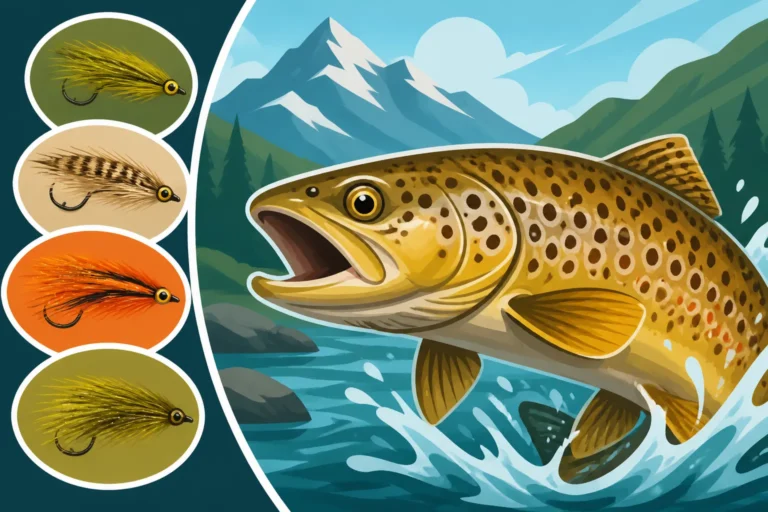
- Midges: These are critical. Whitefish love midges. Sizes 18-24 in black, olive, or red, tied as zebra midges, bloodworms, or simple larva patterns, are absolute killers. Often, whitefish will ignore larger fare in favor of these tiny morsels.
- Small Pheasant Tail Nymphs: A classic for a reason. Sizes 16-20, lightly weighted, in natural colors. These imitate a huge range of mayfly nymphs.
- Hare's Ear Nymphs: Another versatile pattern in sizes 14-18. The buggy profile is very appealing.
- Caddis Larvae/Pupae: Green Rock Worms, LaFontaine's Sparkle Pupa, or simply a tan or olive caddis larva imitation in sizes 14-18. When caddis are active, these are irresistible.
- Scuds: Sizes 16-20 in olive, tan, or grey. Especially effective in slower moving water or around weed beds in lakes.
- Small Stonefly Nymphs: While whitefish will eat larger stoneflies, smaller patterns (size 12-16) in black or brown are more consistently effective, especially in faster, rockier runs.
The most successful nymphing often involves a multi-fly rig (where regulations allow), with a heavier "point" fly to get down and a smaller, more imitative "dropper" fly behind it. For more detailed insights into nymph patterns, you might find our article on Fly Patterns for the Bow River helpful, as many of those patterns are also effective for whitefish.
Streamer and Wet Fly Strategies
While nymphing dominates, there are specific situations where streamers and wet flies can be surprisingly effective for whitefish. These methods generally aim to imitate slightly larger food sources or dislodged insects, making them a good change of pace or a choice for more aggressive fish.
Wet Flies: These are fantastic for imitating emerging insects or drown duns. Fishing a team of two or three wet flies swung across and down current can cover a lot of water and tempt whitefish that are looking up just a bit or feeding on insects rising through the water column. Classic patterns like the Leadwing Coachman, Soft Hackle Pheasant Tail, or a small Hare’s Ear wet fly in sizes 14-18 can be very productive. The key is to allow them to swing naturally with the current, often causing a subtle “tick” on the line as a whitefish grabs it. This can be particularly effective in softer seams and the tails of pools.
Streamers: Don't rule out streamers entirely, especially for larger lake whitefish or Rocky Mountain Whitefish that might be keying in on small baitfish or salmonid eggs. Small, sparsely tied streamers in olive, black, or white, imitating small sculpins, dace, or even a leeches, can work. Consider patterns like a small Woolly Bugger (sizes 10-14), especially in black or olive, or a tiny Zonker. The retrieve should be slow and deliberate, often with short strips and pauses, mimicking a wounded baitfish or an invertebrate trying to escape. This is usually more of a search pattern or a method for targeting more aggressive, larger whitefish. It can also be very effective when fishing deep drop-offs in lakes, where whitefish might be ambushing bait.
Dry Fly Opportunities
Dry fly fishing for whitefish might sound like a unicorn, but it absolutely happens! While less common than nymphing, there are definite windows when whitefish will rise to the surface, especially during prolific hatches. This is often the most exciting and rewarding way to catch them.
- When to Look: The best times for dry fly whitefish are during strong, consistent hatches of small to medium-sized insects. This could be a blanket hatch of midges, small caddis, or even mayflies (like Blue Winged Olives, or BWO). You'll typically see subtle dimples or sips on the surface, rather than the splashy rises of a trout. Pay close attention to these small disturbances, especially in slower, calmer runs or back eddies.
- Patterns: Keep your dry flies on the smaller side. Parachute Adams (sizes 16-20), Griffith's Gnat (sizes 18-24), Elk Hair Caddis (sizes 16-20), or tiny BWO imitations are all excellent choices. For truly challenging fish, a CDC Midge Adult can be incredibly effective due to its natural appearance and delicate footprint.
- Presentation: A drag-free drift is critical, just as with nymphing. Whitefish are very sensitive to drag and will refuse a fly presented unnaturally. Use a long, fine leader and tippet, and focus on delicate casts that land softly. Often, if you see a subtle rise, cast a few feet upstream of it and let your fly drift naturally into the feeding lane. Remember, whitefish have excellent eyesight in clear water, so a perfect presentation often trumps the exact pattern.
While dry fly opportunities might be fleeting, they are a fantastic bonus when they occur. Always keep a few small dry flies handy, just in case.
Reading the Water and Locating Whitefish Hotspots
One of the biggest challenges in fly fishing, for any species, is learning to read the water. Whitefish are no exception. Knowing where they should be holding is half the battle. Their preference for consistent food delivery and moderate current in rivers, or cool, structured water in lakes, gives us clues.
Identifying Holding Water
In rivers, whitefish love structure and current breaks. Think about the same places you'd expect to find trout, but often in slightly slower, deeper zones adjacent to the main current.
- Behind Boulders and Obstructions: Large rocks, submerged logs, or other current-breaking features create pockets of slower water where food accumulates. Whitefish will sit in these calm zones, darting out into the current to intercept nymphs or larvae. Cast your nymphs upstream of these features and let them drift right into the slack water.
- Seams and Edges: The visible lines where fast current meets slower water are prime feeding lanes. Whitefish will often hold along the slower edge of these seams, waiting for food to be swept by. Pay particular attention to seams created by changes in riverbed depth, submerged shelves, or alongside deep banks.
- Tailouts of Pools: As a deeper pool transitions into a shallower, faster riffle, the water often slows and funnels. This "tailout" area is a classic feeding zone for whitefish, as nymphs and other food items are concentrated and swept towards the shallower water.
- Deep Riffles and Runs: Don't overlook faster, deeper riffles. While whitefish prefer slightly less aggressive current than some trout, they will inhabit the deeper pockets within these areas where the current is still strong enough to deliver food. Your nymphs will need enough weight to get down quickly in these spots.
- Eddies and Backwaters: Slower, swirling water on the inside bends or behind significant obstructions can hold whitefish, especially during hatches when they might be looking up for emerging insects or duns.
In lakes, identifying whitefish holding water depends heavily on the season and time of day. In spring and fall, they'll often be shallower, congregating around points, shoals, and weed edges where aquatic insects are abundant. During the heat of summer, they retreat to deeper, cooler water, often near drop-offs, underwater humps, or thermal clines. Using a fish finder from a boat can be incredibly helpful in locating these deeper structures and schools of whitefish.
Approaching the Fish
Whitefish, especially in clear water, can be incredibly spooky. Their keen eyesight means that a stealthy approach is vital.
- Stay Low and Keep Your Shadow Off the Water: Just like with trout, approaching a promising run from a downstream, low-angle position will help you stay out of their line of sight. Avoid casting a shadow over the water you intend to fish.
- Wade Carefully and Slowly: Heavy footsteps or clumsy wading can send vibrations through the water, alarming fish. Move deliberately and test the bottom with your wading staff before taking a step.
- Long Casts When Necessary: While sometimes you can get close, if the water is very clear or the fish are particularly skittish, longer casts will be necessary to present your fly without spooking them. Practice your casting to deliver flies accurately at a distance.
- Don't Overlook Adjacent Water: Often, anglers focus only on the prime lies. Whitefish can be found in less obvious spots, so make sure to fan-cast and explore all depths and current speeds in a likely area before moving on. You never know where a concentration of feeding fish might be.
Casting and Presentation
A perfect drift is the holy grail of whitefish fly fishing. Whitefish are notorious for refusing any fly that exhibits unnatural drag.
- Drag-Free Drift: This is paramount for nymphing and dry fly fishing. Mending your line to eliminate drag and allow your fly to drift at the same speed as the current is critical. Practice upstream, downstream, and aerial mends to maintain that perfect drift as your fly moves through the feeding zone. For nymphs, this means letting your indicator drift naturally, without skating or stopping.
- Depth Control: For nymphing, getting your flies to the correct depth is crucial. Too shallow, and they'll never see your fly; too deep, and you'll be constantly snagging. Adjust your indicator and split shot as needed until you're occasionally ticking the bottom. In rivers, this might mean adjusting for every new run or even within a single long drift.
- Subtle Takes: Whitefish bites are often incredibly subtle. Sometimes it's just a slight pause in the indicator's drift, a gentle twitch, or your line tightening momentarily. It often takes a lot of practice to distinguish these from bottom bumps. The general rule: if in doubt, set the hook! You'll miss a few bottom bumps, but you'll also connect with a lot more fish.
- Practice Short, Accurate Casts: While long casts can be necessary, often the most productive whitefish water is relatively close. Master short, accurate roll casts and reach casts that allow you to present your fly precisely into feeding lanes with minimal disturbance.
Seasonal Considerations for Fly Fishing Whitefish
Alberta's seasons dictate not only where fish are but also what they're eating. Being aware of these changes will significantly increase your chances of success. Our detailed guide on Alberta Fishing Seasons by Zone and Month can offer broader context.
Spring and Early Summer Tactics
As ice leaves the lakes and rivers swell with runoff, spring presents unique opportunities and challenges for whitefish fly fishing.
- Rising Water Temperatures: In early spring, as lake and river temperatures begin to rise from their winter lows, whitefish become more active and start feeding more aggressively. This can be a prime time, especially for lake whitefish, as they often move into shallower areas, congregating near tributary mouths or along sun-warmed shores where aquatic insect activity first picks up.
- Runoff Conditions: For river whitefish, early spring often means high, turbid water from snowmelt. This can make fly fishing difficult, as the fish might be pushed to the edges or into slower, clearer backwaters. However, as the runoff subsides and the water begins to clear, the fishing can be excellent. Focus on seams, eddies, and the slower edges of currents where fish can find refuge from the main flow.
- Insect Activity: Mayfly and caddis hatches often begin in late spring. Keep an eye out for emerging insects and be prepared to switch to appropriate nymph patterns or even wet flies and dries if you see fish rising. Stonefly nymphs are also a critical food source in faster rivers during this time.
- Egg Patterns: In rivers where trout or other salmonids have spawned, egg patterns (like the Glo-Bug or Otter's Soft Milking Egg) can be incredibly effective for whitefish in late spring as they clean up any remaining eggs on the riverbed.
- Prime Time in Lakes: For lake whitefish, spring can be fantastic, especially from shore or a boat in shallower bays as they cruise for emerging insects and baitfish. A slow retrieve with a small streamer or a nymph suspended under an indicator can work wonders.
Late Summer and Fall Strategies
Late summer brings warmer water, and fall brings cooler temperatures and often the most consistent whitefish action. This is often the Best Time of Year to Fish in Alberta for many species, including whitefish.
- Late Summer: In rivers, water levels can drop and temperatures can rise. Whitefish will often seek cooler, deeper pools and riffles with good oxygenation. Nymphing with small patterns (especially midges and small mayfly nymphs) remains effective. Early morning and late evening can be the most productive times. In lakes, whitefish typically move to deeper, cooler water, making them harder to target without a boat and deep-water techniques.
- Fall Perfection: As autumn arrives and water temperatures drop, whitefish in both rivers and lakes become incredibly active. This is often peak whitefish season. They are aggressively feeding to put on weight for the upcoming winter and their own spawning season.
- River Whitefish: Look for them in virtually all the holding water previously discussed. Nymphing is still king, with a focus on larger nymphs (stoneflies, caddis pupae) as well as the ever-present midges. Small streamers can also be very effective.
- Lake Whitefish: Fall is a fantastic time for lake whitefish, as they move shallower, often in large schools, to feed and prepare for spawning (which typically occurs in late fall/early winter). This is when you can often find them cruising shoals, weed lines, and rocky points. Nymphs, wet flies, and small streamers retrieved slowly can be highly productive.
- Spawning Runs: In late fall, whitefish will make their spawning runs. While regulations often protect spawning fish, these aggregations can offer incredible, albeit short-lived, opportunities just before or after the peak of spawning, when they are feeding heavily. Always check current regulations for specific waters regarding spawning season closures or restrictions.
Winter and Ice-Out Insights
Alberta's winters are long, but whitefish are a cold-water species, remaining active under the ice. Once the ice breaks, new opportunities arise.
- Ice Fishing: Whitefish are a popular ice fishing target in Alberta. While this guide focuses on fly fishing, understanding their winter habits helps with ice-out strategies. They often suspend at various depths, feeding on zooplankton and small invertebrates. Small jigs (often tipped with bait) are the go-to, but tiny fly patterns, particularly midge larvae and pupae, can be jigged effectively through the ice.
- Ice-Out: The period immediately after ice-out, usually in April or May, can be feast or famine. Lake whitefish will often be very active, feeding heavily on anything available after a long winter under the ice. They'll be in shallower water, where the sun warms it first. Small nymphs and streamers retrieved very slowly can be productive. However, the weather can be volatile, making consistent fishing challenging.
- River Ice-Out: Rivers usually open up earlier than lakes. Whitefish will be holding in deeper, slower pools and runs, often near areas where wintering holes provided refuge. Focus on slow, deep nymphing presentations. Water temperatures will be very cold, so fish will be sluggish, and their takes will be even more subtle. A really slow, deep presentation is critical, almost dead-drifting your flies along the bottom.
Advanced Tips for Challenging Whitefish Encounters
Even with the right gear and knowledge, whitefish can be incredibly challenging. They're often referred to as "ghosts" for a reason. Here are some extra tips to help you seal the deal when they're being particularly difficult.
Dealing with Finicky Eaters
Sometimes, whitefish seem to inspect your fly and simply turn away. It's enough to make you pull your hair out!
- Size Matters More Than Pattern: Often, when whitefish are being picky, it's less about the exact fly pattern and more about the size. If they're refusing a size 18 nymph, try a size 20 or even 22. These tiny shifts can make all the difference, especially on technical rivers like the Bow. Keep a magnifying glass handy to inspect your flies for minute details.
- Tippet Stealth: Dropping down a tippet size (e.g., from 5x to 6x) can make your presentation more natural and less visible. The thinner diameter allows the fly to move more freely in the current and reduces the chance of the fish seeing the line. Just be aware that finer tippets break more easily, so a gentle hand is needed.
- Micro-Adjustments to Weight: The difference between a fly drifting just above the bottom and one dragging along it can be a single split shot. Constantly experiment with adding or removing tiny amounts of weight to achieve that perfect, tick-the-bottom-occasionally drift. Whitefish spend their lives looking down, so your fly needs to be in their window.
- Leader Length: A longer leader (10-12 feet) can help create a more natural drift and keep your fly further away from your floating line, which can sometimes spook wary fish, especially in clear, shallow water.
- Change Presentation, Not Just Fly: If changing flies isn't working, try changing your presentation. If you're indicator nymphing, try tight-line nymphing for more direct contact. If you're swinging wet flies, try a slower retrieve or a different swing arc. Sometimes a different angle or speed is all it takes to trigger a bite.
- Patience and Observation: Take a moment to simply watch the water. Are you seeing subtle rises? What kind of insects are flying around? Are fish feeding in a specific rhythm? Observing their behavior can give you critical clues. They might be keying in on a specific life stage of an insect you haven't considered.
Fighting and Landing Whitefish
While they might not be known for acrobatic jumps, whitefish offer a respectable fight on light tackle, especially in current.
- Gentle Hook Set: Since their mouths are small and often bony, a gentle, sweeping hook set is generally more effective than a hard trout set. You don't want to rip the tiny hook out of their mouth.
- Keep Constant Pressure: Whitefish have a tendency to "roll" or try to rub the hook out on the bottom. Keep constant, steady pressure to prevent this. Don't horse them, but maintain a tight line.
- Use the Current: In rivers, whitefish will often use the current to their advantage, especially larger ones. Let them run with the current when they want to, but keep pressure on them and try to steer them into softer water or towards the bank.
- Bring Them in Quickly and Carefully: Like all fish, whitefish tire, and prolonged fights, especially in warm water, can be stressful. Try to land them as quickly and efficiently as possible.
- Net Them Gently: Use a rubberized, knotless landing net. This minimizes damage to their protective slime coat and fins. Gently scoop them up, allowing them to remain in the water as much as possible.
- Handling with Care: If you plan to release them, handle them minimally and with wet hands. Avoid squeezing them, especially around their internal organs. Use forceps to quickly and gently remove the hook. If the hook is deeply swallowed, consider cutting the tippet as close to the hook as possible.
Ethical Angling Practices
As responsible anglers, practicing good stewardship is crucial, especially for native species and in catch-and-release waters. Many excellent whitefish rivers in Alberta, like parts of the Bow, are designated Alberta catch and release only trout streams which extends to whitefish as well.
- Catch and Release Best Practices:
- Minimize Air Exposure: Keep the fish in the water as much as possible. If you need a photo, get it quickly, hold the fish horizontally with both hands, and support its weight.
- Wet Hands: Always wet your hands before touching a fish to protect its slime coat.
- Barbless Hooks: Using barbless hooks makes hook removal easier and faster, reducing stress and injury to the fish. Some waters in Alberta mandate barbless hooks. Always check the regulations for the specific water body you are fishing.
- Revive Gently: If a fish is lethargic, hold it gently upright in the current (in a river) or move it slowly back and forth (in a lake) until it regains its strength and can swim away on its own.
- Dispose of Monofilament Responsibly: Fishing line is a serious pollutant and entanglement hazard for wildlife. Always pack out any broken line or trash.
- Know the Regulations: Always, always check the current Alberta Guide to Sportfishing Regulations before heading out. Regulations for whitefish can vary by water body and zone, including possession limits, season dates, and specific restrictions (e.g., bait bans, barbless hooks). What's legal on one river might not be on another. Understanding your Alberta Fishing Regulations Explained is your responsibility.
- Respect Private Property and Fellow Anglers: Be mindful of land access and always ask permission if you're unsure. Practice good etiquette on the water, giving other anglers plenty of space.
By understanding the unique behaviors of Alberta's whitefish, equipping yourself with the right tools, and approaching them with patience and ethical consideration, you’ll discover that these often-overlooked fish offer some of the most rewarding and challenging fly fishing experiences our province has to offer. Tight lines out there!
Disclaimer
The information provided in this guide is for general informational purposes only and is subject to change. Fishing regulations in Alberta are dynamic and anglers are responsible for knowing and adhering to the most current rules and regulations set forth by Alberta Environment and Protected Areas. Always consult the official Alberta Guide to Sportfishing Regulations before any fishing activity. Fishing involves inherent risks, and anglers should prioritize safety on and near the water.