How to Catch Burbot Through the Ice
There's nothing quite like the unique thrill of battling a burbot through the ice, especially when the winter winds howl and the stars gleam overhead. Many anglers find themselves scratching their heads when it comes to these elusive creatures, often struggling to consistently land them. But don't despair – chasing these "freshwater cod" is an incredibly rewarding experience, and with the right knowledge, gear, and techniques, you can turn those head-scratching nights into memorable catches. This comprehensive guide will unravel the mysteries of burbot ice fishing in Alberta, from understanding their peculiar habits to mastering the methods that bring them to your hole.
The Enigma of Alberta Burbot: Why Fish for "Freshwater Cod" Through the Ice?
Burbot. Just the name can elicit a mix of curiosity and confusion among anglers. Often referred to as "freshwater cod" due to their single, elongated dorsal fin and distinctive barbel on their chin, these fish are a true winter marvel. Unlike many other species that become sluggish under the ice, burbot thrive in the cold, becoming highly active during the chilliest months. They offer a unique challenge and a delicious reward, making them a prime target for dedicated ice anglers looking for something beyond the usual perch or pike.
Unveiling the Unique Burbot: Appearance and Biology
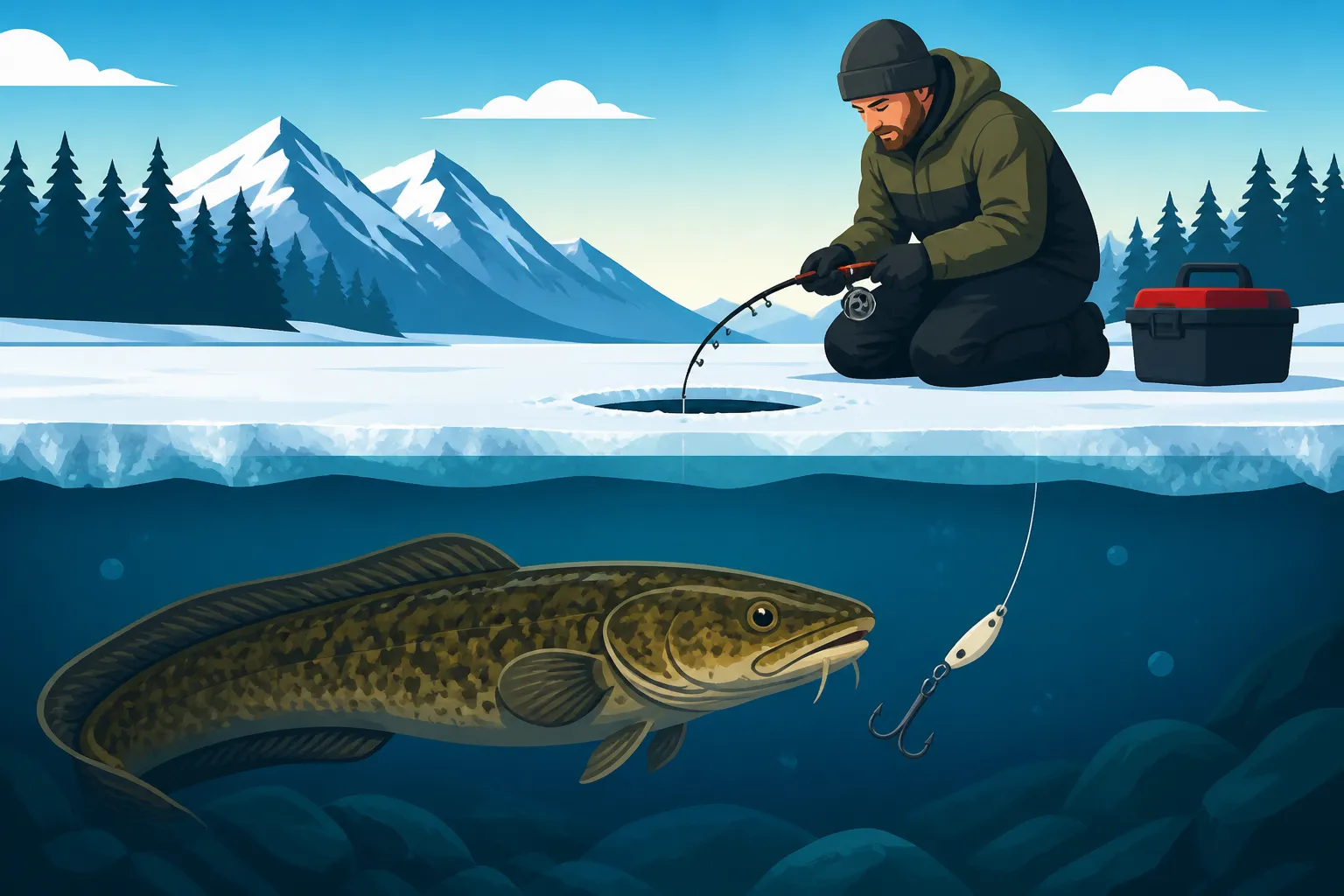
Let's be honest, burbot aren't winning any beauty contests. They possess a snake-like, mottled brown and olive body, a large mouth, and that single barbel (a sensory organ) under their chin, giving them an almost prehistoric look. They are the only freshwater member of the cod family, and this ancestry is evident in their firm, flaky white flesh that holds up beautifully to cooking, much like ocean cod. They are primarily nocturnal, using their excellent sense of smell and touch, aided by that barbel, to hunt in low light conditions. This explains why they become such an excellent target for night fishing during winter.
They are bottom dwellers, preferring cold, deep water in both lakes and rivers. In Alberta, you'll find them in many large, deep lakes and some major river systems. Their biology is perfectly adapted to these environments, allowing them to remain active when other fish are less so. Understanding their natural traits is the first step in successfully targeting them.
Understanding Burbot Behavior in Winter Depths
When the ice locks down Alberta's waters, burbot enter a prime feeding and spawning period. While other fish might seek out shallow, oxygenated areas, burbot tend to stick to the deeper sections of lakes, often near drop-offs, humps, or structural elements that provide ambush points. They are opportunistic predators, feasting on smaller fish like perch, whitefish, and even juvenile walleye, along with invertebrates like leeches and crustaceans. Their metabolism remains high in cold water, meaning they need to feed regularly, making them an excellent candidate for persistent anglers.
What's particularly fascinating is their spawning ritual, which often occurs under the ice, typically from late winter into early spring. During this time, they become even more concentrated in specific areas, often congregating in shallower, sometimes gravelly or sandy flats adjacent to deeper water. While targeting actively spawning fish is generally discouraged to protect the resource, understanding these movements can help you locate pre-spawn feeding grounds, where they'll be aggressively packing on calories.
The Thrill of the Night Bite: What Makes Burbot Special
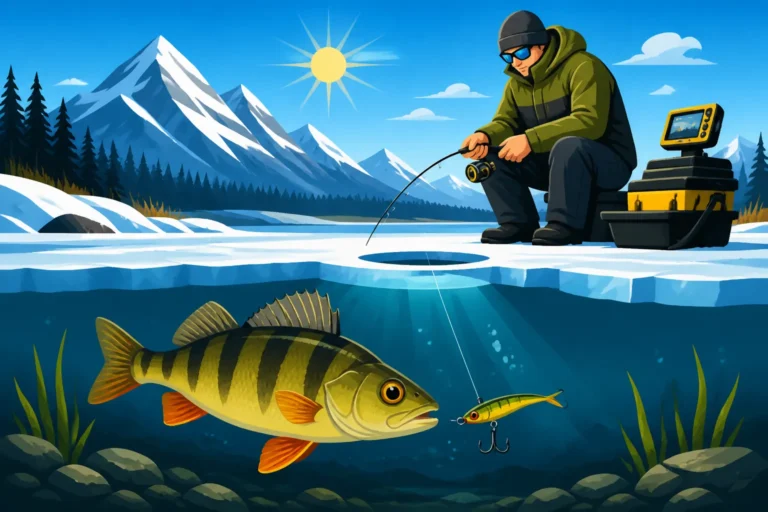
Few things compare to the distinct experience of ice fishing for burbot after dark. As the sun dips below the horizon and the lake transforms into a quiet, star-studded expanse, that's when the burbot really come alive. The solitude of night fishing, broken only by the crackle of your heater and the occasional shouts of success from a neighboring shack, adds an almost mystical quality to the pursuit. The bite itself can be incredibly subtle – a slight hesitation, a gentle tap, or sometimes just a sudden heaviness on the line. But when you hook into a solid burbot, their powerful, surging runs and headshakes are unmistakable.
Beyond the fight, the anticipation of reeling in a fish that's often thought of as mysterious and hard to catch adds to the excitement. And let's not forget the reward: bringing home a bounty of delicious, firm white fillets. This combination of challenge, unique nocturnal adventure, and culinary delight makes burbot a truly special species for ice anglers across Alberta, prompting many to brave the coldest nights for a chance at these "freshwater cod." This experience is a core part of what makes Ice Fishing in Alberta such an enthralling winter pastime.
Locating Your Lunkers: Finding Burbot Hotspots Under the Ice
Finding burbot isn't always about luck; it's about understanding their preferred haunts and how to effectively scout them out. These fish are creatures of habit, often gravitating towards specific underwater features that provide food, shelter, and suitable spawning grounds. Knowing where to start and how to interpret your electronics can drastically improve your success rate.
Top Alberta Lakes Known for Robust Burbot Populations
Alberta boasts several excellent lakes where burbot thrive, making them prime destinations for ice anglers. When considering where to drop your lines, think large, deep lakes with diverse underwater structures.
- Cold Lake: This massive, deep lake on the Alberta-Saskatchewan border is a renowned burbot hotspot. Its extensive deep basins, intricate drop-offs, and rocky structures provide ideal habitat. Anglers often target areas where these depths meet shallower shelves, especially after dark.
- Lesser Slave Lake: While famous for its walleye, Lesser Slave Lake also holds a significant burbot population. Look for them in the deeper sections, particularly where mud flats meet rocky transitions or underwater humps. The sheer size of this lake means there's plenty of water for burbot to roam.
- Pigeon Lake: A shallower lake compared to Cold Lake, Pigeon Lake still offers excellent burbot opportunities, particularly in its deeper holes and near weed lines that attract baitfish.
- Lake Athabasca: In the far north, this colossal lake is home to truly enormous burbot, though accessing its prime spots can be more challenging. Deep structure and river channels are key here.
- Lac La Biche: Another consistent producer, with burbot found in its deeper basins and near prominent underwater structures.
These are just a few examples, but many other lakes across the province, especially those with good depth and forage, can yield fantastic burbot fishing. Checking out a guide to the Best lakes for burbot in Alberta can provide even more detailed insights.
Reading the Ice: Identifying Promising Underwater Structures
Once you've picked a lake, the real work begins: identifying where to drill your holes. Burbot are structure-oriented fish, so you'll want to focus on areas that offer transitions in depth or bottom type.
- Deep Water Edges and Drop-offs: Burbot love to patrol the edges where deep water meets shallower flats or shelves. They use these transitions as ambush points. Look for areas where the depth changes rapidly from, say, 20 feet to 40 feet, or even deeper.
- Underwater Humps and Islands: Submerged islands or humps that rise off the main lake bottom are magnets for baitfish, and therefore, for burbot. Fish around the base and on top of these structures.
- Soft Bottoms with Hard Patches: While often associated with soft, muddy bottoms, burbot will cruise along these areas looking for food. However, they'll often hold near isolated rocky or gravelly patches on an otherwise soft bottom, as these can attract invertebrates and small fish.
- Points and Bays: Prominent points extending into the lake, or the mouths of larger bays, can concentrate baitfish and provide burbot with advantageous positions.
Utilizing a reliable mapping app on your phone or a dedicated GPS unit is invaluable for this scouting. Apps like Navionics or Lakemaster provide detailed contour maps that allow you to identify these underwater features long before you even step on the ice. They're like having X-ray vision for the lake bottom.
Strategizing Your Set-Up: Spacing Holes and Depth Considerations
Once you've identified a promising area, don't just drill one hole and call it a day. Burbot often move in schools or patrol specific routes, so spreading out your efforts can dramatically increase your chances.
- Fan Out Your Holes: If you're fishing with a group, fan out your holes in a grid pattern over a chosen structure. For instance, if you're targeting a deep drop-off, drill holes at varying depths along that contour – one at 30 feet, one at 40 feet, one at 50 feet, and so on. This helps you pinpoint the depth at which the fish are most active on a given day.
- Depth is Key: While burbot are deep-water fish, "deep" is relative to the lake you're on. On a deep lake like Cold Lake, 60-80 feet might be common. On a shallower lake like Pigeon Lake, 20-30 feet could be prime. Always start a bit shallower than the deepest basin and work your way deeper until you find them.
- Hole Spacing for Multiple Lines: Remember that in Alberta, you're often allowed to fish with up to two lines when ice fishing. If you're using two lines, space your holes far enough apart (10-20 feet) to cover a wider area, but close enough that you can easily monitor both. This often involves a "deadstick" setup in one hole while you actively jig in another, a technique we'll delve into shortly.
By strategically drilling holes and understanding the nuances of underwater structure, you'll be well on your way to intercepting those elusive burbot. A thoughtful approach to your fishing spot can make all the difference, transforming a slow night into an unforgettable one.
Arming for Success: Essential Gear for Burbot Ice Fishing
You wouldn't head into battle without the right armor, and ice fishing for burbot is no different. Having the correct gear not only makes your trip more comfortable but also significantly boosts your chances of success. From the rod in your hand to the shelter over your head, every piece plays a role in conquering the cold and landing those freshwater cod.
Rods, Reels, and Line: The Right Tools for the Job
Burbot can range from small, panfish-sized individuals to absolute monsters, so your tackle needs to be robust enough to handle anything that bites.
- Rods: Look for a medium-heavy to heavy power ice rod, typically 30-40 inches long. The longer length helps absorb the shock of powerful runs and gives you better leverage over bigger fish. A fast or extra-fast action tip is beneficial for detecting subtle bites, while the heavy backbone provides the necessary power for setting hooks and pulling fish from deep water. Many anglers prefer rods specifically designed for lake trout or heavier walleye fishing, as these often have the right balance of sensitivity and power.
- Reels: A sturdy spinning reel in the 2000-3000 size range is a solid choice. Ensure it has a smooth drag system, which is crucial for fighting larger burbot that might make sudden dives. The cold can be tough on reels, so opt for a model with good quality internal components that won't freeze up easily. Many reliable options are available on Amazon.
- Line: Braid is almost universally preferred for burbot ice fishing due to its lack of stretch, which provides excellent bite detection in deep water, and its superior strength-to-diameter ratio. A 15-20 lb test braided line is a good starting point. However, braid can absorb water and freeze, so many anglers opt for a fluorocarbon leader (10-15 lb test, 3-6 feet long) tied to the end of their braid using a Double Uni knot or Albright knot. Fluorocarbon is nearly invisible underwater and is more abrasion-resistant, which is helpful when fishing around rocky bottom.
Baits and Lures: What Really Gets a Burbot's Attention
Burbot are scent-driven predators, so your bait choice is paramount. While they'll hit artificial lures, the addition of natural bait is often the key to consistent success.
- Live/Dead Bait: The undisputed champion bait for burbot is fresh cut bait or whole dead bait. Cisco, smelt, sucker meat, and even perch strips are excellent choices. A whole dead minnow (like a shiner or smelt) fished just off the bottom on a plain hook or under a jig is deadly. If you're using cut bait, ensure it's fresh and oozes plenty of scent. Many anglers swear by salting their minnows or using commercially prepared frozen bait available at most tackle shops.
- Jigs: Heavy glow jigs are incredibly effective. Think spoons like a Northland Buck-Shot Rattle Spoon, a VMC Tingler Spoon, or a Clam Leech Flutter Spoon. Colors that glow brightly, like chartreuse, orange, or white, are highly visible in the dark depths. Tip these jigs with a generous piece of cut bait or a whole minnow, ensuring the bait is securely attached and trailing enticingly. The combination of glow, rattle (if applicable), and natural scent is irresistible to burbot. You can find a vast selection of these on Amazon.
- Plain Hooks: Sometimes, simplicity is best. A large single hook (size 1/0 to 4/0) baited with a substantial chunk of cut bait or a whole dead minnow, fished on a dropper rig or just a weighted line, can be incredibly effective, especially for a deadstick presentation.
| Bait/Lure Type | Description | Best Use | Key Advantage |
|---|---|---|---|
| Cut Bait | Strips or chunks of oily fish (cisco, smelt, sucker, perch) | Tipping glow jigs, deadsticking, maximizing scent | Strong scent trail, highly attractive |
| Whole Dead Minnow | Smelt, shiner, or sucker minnow | Deadsticking on a plain hook or under a heavy jig | Realistic profile, significant scent |
| Glow Spoons/Jigs | Heavy metal spoons or jigs with glow-in-the-dark paint, often with rattles | Active jigging, attracting fish from a distance, adding visual appeal | Visibility in deep/dark water, vibration/flash |
| Plain Hook | Large single hook, weighted, with bait | Deadsticking, passive presentations, very natural look | Simple, effective for subtle bites, natural drift |
Shelter, Heaters, and Electronics: Comfort and Efficiency on the Ice
Winter conditions in Alberta can be brutal, so comfort and safety are paramount.
- Ice Shelter: A good ice shelter is non-negotiable for burbot fishing, especially when targeting them at night. Whether it's a portable pop-up shack or a more permanent hub-style shelter, it provides protection from the wind and cold, making those long hours on the ice much more enjoyable. Look for one that's easy to set up and take down, and offers enough space for your gear and fellow anglers.
- Heaters: A portable propane heater is essential for keeping warm inside your shack. Always ensure proper ventilation to prevent carbon monoxide buildup. Companies like Mr. Heater offer excellent, safe options for ice shacks.
- Electronics (Fish Finder/Flasher): A quality fish finder or flasher is your eyes beneath the ice. It allows you to see your lure, monitor depth, and most importantly, detect incoming fish. Burbot often hug the bottom, but a good flasher will show you their subtle movements as they approach your bait. Features like zoom and target separation are incredibly useful in deep water. You can find fantastic Best Fish Finders for Alberta Lakes options on Amazon, which can significantly enhance your ability to locate and track fish.
- Lighting: Since you'll be fishing in the dark, reliable lighting is crucial. Headlamps for hands-free work, and a small lantern or LED light strip inside your shelter, are highly recommended.
- Auger: A powerful ice auger is a must. A gas or propane auger will cut through thick Alberta ice with ease, and battery-powered augers are becoming increasingly popular for their quiet operation and lighter weight. A 6-8 inch hole is generally sufficient for burbot, but some anglers prefer 8-10 inches for larger fish or to reduce the chance of a fish getting stuck.
Having the right gear ensures you're prepared for the elements and equipped to entice those burbot, turning a potentially uncomfortable outing into a productive and pleasant one.
Deciphering the Bite: Effective Techniques for Ice-Bound Burbot
Burbot fishing through the ice isn't just about dropping a line and waiting; it requires specific techniques to entice these bottom-dwelling, scent-driven predators. Understanding how to present your bait, manage multiple lines, and leverage sensory attractants can be the difference between a slow night and a hot bite.
The Art of Jigging: Presenting Your Lure Irresistibly
Active jigging is one of the most effective ways to get a burbot's attention, especially when they're actively feeding. It's about combining visual appeal, vibration, and scent to mimic a struggling baitfish.
- Aggressive Start: When you first drop your lure to the bottom, give it some aggressive rips and lifts. This stirs up the bottom, creating a "puff" of mud or sediment that can attract curious burbot from a distance, signaling a potential feeding opportunity. These initial aggressive movements also help to activate any glow on your lure.
- Rhythm and Pause: After the initial commotion, settle into a rhythmic jigging pattern. This often involves lifting your rod tip 6-12 inches, letting the lure fall back to the bottom, and then pausing for 5-15 seconds. The key is to experiment with the length of your lifts and pauses. Sometimes a series of short, quick jigs followed by a long pause is best. Other times, a slow, methodical lift and fall works.
- Keeping it Close to Bottom: Burbot are almost exclusively bottom feeders. Ensure your bait is always within a foot or two of the lakebed. If you're not seeing fish on your flasher, occasionally let your lure hit the bottom to stir things up again.
- Subtle Bites: Burbot bites can be incredibly subtle. Sometimes it feels like your lure just got "heavy," or you'll notice a slight slack in your line. It might not be a dramatic yank. Pay close attention to your rod tip and the readout on your flasher. If your flasher shows a fish below and your lure suddenly seems to vanish or become heavy, set the hook!
Consistent experimentation with jigging styles is crucial. What works on one lake, or even one night, might not work the next. This active engagement makes Jigging for Burbot Through the Ice a truly engaging technique.
Deadsticking and Multi-Hole Management
While active jigging is great for covering water and calling in fish, a deadstick setup often seals the deal, especially for those more cautious burbot. In Alberta, where you can often fish with two lines, combining these two techniques is a powerful strategy.
- The Deadstick Advantage: A deadstick involves a second rod set up over a different hole, often baited with a whole dead minnow or a large chunk of cut bait, sitting motionless just off the bottom. The rod should be in a holder, with the drag set appropriately loose enough to prevent your rod from being pulled down the hole, but tight enough to set the hook. Many anglers use a small bell or a bobber on this line to signal a bite, as you won't be actively holding it. The lack of movement can be incredibly appealing to burbot that are hesitant to chase a jig.
- Optimal Placement: If you're jigging in one hole, place your deadstick hole 10-20 feet away. This allows you to cover a wider area and present two different offerings. Sometimes the noise and commotion from your jigging rig will attract burbot into the general area, and they'll then pick up on the easy meal presented by your deadstick.
- Monitoring Both Lines: Juggling two lines requires vigilance. Your flasher in your jigging hole will show fish, and if they move away, check your deadstick. A good headlamp is essential for seeing your deadstick rod tip or bobber in the dark. Don't be surprised if your biggest burbot of the night comes on the passive deadstick rig.
Effective multi-hole management means maximizing your chances by presenting varied baits and covering a larger area, offering a "dinner bell" with one line and an "easy meal" with another.
Maximizing Scent and Glow: Attracting Fish from Afar
Burbot have an incredibly acute sense of smell, especially in the dark and murky depths they often inhabit. They are also drawn to light, particularly glowing lures. Leveraging these two senses is critical for success.
- The Power of Scent: Always tip your jigs with fresh cut bait or a whole dead minnow. The oils and blood released from the bait create a scent trail that burbot can follow from a significant distance. Change your bait regularly, especially if you're not getting bites, as the scent will dissipate over time. Some anglers even use commercial fish attractants or oils (available on Amazon) applied directly to their bait or lure to boost the scent output.
- Charge Your Glow: If using glow-in-the-dark jigs or spoons, bring a powerful UV flashlight or a camera flash. "Charge" your lure every 5-10 minutes by exposing it to this light for several seconds. The brighter the glow, the more visible and attractive your lure will be in the deep, dark water. This visual beacon combined with the scent trail forms an irresistible combination.
- Rattles and Vibration: Many burbot jigs incorporate rattles or have a profile that creates significant vibration when jigged. These sonic cues can further help burbot locate your lure, especially in low visibility. The more senses you can appeal to – sight, smell, and sound – the better your chances of drawing in a fish.
By consciously incorporating these elements into your presentation, you're tapping into the burbot's natural predatory instincts and increasing the likelihood of turning those subtle taps into solid hookups. This strategic approach will undoubtedly improve your overall Burbot Fishing in Alberta experience.
Timing is Everything: Best Conditions for Burbot Through the Ice
Ice fishing for burbot isn't a 24/7 affair. While they can be caught at any time, certain conditions and periods greatly increase your odds. Understanding the optimal timing, weather influences, and crucial safety aspects can make your burbot adventure far more successful and enjoyable.
The Magic of Night Fishing: When Burbot Are Most Active
If there's one golden rule for burbot ice fishing, it's this: fish at night. Burbot are primarily nocturnal predators, and their activity levels significantly increase as darkness falls.
- Prime Hours: While you might catch the occasional burbot during the day, the real bite typically kicks off around dusk and continues through the night, often peaking in the hours just after sunset and again before dawn. Many dedicated burbot anglers will set up their shelters in the late afternoon, fish through the evening, and sometimes even pull an all-nighter, knowing that the darkest hours are often the most productive.
- Low Light Advantage: Their large eyes and exceptional sensory whiskers (barbels) are perfectly adapted for hunting in low light. This gives them a distinct advantage over most prey species and makes them more confident in venturing out to feed under the cloak of night.
- Solitude and Serenity: Beyond the increased catch rate, there's a unique appeal to night fishing. The quiet stillness, the crisp air, and the blanket of stars overhead create an unforgettable atmosphere. It's a peaceful, yet exciting, way to experience Alberta's winter landscape.
Embracing the night is crucial for serious burbot anglers, and it's an experience that truly sets this fishery apart.
Understanding Weather, Moon Phase, and Barometric Pressure
Like most fish, burbot can be influenced by environmental factors, though their deep-water habits sometimes buffer them from surface conditions.
- Stable Weather is Best: A general rule for most ice fishing is that stable weather patterns are better than rapidly changing ones. While a slight drop in temperature might increase activity, drastic shifts in pressure or sudden blizzards can sometimes put fish off the bite temporarily.
- Barometric Pressure: A high, stable barometric pressure is often associated with good fishing, as fish tend to be more active. A falling barometer, indicative of an approaching storm, can sometimes trigger a pre-front feeding frenzy, but a rapidly dropping or very low pressure often makes fish lethargic. Since burbot are bottom dwellers, these effects might be less pronounced than for shallower species, but they are still worth considering.
- Moon Phase: While hotly debated among anglers, some believe that certain moon phases can influence nocturnal feeding. A full moon can sometimes lead to a slightly earlier or extended bite due to increased ambient light penetration into the water, while a new moon might concentrate feeding more intensely in the darkest hours. However, scent and lure presentation usually trump lunar influence for burbot. Don't let a "bad" moon phase deter you from going; good burbot fishing is possible under any moon.
- Wind and Cold: While burbot are cold-water fish, extreme winds and frigid temperatures can impact angler comfort and success. A portable shack and a good heater become even more critical during these times. Fish are still there, but your ability to stay out and focus might be hampered.
Ice Safety: Ensuring a Secure and Enjoyable Experience
No fish is worth risking your life over. Ice safety is paramount, especially when fishing at night or in remote areas.
- Minimum Ice Thickness: Always consult local regulations and guidelines, but a general rule of thumb for safe ice travel is:
- 4 inches (10 cm) for ice fishing on foot.
- 5-7 inches (12-18 cm) for snowmobile or ATV.
- 8-12 inches (20-30 cm) for a small car.
- 12-15 inches (30-38 cm) for a medium truck.
However, these are guidelines, not guarantees. Ice can vary greatly in thickness and strength, even on the same body of water. A useful guide is How thick ice needs to be to fish safely in Alberta.
- Check Conditions Regularly: Always check ice conditions before you go, and continue to check as you venture out. Use an ice chisel or auger to test the thickness as you move. Be especially wary near inlets, outlets, pressure ridges, and areas with current, as these can thin the ice.
- Go with a Buddy: Never ice fish alone, especially at night. Having a partner ensures help is available if an emergency arises.
- Safety Gear: Carry essential safety gear: ice picks (worn around your neck for easy access), a rope, a fully charged cell phone, a first-aid kit, and a whistle. Let someone know where you're going and when you expect to return.
- Dress in Layers: Layering your clothing allows you to adapt to changing temperatures and activity levels, preventing both overheating and hypothermia. Waterproof outer layers are crucial.
By respecting the ice and prioritizing safety, you can ensure your burbot fishing adventures are not only productive but also return you home safely to tell the tale.
Beyond the Catch: Handling, Cleaning, and Enjoying Your Burbot
Catching burbot is a thrill, but the experience extends beyond the hookset. Knowing how to properly handle them, whether for release or for the table, ensures both the fish's well-being and your culinary enjoyment. They might not be the prettiest, but they're incredibly delicious!
Responsible Handling and Catch-and-Release Practices
Even if you intend to keep some burbot, you'll likely catch more than your limit or decide to release smaller fish. Responsible handling is crucial for their survival.
- Minimize Out-of-Water Time: Burbot are robust, but like all fish, they stress when out of water. If releasing, try to keep them in the hole or on the ice for as short a time as possible.
- Wet Hands Only: Always handle fish with wet hands or a wet cloth. Dry hands can remove their protective slime coat, leaving them vulnerable to disease.
- Proper Gripping: Burbot can be slimy and squirmy. A firm but gentle grip behind the head and around the tail can help control them. Avoid squeezing their belly area too tightly, which can damage internal organs.
- Hook Removal: Use needle-nose pliers or a hook remover to quickly and carefully extract hooks. If a fish is deeply hooked and removal would cause significant damage, it's often best to cut the line as close to the hook as possible.
- Revive Before Release: If a burbot seems sluggish, gently hold it in the water, facing into the current (if any), until it regains its strength and swims away on its own.
Remember to always adhere to Alberta Bag and Possession Limits by Species and only keep what you are legally allowed and what you will consume.
Mastering the Art of Filleting Burbot
Filleting a burbot is a unique process due to their distinct, scaleless skin. Many anglers find it easier than scaling and filleting other fish once they get the hang of it. The key is to "skin" the burbot rather than scale it.
- Preparation: Lay the burbot on its side on a clean cutting surface. Make sure your fillet knife is sharp.
- First Cut (Behind Head): Make a deep cut behind the head, down to the backbone, but don't cut through the backbone itself.
- Second Cut (Along Backbone): Turn your knife flat and carefully slide it along the backbone towards the tail, separating the fillet from the bones. Stop just short of the tail.
- Skinning: With the fillet still attached to the tail, grab the skin firmly at the tail end with a pair of pliers. With your other hand, use your knife to carefully separate the flesh from the skin, working from tail to head. The skin should peel off relatively easily.
- Repeat: Flip the fish over and repeat the process for the other side.
- "Backstrap" Fillet (Optional): Many burbot also have a thick "backstrap" of meat along the top of their back. You can often get another long, narrow fillet from this section, though it requires a bit more careful knife work.
You'll be left with boneless, skinless fillets that are ready for rinsing and cooking. It might take a couple of fish to perfect the technique, but it's well worth the effort for the quality of the meat.
From Lake to Plate: Preparing Your Freshwater Cod
Burbot truly live up to their "freshwater cod" moniker when it comes to taste and texture. The firm, white, flaky flesh is incredibly versatile and stands up to a variety of cooking methods.
- Classic Deep Fry: A simple flour or cornmeal dredge, seasoned with salt and pepper, followed by a quick deep fry until golden brown, highlights the burbot's delicate flavor and flaky texture. Serve with tartar sauce and lemon wedges.
- Baking or Broiling: For a healthier option, bake or broil your burbot fillets. A light brushing of olive oil, a sprinkle of herbs (dill, parsley, thyme work well), and a squeeze of lemon juice is all you need. They cook relatively quickly, so watch them closely to avoid overcooking.
- Burbot Cheeks: Don't discard the cheeks! Like ocean cod, burbot have small, tender, highly prized cheek meat that is delicious pan-fried in butter.
- Fish and Chips: The firm texture of burbot makes it an ideal candidate for homemade fish and chips. Its flesh won't fall apart during cooking.
- Fish Tacos: Flake the cooked burbot into soft tortillas with your favorite slaw and sauce for delicious fish tacos.
No matter how you prepare it, burbot offers a lean, flavorful meal that makes all those cold hours on the ice worthwhile. It's a testament to the fact that some of the best culinary experiences come from the most challenging angling pursuits.
Navigating the Rules: Alberta Burbot Regulations and Conservation
Fishing in Alberta, especially for specific species like burbot, comes with a set of rules designed to protect fish populations and ensure sustainable angling for everyone. Understanding these regulations and practicing responsible angling is crucial for preserving this unique resource.
Key Regulations for Burbot Fishing in Alberta
The Alberta Guide to Sportfishing Regulations is your go-to source for all rules and limits. It's essential to consult the most current version, as regulations can change annually. However, here are some general points to be aware of regarding burbot:
- Fishing License: A valid Alberta Sportfishing License and a Wildlife Identification Number (WIN) Card are required for all resident and non-resident anglers between 16 and 65 years of age. You can find detailed information on getting your Alberta Fishing License Guide for 2026.
- Bag and Possession Limits: Burbot limits vary significantly by water body and management zone. Some lakes might have a daily limit of 3, while others might have a limit of 1 or even a catch-and-release-only designation. Always check the specific regulations for the lake or river you intend to fish. This is why understanding Alberta Bag and Possession Limits by Species is so vital.
- Season Dates: While burbot are typically a winter ice fishing target, their season dates can also vary by water body. Some lakes might have an open season all year, while others have specific closure periods.
- Gear Restrictions: Pay attention to any gear restrictions, such as the number of lines allowed (typically two for ice fishing), hook types (e.g., single hooks), or bait restrictions.
- Special Harvest Licenses: For some species, Alberta runs special harvest license draws. While less common for burbot, it's always good to be aware of these programs.
Ignorance of the rules is not an excuse. Always have a copy of the current regulations with you (physical or digital via the MyWildAlberta app) and review them carefully before heading out. Violations can result in significant fines and loss of fishing privileges. Learn more about Alberta Fishing Regulations Explained to stay informed.
The Importance of Ethical Angling and Resource Management
Beyond the letter of the law, ethical angling practices are fundamental to the long-term health of our fisheries.
- Practice Catch and Release Properly: If you're releasing burbot, use the handling techniques discussed earlier to maximize their survival chances. This is especially important for larger, older fish that are vital for reproduction.
- Respect Other Anglers: Ice fishing can involve close quarters, especially on popular lakes. Give other anglers their space, keep noise to a minimum, and clean up your fishing area. Nobody wants to inherit your garbage or listen to excessively loud music.
- Leave No Trace: Pack out everything you pack in, including bait containers, discarded line, and food wrappers. This includes any ice shacks that aren't specifically designated for overnight or seasonal use. Follow the rules for Alberta Ice fishing hut registration rules if applicable, and ensure any temporary shelters are removed by the specified dates. Leaving garbage on the ice can contaminate the water and harm wildlife when the ice melts.
- Report Poaching: If you witness illegal fishing activity, report it to the Report A Poacher line. Protecting our fisheries is a collective responsibility.
Responsible angling means not just following the rules, but also adopting an ethos of respect for the environment and the fish populations we enjoy.
Contributing to Burbot Conservation Efforts
While burbot populations are generally healthy in Alberta, all fish species face challenges from habitat degradation, climate change, and overfishing in specific areas. Anglers can play a role in conservation:
- Follow Regulations Diligently: This is the simplest and most direct way to contribute. Sticking to limits and seasons helps ensure fish can reproduce and populations remain sustainable.
- Support Research: Fisheries biologists regularly conduct studies on burbot, sometimes tagging fish or asking for angler observations. Participating in these programs, if offered, provides valuable data.
- Advocate for Habitat Protection: Healthy aquatic environments are crucial for all fish. Support initiatives that protect water quality, restore riparian areas, and maintain natural fish habitats.
- Educate Others: Share your knowledge of responsible angling and conservation with fellow anglers, especially newer generations. The more informed and responsible our angling community is, the better off our fisheries will be.
By understanding and adhering to regulations, practicing ethical angling, and actively supporting conservation, you become a steward of Alberta's incredible burbot fishery, ensuring that the thrill of the night bite can be enjoyed for generations to come.
Disclaimer
The information provided in this guide is for general informational purposes only and is subject to change. Fishing regulations, season dates, and limits are set by the Government of Alberta and can be updated annually or even seasonally. Always consult the most current Alberta Guide to Sportfishing Regulations before heading out on the ice. Ice conditions can be unpredictable and dangerous; always prioritize safety and check ice thickness and local conditions before venturing onto any frozen water body. The author and publisher are not responsible for any accidents, injuries, or legal repercussions that may arise from using this information.