Best Time of Year to Fish in Alberta
It can be incredibly frustrating to plan a fishing trip to a new lake or river, only to arrive and find the conditions aren't right, or your target species isn't biting. Many anglers in Alberta have felt that pang of disappointment when they realize they've missed the prime window. This comprehensive guide is designed to eliminate that guesswork, helping you understand the absolute best time of year to fish in Alberta for various species and ensure your next outing is a resounding success.
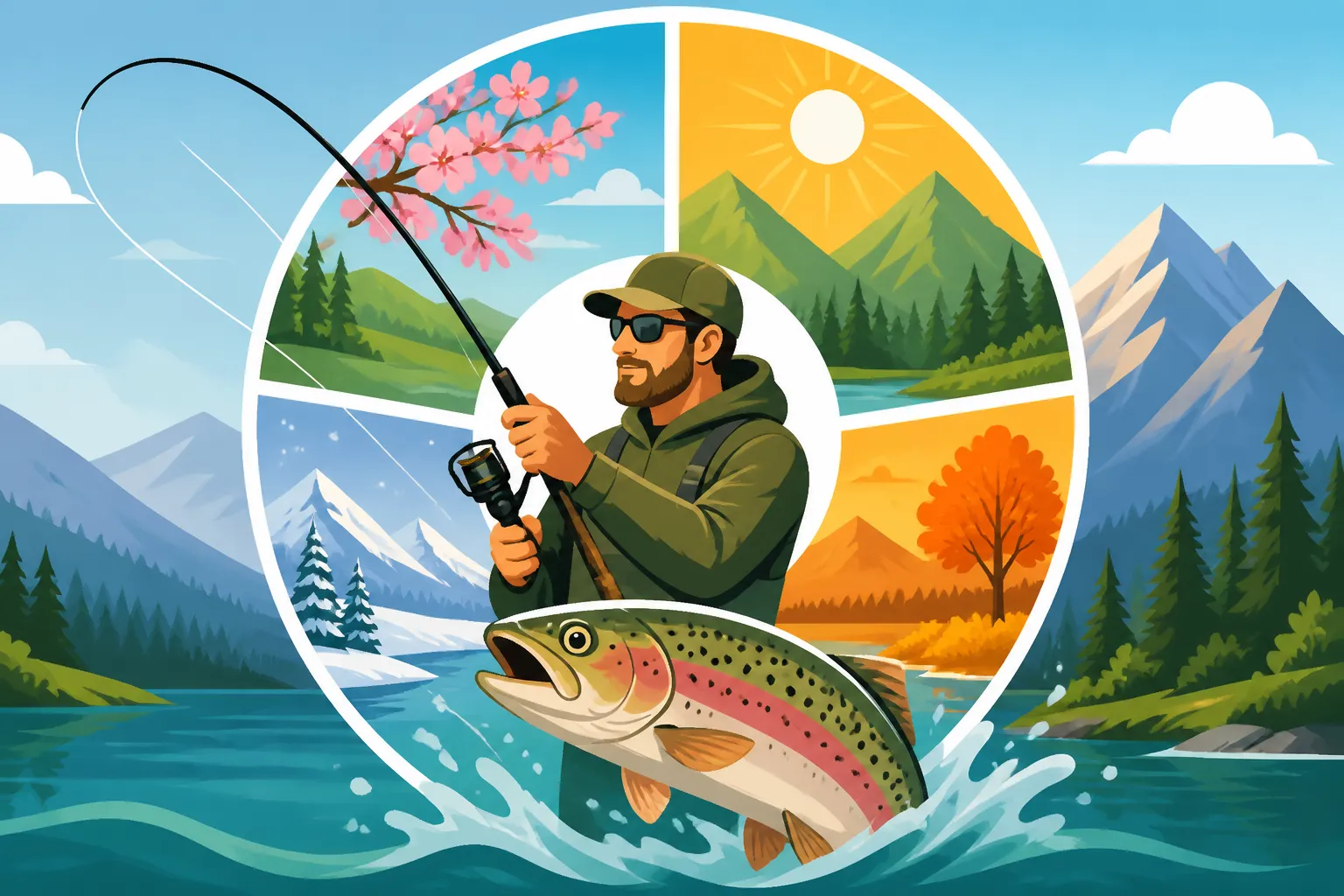
Understanding Alberta's Diverse Fishing Calendar
Alberta's vast landscapes, stretching from the Rocky Mountains in the west to the expansive prairies in the east and the boreal forests of the north, mean that "the best time to fish" isn't a one-size-fits-all answer. Our fishing calendar is deeply influenced by the ebb and flow of four distinct seasons, each presenting unique opportunities and challenges. What works for trophy pike in a prairie lake might be completely different from what you'd do for a feisty rainbow trout in a mountain stream.
The key to consistent success here lies in understanding how fish species react to changing water temperatures, forage availability, and spawning cycles throughout the year. Ignoring these natural rhythms is often why some days feel like you can't buy a bite, while others are an angler's dream. Being in the right place at the right time, with the right approach, truly makes all the difference.
The Impact of Alberta's Climate on Fish Behavior
Alberta's climate is characterized by cold, snowy winters, often short but warm summers, and transitional spring and fall seasons. These dramatic shifts have a profound effect on the behavior of fish. During winter, most fish become lethargic, their metabolism slowing down significantly under the ice. They still need to eat, but their feeding windows are often shorter and less aggressive. As spring arrives, the melting snow and ice bring a rush of cold water, stirring up nutrients and signaling fish to become more active. Many species begin their pre-spawn movements or actual spawning in the warming shallows.
Summer’s heat can push cold-water species like lake trout and bull trout into deeper, cooler waters, making them harder to access without specialized gear. Warm-water species like walleye and pike, however, thrive and are often found actively feeding in shallower, weedier bays. Come fall, as water temperatures drop again, many fish enter a "feeding frenzy" phase, aggressively bulking up for the lean winter months ahead. This can be one of the most exciting times for trophy hunting. Understanding these broad climatic influences is your first step to unlocking Alberta's fishing potential.
General Season Openers and Closures
Navigating the multitude of fishing regulations in Alberta can feel like deciphering an ancient text, especially when it comes to season dates. It's not as simple as a province-wide "open" or "closed" sign. Instead, Alberta uses a detailed zone system, with specific water bodies, rivers, and lakes having their own unique rules, including season openers and closures. This means that while some waters might open to fishing in early May, others, particularly those in the mountain zones or sensitive areas, might remain closed until June 15th, or even later for specific species.
For instance, the general trout season in many mountain streams and rivers often opens on June 15th to protect spawning fish, while prairie lakes might have year-round fishing for species like pike and perch. Bull trout, being a provincially threatened species, often have year-round catch-and-release regulations or are completely closed in certain areas. Before you even think about packing your tackle box, you absolutely must consult the current Alberta Guide to Sportfishing Regulations. It's your bible for ensuring you're fishing legally and responsibly. Failing to check these dates can lead to significant fines or, worse, harm fragile fish populations.
Spring: Awakening Waters and Hungry Fish
Ah, spring! After months of ice fishing, the thought of open water and the promise of aggressive bites is enough to get any angler's heart racing. Spring in Alberta is a dynamic and often challenging season, but it offers some of the most rewarding fishing opportunities if you know where to look. It’s a period of transition, starting with ice-off and gradually warming up as the days lengthen. This is when many fish species shake off their winter lethargy and begin to feed voraciously, often moving into shallower water, making them more accessible from shore or small boats.
The timing of ice-off varies greatly across the province. Southern prairie lakes might be clear by late April, while northern lakes or higher-elevation mountain lakes might not shed their icy blankets until late May or even early June. This staggered ice-out means you can often chase the open water northwards, extending your spring fishing season.
Early Spring Opportunities: Pike and Walleye Surge
As soon as the ice leaves the lakes, particularly the shallower prairie lakes and larger river systems, it's prime time for northern pike and walleye. These species are often among the first to become highly active after winter. Pike, in particular, are notorious for their aggressive feeding in early spring, often found in shallow, weedy bays that warm up quickly. They're looking to recover from spawning (which occurs very early, often under the ice or immediately after ice-out) and pack on weight. Spinnerbaits, large spoons, and even topwater lures can be incredibly effective during this period. Think places like Keho Lake or some of the shallow bays of Lesser Slave Lake. For those targeting northern pike, these early spring weeks are gold.
Walleye, too, begin to stir. After ice-out, they'll congregate in shallower spawning areas, especially along rocky shorelines or river current breaks. While the actual spawning period might see them less interested in feeding, the pre-spawn and post-spawn periods offer fantastic opportunities. Look for them in depths of 5-15 feet, often ambushing baitfish. Jigs tipped with minnows or soft plastics, and slow-trolled crankbaits are go-to presentations. Remember, understanding How to Catch Walleye in Alberta means paying close attention to their spring movements.
Mid-Spring Trout Tactics on Rivers and Streams
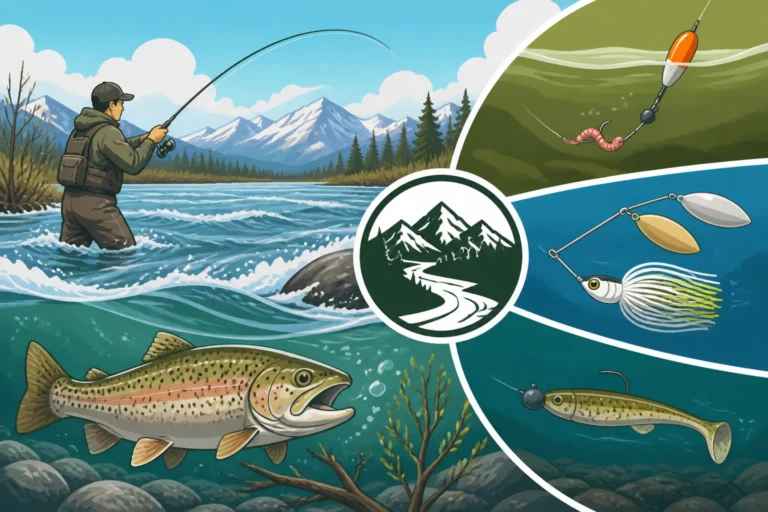
As the ice recedes from mountain lakes and the rivers begin to stabilize after the initial spring runoff, the trout fishing really heats up. Mid-spring, typically from late May through June (depending on snowmelt), is fantastic for rainbow, brown, and cutthroat trout in many of Alberta's iconic rivers, like the Bow River or the Crowsnest River. The water temperatures are rising, stimulating insect hatches, and trout are actively feeding. Fly anglers often find success with nymphing techniques, mimicking the aquatic insects that are becoming more active. Streamer patterns can also be deadly, especially for larger brown trout looking for a bigger meal.
Spin fishers will do well with small spinners, spoons, or drifted baits. Water levels can still be high from runoff, so it's crucial to exercise caution and perhaps focus on slower seams and eddies. Wading can be challenging, so consider bank fishing or using a drift boat where permitted. For more specific tactics, checking out Spring Trout Fishing Techniques for Alberta Streams can provide valuable insights. This transitional period, before the full swing of summer, often provides some of the most consistent trout action of the year.
Late Spring: The Transition to Warmer Water Species
By late spring, usually early to mid-June, many of Alberta's waters have fully thawed, and temperatures are steadily rising. This is when the focus often shifts towards species that thrive in slightly warmer conditions, and when more recreational anglers hit the water. This period is also when many stocked trout lakes across the province become incredibly productive, as recently introduced fish are eager to bite. Popular stocked ponds and lakes see high activity, making them excellent spots for families and beginners.
This transition also marks the widespread opening of many mountain lakes and streams, which are now more accessible and fishable. While the "trophy bite" might have slowed slightly for pike and walleye in the shallowest areas, they are still very active, simply moving to slightly deeper edges of weed lines or structure as the sun gets higher. Lake whitefish and yellow perch also become more active and can provide great action, especially as the aquatic insect life truly explodes. Remember to consult the Alberta Fishing Season Dates by Zone as specific zones and water bodies will have varying opening dates for different species, particularly as you move into the sensitive mountain areas.
Summer: Abundance and Recreational Angling
Summer in Alberta is glorious. Long daylight hours, warm weather, and generally stable water conditions make it the most popular time for recreational angling. However, "abundance" doesn't always mean "easy." While many species are active, the increased boat traffic, warmer water temperatures, and abundant natural forage can make fish a bit more selective or push them into different habitats. Understanding these nuances is key to continued success throughout July and August.
For those hitting the water, a good pair of polarized sunglasses (available on Amazon, for example) can make a huge difference in spotting fish or identifying underwater structure in clearer lakes. The key is to adapt your tactics to the specific conditions, whether you're chasing deep-water lakers or casting to hungry pike in the weeds.
Prime Time for Lake Trout and Deep-Water Walleye
As summer temperatures soar, cold-water species like lake trout will retreat to the deeper, cooler sections of large, deep lakes such as Cold Lake, Lake Athabasca, or Lake Minnewanka. This is prime time for targeting them through various methods. Trolling with downriggers becomes a highly effective strategy, allowing you to present lures at precise depths where these fish are holding. Large spoons, stickbaits, and even large tube jigs can entice a strike. Early mornings and late evenings can also see them move slightly shallower to feed. For those who enjoy a challenge, deep jigging with heavy spoons or weighted plastics can also be productive.
Walleye in larger lakes like Lesser Slave Lake or Pigeon Lake will also move deeper during the heat of summer. They'll often relate to underwater humps, points, and structural elements where they can ambush baitfish. Jigging with soft plastics or live bait, slip bobber fishing over deep weed lines, or bottom-bouncing with spinner rigs are all excellent tactics. The bite can be more subtle in deeper water, so sensitive rods are a must. Exploring Lake Trout Fishing in Alberta will provide in-depth strategies for these summer pursuits.
Mountain Stream Trout Fishing in Summer
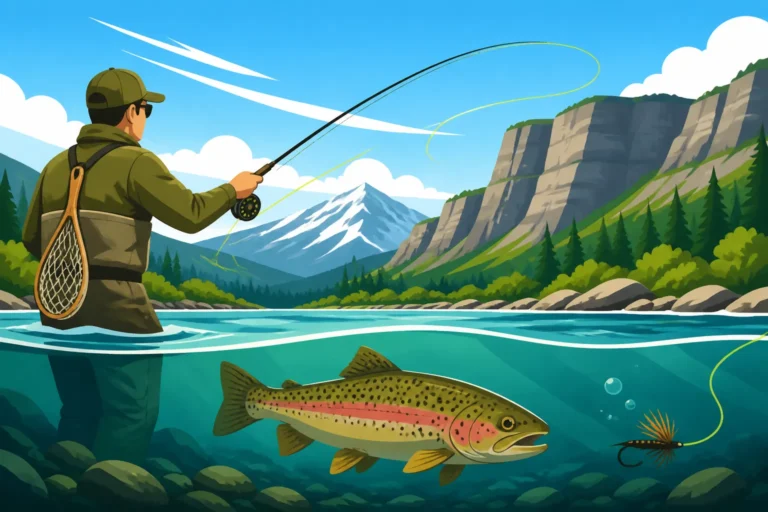
Summer is undeniably the peak season for mountain stream and river trout fishing in Alberta's stunning Kananaskis Country and National Parks (where specific regulations apply). The water levels are typically stable, and insect hatches are in full swing, creating fantastic opportunities for dry fly fishing. The Bow River, just outside of Calgary, is renowned worldwide for its big, wild rainbow and brown trout, and summer sees prolific hatches of caddis, mayflies, and stoneflies. This can be an incredible time for sight fishing with dry flies.
Beyond the Bow, smaller streams and high-alpine lakes become accessible, offering picturesque settings and feisty cutthroat or brook trout. Light tackle spinning gear with small spinners or spoons, or fly rods with dry-dropper rigs, are excellent choices. Mornings and evenings are often the most productive, as the midday sun can make trout a bit more wary. Remember that these sensitive environments often mandate single barbless hooks and catch-and-release to protect the delicate ecosystems. For the dedicated fly angler, there's nothing quite like Fly Fishing for Trout on the Bow River in the heart of summer.
Prairie Lake Action: Pike, Perch, and Panfish
While mountain streams shine for trout, Alberta's prairie lakes offer incredible action for pike, perch, and other panfish throughout the summer. The abundant weed growth provides excellent cover and ambush points for northern pike. Casting spoons, spinnerbaits, or topwater lures into and around weed beds, especially during low-light hours, can lead to explosive strikes. Don't be afraid to try different retrieval speeds and depths.
Yellow perch, often found in large schools, provide consistent action and are excellent table fare. They'll readily take small jigs tipped with bait, worm pieces, or tiny crankbaits. Look for them around weed edges, docks, and submerged structures. This is also a great time to introduce kids to fishing, as perch are often eager biters. Lesser Slave Lake, Gull Lake, and Pigeon Lake are all fantastic options for this kind of summer action. The key to successful summer prairie lake fishing is often covering water and adapting to where the baitfish (and therefore the predatory fish) are holding within the abundant vegetation.
Fall: The Feeding Frenzy Before Winter
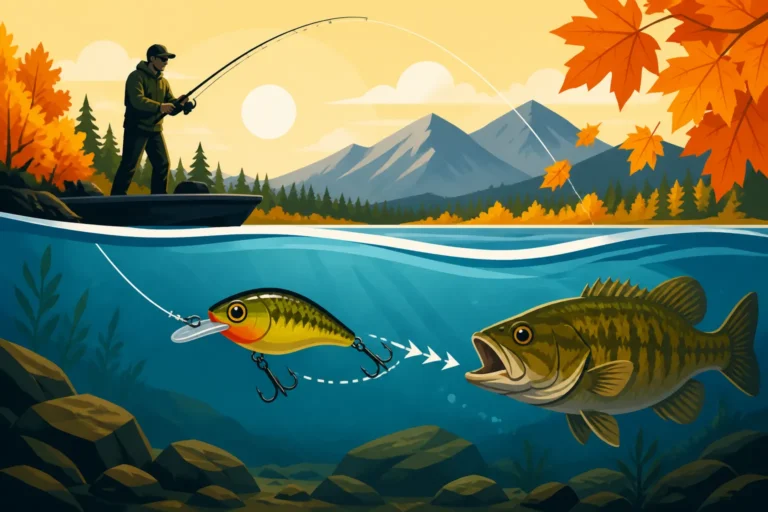
Autumn is a magical time to fish in Alberta. As the days shorten and water temperatures begin to drop, many fish species enter an intense feeding period, instinctively trying to bulk up for the lean winter months ahead. This "fall feeding frenzy" can offer some of the year's best opportunities for trophy-sized fish and aggressive bites. The vibrant fall colors, fewer crowds, and crisp air only add to the allure.
However, fall fishing also means unpredictable weather. One day might be warm and sunny, the next could bring snow. Being prepared for rapidly changing conditions, including having appropriate layers and knowing your lake's depths, is essential. This is when a good fish finder, perhaps one you scouted on Amazon, becomes invaluable for locating fish moving off shallow structures.
Aggressive Pike and Walleye in Cooling Waters
As water temperatures cool down through September and October, northern pike and walleye become incredibly active and aggressive. Pike will often move out of the densest summer weeds and patrol rocky points, drop-offs, and shallower main lake basins, aggressively chasing down larger baitfish. Big crankbaits, jerkbaits, and oversized spoons are excellent choices for targeting these hungry predators. This is one of the best times of year to land a true trophy pike. Northern Pike Fishing in Alberta techniques are often at their most effective during this period.
Walleye, too, will become much more active and can be found in a wider range of depths. They’ll often school up on significant structural elements like humps, reefs, and sharp drop-offs. Trolling with crankbaits, jigging with heavier presentations, or vertical jigging with minnows or soft plastics can be incredibly productive. The fish are often concentrated, so once you find a school, the action can be fast and furious. Pay attention to changes in barometric pressure, as stable fall weather often means a more consistent bite.
Trophy Trout Pursuits in Autumn
Fall is arguably the absolute best time for trophy trout fishing in Alberta, especially for brown trout and larger rainbows. As rivers like the Bow cool, the big trout become incredibly aggressive, focusing on larger meals like sculpins, baitfish, and even mice that might fall into the water. Streamer fishing with large, articulated patterns becomes a highly effective technique for enticing these larger fish. This is also the time when brown trout begin their pre-spawn movements, often displaying their most vibrant colors and feisty attitudes.
Many mountain lakes, before they freeze over, can also offer exceptional late-season lake trout and rainbow trout fishing. The fish are often shallower than in summer and are actively cruising for food. Fly anglers might find success with large nymphs or streamers, while spin anglers can use spoons or jigs. The key is to fish during warmer parts of the day, as trout can become lethargic in extremely cold water. For specific tips on handling these magnificent fish, learning How to Catch Bull Trout and Release Them Safely is crucial, even if you’re targeting other trout species, as proper handling benefits all fish.
Late Fall Preparations for Ice Fishing
As November progresses and temperatures consistently dip below freezing, many of Alberta's shallower lakes and smaller water bodies begin to skim over with ice. While it's too early for safe ice fishing, this late fall period is crucial for scouting potential ice fishing locations. It’s a great time to walk shorelines, identify promising structural elements, and note any access points that will be valuable once the ice is thick enough. Observing where baitfish are congregating or where birds are feeding can give you clues about where the fish might be holding just before freeze-up.
For the dedicated angler, this is also a time to perform maintenance on your ice fishing gear, sharpening auger blades, checking lines, and organizing tackle boxes. Having everything ready means you can hit the ice as soon as it's safe. It's also a good reminder to review safety protocols for ice fishing, as the season's first ice is often the most dangerous.
Winter: The Ice Fishing Kingdom
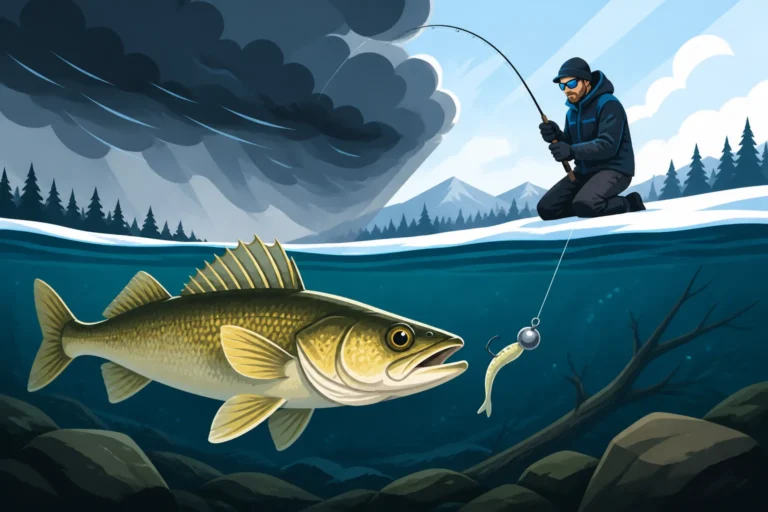
When winter blankets Alberta, a whole new world of fishing opens up: ice fishing. Far from being a niche activity, ice fishing is incredibly popular here, offering unique challenges and rewards. The stillness of a winter lake, the camaraderie of a heated hut, and the thrill of pulling a big walleye or burbot through a hole in the ice are experiences unique to this season. While the fish's metabolism slows down, they still need to feed, and understanding their winter habits is crucial.
Safety is paramount during the ice fishing season. Always check ice thickness, especially early and late in the season. A good auger and ice picks are essential, and knowing when to stay off the ice is the most important rule. Many anglers use portable shelters (available from retailers or online like Amazon) to stay warm, which makes long days on the ice much more enjoyable.
Early Ice Safety and Productive Spots
Early ice, typically from late November through December (depending on the region and specific body of water), can be both the most exciting and most dangerous time for ice fishing. The fish are often still very active and aggressive, feeding heavily before the deep freeze sets in. Pike, walleye, and perch can be found in relatively shallow water, often relating to structure and weed lines that were productive during late fall.
However, ice conditions can be highly variable. Always ensure a minimum of 4 inches of clear, hard ice for walking, and more for snowmobiles or vehicles. Stick to known safe spots and fish with a buddy. A spud bar is your best friend for testing ice thickness as you go. Look for transitional areas, like the edges of drop-offs or submerged points, where fish will travel between deeper wintering grounds and shallower feeding areas. Small spoons, jigs tipped with minnows or maggots, and tip-ups can all be highly effective. For more on safe access, consider resources like Best Ice Fishing Lakes in Alberta.
Mid-Winter Strategies for Challenging Bites
Mid-winter, typically January and February, often presents the toughest ice fishing conditions. The ice is usually thick and safe (but still always check!), but the fish can become quite lethargic due to stable cold temperatures, lower oxygen levels under the ice, and diminished light penetration. This is when finesse tactics and patience are key. Fish tend to suspend more during this period or relate tightly to deep structure.
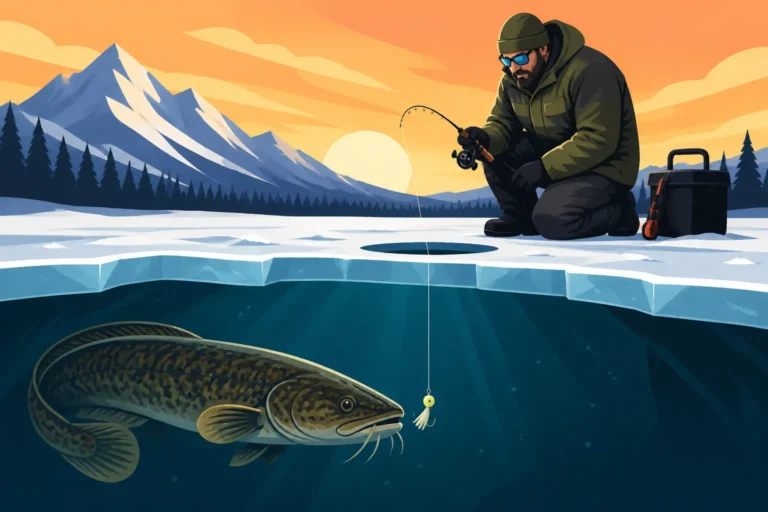
Smaller jigs, often tipped with live bait like maggots or minnow heads, are often more effective than aggressive presentations. You might need to drop down in line size and use ultra-sensitive rods to detect subtle bites. Focus on primary feeding areas like main lake points, deep humps, and basin edges. Burbot fishing, often a nocturnal pursuit, can be excellent during mid-winter, especially in lakes known for these unique bottom-dwelling fish. This period demands a deeper understanding of Ice Fishing in Alberta principles, including proper electronics use.
Late Ice Opportunities and Burbot Runs
As winter begins to wane in March, and the days grow longer, fish often experience a surge of activity. This "late ice" period can be exceptionally productive, though it also brings increased safety risks as the ice begins to degrade. Lake trout, walleye, and pike often become more active and start moving towards pre-spawn staging areas. They'll feed aggressively, trying to regain energy lost during the harsh winter.
Burbot, in particular, have a strong spawning run during late winter, typically in January and February, often under the ice. This makes late ice a prime time to target these delicious and unique fish. Anglers will often jig glow-in-the-dark spoons tipped with bait near the bottom in deep areas. Perch can also become very active in late ice, schooling up in large numbers and providing fast action. However, always exercise extreme caution during late ice. Ice conditions can change rapidly with warming temperatures, and rotten or "candled" ice can be incredibly dangerous. It's always better to err on the side of caution.
Species-Specific Seasonal Highlights
While the general seasonal overview is helpful, truly optimizing your fishing trips means delving into the specific habits of your target species throughout the year. Each fish has its own biological clock, dictating when it spawns, feeds most actively, and seeks specific habitats. Understanding these patterns is the cornerstone of consistent angling success in Alberta.
Timing Your Trip for Alberta Walleye
Walleye are one of Alberta's most sought-after game fish, known for their delicious fillets and challenging bite.
- Early Spring (Ice-out to Mid-May): This is a fantastic time! Walleye are in their pre-spawn and early post-spawn phases, congregating in shallow, rocky spawning areas or adjacent to river current breaks. They are actively feeding to recover and can be targeted with jigs and minnows or small crankbaits. The bite can be aggressive.
- Late Spring/Early Summer (Mid-May to Late June): As waters warm, walleye spread out from spawning grounds but often remain in shallower depths (5-20 feet), relating to weed lines, submerged points, and reefs. Trolling crankbaits, slip bobber fishing, or pitching jigs are effective.
- Mid-Summer (July to August): Walleye often move deeper to find cooler water and stable oxygen levels, typically 15-40 feet, depending on the lake. Look for them on deeper structural elements like humps, steep drop-offs, and main lake points. Vertical jigging, bottom bouncing, and deep trolling are key.
- Fall (September to November): Another prime time! Walleye enter a strong feeding phase, moving shallower in search of baitfish. They become very aggressive and can be found on main lake points, reefs, and flats in 10-30 feet of water. Large crankbaits, jigs, and blade baits work well.
- Winter (Ice-on to Ice-off): Walleye remain active under the ice, often moving between deeper wintering holes and shallower feeding flats. Early and late ice are generally best, with mid-winter requiring more finesse. Jigs tipped with minnows or soft plastics, and jigging spoons are popular. For specific lure recommendations, refer to Best Baits for Walleye on Lesser Slave Lake.
Optimal Seasons for Northern Pike
Northern pike are abundant in Alberta and offer exciting, often explosive, fishing throughout much of the year.
- Early Spring (Ice-out to Mid-May): This is perhaps the best time for trophy pike! They are in shallow, warm-water bays and marshy areas for spawning (often right at ice-out or just before). Post-spawn, they are extremely hungry and aggressive, attacking large spoons, spinnerbaits, and jerkbaits in just 2-10 feet of water.
- Late Spring/Early Summer (Mid-May to Late June): Pike remain active in shallower, vegetated areas. As weeds grow, they offer great ambush cover. Casting into and around weed beds with weedless spoons or spinnerbaits is effective.
- Mid-Summer (July to August): While still in the weeds, pike might move to deeper weed edges or ambush points near cooler water. Topwater action can be phenomenal in low light. Casting larger spoons, noisy topwaters, and soft plastic swimbaits works.
- Fall (September to November): Excellent for big pike! As water cools, pike move out of dense weeds and patrol rocky points, main lake points, and drop-offs. They become incredibly aggressive, targeting large baitfish with big crankbaits, jerkbaits, and large spoons.
- Winter (Ice-on to Ice-off): Pike are a favorite ice fishing target. Early and late ice are best when they are still relatively shallow. Jigging spoons, large tip-ups with dead bait (like smelts or ciscoes), and tube jigs are productive.
When to Target Alberta's Lake Trout and Bull Trout
Lake trout and bull trout are majestic cold-water species, primarily found in Alberta's deeper, colder lakes and mountain streams.
- Lake Trout:
- Spring (Ice-out to Mid-June): Lake trout are often shallower in the water column after ice-out, actively feeding. Trolling spoons or stickbaits, or casting large jigs, can be very effective in 10-40 feet of water.
- Summer (July to August): They move to deep, cold water (40-100+ feet). Trolling with downriggers or deep jigging is necessary. Early mornings and late evenings can see them shallower.
- Fall (September to October): Lake trout move shallower for their fall spawn, often hitting rocky shoals and reefs in 10-50 feet of water. This is an excellent time for aggressive bites, using large spoons, crankbaits, or even fly fishing with streamers.
- Winter (Ice-on to Ice-off): Another prime time, especially early and late ice. They can be found suspending in the water column or near deep structure. Large jigging spoons, tubes, and minnows are effective.
- Bull Trout (Catch & Release Only in most areas):
- Spring (June 15th opener in most mountain areas): Once rivers stabilize from runoff, bull trout are active, though often still in deeper pools. Large streamers and heavy nymphs can entice them.
- Summer (July to August): They can be found in deeper pools, undercut banks, and structure in mountain rivers. Early mornings and late evenings are best. Large streamers, sculpin imitations, and sometimes dry flies (if a large terrestrial hatch is on) work.
- Fall (September to October): This is often considered the best time for bull trout. They are in their pre-spawn and spawning colors, incredibly aggressive, and targeting larger prey. Large streamers are the go-to.
- Winter (Open in select waters for C&R): Bull trout can be found in larger rivers that remain open, often in deep, slow pools. They are less active, but a well-presented large streamer or bait can still draw a strike.
Please remember that Bull Trout are provincially threatened and have a zero possession limit across Alberta, with very few exceptions. Always practice careful catch-and-release.
Regional Considerations for Timing Your Trip
Alberta is a big province, and what's "best" for fishing in the south might be entirely different from the north. The diverse geography and climate zones mean that fishing seasons, species availability, and optimal timing can vary significantly from one region to another. Thinking regionally is essential for planning a successful trip and understanding specific regulations.
The province is generally broken down into several major fishing zones in the regulations, often corresponding to geographical features: the Eastern Slopes (mountains and foothills), Parkland, and Northern Boreal regions. Each has its own distinct characteristics that influence fish behavior and therefore the best times to fish.
Mountain vs. Foothills vs. Prairie Fisheries
- Mountain Fisheries (e.g., Banff, Jasper, Kananaskis): These areas are characterized by cold, clear rivers (like the Bow River, Crowsnest River) and deep, pristine lakes.
- Spring: Late to open (mid-June is common for rivers), as snowmelt causes high, cold water. Once runnable, nymphing and streamer fishing for trout are key.
- Summer: Peak season for fly fishing. Stable water levels, prolific insect hatches mean excellent dry fly action. Lake trout in deep mountain lakes are active.
- Fall: Excellent for trophy brown and rainbow trout as they feed aggressively and spawn. Bull trout are also very active.
- Winter: Most rivers are closed or extremely challenging. Some specific lakes might offer ice fishing for lake trout or brook trout.
- Key takeaway: Later start, but extended prime summer and fall for trout. Always check for specific park regulations.
- Foothills Fisheries (Transition Zone): These waters often share characteristics of both mountains and prairies. Rivers here might warm slightly faster than mountain rivers.
- Spring: Can open earlier than pure mountain waters, offering good pre-runoff trout and pike opportunities.
- Summer: Good all-around fishing for trout, pike, and perch. Lakes are often smaller and warmer than mountain lakes.
- Fall: Strong feeding activity for all species as they prepare for winter.
- Winter: Offers some good ice fishing, often with better access than true mountain lakes.
- Prairie Fisheries (e.g., Lesser Slave Lake, Gull Lake, Pigeon Lake): Dominated by large, productive lakes and slower rivers, home to warm-water species.
- Spring: Earliest ice-off, prime time for aggressive pike and walleye in shallows.
- Summer: High activity for walleye, pike, perch, and burbot. Fish might move deeper during heat waves.
- Fall: Excellent for trophy walleye and pike as they feed heavily. Often sees strong yellow perch action.
- Winter: The heart of Alberta's ice fishing scene, with numerous lakes offering excellent opportunities for walleye, pike, perch, and burbot.
Northern vs. Southern Alberta Seasonality
The sheer north-south expanse of Alberta means a significant difference in climate and therefore fishing seasonality.
- Southern Alberta: Generally experiences earlier springs and longer, warmer summers.
- Ice-out: Usually by late April or early May for most prairie lakes.
- Open Water Season: Starts earlier and extends later into fall.
- Winter: While cold, ice fishing season can sometimes start a bit later due to milder conditions, but still offers plenty of opportunities.
- Key species: Trout in the mountain/foothill rivers (Bow, Oldman), walleye and pike in prairie lakes (Lesser Slave Lake is a bit of an outlier, being central-north, but shares characteristics with southern prairie lakes for these species), perch.
- Northern Alberta: Characterized by colder, longer winters and shorter, intense summers.
- Ice-out: Often not until mid-May or even early June for larger lakes like Lake Athabasca.
- Open Water Season: Shorter but often incredibly productive. Fish growth can be slower, but cold-water species thrive.
- Winter: Ice fishing season is long and robust, often starting earlier (November) and lasting later (April).
- Key species: Lake trout, northern pike, walleye, Arctic grayling, burbot, lake whitefish.
- Unique Opportunities: Remote fly-in fishing experiences in the far north can be exceptional during the summer months, targeting trophy pike and lake trout in pristine wilderness.
Understanding these regional differences and consulting the Alberta Guide to Sportfishing Regulations for specific zone dates will prevent frustration and maximize your chances of success. It's often possible to extend your fishing season by traveling between these regions, following the open water or prime bites.
Essential Gear and Preparations for Each Season
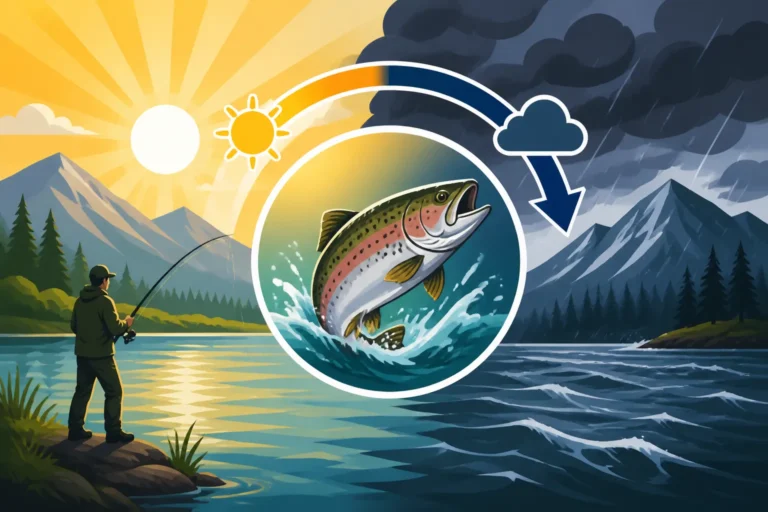
Being prepared with the right gear isn't just about comfort; it's about safety and increasing your chances of success. Alberta's weather can be highly unpredictable, changing rapidly within a day, especially in the mountains. Having the right clothing, tackle, and safety equipment for the season you're fishing in is non-negotiable. Don't let a sudden downpour or an unexpected cold snap cut your trip short!
A well-stocked tackle box and appropriate clothing layers are critical, regardless of the time of year. Consider durable, waterproof options for outerwear, and always pack more layers than you think you'll need.
Must-Have Gear for Spring and Summer Fishing
Spring and summer in Alberta offer diverse fishing environments, from wading swift trout streams to boating on large lakes. Your gear needs to reflect this versatility.
- Clothing & Footwear:
- Layers: Breathable, moisture-wicking base layers are crucial. A fleece or wool mid-layer for cooler mornings and evenings, and a waterproof/windproof outer shell for unexpected rain or wind.
- Footwear: Waders and sturdy wading boots are essential for river anglers. For lake fishing from shore or a boat, waterproof hiking boots or deck shoes are suitable.
- Sun Protection: Wide-brimmed hat, sunglasses (polarized are a game-changer for spotting fish and structure, and can be easily found on Amazon), and high SPF sunscreen are vital due to long summer days and reflective water.
- Rods, Reels, & Line:
- Rivers (Trout): Light to medium-light spinning rods (6-7 feet) with matching reels spooled with 4-8 lb monofilament or fluorocarbon. Fly rods (4-6 weight) for different conditions. If you're serious about the Bow, research Best Gear for Bow River Fly Fishing.
- Lakes (Pike/Walleye): Medium to medium-heavy spinning or baitcasting rods (6.5-7.5 feet) with reels spooled with 10-20 lb braided line and a fluorocarbon leader.
- Tackle:
- Pike: Spoons (Daredevl, Len Thompson), spinnerbaits, crankbaits, jerkbaits, large soft plastics.
- Walleye: Jigs (1/8-1/2 oz) with soft plastics or live bait, crankbaits (Rapala, Berkley), bottom bouncers with crawler harnesses.
- Trout: Small spinners (Mepps, Panther Martin), spoons, flies (nymphs, dry flies, streamers).
- Other Essentials: Landing net (rubberized for catch and release), pliers/hemostats for hook removal, small first-aid kit, insect repellent, plenty of water, and snacks. If boating, all required safety gear (life jackets, bailer, whistle, etc.) is mandatory.
Fall and Winter Gear for Comfort and Success
As temperatures drop, the emphasis shifts to warmth, insulation, and specialized gear for ice fishing.
- Clothing & Footwear:
- Extreme Layers: Thermal base layers, heavy fleece or down mid-layers, and a fully waterproof, windproof, and insulated outer suit (jacket and bibs/pants) are critical. Snowmobile suits work well for ice fishing.
- Footwear: Insulated, waterproof boots rated for extreme cold (e.g., Sorel, Baffin) are essential for ice fishing. Merino wool socks are a must.
- Accessories: Warm hat, neck gaiter, and insulated gloves or mitts (with fingerless options for dexterity).
- Rods, Reels, & Line:
- Open Water (Fall): Same as summer, but you might lean towards slightly heavier setups for bigger fish putting on the feed.
- Ice Fishing: Shorter, stiffer ice fishing rods (24-36 inches) paired with small spinning reels. Spool with low-stretch, abrasion-resistant line (4-10 lb mono or fluorocarbon for panfish/trout, 10-20 lb braided for walleye/pike/lake trout).
- Tackle:
- Fall Pike/Walleye: Larger versions of summer lures – big crankbaits, jerkbaits, heavy jigs.
- Fall Trout: Large streamers, heavy nymphs.
- Ice Fishing (Walleye/Pike): Jigging spoons (Swedish Pimple, Buckshot), soft plastics, dead bait on tip-ups, tube jigs, small balance jigs.
- Ice Fishing (Perch/Burbot): Smaller jigging spoons, tiny tungsten jigs tipped with maggots or mealworms for perch. Glow-in-the-dark spoons and lead jigs for burbot.
- Other Essentials:
- Ice Fishing Specific: Ice auger (manual or power), ice picks (worn around your neck), spud bar (for checking ice), portable ice shelter (for warmth and protection), portable heater, sonar/flasher unit (e.g., from brands like Humminbird or Vexilar, often available on Amazon), sled for gear transport.
- Safety: Always carry a fully charged cell phone, tell someone where you're going, and carry a basic survival kit. A thermos with hot coffee or soup is a luxury you'll appreciate on a cold day.
No matter the season, always ensure you have a valid Alberta fishing license and a WIN card. Checking the current regulations in the Reading the Alberta Guide to Sportfishing Regulations before each trip is non-negotiable, as rules can change annually.
Disclaimer
The information provided in this guide is for general informational purposes only and is not intended as legal or professional advice. Fishing regulations, season dates, and safety guidelines can change frequently. Always consult the most current Alberta Guide to Sportfishing Regulations and local authorities before engaging in any fishing activities. Adhere to all provincial and federal laws. Fishing inherently involves risks, and safety should always be your top priority.