Best fishing spots in the Peace Country
The vastness of Alberta's Peace Country can feel a bit overwhelming when you're looking for prime fishing spots. It’s not like southern Alberta where well-known rivers and lakes are heavily documented and easily accessible. Up north, you often hear whispers of incredible fishing, but pinning down exactly where to go and how to get there can be a real head-scratcher. This guide is here to cut through that confusion, giving you the inside scoop on some of the best and most productive fishing destinations this beautiful, rugged region has to offer.
Understanding the Peace Country's Unique Fishery
The Peace Country, stretching across the northwestern part of Alberta, is a true gem for anglers who appreciate solitude and robust fish populations. This isn't your typical crowded lake; it's a land of sprawling boreal forests, mighty rivers, and countless lakes, many of which see significantly less fishing pressure than their southern counterparts.
Geographic Overview and Species Diversity
Geographically, the Peace Country is characterized by its transition from prairie farmland in the south to dense boreal forest in the north. This means you'll find a mix of large, fertile lakes and powerful river systems that carve their way through vast wilderness. The primary target species here are often quite different from what you'd find in the Rockies. Walleye and Northern Pike reign supreme, growing to impressive sizes in these nutrient-rich waters. You'll also encounter healthy populations of Burbot, Yellow Perch, and various Whitefish species. In the more pristine, colder northern rivers, lucky anglers might even hook into an Arctic Grayling, a truly beautiful and unique catch. This diverse ecosystem provides a thrilling challenge for any angler willing to explore.
Navigating Access and Regulations
One of the biggest hurdles for newcomers to the Peace Country is simply knowing how to get to these fantastic fishing spots. Many of the best lakes are tucked away at the end of gravel roads, old logging trails, or require a boat launch that isn't always obvious. It's not uncommon to drive for miles past nothing but trees, wondering if you're on the right track! Always make sure your vehicle is up to the task, especially if you're venturing off main highways.
Beyond physical access, understanding the local fishing regulations is absolutely paramount. The Peace Country falls under various management zones, each with its own specific rules regarding season dates, catch limits, and even tackle restrictions. Before you even pack your rods, you absolutely need to consult the official Alberta Guide to Sportfishing Regulations. Not just a quick glance, but a thorough read, paying close attention to the specific rules for the body of water you intend to fish. For example, some lakes might have special harvest regulations for Walleye, or a specific Alberta Walleye Limit by Zone you need to respect. It's your responsibility to know what's legal and what's not. If you're planning a trip and want to cut through some of the guesswork, consider checking out services like FishingBooker, where local guides often list their expertise for specific regions and can help you navigate both the physical landscape and the regulatory complexities. They know the backroads and the rules.
Top Lake Fishing Destinations in the Peace Country
While the rivers of the Peace Country offer immense potential, its lakes are often the first draw for anglers, and for good reason. They are home to some truly exceptional fishing experiences.
Lesser Slave Lake: A Walleye and Pike Powerhouse
If you ask any seasoned Alberta angler about trophy walleye or pike, Lesser Slave Lake is almost guaranteed to come up. It's an absolute behemoth, one of Alberta's largest lakes, and it consistently produces both high numbers of fish and genuinely massive specimens. The lake's vastness and diverse structure – from shallow weed beds to deep, rocky points – provide ideal habitat for its abundant fish populations.
For walleye, the early season after ice-out can be phenomenal, with fish moving into shallower bays and river mouths to feed. As summer progresses, they'll often hold on deeper humps, reefs, and along breaklines, making trolling or vertical jigging highly effective. Techniques detailed in our guide on How to Catch Walleye in Alberta will definitely come in handy here. For pike, Lesser Slave is legendary. These toothy predators lurk in weed beds, along shorelines, and near structure, ready to ambush unsuspecting prey. Large spoons, spinnerbaits, and swimbaits are consistently productive. Beyond the main targets, you'll also find excellent opportunities for Lesser Slave Lake Burbot Fishing during the winter months, and healthy populations of Yellow Perch that are a blast to catch, especially for families. Access is generally good, with numerous public boat launches and accommodations around towns like Slave Lake and Faust. Given its popularity and size, many anglers choose to hire a guide for their first visit to Lesser Slave Lake to learn the ropes; a quick search on FishingBooker will show you plenty of experienced operators.
Lac La Biche: Diverse Opportunities for Anglers
Another major player in the Peace Country's lake scene is Lac La Biche. While perhaps not as globally renowned for trophy walleye as Lesser Slave, it offers a fantastic all-around fishery with excellent numbers of Walleye, Northern Pike, Yellow Perch, and Lake Whitefish. What makes Lac La Biche so appealing is its accessibility and varied fishing environments. The lake has numerous islands, bays, and varying depths, providing endless spots to explore.
Anglers targeting walleye often find success drifting with jigs and live bait (where permitted), or trolling crankbaits along the lake's many underwater structures and drop-offs. Pike are abundant in the weedier bays and along rocky shorelines, making them a relatively easy target for those casting large spoons or topwater lures in summer. It’s also a fantastic lake for ice fishing, offering consistent action for walleye and perch throughout the winter. Whether you're casting from shore, launching a small boat, or setting up an ice hut, Lac La Biche has something for everyone. Make sure to consult the specific Alberta Walleye Limit by Zone for Lac La Biche, as regulations can change.
Utikuma Lake and Sturgeon Lake: Hidden Gems
For those willing to venture a bit further off the beaten path, Utikuma Lake presents a truly wild fishing experience. Located further north, it's known for its incredible populations of large Northern Pike and Walleye. Access can be more challenging, often involving longer drives on gravel roads, and amenities are minimal. However, the reward is often less pressured fish and a real wilderness feel. Anglers here often employ larger gear to handle the robust fish that inhabit these waters. It's the kind of lake where you feel truly alone, communing with nature while battling some serious freshwater giants.
Sturgeon Lake, located near the town of Valleyview, offers a more accessible, yet still highly productive, alternative. It's a large, shallow lake known for its excellent Walleye, Northern Pike, and Yellow Perch fishing. Sturgeon Lake is particularly popular with families and those who prefer closer proximity to services. The lake's shallower nature means it warms up faster in spring, providing earlier access to active fish. Both open water and ice fishing are popular here, and its accessibility makes it a great choice for a multi-day trip where you can fish hard all day and still have comfortable lodging nearby.
| Lake Name | Primary Species Targeted | Best Fishing Season (Primary) | Notes |
|---|---|---|---|
| Lesser Slave Lake | Walleye, Northern Pike, Burbot | Summer, Winter Ice Fishing | Trophy potential, vast, diverse structure. |
| Lac La Biche | Walleye, Pike, Perch, Whitefish | Spring, Summer, Winter | Accessible, good all-around fishery. |
| Utikuma Lake | Northern Pike, Walleye | Summer (open water) | Remote, wilderness feel, large fish. |
| Sturgeon Lake | Walleye, Northern Pike, Perch | Spring, Summer, Winter | Accessible, good for families, consistent action. |
Exploring River Fishing in the Peace Country
While the lakes grab a lot of headlines, the Peace Country's monumental river systems offer a different kind of adventure, with their own unique challenges and incredible rewards. These aren't your typical small trout streams; these are vast, powerful waterways that demand respect and specialized approaches.
Peace River: A Flowing Giant with Big Potential
The Peace River is an absolute titan, flowing north and then east through the heart of the Peace Country. Its sheer size, powerful current, and often turbid waters can intimidate many anglers, but for those who learn its secrets, it holds immense potential. The primary targets here are Walleye, Northern Pike, and Burbot. You'll also find healthy populations of Goldeye in Alberta Rivers and various species of Lake Whitefish in Alberta Lakes throughout its system.
Access points are typically found near larger communities such as the town of Peace River itself, and further north towards Fort Vermilion. Due to its size and current, boat fishing is the most effective way to cover water and target fish holding in eddies, current breaks, and deeper channels. Trolling with large crankbaits is a popular method for covering ground and finding active fish, while anchoring in strategic spots and jigging or bottom-bouncing can also be highly productive. Shore access can be limited to specific parks or boat launch areas, so planning ahead is crucial. Fishing this river is a profound experience, connecting you to the wild heart of Alberta.
Athabasca River: Wild Waters and Abundant Fish
Similar in scale and character to the Peace River, the Athabasca River is another major artery of the northern ecosystem, particularly known for its vast wilderness stretches. Flowing from the Rocky Mountains, it gathers momentum and size as it travels north through Fort McMurray and beyond. This river offers fantastic fishing for Walleye, Northern Pike, Burbot, and various Whitefish species. In its upper, colder reaches, you might even encounter Arctic Grayling.
Fishing the Athabasca requires similar strategies to the Peace River: a sturdy boat, reliable motor, and a keen understanding of river dynamics are essential. Targeting fish often involves finding seams where slower water meets faster currents, or deep pockets behind submerged structure. Anglers can explore vast stretches, often without seeing another soul, which adds to the allure. For those seeking true solitude and a chance at some hard-fighting river fish, the Athabasca is an unforgettable destination. Always prioritize safety on these large, powerful rivers; life jackets are not just a regulation, they're a necessity (you can read more about Life Jacket Requirements for Alberta Boaters).
Smaller Tributaries and Streams: Less Pressured Opportunities
Beyond the major rivers, the Peace Country is crisscrossed by countless smaller rivers, creeks, and streams that feed into the larger systems. These can be incredible places to explore for a different kind of angling adventure. While they might not hold the trophy-sized fish of the larger lakes and rivers, they offer a chance to escape the crowds and discover hidden gems.
Many of these smaller waterways hold populations of smaller Northern Pike, Yellow Perch, and various minnow species. Some might even have localized populations of Mountain Whitefish or even small resident trout in their headwaters, though finding these requires more dedicated exploration and local knowledge. These spots are often ideal for lighter tackle, spin fishing, or even fly fishing if conditions allow. Access to these smaller streams can be through undeveloped trails, rural bridges, or sometimes even by bushwhacking. This is where a good map, a sense of adventure, and perhaps a recommendation from a local truly pay off. Always be mindful of private land and respect access points. The experience of discovering a secluded bend in a small stream and pulling out a feisty pike is incredibly rewarding.
Seasonal Considerations and Tips for Success
Fishing in the Peace Country isn't a one-size-fits-all affair. The dramatic seasonal changes dictate not only what you can fish for, but also how you should approach it. Understanding these rhythms is key to consistent success. You can dive deeper into these timings with our comprehensive guide on Alberta Fishing Seasons by Zone and Month.
Spring and Summer Strategies
Spring fishing in the Peace Country is often synonymous with ice-out. As the lakes and rivers shed their winter covers, fish become incredibly active. This is a prime time for targeting Northern Pike in shallow, weedy bays where they often move to spawn and feed aggressively afterwards. Walleye will also be found in shallower areas, especially near river mouths or current breaks, feeding heavily to recover from winter. The water is still cold, so slower presentations can often be effective, but don't shy away from active retrieves as fish are hungry.
Summer brings warmer water temperatures, pushing fish deeper into the lakes or towards areas with cooler current in rivers. For lake anglers, this means focusing on deeper structure – humps, reefs, and drop-offs – where walleye will suspend or hold tight to the bottom. Early mornings and late evenings often provide the best bite as fish move into shallower feeding zones under lower light conditions. Topwater lures can be thrilling for pike in the summer, especially in the low-light hours or in shaded areas. Kayak fishing techniques for Alberta lakes are particularly effective in summer, allowing stealthy access to prime spots.
Fall and Winter Ice Fishing
Fall is a favorite season for many Peace Country anglers, especially those chasing trophy fish. As water temperatures drop, fish go on a pre-winter feeding binge. Northern Pike become incredibly aggressive, often chasing larger baits, and walleye congregate in predictable patterns, making them excellent targets for casting or trolling. The vibrant fall colours and crisp air only add to the magic of being out on the water. This can be the Best Time of Year to Fish in Alberta for those seeking big fish.
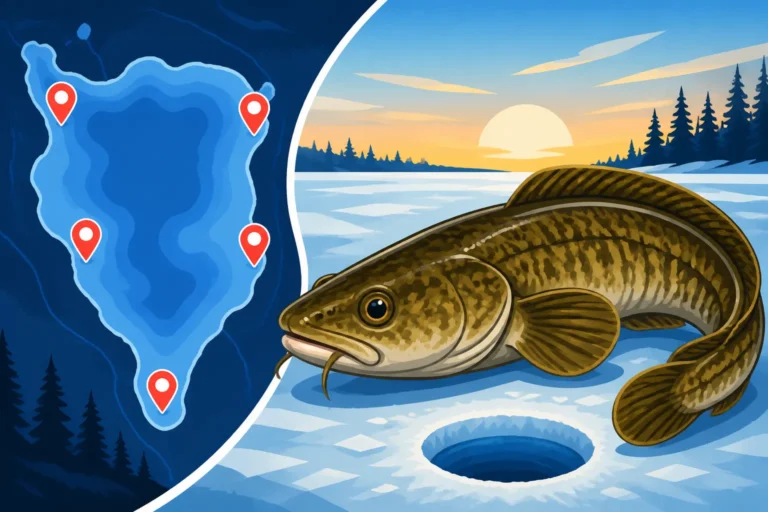
Winter brings the long, productive ice fishing season. The Peace Country's lakes freeze thick and solid, offering months of safe access for anglers. Ice Fishing in Alberta is a popular pastime, with anglers targeting Walleye, Northern Pike, and especially Burbot. Lesser Slave Lake, Lac La Biche, and Sturgeon Lake are all popular destinations. Burbot, often overlooked in open water, become a primary target through the ice. Jigging with glow-in-the-dark lures tipped with bait is highly effective for these nocturnal bottom dwellers, as outlined in our guide on How to Catch Burbot Through the Ice. Always prioritize safety when ice fishing, ensuring the ice is thick enough (see How thick ice needs to be to fish safely in Alberta) and going with a buddy. If you're new to ice fishing up north, considering a guided trip through FishingBooker can be an excellent way to learn the ropes and safely experience this unique winter pursuit.
Essential Gear and Local Knowledge
To be successful in the Peace Country, your gear needs to be up to the task. For pike and walleye, medium-heavy to heavy action rods with reliable baitcasting or spinning reels are recommended. Spools should be filled with strong braided line, often with a fluorocarbon or wire leader for pike to prevent bite-offs. A diverse tackle box with a variety of spoons, crankbaits, jigs, and soft plastics in different colours and sizes will ensure you're prepared for whatever the fish are biting. A good fish finder (check out Best Fish Finders for Alberta Lakes) is invaluable, especially on the larger lakes and rivers, for locating structure and schools of fish.
Beyond the gear, local knowledge is arguably your most powerful tool. The Peace Country is vast, and conditions can vary wildly from one area to another. Don't be afraid to strike up conversations with locals at tackle shops, campgrounds, or boat launches. They often have invaluable insights into recent patterns, productive spots, and specific local regulations. Booking a trip with a local guide, especially through a platform like FishingBooker, can fast-track your learning curve, giving you years of local knowledge in just a day or two on the water.
Disclaimer
Please remember that fishing regulations in Alberta are subject to change. Always consult the most current Alberta Guide to Sportfishing Regulations before heading out on any fishing trip. This guide is for informational purposes only and does not replace official regulatory documents. Ensure you have the appropriate licenses and adhere to all local rules and safety guidelines.