Best fishing spots on the Elbow River
Oh, the Elbow River! It’s a beautiful, winding ribbon of water that snakes its way from the mountains into Calgary, but finding those truly productive fishing spots can feel like trying to solve a riddle wrapped in an enigma. Many anglers, especially those new to the area, often feel frustrated trying to pinpoint where to cast their line on this often-fickle river. This guide is here to untangle that mystery, giving you the inside scoop on the best stretches to explore, what fish you can expect to find, and how to approach this unique Alberta fishery.
Understanding the Elbow River Fishery
The Elbow River is a gem, offering a truly diverse angling experience as it transitions from its cold, clear headwaters in Kananaskis Country through the foothills and into the urban landscape of Calgary. However, its proximity to the city means it also sees a fair bit of recreational use, and its water levels can fluctuate dramatically with mountain runoff and rainfall. This variability can be a real challenge, making consistent fishing a bit of a moving target. But don't let that deter you; with the right knowledge, the Elbow can be incredibly rewarding, producing some stunning wild trout.
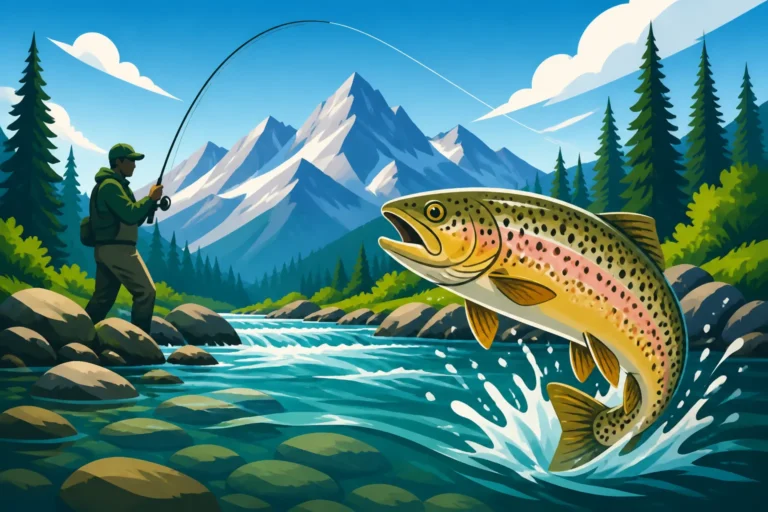
This river is primarily a trout stream, home to a mix of native and stocked species. While not as famous as its big sister, the Bow River, the Elbow has its own distinct charm and offers a more intimate fishing experience, particularly in its upper reaches. The fish here are often wild and wary, requiring a stealthy approach and precise presentations. It’s not uncommon to spend a day enjoying the solitude, only to be rewarded with a feisty brown or rainbow trout that tested your skills.
Key Fishing Zones on the Elbow River
The Elbow River essentially breaks down into several distinct sections, each offering different access, fish populations, and fishing challenges. Understanding these zones is crucial to finding your perfect spot.
The Upper Elbow: Wilderness and Wild Trout
Upstream of Bragg Creek, the Elbow River flows through rugged Kananaskis Country. This is where you’ll find the purest, coldest water, and the highest concentration of wild trout. Access here is often through hiking trails or forestry roads, meaning less pressure but more effort. Think serene pools, pocket water, and riffles surrounded by towering pines and the crisp mountain air. This stretch is a haven for cutthroat and bull trout, though rainbows and brown trout also make an appearance. Remember, bull trout are a protected species in Alberta and operate under a strict Alberta Bull Trout Zero Possession Rule, meaning all must be immediately released unharmed.
You'll find numerous pull-offs and small campgrounds along Highway 66 as you head west from Bragg Creek, offering various points of entry. The fish in this section are notoriously picky, often requiring delicate presentations with small flies or lures. If you're a fly angler, this is your paradise, though ultralight spin gear can also be effective. The scenery alone makes a trip to the Upper Elbow worth it, even if the fish are playing hard to get. It’s a fantastic place to practice your stealth and presentation skills in a truly wild setting. Many anglers even look for local guides through platforms like FishingBooker to navigate these more remote areas effectively, learning the local secrets.
The Mid-Elbow: Bragg Creek to Redwood Meadows
As the river flows through and past Bragg Creek, it transitions slightly. Here, you'll still find good populations of wild trout, but access becomes a little easier, and the river broadens in some areas. Bragg Creek Provincial Park and other public lands provide convenient access points, often with parking and clear paths to the riverbank. This section is popular for both fly fishing and spin fishing. The fish here are still wild and strong, but perhaps a tad less finicky than their upstream cousins, especially if you hit it on a good day.
This stretch is particularly good for brown trout and rainbow trout. You’ll encounter a mix of deeper runs, faster riffles, and more braided sections as the river moves through flatter terrain. It’s a great area for wading, though be mindful of private property boundaries. Checking the Alberta Guide to Sportfishing Regulations is always a good idea, as specific rules, like those for barbless hooks, might apply to certain zones. It’s also important to be aware of other river users, as this area can be popular for tubing and kayaking in warmer months.
The Lower Elbow: Weaselhead to Downtown Calgary
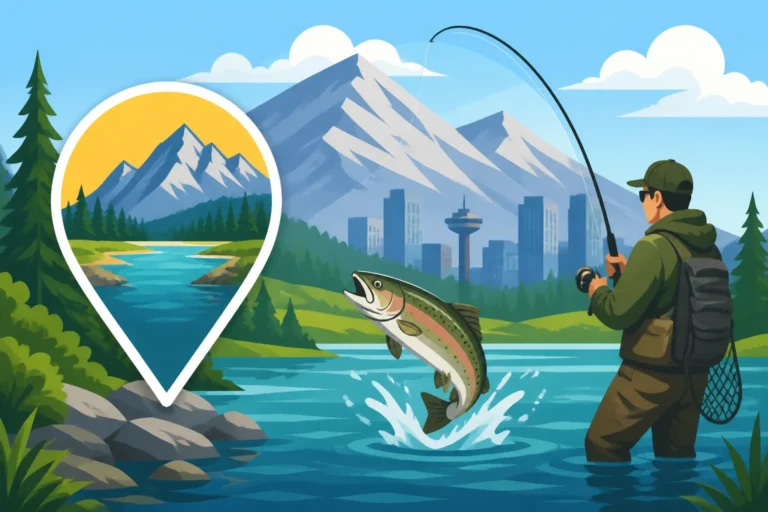
Once the Elbow River enters the Calgary city limits, the landscape changes dramatically, but the fishing doesn't necessarily stop. This section, particularly around the Weaselhead Natural Area and through parks like Sandy Beach, offers surprisingly good urban fishing opportunities. Access is abundant, with numerous parks, walking paths, and bridges providing easy entry. The fish here are accustomed to more human presence, yet they can still be challenging and rewarding.
The Lower Elbow holds a healthy population of rainbow trout and brown trout, many of which are wild, having migrated upstream from the Bow River. You might even encounter mountain whitefish, especially in cooler months. While the water clarity can be more variable here due to urban runoff, dedicated anglers can find success, often targeting deeper pools, undercut banks, and structure created by bridges or fallen trees. This area is fantastic for a quick evening fishing session after work, or a weekend outing where you don't want to travel far. Just remember to be extra vigilant about keeping the area clean – we want to protect these urban fisheries. You can often find local tips from fishing forums or even some independent guides listed on platforms like FishingBooker who specialize in urban river fishing.
Here's a quick look at the characteristics of these different sections:
| River Section | Primary Access Points | Target Species | Recommended Gear/Technique | Key Considerations |
|---|---|---|---|---|
| Upper Elbow | Hwy 66 pull-offs, designated Kananaskis trails | Cutthroat Trout, Bull Trout (C&R), Rainbow Trout | Light Fly Rods (3-5wt), Ultralight Spin Gear, Small Lures/Flies | Remote, rocky wading, conservation focus (Bull Trout) |
| Mid-Elbow | Bragg Creek Provincial Park, Redwood Meadows access | Brown Trout, Rainbow Trout, Mountain Whitefish | Fly Rods (4-6wt), Medium-Light Spin Gear, Streamers, Nymphs | Mix of public/private land, popular for recreation |
| Lower Elbow | Weaselhead Natural Area, Sandy Beach Park, city parks | Rainbow Trout, Brown Trout, Mountain Whitefish, Perch | Fly Rods (5-7wt), Medium Spin Gear, Spinners, Worms, Streamers | Urban setting, variable clarity, easy access, occasional panfish |
Tackling the Elbow: Best Techniques and Baits for Success
Fishing the Elbow River requires a bit of finesse and adaptability, largely because of its variable conditions and the wary nature of its trout. You won't find trophy walleye here, but you'll certainly have a chance at some beautiful trout.
Fly Fishing the Elbow River
For many, fly fishing is the quintessential way to experience the Elbow. In the upper and middle reaches, matching the hatch is often key. During the spring, look for stoneflies and caddis. As summer progresses, terrestrials like hoppers and ants, along with various mayfly hatches, become important. Nymphing with imitations of caddis larvae, stoneflies, or pheasant tails is consistently effective, especially in deeper runs and pocket water. Streamers can also entice larger brown trout, particularly during overcast days or in lower light conditions.
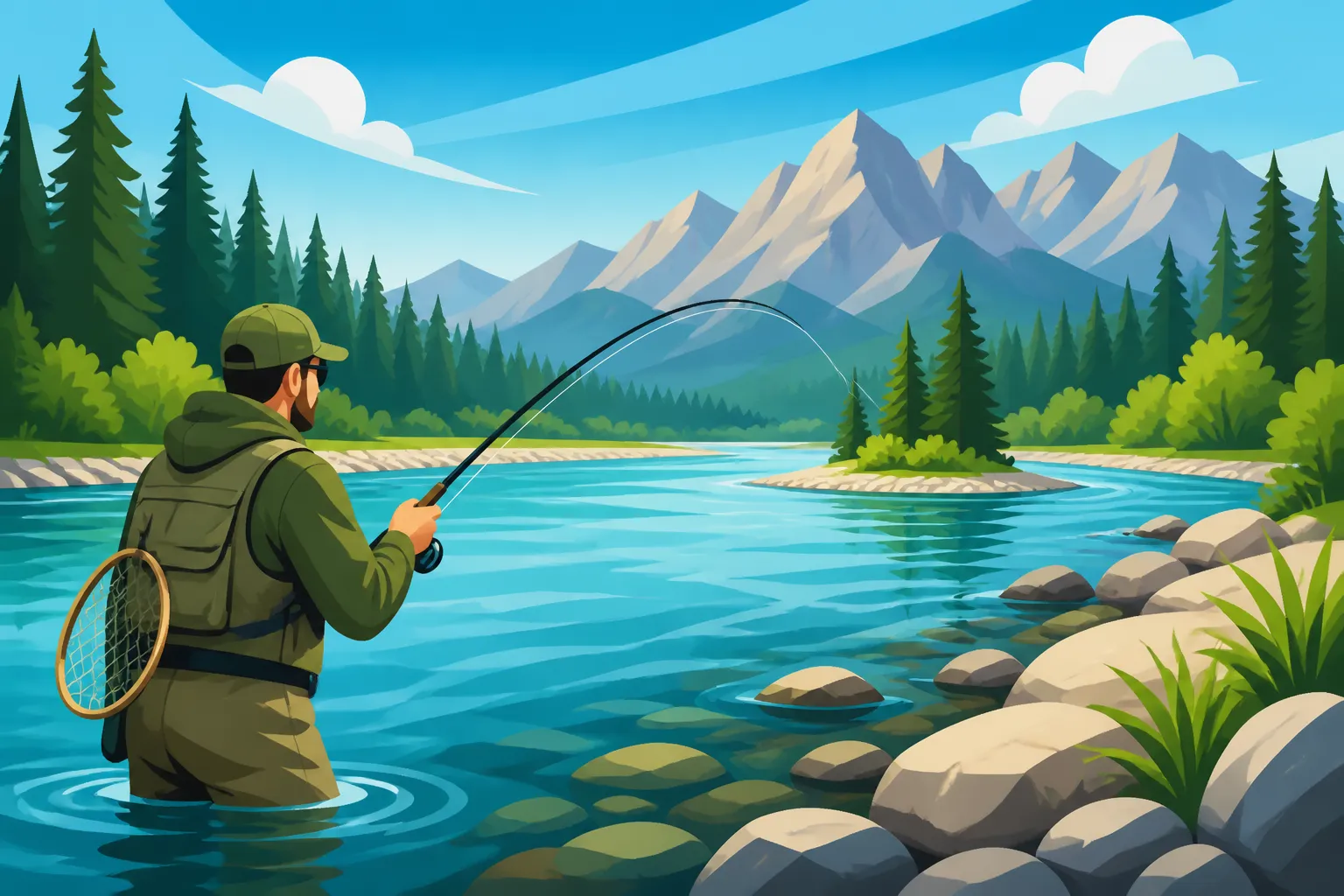
Wading is common, but you'll need good Best Waders for Alberta Trout Rivers and sturdy wading boots, as the river bottom can be rocky and slippery, especially after high water. Stealth is paramount, as the clear water in many sections means fish can spot you easily. A longer leader and fine tippet will often increase your success rate. If you're looking to refine your technique, especially for challenging conditions, consider booking a lesson with a local expert; sometimes you can find these guides through specialized platforms, though for fly fishing, a local fly shop might be your first stop.
Spin Fishing for Elbow River Trout
Spin anglers can also find great success on the Elbow River. Ultralight to medium-light spinning gear is ideal, allowing for delicate presentations. Small inline spinners, such as Mepps or Panther Martin, in silver, gold, or black, are perennial favorites. Small spoons, like the Little Cleo or a five of diamonds, can also trigger strikes. When the water is a bit higher or off-color, brighter colors can sometimes grab attention.
Soft plastics, particularly small grubs or minnow imitations rigged on a light jig head, can be deadly in deeper pools or slow-moving runs. Bait fishing, using worms or PowerBait, can also be effective, especially in stocked sections or for beginners. However, always check the Alberta Fishing Regulations Explained for bait restrictions, as many trout streams in Alberta, including parts of the Elbow, have specific rules against bait use to protect wild fish populations. These regulations can change, so a quick check before you head out is never a bad idea.
Navigating Regulations and Conservation on the Elbow
Fishing the Elbow River, like any waterbody in Alberta, comes with a set of rules designed to protect the fish and ensure sustainable angling for future generations. Ignoring these rules can lead to significant penalties, so it's always worth taking the time to understand them fully. You'll need an Alberta Fishing License Guide for 2026 before you even think about casting a line. This is non-negotiable for anyone over the age of 16 (and under 65 for residents, with specific exemptions).
Beyond the general license, the Elbow River falls under specific management zones and often has unique regulations for different stretches. This might include special harvest limits for certain species, bait restrictions, or even mandatory catch-and-release rules. For instance, the aforementioned zero possession limit on bull trout is critical. Knowing how to properly catch and release fish, especially sensitive species, is a skill every angler should master to minimize harm. Resources for this are readily available, including official guides and videos.
Conservation efforts are vital for the health of the Elbow River. This urban and semi-urban fishery faces pressures from pollution, habitat degradation, and overfishing. Anglers play a crucial role in its protection. Practicing responsible catch and release, packing out all your trash (and maybe even a little extra you find!), and reporting any suspicious activity helps ensure this beautiful river remains a vibrant fishery for years to come. Remember, we're all stewards of these incredible natural resources. If you're serious about ethical angling, consider checking out the MyWildAlberta portal for all the up-to-date information, or even connecting with local conservation groups who organize clean-up events.
Disclaimer
The information provided in this guide is for general informational purposes only and is subject to change. Fishing regulations, season dates, and access points can vary and are updated periodically by Alberta Environment and Protected Areas. Always consult the most current version of the Alberta Guide to Sportfishing Regulations before planning your fishing trip to the Elbow River or any other waterbody. Local conditions, such as water levels and clarity, can also affect fishing success and safety. Fish responsibly and practice Leave No Trace principles.