Best winter fishing spots in Alberta
The biting cold of an Alberta winter can feel daunting, making many anglers pack away their rods until spring. But what if I told you that some of the most thrilling and rewarding fishing experiences in our province happen right through the ice? It's easy to feel overwhelmed by the vastness of our frozen lakes and rivers, unsure where to even begin, but this comprehensive guide will cut through the chill and pinpoint the best winter fishing spots across Alberta, ensuring your next hardwater adventure is a memorable one.
Embracing the Chill: Winter Fishing Fundamentals in Alberta
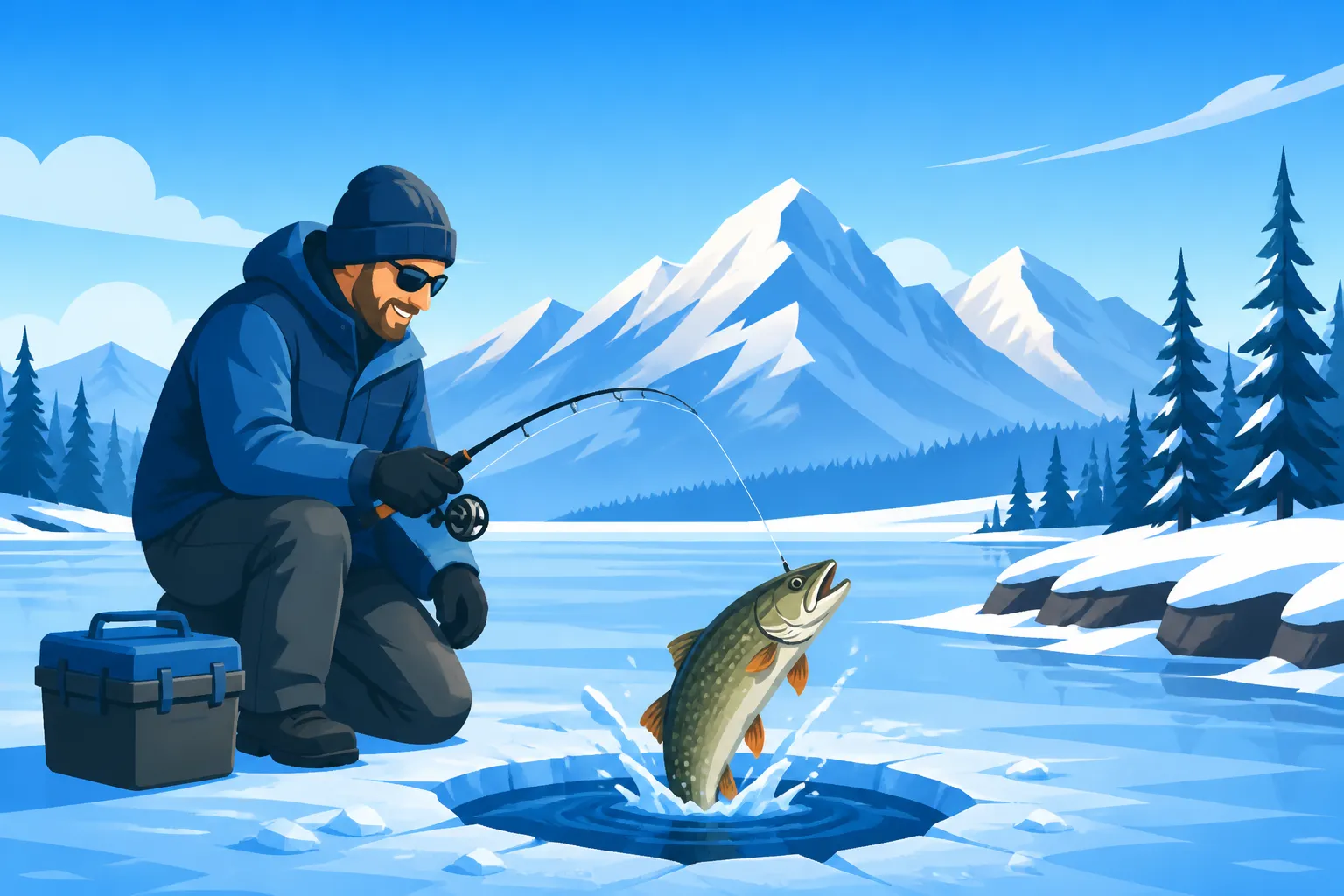
Winter in Alberta transforms our watery landscapes into vast, frozen playgrounds, offering a unique angling experience. However, the thrill of ice fishing comes hand-in-hand with essential considerations, particularly regarding safety and understanding how our finned friends behave under the ice. It’s not just about drilling a hole; it’s about respecting the environment and knowing your quarry.
Navigating Ice Safety and Conditions
The number one rule of ice fishing is simple: safety first. There’s a natural apprehension about walking onto a frozen lake, and that’s a healthy instinct. Never assume the ice is safe, even if others are out there. Conditions can vary dramatically across a single body of water, from one day to the next, and even from one hour to the next due to factors like currents, springs, snow cover, and recent temperature fluctuations.
Always check local conditions before heading out. Alberta Environment and Protected Areas (AEPA) doesn't typically monitor ice thickness, so it's up to you to be vigilant. Many local tackle shops, bait shops, and even online fishing forums or community groups often share real-time ice reports. However, these are just reports; always verify for yourself. A minimum of four inches of clear, new ice is generally recommended for walking, five inches for a snowmobile or ATV, and eight to twelve inches for a car or light truck. It’s always best to be overly cautious, especially at the beginning and end of the ice fishing season. Carrying ice picks, a rope, and knowing how to self-rescue are non-negotiable preparations for any hardwater excursion. Make sure you understand How thick ice needs to be to fish safely in Alberta.
Common Winter Species and Their Habits
Alberta's diverse aquatic ecosystems support a variety of fish species that remain active under the ice, offering fantastic winter angling opportunities. Knowing what you're targeting and how they behave in the cold will significantly boost your success.
Walleye, for instance, tend to school up in winter, often preferring humps, drop-offs, and points where they can ambush baitfish. They might be a bit lethargic compared to their summer counterparts, but a properly presented jig or spoon can be irresistible. Northern Pike are often found in shallower, weedy bays, especially during "first ice" and "last ice," but can also be found deeper near structure. They are ambush predators and will readily hit larger spoons, swimbaits, or dead bait. Yellow Perch are a favourite for many ice anglers, especially beginners, as they are plentiful, relatively easy to catch, and delicious. They typically school in shallower areas, often near weed beds or soft bottom transitions, making them accessible to a wider range of anglers. Lake Trout, found in our deeper, colder lakes, will often cruise along structure like reefs and deep points, requiring heavier jigs, spoons, or even downrigging techniques (if using an ice boat, a rare but effective method on large lakes). Then there's the often-overlooked Burbot, a freshwater cod relative that becomes incredibly active in winter, especially at night. They frequent deeper mud flats and humps, making for excellent evening and night fishing. Learning How to Catch Burbot Through the Ice can open up a whole new world of winter angling.
Top Ice Fishing Lakes for Hardwater Anglers
When the lakes freeze over, Alberta truly shines as an ice fishing destination. We have an incredible selection of lakes, each offering something a little different, from trophy-sized predators to family-friendly panfish action. Getting to know a few key spots will give you a great foundation for your winter adventures.
Lesser Slave Lake: Walleye and Pike Heaven
Lesser Slave Lake is a legend in Alberta fishing circles, and for good reason. It’s one of the largest lakes entirely within Alberta’s borders and a truly spectacular winter fishery, primarily for Walleye and Northern Pike. The sheer size of this lake can be intimidating, but its diverse structure, from sprawling flats to sharp drop-offs, provides ample habitat for fish.
During winter, walleye often congregate along subtle contours, old river channels, and near points extending into deeper water. Targeting depths of 15 to 30 feet is often a good starting point, using vertical jigging spoons tipped with a minnow head or small soft plastics. Patience is key, as walleye bites can be subtle in the cold water. Pike, on the other hand, frequently patrol the shallower weed edges and breaklines, especially where they can ambush unsuspecting baitfish. Large spoons, tip-ups with dead bait (like herring or sardines), or larger jigging raps can be incredibly effective. Access points around Widewater, Joussard, and Faust offer diverse opportunities. If you're new to the area or trying a new lake, consider booking a trip through platforms like FishingBooker to connect with experienced local guides who can share real-time ice conditions and hot spots. They can also point you towards the best ice fishing access on Lesser Slave Lake.
Cold Lake: Home of Monster Lake Trout
For those seeking a true winter challenge and the possibility of a trophy catch, Cold Lake is the destination. This deep, clear, cold-water lake, straddling the Alberta-Saskatchewan border, is renowned for its colossal Lake Trout. This isn't a fishery for the faint of heart; it often requires specialized gear and techniques.
Lake trout in Cold Lake can be found cruising immense depths, sometimes 50 to 100 feet or more, but they will also move shallower to feed. Look for them around major underwater structure like humps, reefs, and dramatic drop-offs. Heavy spoons, tube jigs, and specialized jigging raps are popular choices, often tipped with a piece of smelt or herring. The fight from a Cold Lake laker through a small hole in the ice is something you won't soon forget! Ice conditions on Cold Lake can be tricky due to its depth and vastness, so always exercise extreme caution and check with local outfitters. Fishing on Cold Lake during winter means being prepared for anything the elements throw at you.
Pigeon Lake: Consistent Perch and Pike Action
If you're looking for a more accessible, often family-friendly ice fishing experience with consistent action, Pigeon Lake, just southwest of Edmonton, is an excellent choice. It's not as deep or vast as Slave or Cold Lake, but it offers fantastic opportunities for Yellow Perch and Northern Pike.
Perch are the main draw here, schooling up in large numbers and providing steady bites, which is perfect for keeping kids engaged or just enjoying a relaxed day on the ice. They are typically found in 10-25 feet of water, often near the edges of historical weed beds or soft bottom areas. Small jigging spoons, ice jigs tipped with a maggot, wax worm, or a small piece of shrimp are usually irresistible. Pike are also abundant, often found lurking near structure or the remaining weed lines in shallower water. Larger spoons, tip-ups with minnows, or even simple dead bait presentations can entice these toothy critters. Pigeon Lake offers relatively easy access and usually develops safe ice quickly, making it a popular early-season destination. This spot is also known for being one of the Best Ice Fishing Lakes in Alberta for beginners.
Sylvan Lake: Diverse Species and Easy Access
Sylvan Lake, situated conveniently between Red Deer and Calgary, offers a fantastic blend of easy access and diverse winter fishing opportunities. It’s a popular spot for both day-trippers and those looking to set up an ice shack for a weekend. You can find Walleye, Northern Pike, and Yellow Perch here, often in the same general areas.
For walleye, focus on the deeper flats and the many underwater humps and points that Sylvan Lake possesses. Depths from 20 to 40 feet can be productive, and vertical jigging with spoons or specialized walleye jigs tipped with bait is a common technique. Pike can be found closer to shore in shallower bays, especially early and late in the season, or around structure such as the deeper weed lines. Tip-ups are very effective here, as are larger spoons. Perch will often school up on the shallower flats and near the edges of drop-offs, providing plenty of action for those using small jigs and baits. The convenience of Sylvan Lake, with multiple access points and proximity to amenities, makes it a comfortable choice for a winter outing.
Here’s a quick overview of some prime winter fishing lakes in Alberta:
| Lake Name | Primary Species | Typical Depths (ft) | Key Techniques | Notes |
|---|---|---|---|---|
| Lesser Slave Lake | Walleye, Northern Pike | 15-30 (Walleye), 5-15 (Pike) | Vertical Jigging, Tip-ups, Deadsticking | Massive lake, consider guides, diverse structure. |
| Cold Lake | Lake Trout, Burbot | 50-100+ (Trout), 30-60 (Burbot) | Heavy Spoons, Tube Jigs, Smelt | Trophy potential, deep water, specialized gear. |
| Pigeon Lake | Yellow Perch, Pike | 10-25 (Perch), 5-15 (Pike) | Small Jigs, Spoons, Live/Dead Bait | Family-friendly, good for beginners, consistent action. |
| Sylvan Lake | Walleye, Pike, Perch | 20-40 (Walleye), 5-20 (Pike/Perch) | Jigging Spoons, Tip-ups, Small Jigs | Easy access, diverse species, popular destination. |
| Lac Ste. Anne | Walleye, Pike, Perch | 10-25 | Vertical Jigging, Spoons | Good for walleye, close to Edmonton. |
| Gull Lake | Pike, Perch | 5-20 | Tip-ups, Spoons, Small Jigs | Popular, shallow, good for aggressive pike. |
Open Water Opportunities in the Dead of Winter
While ice fishing dominates the winter angling scene in Alberta, some unique conditions allow for open-water fishing even when everything else is frozen solid. These spots are often less crowded and offer a different kind of challenge and reward. It’s a wonderful alternative for those who prefer casting a line over drilling a hole.
Tailwaters and Springs: The Unfrozen Gems
Certain rivers in Alberta benefit from unique geological or man-made conditions that prevent them from freezing completely, even in the coldest months. These "tailwaters" – rivers flowing out from under dams – often retain warmer water temperatures due to the depths from which the water is released. Similarly, sections fed by underground springs can stay ice-free.
The most famous example is undoubtedly the Bow River through Calgary and downstream, particularly below the Bearspaw Dam. While much of the Bow will freeze, significant stretches remain open, offering world-class trout fishing year-round. Here, anglers can target resident Rainbow Trout and Brown Trout, which remain active and will readily take nymphs, streamers, and even small dry flies on warmer winter days. Wading can be challenging due to cold water and potentially slippery rocks, so proper Best Waders for Alberta Trout Rivers and a wading staff are essential. Always be aware of current speeds and potential ice shelves along the banks. Other smaller spring-fed creeks might also offer open water, but these are often local secrets and require careful research and respect for private property. Remember, regulations like Alberta Fishing Season Dates by Zone still apply, even on open water.
Rivers with Partial Ice Cover
Beyond the continuously open tailwaters, some of Alberta's larger rivers, such as the North Saskatchewan, Red Deer, and Oldman Rivers, can present pockets of open water, especially in areas with strong current, rapids, or inflows. These aren't always consistent, and conditions can change rapidly, but they offer exciting opportunities for the adventurous angler.
When exploring these partially frozen rivers, safety is paramount. Never venture onto thin or unstable ice to reach open water. Stick to established bank access points or areas known to remain open. In these spots, you might target species like Mountain Whitefish, which are very active in cold water, or even Walleye and Northern Pike that congregate in deeper pools adjacent to current breaks. Spin fishing with spoons, jigs, or even bottom-bouncing rigs with bait can be effective. Fly anglers might find success with heavy nymphing rigs or streamers. It's a different game than summer fishing, requiring careful observation of the water, understanding where fish might hold in the slower currents, and, of course, bundling up! For those considering these more adventurous river trips, consulting with local shops or perhaps even an outfitter through FishingBooker can provide invaluable, up-to-date local knowledge.
Essential Tips for a Successful Alberta Winter Fishing Trip
Preparing for a winter fishing trip in Alberta is about more than just knowing where to go; it's about having the right gear, understanding the best techniques, and being fully aware of the regulations. The elements can be harsh, but with proper preparation, you can turn a potentially miserable day into an incredibly rewarding one.
Gear Up for the Cold and the Catch
Winter fishing demands specialized gear to keep you warm, safe, and effective on the ice. Your comfort directly impacts your enjoyment and ability to focus on fishing.
First and foremost, dress in layers. A good base layer, insulating mid-layers, and a waterproof/windproof outer shell are crucial. Insulated boots, warm gloves or mittens, and a good hat that covers your ears are non-negotiable. Many anglers swear by a portable ice hut or shelter, often equipped with a heater, which creates a warm, comfortable haven on the ice. These shelters can range from simple pop-up tents to elaborate, insulated shacks. An ice auger is, of course, essential for drilling holes. Consider whether a manual, propane, or electric auger best suits your needs, especially if you plan to drill many holes or target deeper ice. For fishing, specialized ice fishing rods, which are shorter and stiffer, are designed for sensitivity and handling fish in close quarters. A good fish finder or sonar unit, like a Vexilar or Humminbird flasher, is a game-changer, allowing you to see fish, your bait, and the bottom structure in real-time, greatly increasing your success rate. For the ultimate setup, explore the Best Ice Fishing Gear for Alberta and consider bringing a portable power source to keep your electronics charged.
Baits and Lures That Dominate the Ice
When the water temperatures plummet, fish metabolism slows down, making them less aggressive. Your bait and lure choices need to reflect this, focusing on presentation and attraction.
For species like Walleye, Northern Pike, and Lake Trout, jigging spoons are incredibly versatile. Colors like silver, gold, chartreuse, and white are often productive. Tipping these spoons with a small minnow head, a piece of smelt, or even a plastic tail can add scent and attraction. Jigging raps or similar lipless crankbaits can also be very effective, mimicking baitfish with their erratic action. Deadsticking, where a second rod (if regulations allow and you have an additional valid license tag) is set with a dead bait on a hook suspended just off the bottom, is often incredibly productive for walleye and burbot, especially in conjunction with an active jigging rod. For Yellow Perch, smaller ice jigs, tear drops, or tiny spoons tipped with maggots, wax worms, or even a small piece of shrimp are usually the ticket. Burbot are notoriously attracted to cut bait, such as herring or sardines, fished near the bottom. The key for most species is a slow, methodical presentation with pauses, allowing the fish time to commit to the strike. Learning specific techniques like Jigging for Burbot Through the Ice can really boost your success.
Navigating Regulations and Seasons
Even with all the right gear and knowledge, a successful and legal fishing trip hinges on understanding Alberta's regulations. These rules are in place to protect our fisheries and ensure sustainable angling for generations to come.
Before you even step on the ice, ensure you have a valid Alberta fishing license and a Wildlife Identification Number (WIN) card. You can find comprehensive details in the Alberta Fishing License Guide for 2026. Remember that regulations, including bag and possession limits, size restrictions, and special harvest quotas, can vary significantly by water body and even by specific zone. The Alberta Guide to Sportfishing Regulations is your bible for these trips, and it's available online and at most license vendors. Pay close attention to season dates for each zone, especially for species like Walleye, which often have specific winter seasons and sometimes even special harvest draws. For instance, the Alberta Walleye Special Harvest Licence Program requires a separate draw. Always double-check the latest regulations, as they can change. A quick glance at the Alberta Guide to Sportfishing Regulations or even consulting a local guide via a platform like FishingBooker can save you a lot of headaches and potential fines. Being aware of the Alberta Bag and Possession Limits by Species for your target fish is critical.
Disclaimer
The information provided in this guide is for general informational purposes only and is subject to change. Always consult the official Alberta Guide to Sportfishing Regulations and verify local ice conditions and forecasts before venturing out onto the ice or open water. Fishing involves inherent risks, and personal safety is your responsibility.