Best public fishing access near Fort McMurray
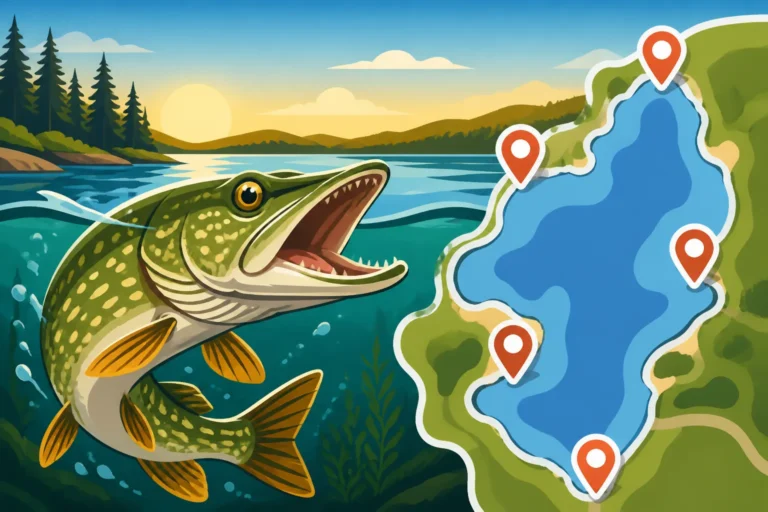
Finding accessible public fishing spots near Fort McMurray can sometimes feel like trying to find a needle in a haystack, especially with the region's vast and often remote landscape. Many anglers struggle to pinpoint locations that are not only productive but also genuinely open to public access without requiring extensive bushwhacking or private property navigation. This comprehensive guide aims to cut through that frustration, offering detailed insights into the best public fishing access points around Fort McMurray, helping you spend less time searching and more time with a line in the water.
Understanding the Unique Fishing Landscape Near Fort McMurray
The Fort McMurray region, nestled in the heart of Northern Alberta, presents a truly unique environment for anglers. Unlike some of the more populated areas further south with well-established recreational lakes, fishing here often means embracing a more rugged, wilderness experience. The landscape is dominated by vast boreal forests, winding rivers, and numerous lakes, many of which are quite remote. This natural setting offers incredible opportunities for species like northern pike, walleye, burbot, and various whitefish, but it also comes with specific challenges for public access.
Many of the prime fishing spots might not have paved boat launches or designated fishing piers. Instead, public access often involves finding a suitable bank along a river, launching a smaller boat or canoe from an undeveloped shore, or accessing lakes via Crown land. The industrial presence in the region also means that some areas might have restricted access, making it crucial to understand exactly where you can legally and safely cast a line. The key is knowing which waterways offer a genuine welcome to the public, even if it means a bit of a drive or a short trek.
The Major River Systems and Their Opportunities
The mighty Athabasca River, a truly iconic Canadian waterway, flows right through Fort McMurray, joining with the Clearwater River in the heart of the city. These two rivers form the backbone of the region's fishing scene. The Athabasca is known for its incredible walleye, northern pike, burbot, and various whitefish populations. It’s a huge river, so understanding where to find fish and how to approach such a large system is crucial. The Clearwater, though smaller, offers similar species and can be a fantastic option, especially during certain times of the year.
Accessing these rivers can be done from various points. Within Fort McMurray itself, there are some developed spots where you can get to the water's edge. However, venturing a bit outside the city limits often provides more serene and productive angling experiences. Remember that river fishing, especially on systems as powerful as the Athabasca, requires careful attention to current, water levels, and safety. A good understanding of how to read the water and what techniques to use for Walleye Fishing in Alberta or Northern Pike Fishing in Alberta in moving water will greatly improve your success.
Smaller Lakes and Stocked Pond Options
While the big rivers often grab the spotlight, the Fort McMurray area also boasts numerous smaller lakes and, in some cases, stocked ponds that offer more relaxed and family-friendly fishing opportunities. These smaller bodies of water can be a fantastic option for those looking to avoid the strong currents of the rivers or for anglers targeting stocked trout. Often, these lakes have easier bank access or designated areas for launching canoes or kayaks, making them a great starting point, especially if you're introducing kids to fishing.
The Alberta Environment and Protected Areas (AEPA) actively stocks many ponds and smaller lakes across the province, and the Fort McMurray region benefits from this program. These stocked waters are often well-maintained and provide consistent action for species like rainbow trout, which can be a fun target on lighter tackle. Always check the current Alberta Fishing Regulations Explained to see which lakes are stocked and what specific rules might apply to them, as regulations can vary significantly from one water body to another, particularly regarding species, limits, and season dates.
Key Public Fishing Access Points Around Fort McMurray
When you're looking to cast a line near Fort McMurray, it's about knowing the specific spots that offer real, dependable public access. These aren't always grand fishing parks, but rather places where you can legally and practically get to the water. Some involve a short drive, others might be right in town, but all are worth considering for your next angling adventure.
The Athabasca River Public Access Points
The Athabasca River is a colossal waterway, and finding good access points can make all the difference. Within Fort McMurray, there are a few places to get to the banks, but often the best fishing requires a bit of an outing.
- Downtown Fort McMurray Waterfront: While not always the most productive for trophy fish, the downtown waterfront offers convenient access for bank fishing. You can often find areas to cast from, especially for goldeye, perch, and smaller pike. It's a great spot for a quick after-work session or to introduce beginners to fishing without venturing too far. There aren't dedicated boat launches right in the downtown core, but for walk-in access, it's an option.
- Athabasca Bridge Area (Highway 63): Just outside the immediate downtown, the areas around the Athabasca Bridge on Highway 63 can offer various informal access points. Anglers often find paths leading to the river's edge, suitable for bank fishing. For those with canoes or small boats, some gravel areas might allow for hand launches, depending on water levels. This area can be productive for walleye and pike, especially in slower eddies or current breaks. Always exercise caution near highway infrastructure and ensure you're on public land.
- Further Upstream/Downstream Access: For more serious river anglers, exploring off main roads further upstream or downstream from Fort McMurray can yield better results. This often means driving down less-maintained roads, keeping an eye out for provincial Crown land access signs. Remember to respect private property boundaries. A solid strategy here might be to look for public land adjacent to the river on maps, then scout it out.
Athabasca River Fishing Guidehas more details on fishing this mighty waterway. Using a boat is often the best way to cover water on the Athabasca effectively, allowing you to target deeper channels and structure that bank anglers can't reach.
Clearwater River Access
The Clearwater River, which merges with the Athabasca in Fort McMurray, offers a slightly different river fishing experience. It's generally smaller and can feel a bit more intimate than the vast Athabasca.
- Lower Clearwater Confluence: The area where the Clearwater meets the Athabasca is a popular spot, especially during certain times of the year. The mixing of waters can create excellent feeding grounds for various species. Access here is similar to the downtown Athabasca points, offering bank fishing opportunities.
- Upstream Areas: As you move further upstream on the Clearwater, access becomes more rustic. There are fewer developed points, but adventurous anglers with kayaks or canoes can find places to launch. The rewards here can be fantastic, with good numbers of pike and walleye, and even mountain whitefish in the clearer upper stretches. This is where a robust Best Kayaks for Alberta Fishing setup could really shine, allowing you to access quieter, less pressured sections of the river.
Lake Athabasca (Fort Chipewyan)
While quite a distance from Fort McMurray, no discussion of regional fishing is complete without mentioning Lake Athabasca, particularly the access points near Fort Chipewyan. This massive lake is a world-class fishery, famous for its trophy lake trout, northern pike, and walleye.
- Fort Chipewyan Access: To access Lake Athabasca, you'll typically need to make the journey to Fort Chipewyan. This usually means flying in or taking the winter road when it's open. Once there, boat launches are available for larger vessels. Fishing this lake is an expedition, not a day trip from Fort McMurray. However, if you're serious about massive fish and an unparalleled wilderness experience, it's worth the planning. Lake Athabasca Fishing Guide delves deeper into what makes this northern gem so special. Many anglers use services like FishingBooker to find experienced local guides operating out of Fort Chipewyan who can safely navigate the massive lake and put you on fish.
Local Stocked Ponds and Lakes
For more convenient and often highly productive fishing, especially for families or those new to the sport, the local stocked waters are excellent choices.
- Gregoire Lake Provincial Park: Located south of Fort McMurray, Gregoire Lake is a popular destination and offers much more developed access. The provincial park provides boat launches, day-use areas, and camping facilities. It's a fantastic spot for northern pike, walleye, and yellow perch. The accessibility here is a huge draw, and it's a great spot to take a boat or even fish from shore. It’s also a good place to consider for Best Boats for Alberta Lakes and Rivers that are suitable for larger water.
- Community Stocked Ponds: Fort McMurray and surrounding communities might have smaller, regularly stocked ponds (often referred to as "family fishing ponds"). These are usually stocked with rainbow trout and provide an easy, enjoyable fishing experience, often with amenities like picnic tables and washrooms. While specific names and stocking schedules can change, checking the MyWildAlberta website or the Alberta Fishing Regulations App and Zone Lookup, Explained is your best bet for the most current information. These ponds are perfect for teaching kids how to fish or for a relaxing afternoon without the need for extensive gear.
Here's a quick overview of some potential public access points and their general offerings:
| Access Point | Primary Species Targeted | Typical Access Method | Notes |
|---|---|---|---|
| Athabasca River (Downtown FM) | Goldeye, Perch, Smaller Pike | Bank Fishing | Convenient, good for casual fishing, some informal launch areas. |
| Athabasca River (Hwy 63 area) | Walleye, Northern Pike, Burbot | Bank Fishing, Hand Launch (small) | Better for active fishing, requires more scouting for good spots. |
| Clearwater River (Confluence) | Walleye, Northern Pike, Whitefish | Bank Fishing | Productive where waters mix, similar to downtown Athabasca access. |
| Gregoire Lake Provincial Park | Northern Pike, Walleye, Perch | Boat Launch, Bank Fishing | Developed park, good amenities, great for family and larger boats. |
| Community Stocked Ponds | Rainbow Trout | Bank Fishing | Excellent for beginners/kids, regularly stocked, easy access. |
| Lake Athabasca (Fort Chipewyan) | Lake Trout, Walleye, Pike | Boat Launch (Expedition) | World-class, but remote; plan for a multi-day trip, guides recommended. |
Planning Your Fishing Trip Near Fort McMurray
Once you've identified a promising spot, proper planning is key to a successful and enjoyable fishing trip around Fort McMurray. This isn't just about packing your tackle box; it's about understanding the regulations, preparing for the environment, and ensuring you have all the necessary licenses and safety equipment.
Essential Licenses and Regulations
Before you even think about baiting a hook, you absolutely need to make sure you're properly licensed. In Alberta, this means having an Alberta WIN Card, Explained and a valid Alberta Fishing License Guide for 2026. These are non-negotiable. Even if you're fishing a stocked pond, these are typically required for anyone over the age of 16 and under 65 (with some exceptions like Indigenous treaty rights or specific free fishing weekends).
Beyond the general license, it's critical to consult the most current Alberta Fishing Regulations Explained. These regulations are updated annually and are often zone-specific and even waterbody-specific. For instance, Alberta Bag and Possession Limits by Species will vary dramatically between a river and a lake, or for different species. Special regulations, such as catch-and-release only sections or bait restrictions, are common, especially on sensitive trout streams or in specific conservation areas. The Reading the Alberta Guide to Sportfishing Regulations is your bible. Ignorance of the rules is not an excuse, and penalties for non-compliance can be steep. Many anglers download the MyWildAlberta app for easy access to the regulations while out on the water.
Gear Up for Northern Alberta Conditions
The northern Alberta environment can be demanding, and your gear needs to be up to the task. Depending on where and when you're fishing, your tackle will vary.
- River Fishing: For the Athabasca and Clearwater rivers, you'll want heavier action rods capable of handling strong currents and larger fish like pike and walleye. Medium-heavy spinning or baitcasting setups with 10-20 lb braided line are a good starting point. Lures like crankbaits, jigs with soft plastics, and spinnerbaits are staples. If you're targeting whitefish, lighter tackle with small jigs or flies can be effective.
- Lake Fishing: On lakes like Gregoire, similar gear to river fishing works well for pike and walleye. Trolling can be very effective, so having a boat equipped for that, perhaps with a fish finder, will increase your odds. For stocked ponds, a light to medium action spinning rod with 4-8 lb monofilament or fluorocarbon line is perfect for trout. Small spoons, spinners, and powerbait are popular choices.
- Seasonal Considerations: In spring and fall, layered clothing is essential as temperatures can fluctuate wildly. Summer brings mosquitoes and black flies, so bug repellent is a must. If you're planning to go Ice Fishing in Alberta during winter, the gear requirements are entirely different – from ice augers and shelters to specialized winter fishing rods and warm clothing. Always be prepared for sudden weather changes.
Safety on the Water
Safety should always be your top priority, especially in the more remote areas around Fort McMurray.
- Tell Someone Your Plan: Always let someone know where you're going, when you expect to return, and what your backup plan is. Cell service can be spotty or non-existent in many areas outside the city.
- Boating Safety: If you're heading out on the water in a boat, make sure it's in good working order and you have all required Life Jacket Requirements for Alberta Boaters (one for each person) and other safety equipment. Ensure you understand Alberta Boating Laws for Anglers, including any requirements for a Pleasure Craft Operator Card. The large rivers can have strong currents, submerged obstacles, and shifting sandbars, so navigation should be done with extreme care.
- Wildlife Awareness: This is bear country, so carrying bear spray and knowing how to use it is highly recommended, especially when fishing remote river banks or lake shores. Be aware of other wildlife and give them space.
- First Aid and Emergency Gear: Always carry a well-stocked first-aid kit, extra water, snacks, a map, compass or GPS (and know how to use them), and a reliable form of communication like a satellite messenger if venturing far off the beaten path.
While Fort McMurray might require a bit more legwork to find those perfect public fishing spots, the rewards are often well worth the effort. The pristine wilderness, diverse fish populations, and the solitude of northern angling offer an experience unlike any other. Remember to plan smart, fish responsibly, and always respect the incredible natural environment you're fortunate enough to enjoy.
Disclaimer
The information provided in this guide is for general informational purposes only and is subject to change. Fishing regulations, access points, and conditions can vary seasonally and annually. Always consult the most current Alberta Guide to Sportfishing Regulations or the MyWildAlberta website before planning any fishing trip to ensure compliance and safety. Fishing involves inherent risks, and anglers should always exercise caution and prioritize personal safety.