Jasper National Park Fishing Guide
There's nothing quite like the allure of casting a line into the pristine, emerald waters of the Canadian Rockies, but for many anglers, the thought of navigating the specific rules and regulations of a National Park like Jasper can feel like trying to tie a fly with numb fingers. The frustration is real – you want to enjoy the incredible natural beauty and the fantastic fishing opportunities, but you're worried about unknowingly breaking a rule or simply not knowing where to begin. This comprehensive guide is here to untangle those knots, providing you with everything you need to know to plan a successful and compliant fishing adventure in Jasper National Park.
Understanding Jasper National Park's Unique Fishing Regulations
Fishing within any national park in Canada, including the majestic Jasper National Park, isn't quite the same as fishing in provincial waters. The primary goal of Parks Canada is conservation, meaning the rules are often more stringent and focused on protecting the delicate ecosystems and native fish populations. You can't just rely on your standard Alberta fishing license; there's a whole separate set of guidelines you need to be aware of, and believe me, the park wardens take them very seriously. It's not worth risking a hefty fine or, even worse, harming the very environment you've come to enjoy.
National Park vs. Provincial Regulations
This is where many anglers get tripped up. You might have your Alberta Fishing License Guide for 2026 all sorted, but that won't grant you permission to fish within the boundaries of Jasper National Park. While provincial licenses cover most of Alberta's incredible fisheries, National Parks operate under the Canada National Parks Act and its specific fishing regulations. This means a distinct permit, different catch limits (often very restrictive or catch-and-release only), and sometimes unique gear restrictions. It’s a separate system designed to safeguard the park's natural heritage, which includes its aquatic inhabitants and their habitats.
Think of it this way: Alberta Fisheries and Wildlife is concerned with sustainable harvest and recreational opportunities across the province, while Parks Canada prioritizes ecological integrity above all else. This distinction is paramount, particularly when dealing with sensitive species like native trout. Before you even think about packing your tackle box, make sure you understand that a National Park fishing permit is a non-negotiable requirement, and the regulations within the park can supersede any provincial rule you might be accustomed to. Always check the current Parks Canada official guide specific to Jasper, as regulations can and do change.
Catch and Release, Gear Restrictions, and Permits
One of the most significant differences you'll encounter in Jasper National Park is the strong emphasis on catch-and-release fishing, especially for native species. Many waters are designated as "catch-and-release only," and even in areas where harvest is permitted, possession limits are typically very low. This isn't just a suggestion; it's a rule enforced to ensure the long-term health of fish populations. You'll often find specific tackle restrictions too, such as mandatory barbless hooks to minimize harm to fish, or even prohibitions on certain types of bait that could introduce foreign organisms or alter the aquatic environment.
The reasoning behind these restrictions is sound. Barbless hooks make it much easier to remove a hook with minimal damage to the fish's mouth, increasing its chances of survival. Restrictions on organic baits (like worms or roe) prevent the accidental introduction of diseases or invasive species that could devastate a pristine ecosystem. Understanding these nuances is key to being a responsible angler in a National Park. You'll need to purchase a specific Jasper National Park fishing permit, which will outline all the current regulations, including season dates, allowed methods, and specific waterbody rules.
Obtaining Your Jasper National Park Fishing Permit
Getting your permit is straightforward, but it's essential to do it before you cast your first line. You can't just pick one up at any corner store. These permits are issued directly by Parks Canada and are available at various park visitor centres, self-registration kiosks, or through authorized third-party vendors within the park gateway communities. The price is usually quite reasonable and supports conservation efforts within the park. When you purchase your permit, you'll also receive a copy of the Jasper National Park fishing regulations, which is your go-to document for all the specific rules. Read it thoroughly!
Remember that along with your permit, you'll also need a valid National Park entry pass to access the park itself. It's a two-part process: park entry, then fishing permit. Keep both readily accessible, as park wardens conduct regular checks. Failing to have either could result in fines. It's a small administrative step that ensures you're contributing to the preservation of this incredible natural wonder, and it sets you up for a worry-free day of fishing.
Prime Fishing Lakes and Rivers in Jasper
Jasper National Park is a massive expanse of breathtaking wilderness, and scattered throughout it are some truly spectacular fishing opportunities. From serene, emerald lakes reflecting jagged peaks to powerful, glacier-fed rivers, the diversity is astounding. Knowing where to focus your efforts can make all the difference, as different waters hold different species and present unique challenges and rewards.
Iconic Lakes: Maligne, Pyramid, and Beauvert
When people picture fishing in Jasper, they often think of its stunning lakes. Maligne Lake, perhaps the most famous, is renowned not just for its incredible beauty, but also for its strong populations of healthy rainbow trout and brook trout. However, Maligne Lake is a strictly catch-and-release fishery, and only non-motorized boats or electric motors are permitted. You can explore its vastness by canoe or kayak, working the deeper sections or fishing near the numerous small bays and inlets. The challenge here is often finding the fish in such a large body of water, but the reward is a truly magnificent setting.
Pyramid Lake, much closer to the town of Jasper, is another popular choice. It's stocked with rainbow trout and brook trout, making it a fantastic option for families or those looking for more consistent action. Electric motors are allowed here, making it easier to cover water if you have a small boat. There's also good shore access, especially around the Pyramid Lake Resort area. Then there's Beauvert Lake, a smaller, incredibly clear lake right near Fairmont Jasper Park Lodge. It’s heavily stocked with rainbow trout, making it an excellent spot for beginners or a quick fishing fix. Its crystal-clear waters, however, mean that fish can be spooky, so a stealthy approach is often required. These lakes offer distinct experiences, from the vast wilderness feel of Maligne to the accessible charm of Beauvert.
River Systems: Athabasca, Miette, and Astoria
Beyond the lakes, Jasper National Park is bisected by impressive river systems that offer a completely different angling experience. The mighty Athabasca River is the park's largest river and holds a variety of species, including rainbow trout, bull trout, and mountain whitefish. Fishing the Athabasca can be challenging due to its size and powerful currents, but it offers the chance for some truly wild fish. Sections near the townsite are accessible, but exploring further requires more effort and knowledge of the river. You might try drift fishing or wading in more accessible stretches, but always be aware of the fast-moving water.
The Miette River, which flows into the Athabasca, provides excellent opportunities for smaller trout. It's a classic mountain stream, with clear, cold water and plenty of riffles, runs, and pools. This is often prime territory for fly anglers, seeking cutthroat or rainbow trout with dry flies or nymphs. The Astoria River, flowing from the Tonquin Valley, is another beautiful mountain stream, offering similar opportunities for wild trout in a breathtaking, remote setting. Access to the Astoria typically involves some hiking, but the solitude and pristine fishing make it worth the effort. Always check the specific regulations for these rivers, as sections may have different rules regarding species limits or fishing methods.
Hidden Gems and Walk-in Waters
For those willing to put in a little extra effort, Jasper National Park holds numerous hidden gems and walk-in waters that can offer incredible solitude and rewarding fishing. These are often smaller, less-pressured lakes and streams tucked away in the backcountry, requiring a hike or sometimes even an overnight backpacking trip to access. Examples might include smaller alpine tarns in the Valley of the Five Lakes area or various unnamed creeks and ponds that feed into the larger river systems. These waters often hold smaller, but incredibly vibrant and feisty, trout species.
The beauty of these lesser-known spots is the chance for a truly wild experience. You might not catch a trophy-sized fish, but the sense of discovery and the untouched nature of the surroundings are priceless. Researching topographical maps and consulting with Parks Canada staff at visitor centers can help you identify potential walk-in opportunities. Remember, venturing into the backcountry requires proper preparation, including bear spray, navigation tools, and informing someone of your plans. These areas are often where you’ll find the purest form of fishing, away from the crowds and deeply connected to nature.
Here's a quick overview of some popular Jasper fishing spots:
| Waterbody | Primary Species | Typical Access | Key Regulations (Always Verify Current Guide) | Notes |
|---|---|---|---|---|
| Maligne Lake | Rainbow Trout, Brook Trout | Boat (non-motorized/electric), Shore | Catch & Release Only; No Belly Boats | Iconic scenery, large lake, can be challenging to locate fish. |
| Pyramid Lake | Rainbow Trout, Brook Trout | Boat (electric), Shore | Stocked, generally good catch rates. | Close to town, family-friendly, resort access. |
| Beauvert Lake | Rainbow Trout | Shore | Stocked, good for beginners. | Very clear water, easy access near Jasper Park Lodge. |
| Athabasca River | Rainbow Trout, Bull Trout, Mountain Whitefish | Shore, Wading, Drift Boat | Varies by section, check for Bull Trout rules | Large, powerful river, requires caution, opportunities for wild fish. |
| Miette River | Rainbow Trout, Cutthroat Trout | Wading, Shore | Catch & Release for native species often. | Classic mountain stream, ideal for fly fishing. |
| Astoria River | Rainbow Trout, Cutthroat Trout | Hike-in, Wading | Catch & Release for native species often. | Backcountry experience, pristine waters, solitude. |
| Snaring River | Rainbow Trout, Brook Trout, Dolly Varden | Hike-in, Wading | Check specific regulations. | Offers a more remote experience. |
Targeting Jasper's Native and Stocked Fish Species
The diverse aquatic environments within Jasper National Park support a fascinating array of fish species. Understanding what you're likely to encounter, and more importantly, which species are protected, is fundamental to being a responsible angler here. The park manages a careful balance between conservation of its native inhabitants and providing recreational opportunities with stocked fish.
Native Cutthroat and Bull Trout Conservation
Jasper is home to precious native trout species, specifically the Westslope Cutthroat Trout and the Bull Trout. These fish are incredibly important to the park's ecosystem and are highly protected. In fact, Bull Trout have a zero possession limit throughout Alberta, and the same often applies within the park, with some areas being strictly catch-and-release for these magnificent creatures. Catching a native Bull Trout or Cutthroat is a special experience, a testament to the wildness of these waters, but it comes with a strong responsibility to handle them with the utmost care and release them unharmed.
You'll find these native trout predominantly in the colder, pristine headwater streams and lakes, often in more remote areas. They are highly sensitive to habitat disturbance and overfishing, which is why the regulations are so strict. When you hook one, take a moment to admire its beauty, then release it quickly and gently. Familiarize yourself with proper Bull Trout Catch and Release Survival Tips, such as keeping the fish in the water as much as possible, using wet hands, and avoiding contact with their gills. These practices ensure these incredible fish continue to thrive for generations to come.
Rainbow and Brook Trout Opportunities
While conservation is paramount, Jasper National Park also offers fantastic fishing for stocked species like Rainbow Trout and Brook Trout. These non-native species are introduced into many of the more accessible lakes to provide consistent angling opportunities and reduce pressure on native populations. Lakes like Pyramid and Beauvert are regularly stocked, offering a good chance of success, especially for younger anglers or those new to fishing. Rainbow trout are known for their acrobatic fights, while brook trout, with their distinctive white-edged fins, are beautiful and often feisty.
These stocked fisheries are generally where you'll find more liberal regulations regarding catch limits, though they are still much lower than in many provincial waters. It’s important to distinguish between stocked and native fish, particularly trout. While stocked rainbows are often abundant, accidentally catching a native cutthroat or bull trout in a stocked water still means immediate, careful release. The park's fishing regulations guide will clearly outline which waters are stocked and what the specific rules are for each species.
Other Species and Ecosystem Considerations
Beyond the trout species, anglers in Jasper National Park might also encounter other fish. Mountain Whitefish are a common inhabitant of many of the larger rivers, including the Athabasca. These native fish are excellent on the fly and put up a surprisingly good fight. They are often overlooked but can provide great action, especially during colder months. Occasionally, other species like longnose suckers might be encountered, particularly in the larger river systems.
It’s crucial to understand that every fish you catch is part of a larger, interconnected ecosystem. Any bait you use, any fish you keep, and even the way you handle a released fish can impact this delicate balance. The park regulations are designed to minimize this impact. For example, some regulations might restrict the use of felt-soled wading boots to prevent the spread of aquatic invasive species. By understanding the local ecosystem and adhering strictly to the park's rules, you become a steward of this precious environment, ensuring its health for future generations of both fish and anglers.
Essential Gear and Techniques for Jasper Anglers
Heading into Jasper National Park unprepared for the diverse fishing conditions would be a mistake. From powerful rivers to placid lakes, and from the deep chill of glacier-fed waters to the bright sun of an alpine afternoon, your gear and techniques need to be adaptable. You don't necessarily need a whole boatload of expensive equipment, but having the right essentials will significantly increase your chances of success and enjoyment.
Fly Fishing vs. Spin Fishing: What to Bring
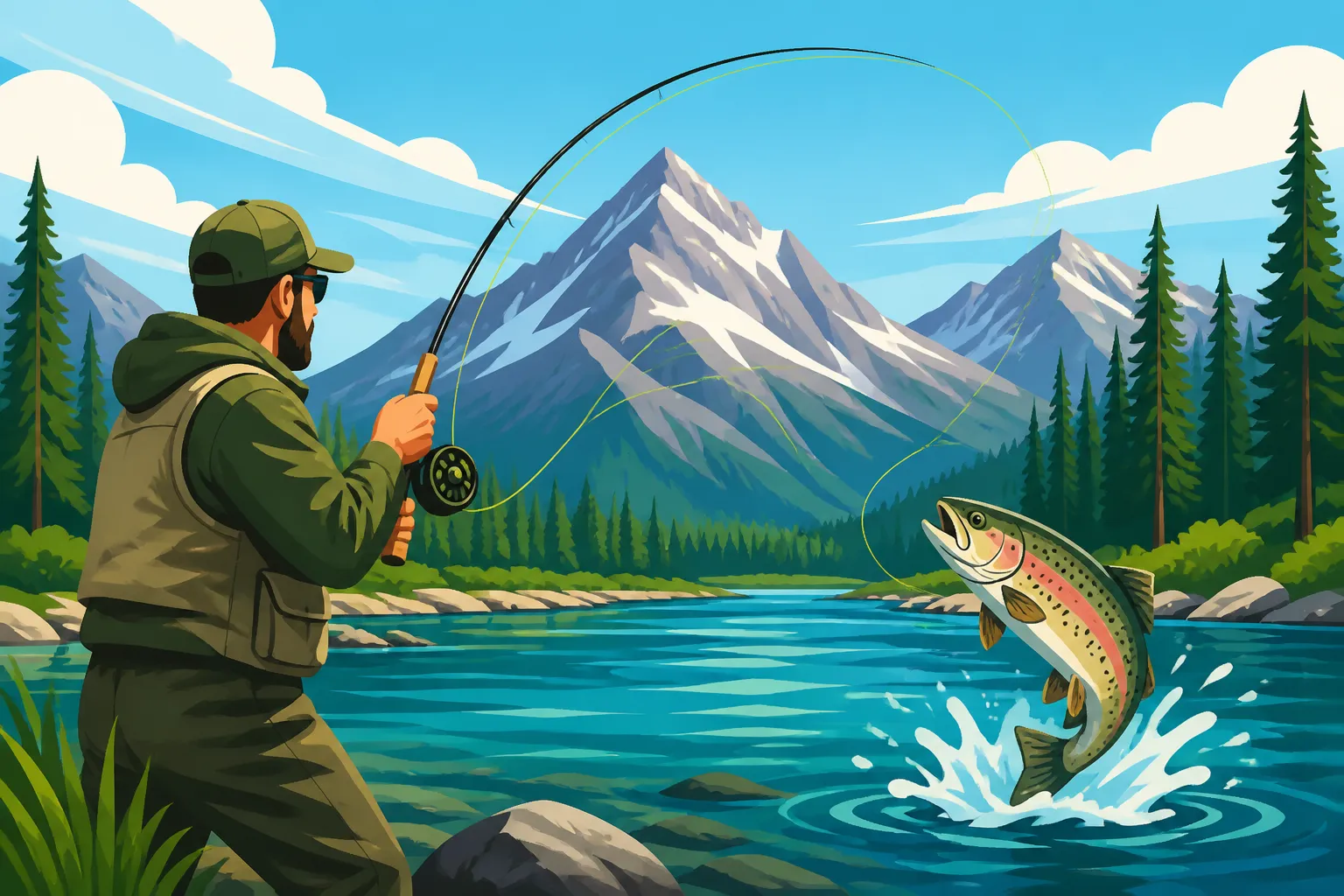
Both fly fishing and spin fishing have their place in Jasper. Fly fishing is incredibly popular, especially on the park's pristine rivers like the Miette and certain stretches of the Athabasca, where trout thrive. A 4- to 6-weight fly rod, paired with a floating line, will cover most trout fishing scenarios, from delicate dry fly presentations to nymphing the runs. Packing an assortment of Fly Patterns for the Bow River is a good start, as many of these patterns will work well in Jasper's trout streams too. Consider adding some streamers for bigger fish or when water levels are higher. Waders are almost essential for comfortable and effective fly fishing in many of the rivers, allowing you to access prime casting positions.
Spin anglers will also find plenty of opportunities, particularly on the larger lakes and rivers. A light to medium-light spinning rod (6-7 feet) with a sensitive tip is ideal. Pair it with a reliable spinning reel spooled with 6-10 lb fluorocarbon or braided line with a fluorocarbon leader. This setup offers versatility for casting spoons, spinners, and small crankbaits. For those venturing onto the lakes, especially for stocked fish, a spinning setup can often be more straightforward and accessible. The choice often comes down to personal preference and the specific water you plan to fish, but having gear for both, or at least understanding the advantages of each, can make you more versatile.
Lures, Flies, and Baits for Success
When it comes to terminal tackle, simplicity and versatility are your friends in Jasper. For fly anglers, a selection of nymphs (Prince Nymphs, Hare's Ear, Pheasant Tail), dry flies (Elk Hair Caddis, Adams, Parachute Adams), and a few small streamers (Woolly Buggers, Sculpzillas) will cover most situations. Matching the hatch is always ideal, but these general patterns often entice fish. Remember, many areas require barbless hooks, so be prepared to crimp down any barbs or purchase barbless hooks.
Spin anglers should pack an assortment of small to medium-sized spoons (like a Len Thompson or Five of Diamonds), inline spinners (Mepps, Panther Martin), and small stickbaits or crankbaits. Natural colors often work best in clear mountain waters, but having a few brighter options can be useful for stained conditions or aggressive fish. Live bait is often restricted or completely prohibited in Jasper National Park, particularly in sensitive trout waters, to prevent the introduction of foreign species or diseases. Always verify the specific bait regulations for the waterbody you intend to fish. A small tackle box with a focused selection rather than a huge, heavy one is usually the way to go.
Boating, Wading, and Shore Access Considerations
Accessing the best fishing spots in Jasper can vary wildly. Many of the larger lakes, like Pyramid and Maligne, have public boat launches, though restrictions on motor types apply. For example, Maligne Lake strictly prohibits gas motors. If you're bringing your own vessel, ensure it complies with Parks Canada regulations. Many anglers choose to use canoes, kayaks, or small boats with electric trolling motors for exploring the lakes. This is where a company like FishingBooker can be helpful, as you might find local outfitters listed who offer guided trips or boat rentals, providing direct access to prime spots without the hassle of transporting your own vessel.
For river fishing, wading is a primary method. Sturdy wading boots with good grip (rubber soles are generally preferred over felt to prevent invasive species transfer) and chest waders are essential for staying warm and dry in the cold glacier-fed waters. Always use a Best Wading Staff for Fast Current for safety, as river bottoms can be uneven and currents surprisingly strong. Many areas also offer excellent shore access, particularly around the more developed lake areas. However, some of the most rewarding spots, especially on the rivers, might require a bit of hiking to reach, so comfortable footwear is a must. Always consider local conditions and your personal safety when choosing your access method.
Seasonal Strategies for Fishing Jasper National Park
Just like anywhere else, fishing in Jasper National Park is heavily influenced by the seasons. The Rockies experience dramatic changes throughout the year, impacting water levels, temperatures, insect hatches, and fish behavior. Understanding these seasonal shifts is crucial for planning your trip and maximizing your success. There's no single "best" time to fish; rather, each season offers unique opportunities and challenges.
Spring Thaw and Early Season Action
Spring in Jasper, typically from late April to June, is a period of awakening. As the snow and ice begin to melt, rivers swell with cold, turbid runoff, making fishing challenging in many areas. However, this period also marks the opening of many lake fisheries as the ice recedes. While the high, cold water in rivers can be tough, some lake trout might be more active closer to the surface in the post-ice-off period, feeding on baitfish.
For early season river fishing, focusing on slower, deeper pockets or eddies where fish can escape the main current can be productive. Nymphing with heavier patterns is often the most effective technique as fish are still lethargic and feeding on subsurface insects. Water temperatures are still very cold, so proper layering and even insulated waders are key to staying comfortable. This is a time of transition, and patience is often rewarded with a quiet, uncrowded fishing experience as the park truly comes alive.
Summer Peaks and High-Country Adventures
Summer, from July through August, is the peak fishing season in Jasper National Park. River levels generally stabilize and clear up, and insect hatches become more prolific, leading to fantastic dry fly fishing opportunities on many streams. The longer daylight hours mean more time on the water, and the warmer temperatures (though mountain waters remain cold) make wading more comfortable. This is when the high-country lakes become accessible, offering incredible wilderness fishing for eager trout.
Lakes like Maligne and Pyramid are in full swing, and fish will be active. While shore fishing remains popular, this is also prime time for exploring by boat, canoe, or kayak. Target early mornings and late evenings for the best action, especially on brighter days when fish might retreat to deeper, cooler waters during midday. For those adventurous enough, summer also opens up access to remote hike-in lakes and streams, offering unparalleled solitude and the chance to catch vibrant, wild trout in breathtaking alpine settings. If you’re looking for a guided trip, this is a popular time, and a service like FishingBooker can help you find local Jasper guides who specialize in summer techniques.
Fall Colours and Late Season Bites
As September rolls in, Jasper transforms with a stunning display of fall colors, and the fishing can be exceptional. Water temperatures begin to cool, and many trout species become more active as they prepare for winter. River levels drop and clear further, making for excellent wading conditions and crystal-clear visibility. This is often considered prime time for targeting larger, more aggressive trout, especially brown trout (if present in specific provincial waters nearby, though less common in Jasper's protected waters) or rainbow trout.
Terrestrial patterns (imitating grasshoppers, ants, beetles) can be very effective on the rivers, as can streamers fished aggressively. On the lakes, fish might move into shallower areas to feed more actively. The crowds thin out after Labour Day, offering a more peaceful angling experience amidst the golden larch trees. The late fall, however, also brings the possibility of colder weather and even early snow, so being prepared for fluctuating conditions is crucial. Fishing might extend into October, but eventually, the waters will begin to freeze, signaling the end of the open water season.
Disclaimer
The information provided in this guide is for general informational purposes only and is based on typical regulations and conditions in Jasper National Park. Fishing regulations, season dates, and specific rules (including those for species, gear, and access) can change at any time. It is your sole responsibility to consult the most current and official Parks Canada Jasper National Park Fishing Regulations Guide before planning any fishing trip and while on the water. Failure to do so may result in fines or penalties. Always prioritize your safety and the conservation of the park's natural resources.