Alberta fishing without a license penalty
It's happened to the best of us: you're out on a beautiful Alberta lake or river, the fish are biting, and then you get that sinking feeling. Did I remember my license? Or maybe you thought you were exempt, only to find out you weren't. Fishing without a proper license in Alberta isn't just a minor oversight; it carries real, often hefty, penalties. This comprehensive guide will walk you through exactly what those penalties entail, how to ensure you're always compliant, and what to do if you ever find yourself in this unfortunate situation.
The Core Problem: Why Licenses Matter Beyond the Law
You might think a fishing license is just another piece of paper the government makes you buy, but it's much more than that. It's the cornerstone of sustainable fisheries management, and understanding its importance can help you appreciate why the rules are in place.
Understanding Alberta's Licensing System
Alberta boasts an incredible array of fish species and diverse fishing environments, from the pristine mountain streams of the Rockies to the vast, productive lakes of the prairies. To keep these ecosystems healthy and ensure future generations can enjoy them, the province relies on a well-structured licensing system. Your license fee isn't just a tax; it directly funds conservation efforts, habitat restoration projects, fish stocking programs, and the enforcement that protects our natural resources.
At its heart, an Alberta fishing license grants you the legal right to angle within specific regulations. This isn't just about buying a permit; it signifies your agreement to abide by the rules designed to protect fish populations and their habitats. Before you can even purchase a fishing license in Alberta, you'll need an Alberta WIN Card, Explained. This Wildlife Identification Number is your unique identifier within the provincial wildlife management system, linking you to any licenses or draws you participate in, whether for fishing or hunting. It's crucial to have both your WIN Card and your fishing license active and on your person when you're out on the water.
Common Scenarios Leading to Unlicensed Fishing
It's rare that someone intentionally sets out to break the law when it comes to fishing licenses. More often than not, unlicensed fishing stems from a misunderstanding or an honest mistake. Let's look at some common situations:
One frequent scenario involves individuals who are "just trying it out." Perhaps a friend invited them, they picked up a cheap rod at a local department store like Canadian Tire or Bass Pro Shops, and figured they'd give fishing a whirl for an afternoon. They might not realize that even for a few hours of casual fishing, a license is mandatory for almost everyone. This oversight can quickly turn a fun day into a costly one.
Another common issue is forgetting to renew an existing license. Many anglers buy their licenses annually and might simply lose track of the expiry date, especially if they don't fish year-round. An expired license is, for all intents and purposes, the same as no license at all in the eyes of the law. It's a good habit to check the expiration date on your license when you're doing your pre-trip gear checks, just like you would with your driver's license.
Misunderstanding exemptions is also a big one. For example, some people believe that children are always exempt, or that seniors are entirely free from needing a license. While there are specific exemptions, like the Alberta Youth Fishing License Exemption Under 16 or the Alberta Senior Fishing License Exemption at 65, these come with their own conditions. For instance, even if a youth is exempt from buying a license, they still must adhere to all fishing regulations, and sometimes a WIN Card is still required or highly recommended for record-keeping. Always check the current regulations carefully to confirm your eligibility for any exemption.
Finally, non-residents, whether from other Canadian provinces or international visitors, often overlook the specific Alberta Fishing License Guide for 2026. They might assume their home province's license is sufficient, or they might not be aware of Alberta's unique requirements, such as the need for an Alberta 1-Day Non-Resident Fishing License Cost or an Alberta 7-Day Non-Resident Fishing License Cost for shorter trips. It's vital for visitors to research and purchase the appropriate non-resident fishing license before casting a line.
The Cold Hard Facts: Penalties for Unlicensed Fishing
Now, let's get down to what actually happens if you're caught fishing without a valid license in Alberta. The consequences can range from an on-the-spot fine to more severe penalties, depending on the specifics of the situation and whether it's a repeat offense.
Fines and Monetary Consequences
The most immediate and common penalty for fishing without a license is a fine. In Alberta, a first offense for fishing without a license typically results in a minimum fine of around $180 to $250. However, this is just the starting point. The exact amount can vary depending on the discretion of the enforcement officer, the specific location, and if other infractions occurred simultaneously.
For instance, if you're caught fishing without a license and you've also exceeded the Alberta Walleye Limit by Zone, or you're fishing in a closed season like outside the Alberta Trout Season Opener Dates by Zone, the fines can quickly accumulate and become substantially higher. Each offense carries its own penalty. Imagine you're fishing a popular spot near Calgary, say on the Bow River, and you neglected to renew your license. An Alberta Fish and Wildlife officer might issue you a ticket on the spot. This isn't just a slap on the wrist; that $180-$250 fine is a real hit to the wallet for a mistake that could have been easily avoided for a fraction of the cost of the ticket itself.
Repeat offenders face even steeper consequences. If you've been caught without a license before, the fines can increase significantly, sometimes into the thousands of dollars. There might also be additional court costs or administrative fees if your case goes beyond a simple ticket. It's a powerful deterrent designed to ensure everyone contributes to the conservation efforts and respects the rules.
Equipment Seizure and Other Tangible Losses
Beyond monetary fines, one of the most frustrating and impactful penalties for anglers is the potential for equipment seizure. Alberta Fish and Wildlife officers have the authority to seize any fishing equipment used in the commission of an offense, including fishing without a license. This isn't limited to just your rod and reel; it can extend to your tackle box, lures, bait, and even your boat or other watercraft if it was used in the illegal activity.
Imagine you've invested heavily in a new setup – a high-end rod, a top-of-the-line reel, and a meticulously organized tackle box filled with specialized lures you found on Amazon. Getting that seized on a beautiful day out on Lesser Slave Lake because you forgot your license can be incredibly disheartening and costly. The process to potentially reclaim seized equipment can be lengthy, involve additional fees, and isn't always guaranteed, especially if the offense is severe or if you are a repeat offender. In some cases, seized equipment may be forfeited entirely to the Crown. This means you lose not only the money spent on the fine but also the value of your gear, which can easily total hundreds or even thousands of dollars.
Future Implications and Criminal Records
While a first-time offense for fishing without a license might not typically result in a criminal record, a conviction can have significant long-term implications for your ability to fish in Alberta. When you're found guilty of an offense under the Wildlife Act or the Fisheries (Alberta) Act, that conviction is recorded.
This record can result in a suspension or cancellation of your fishing privileges. You could be prohibited from purchasing or holding an Alberta fishing license for a period of time, sometimes for several years. Imagine being passionate about fishing, knowing all the best spots on the Bow River for trout or the prime walleye holes on Gull Lake, but being legally unable to cast a line. This forced sabbatical can be a truly bitter pill to swallow for avid anglers. For severe or repeated offenses, particularly those involving commercial poaching or gross disregard for conservation, charges could even escalate to a level that does result in a criminal record, though this is rare for simple license violations.
It's not just about the legal right to fish, either. Being convicted of an offense can affect your standing as a responsible outdoorsperson. Many anglers take pride in being stewards of the environment, and a conviction can tarnish that reputation within the angling community. It's a stark reminder that understanding and respecting the rules is fundamental to being a part of the Alberta fishing community.
Avoiding the Headache: How to Stay Compliant
Nobody wants to deal with fines, seized gear, or suspended fishing privileges. The good news is that avoiding these penalties is incredibly easy with a little foresight and organization.
Essential Steps to Get Your License
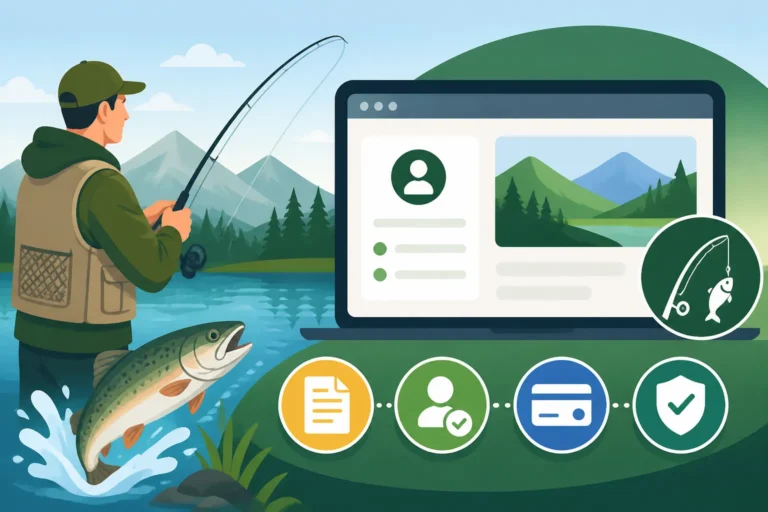
The most crucial step is, of course, obtaining a valid fishing license. For residents and non-residents alike, the process has been streamlined over the years. You can easily purchase your Alberta fishing license online through the MyWildAlberta portal. This is often the most convenient method, allowing you to buy your license from the comfort of your home. You'll need your WIN Card number handy. If you haven't got one yet, you can also apply for your Alberta WIN Card, Explained through the same portal. The online system makes it straightforward to navigate the various license options, including different durations for non-residents, and to process your payment.
Alternatively, if you prefer a more traditional approach, you can purchase your license in person at authorized license vendors across the province. These include many sporting goods stores, local general stores, and some co-op locations. They can often provide a physical printout of your license on the spot. No matter how you buy it, always double-check the expiry date immediately upon purchase. Most annual licenses expire on March 31st of the following year, regardless of when you purchased them in the current season, but it's vital to confirm. Remember, knowing how to print or carry a digital fishing license in Alberta is also important, as having proof on you is mandatory.
Understanding Exemptions and Special Cases
While most anglers require a license, some specific groups are exempt. Knowing if you fall into one of these categories can save you from an unnecessary purchase, but it doesn't exempt you from all regulations. For instance, children under the age of 16 are exempt from needing an Alberta fishing license age requirements. Similarly, Alberta Senior Fishing License Exemption at 65 means residents aged 65 and over do not need to purchase a license. However, even if exempt from purchasing a license, these individuals must still possess a valid WIN Card and adhere to all other Alberta Fishing Regulations Explained, including bag limits, season dates, and equipment restrictions.
Then there are special programs and specific species regulations that require extra attention. For example, if you're targeting Walleye, you might need to understand the Alberta Walleye Special Harvest Licence Program, which operates on a draw system in specific zones to allow limited harvest. Catching a Bull Trout, Alberta's native provincial fish, comes with a strict Alberta Bull Trout Zero Possession Rule, meaning they must be immediately released unharmed. These species-specific or program-specific rules are often more complex than standard regulations and underscore the importance of consulting the current year's Alberta Guide to Sportfishing Regulations thoroughly.
Being Prepared on the Water
Once you have your license, the next step is to ensure you're prepared for enforcement checks when you're actually out fishing. This means always carrying proof of your valid Alberta fishing license and your WIN Card. Whether you carry a physical copy in a waterproof holder (you can find plenty of options for these on Amazon) or a digital copy on your smartphone, ensure it's accessible and readable. Enforcement officers will ask to see it, and not having it readily available can lead to delays or further scrutiny.
Beyond your license, make it a habit to review the most current regulations for the specific body of water you're fishing. The Alberta Fishing Regulations App and Zone Lookup, Explained is an invaluable tool for this. It allows you to quickly check Alberta Fishing Season Dates by Zone, specific species limits like the Alberta Northern Pike Limit, and any special regulations that might apply to a particular lake or river. These regulations can change annually, and what was legal last year might not be this year. A quick check of the app or the physical guide can prevent unintended infractions. Knowing your zone, like ES1 or ES2, and checking the specific rules for that area before you even leave home is a smart move.
| Offense Category | Typical First Offense Fine | Potential Other Consequences |
|---|---|---|
| Fishing without a valid license | $180 – $250+ | Equipment seizure, license suspension |
| Fishing in a closed season/area | $250 – $1,000+ | Equipment seizure, license suspension, potentially higher fines |
| Exceeding bag/possession limits | $250 – $1,000+ per fish | Equipment seizure, license suspension, potentially higher fines |
| Using illegal gear/bait | $250 – $500+ | Equipment seizure, license suspension |
| Failing to produce license/WIN Card | $100 – $200+ | Follow-up charges if license is actually invalid |
Note: Fines are approximate and can vary based on circumstances, jurisdiction, and the discretion of enforcement officers. Repeat offenses can result in significantly higher penalties.
What to Do if You're Caught Without a License
Even with the best intentions, mistakes can happen. If you find yourself in the unfortunate situation of being approached by an Alberta Fish and Wildlife officer and you don't have a valid fishing license, here's how to handle it.
Interacting with Enforcement Officers
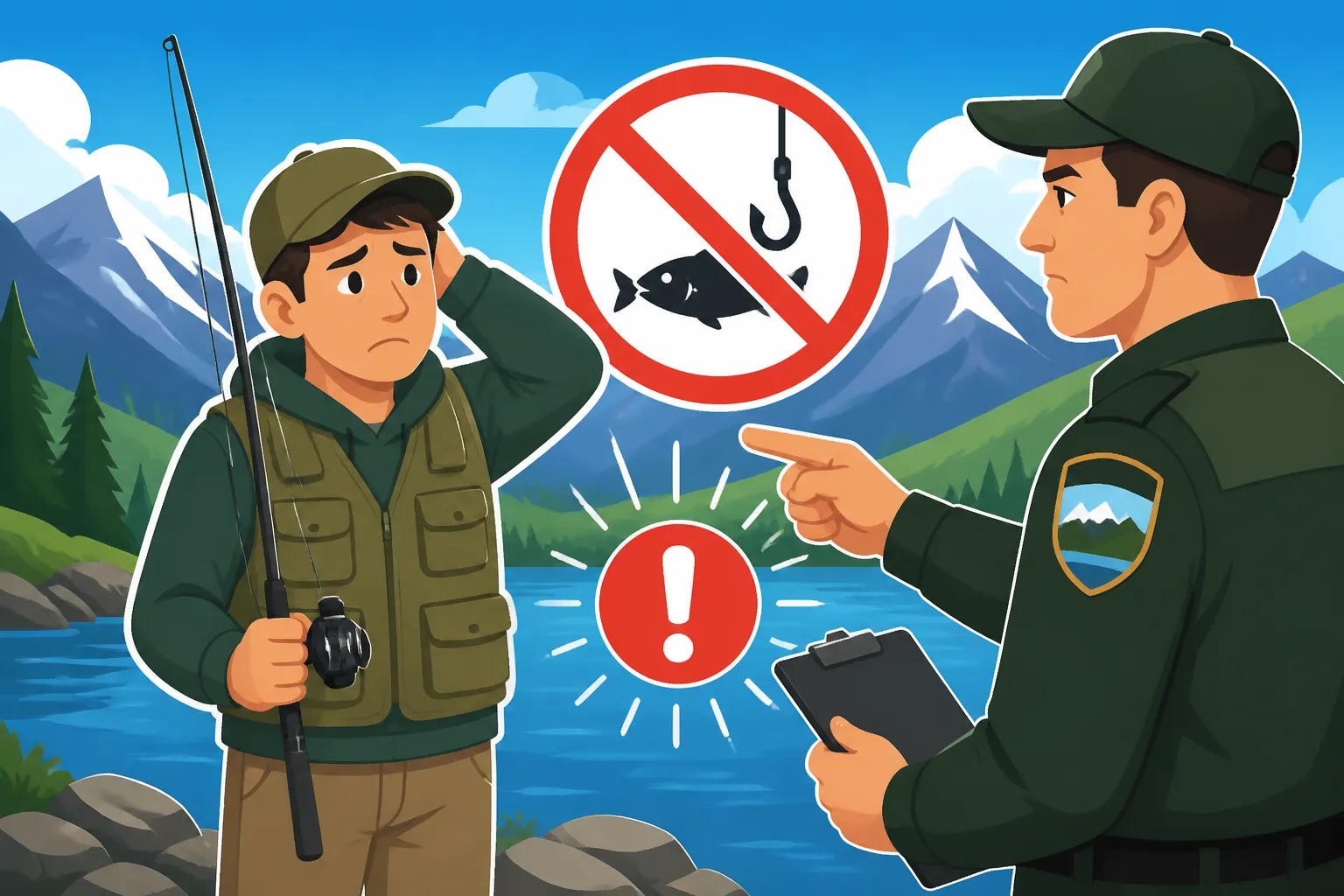
The absolute best course of action is to remain calm, polite, and cooperative. Enforcement officers are simply doing their job to protect Alberta's natural resources. Arguing, becoming aggressive, or attempting to evade them will only make the situation worse and could lead to additional charges.
When an officer requests your license and WIN Card, present whatever documentation you have. If you realize your license is expired or missing, be honest about it. Explain the situation clearly and respectfully. For example, "Officer, I genuinely thought I renewed it online, but I must have overlooked it, or perhaps I forgot to bring the digital copy today. I apologize." They will likely ask for your identification. Provide it without hesitation.
Remember, anything you say can be used in court, so stick to the facts and avoid making excuses or offering lengthy, complicated explanations. Just state the situation as simply as possible. While an officer may issue a warning in rare circumstances for minor technicalities, it's far more common to receive a ticket or a summons to appear in court. Your cooperative attitude, however, can go a long way in ensuring the interaction remains professional and doesn't escalate.
Legal Avenues and Recourse
If you are issued a ticket for fishing without a license, you have a few options. You can choose to pay the fine, which typically means admitting guilt to the offense. This is often the quickest way to resolve the issue, though it will result in a conviction on your record and the associated penalties.
Alternatively, you have the right to dispute the ticket in court. This might be a viable option if you genuinely believe there was a misunderstanding, you did have a valid license that wasn't properly recorded, or there was some other extenuating circumstance. For example, if you purchased your license through the MyWildAlberta portal but encountered a technical glitch that prevented it from being validly registered, you might have grounds to dispute. However, simply forgetting to renew or intentionally fishing without one usually won't hold up in court.
If you decide to dispute, it's often wise to seek legal advice. A lawyer specializing in environmental or regulatory law can advise you on the strength of your case and guide you through the court process. Keep in mind that going to court will involve your time, and potentially legal fees, which could end up being more expensive than the initial fine. Understanding the Alberta fishing without a license penalty upfront, and how to stay compliant, is always the easier and cheaper route in the long run. Even if you dispute, ensure you understand the rules for printing or carrying a digital fishing license in Alberta, as showing proof of a valid license is paramount.
Disclaimer
The information provided in this guide is for general informational purposes only and does not constitute legal advice. Fishing regulations and associated penalties in Alberta can change. It is always the responsibility of the individual angler to consult the most current Alberta Guide to Sportfishing Regulations and the relevant provincial legislation before engaging in any fishing activities. Always confirm regulations with Alberta Environment and Protected Areas or a qualified legal professional for specific situations.