Alberta life jacket fine per missing PFD
It’s a scenario no boater or angler wants to face: you're out on a beautiful Alberta lake or river, enjoying the peace and the promise of a catch, only to be stopped by an enforcement officer. The sinking feeling hits when they ask about your safety gear, and you realize you might be missing a life jacket. This guide is here to shed light on the specific penalties for not having the required Personal Flotation Devices (PFDs) in Alberta, helping you understand the rules and, more importantly, stay safe on the water.
Understanding the Specific Penalties for Missing Life Jackets in Alberta
Let's get straight to the point: the penalties for not complying with PFD requirements in Alberta are significant, and they're in place for a very good reason – your safety and the safety of everyone on board. It’s not just a minor infraction; it's a serious matter with real financial consequences and, more critically, potential life-threatening implications.
The Financial Hit: What a Fine Looks Like
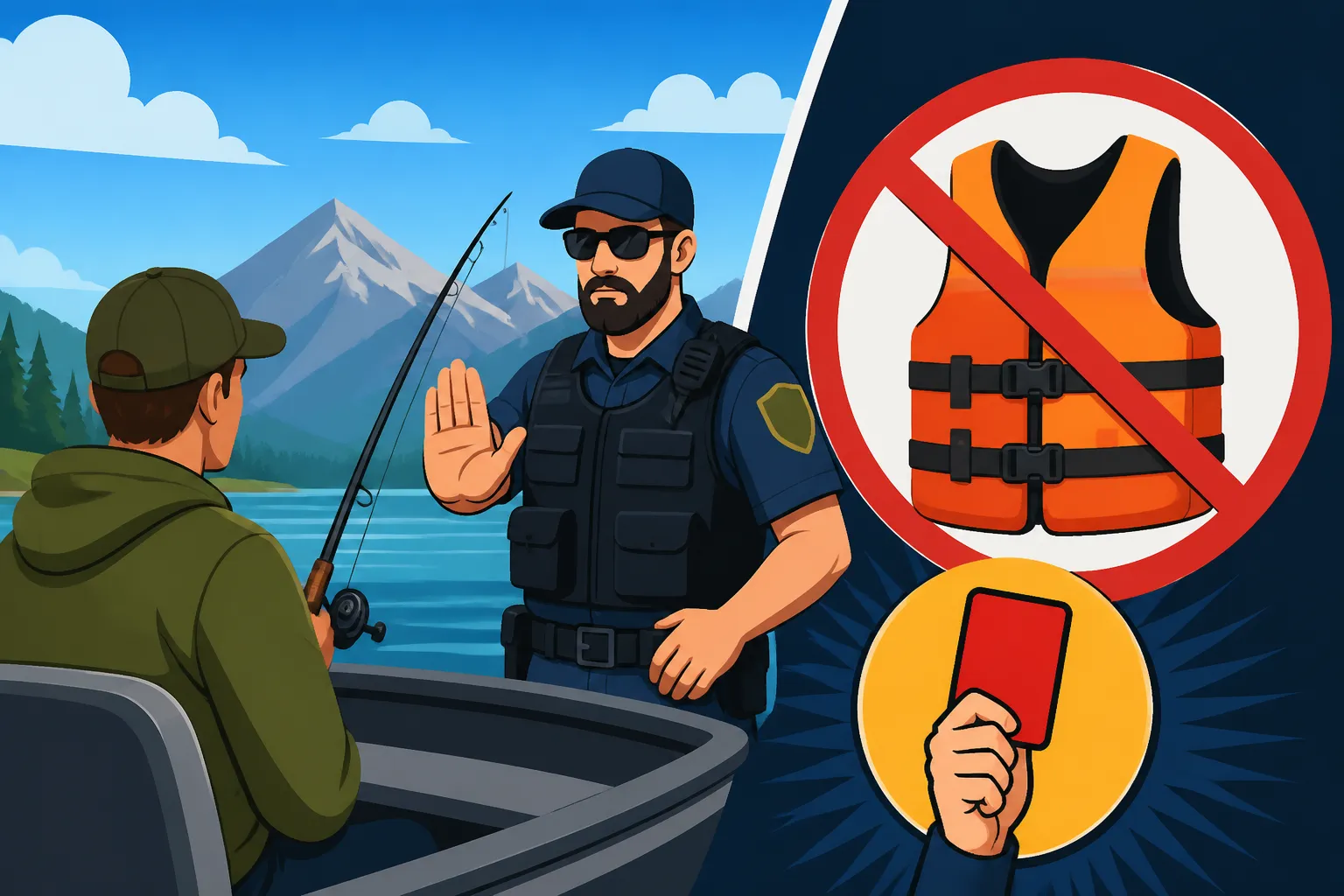
When an enforcement officer, be it a Fish and Wildlife officer, an RCMP officer, or a park ranger, discovers a lack of required PFDs, they aren't just giving a friendly reminder. They are enforcing federal regulations under the Canada Shipping Act, 2001, specifically the Small Vessel Regulations, which apply nationwide, including here in Alberta. These regulations mandate that every vessel must carry a Canadian-approved PFD or life jacket of appropriate size for each person on board. If you're found to be non-compliant, you're looking at a pretty hefty fine.
While the exact fine amounts can vary slightly depending on the specific legislation cited (e.g., federal Small Vessel Regulations vs. provincial acts like the Parks Act if you're in a provincial park), a common fine for not having the required PFDs can range anywhere from $250 to $500 per missing PFD. This isn't a "one fine covers all" situation; if you have four people on your boat and only three PFDs, you could be fined for each missing PFD. Imagine a family outing suddenly turning into a multi-hundred-dollar headache, all because someone forgot a single life jacket. It's a real bummer, and it happens more often than you'd think, especially to folks who are just out for a quick paddle or a short fishing trip and think they'll be fine.
Beyond the Ticket: Other Consequences and Complications
The financial penalty is just one piece of the puzzle. There can be other, less obvious, but equally frustrating consequences if you're caught without the necessary safety equipment.
- Ordered Ashore: In some cases, an officer might order you to immediately return to shore and not proceed until all safety deficiencies are corrected. This means your day of fishing or boating is over, potentially ruining a long-planned trip, especially if you've travelled a fair distance to get to a prime spot like Cold Lake or Lesser Slave Lake.
- Safety Risk and Liability: Let's be brutally honest: the biggest "penalty" is the risk to life. Should an accident occur, and someone without a PFD goes overboard, the outcome can be tragic. Beyond that, if you're the operator of the vessel, you could face severe legal liability, including criminal negligence charges, if someone is injured or worse due to a lack of proper safety equipment. This isn't just about a fine; it's about potentially carrying the burden of a preventable accident for the rest of your life.
- Insurance Implications: While not a direct fine, failing to comply with safety regulations can have serious implications for your boat insurance. If an incident occurs and it's found that you weren't carrying the legally required safety gear, your insurance claim could be denied, leaving you on the hook for damages to your vessel or medical expenses. It's an often-overlooked detail that can compound an already stressful situation. Make sure you're aware of all the Alberta Boating Laws for Anglers to avoid such issues.
Why Life Jackets Aren't Just a "Rule," They're a Lifeline
It's easy to view regulations as burdensome rules imposed by a faceless government entity. But when it comes to PFDs, these aren't just arbitrary guidelines. They are founded on decades of data, tragic incidents, and a fundamental understanding of water safety. Thinking of a life jacket as merely a "rule" you have to follow misses the profound reason for its existence: it saves lives.
The Unpredictable Nature of Alberta Waters
Our beautiful Alberta lakes and rivers, while inviting, can be incredibly unpredictable. One moment it's glassy calm, the next, a sudden squall whips up, turning placid waters into a choppy mess. Rivers like the Bow River, known for its fantastic trout fishing, can have strong, fast currents that will drag even strong swimmers downstream in an instant.
- Sudden Emergencies: Imagine you're fishing a quiet bay on Pigeon Lake. A sudden wake from a passing boat, an unexpected gust of wind, or even just slipping on a wet deck could send you or a passenger overboard. In cold Alberta waters, even a few minutes of immersion can lead to hypothermia, rapidly diminishing your ability to stay afloat or swim to safety. A PFD provides instant buoyancy, giving you crucial time to recover, signal for help, or be rescued.
- Cold Water Shock: Our waters, even in summer, rarely get truly warm. Early spring and late fall fishing, or any time on deeper lakes like Cold Lake, means water temperatures can be dangerously low. Cold water shock is a real phenomenon where sudden immersion can cause involuntary gasping, hyperventilation, and even cardiac arrest. A PFD keeps your head above water during this initial shock, which is often when most drownings occur.
- Fatigue and Injury: Fishing can be exhausting, especially during a long day on the water. If you fall in, fatigue can quickly set in. Likewise, an accident might leave you injured, unable to swim or tread water effectively. A PFD acts as a constant, passive safety net, supporting you without any effort on your part.
The Reality of Drowning Incidents
Sadly, drowning statistics consistently show that a vast majority of recreational boating fatalities involve individuals who were not wearing a PFD. It's not usually the lack of swimming ability that's the primary factor; it's the sudden, unexpected entry into the water, often compounded by cold water shock, injury, or simply being overwhelmed. A PFD significantly increases your chances of survival by keeping you afloat, visible, and conserving your energy. It's truly your first and best line of defence.
Consider a simple scenario: you're out Ice Fishing in Alberta in late winter. The ice is starting to thin, and you misjudge a patch, falling through. Without a PFD, fighting the cold, the heavy clothing, and the shock can make it almost impossible to get yourself out. With a PFD, you're immediately buoyant, can focus on self-rescue techniques or waiting for help, rather than fighting to keep your head above the icy water.
Navigating the Nuances of Alberta's PFD Requirements
The rules around PFDs can seem a bit overwhelming, especially with different types available. However, understanding these nuances is key to staying safe and avoiding those hefty fines. It's not just about having a life jacket; it's about having the right one, in the right condition, and wearing it correctly when needed. This isn't just about ticking a box; it's about practical safety.
PFD vs. Life Jacket: What's the Difference?
While often used interchangeably, there's a technical difference between a "life jacket" and a "PFD" (Personal Flotation Device) under Canadian regulations.
- Life Jackets: A traditional life jacket is designed to turn an unconscious person face-up in the water. They typically have more buoyancy in the front and a large collar. They are primarily designed for offshore use, where rescue might be delayed.
- PFDs: PFDs are generally more comfortable, less bulky, and designed for continuous wear during recreational activities. They offer good flotation but are not guaranteed to turn an unconscious person face-up. They are better suited for supervised waters and activities where rescue is likely to be prompt.
For most recreational anglers and boaters in Alberta, a Canadian-approved PFD is perfectly acceptable and often preferred due to comfort. The key is "Canadian-approved," which means it will bear a label from Transport Canada, the Canadian Coast Guard, or a recognized certification body. When shopping for PFDs, especially online, always ensure they meet Canadian standards. You can find a wide selection of approved PFDs on platforms like Amazon, but always double-check the certification before purchasing.
Sizing, Condition, and Accessibility
Having the correct number of PFDs is only the first step. The regulations go deeper than that:
- Appropriate Size: Each PFD must be of appropriate size for the person intended to wear it. A child's PFD won't work for an adult, and vice-versa. Always check the weight range specified on the PFD label. It's a common mistake to just grab any PFD from the boat locker, but an ill-fitting PFD is a dangerous PFD. For children, ensuring they have an Alberta Youth Fishing License Exemption Under 16 is important, but ensuring they have a properly fitted PFD is critical.
- Good Condition: PFDs and life jackets must be in good working condition. This means no rips, tears, broken zippers, missing buckles, or signs of mildew or excessive fading that indicate material degradation. A damaged PFD might not provide the necessary flotation, rendering it useless when you need it most. Make it a habit to inspect your PFDs before each outing.
- Readily Accessible: This is a big one. PFDs aren't considered "readily accessible" if they're stowed away in a sealed locker, under a pile of gear, or still in their original packaging. They need to be immediately available for use. This usually means they should be worn or placed within arm's reach for each person on board. Think about how quickly an emergency can unfold; you won't have time to dig through gear. For some activities, like canoeing or kayaking, wearing your PFD at all times is the safest approach, as it's impossible to put one on once you're in the water. For more details on what's required, review the comprehensive guide on Life Jacket Requirements for Alberta Boaters.
Inflatable PFDs: Special Considerations
Inflatable PFDs are popular for their comfort and low profile, making them ideal for anglers who want unrestricted movement. However, they come with specific rules:
- Canadian Approval: Like all PFDs, they must be Canadian-approved.
- Wearing Requirement: Inflatable PFDs are generally only considered "readily accessible" if they are worn by the individual. They cannot simply be stowed on board.
- Maintenance: They require more maintenance, including regular inspection and replacement of CO2 cartridges. They are not approved for persons under 16 years of age or for certain activities like whitewater paddling. Make sure you understand these specifics, as failing to maintain or correctly wear an inflatable PFD can still result in a fine. When looking for the Best inflatable life jacket for kayak anglers, always read the fine print about usage and maintenance.
Practical Steps to Ensure Compliance and Enjoy Worry-Free Boating
Avoiding fines and, more importantly, ensuring safety isn't complicated. It boils down to preparation, understanding, and making a commitment to safety. Here are some actionable steps you can take before your next trip out onto Alberta's waterways.
Before You Launch: A Pre-Trip Checklist
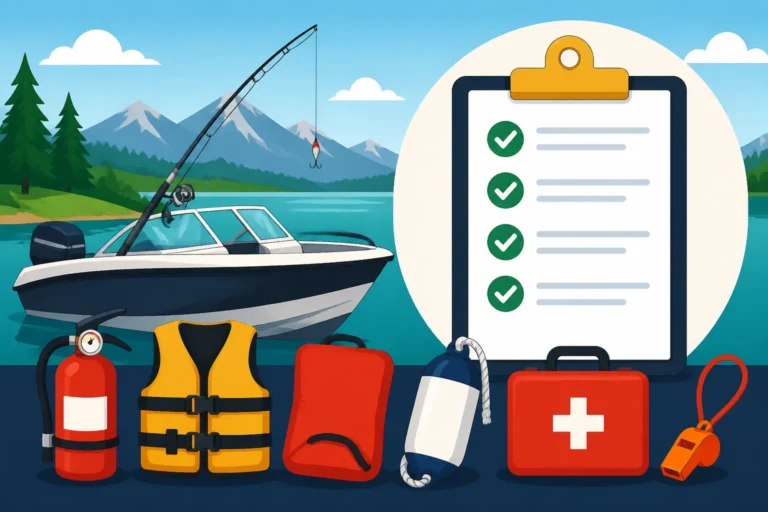
Creating and adhering to a pre-trip safety checklist is one of the easiest ways to ensure you're compliant and safe. This goes beyond just PFDs and includes all your required safety gear.
- Count and Inspect PFDs:
- Count: Do you have a Canadian-approved PFD for every single person on board, regardless of age or swimming ability? Double-check, and then triple-check.
- Inspect: Are all PFDs in good repair? No tears, rips, or broken buckles? Are the inflation mechanisms (if applicable) in working order with fresh cartridges?
- Size: Is each PFD the correct size for the person who will wear it? Ensure children's PFDs are snugly fitted.
- Accessibility: Are they easily accessible? Ideally, worn, or within arm's reach.
- Review General Safety Equipment: Beyond PFDs, remember other mandatory items.
- Sound-Signalling Device: A pealess whistle or air horn is often required.
- Bailing Device/Pump: Crucial for small open boats.
- Heaving Line/Buoyant Lifeline: For rescuing someone overboard.
- Navigation Lights: If operating after sunset or before sunrise.
- Fire Extinguisher: For boats with an engine.
- Paddle/Oars: A secondary means of propulsion.
- First Aid Kit: Always a good idea.
- For a detailed list, check out Alberta required boat safety equipment checklist.
- Check Weather and Water Conditions: Always know what you're getting into. Alberta's weather can change rapidly. High winds, cold temperatures, or heavy rain can dramatically increase the risk on the water.
Educate Your Passengers
You, as the vessel operator, are responsible for the safety of everyone on board. Take a few minutes before launching to explain the importance of PFDs and where they are located. Show them how to properly put one on and adjust it. Many people, especially those who don't boat often, might not realize the true importance until an emergency strikes. A quick safety briefing is not just good practice, it's essential.
For instance, if you're taking friends out on the North Saskatchewan River near Edmonton, many might not realize how powerful the current can be, even on a seemingly calm day. Explaining the risks and demonstrating PFD use can make all the difference.
Where to Acquire Compliant PFDs
If you realize you're short on PFDs or yours are outdated, getting new ones is straightforward.
- Local Retailers: Most sporting goods stores in Alberta, like Cabela's, Bass Pro Shops, or even Canadian Tire, carry a wide range of Canadian-approved PFDs.
- Online Stores: Websites like Amazon offer a vast selection. Just remember to always verify that the PFDs you purchase online are specifically Canadian-approved to meet Transport Canada standards. Don't fall for cheaper, non-compliant options just to save a few dollars; it's not worth the risk or the potential fine.
Keeping up-to-date with your boating certifications is also a crucial part of being a responsible boater. If you operate a motorized vessel, you'll need your Alberta Pleasure Craft Operator Card Requirement. This card ensures you have a baseline understanding of boating safety, including PFD regulations.
Consider Wearing Your PFD at All Times
While the law states PFDs must be "readily accessible," the safest practice, especially for small boats, kayaks, canoes, or when fishing solo, is to simply wear your PFD at all times. It might feel a bit restrictive at first, but modern PFDs are incredibly comfortable and designed for extended wear. Once you get used to it, you'll barely notice it's there. Many anglers swear by wearing a fishing-specific PFD, which often includes pockets and features for tackle and tools, making it a functional piece of gear rather than just a safety item. The peace of mind alone is worth it.
By taking these proactive steps, you're not just avoiding an Alberta life jacket fine per missing PFD. You're investing in your safety, the safety of your loved ones, and ensuring many more enjoyable days out on Alberta's beautiful waters.
Disclaimer
The information provided in this guide is for general informational purposes only and does not constitute legal advice. While we strive to be accurate and up-to-date, regulations can change. It is the responsibility of every boater and angler to consult the latest official Transport Canada Small Vessel Regulations and the Alberta Guide to Sportfishing Regulations for the most current and specific requirements. Always prioritize safety on the water.