Do Alberta Residents Under 16 Need a Fishing License?
It can be incredibly confusing to navigate fishing regulations, especially when you're trying to introduce the next generation to the joys of angling. Many parents and guardians in Alberta often find themselves scratching their heads, wondering, "Do my kids actually need a fishing license, or can they just grab a rod and join in?" This guide is here to clear up that common question and give you all the details you need to ensure your young resident anglers are fishing legally and responsibly.
The Clear Answer: Do Alberta Resident Youth Need a Fishing License?
Let's cut right to the chase because, frankly, who wants to wade through legal jargon when all you want to do is get out on the water? The short answer for Alberta residents is generally no, not if they are under a certain age. This is fantastic news for families looking to enjoy the outdoors without extra bureaucratic hurdles.
The General Rule for Young Anglers
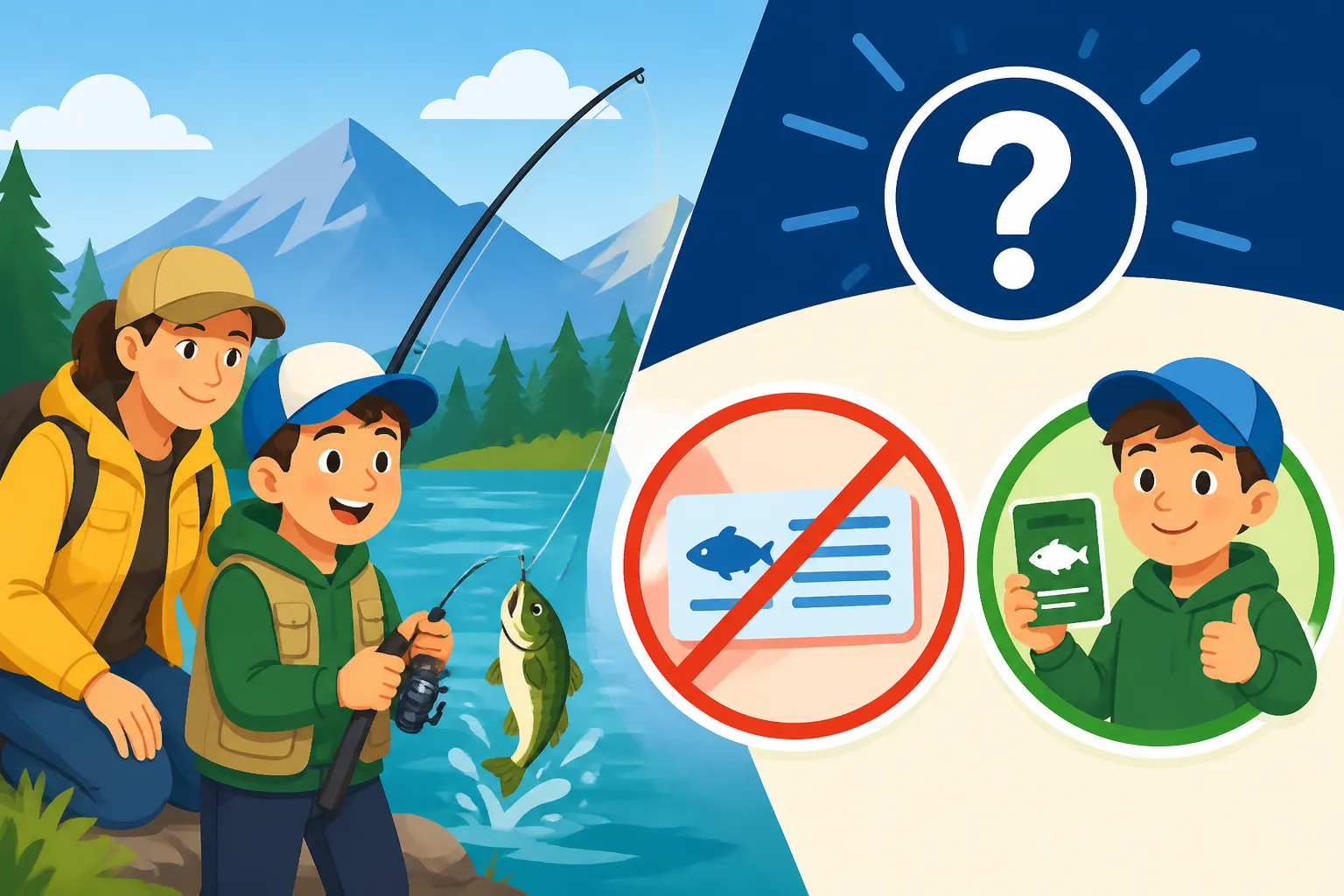
For residents of Alberta, anyone who is under 16 years of age is actually exempt from needing a sportfishing license to fish in the province's waters. This is a thoughtful provision designed to make it easier for youth to get involved in fishing, fostering a love for nature and angling from a young age. Imagine the relief: no need to worry about buying an extra license for your child or grandchild when you're planning a trip to a favourite trout stream or a walleye lake. They can simply come along and participate, as long as they adhere to all other fishing regulations. It really streamlines the process and removes a potential barrier for families who might be on a tighter budget or just starting in the sport.
This exemption means that your eager young angler doesn't need to have a physical license or a digital copy to present if a wildlife officer asks. They are automatically covered under this rule, allowing them to focus on the excitement of their first bite or the challenge of casting. It's truly a gift to encourage more kids to trade screen time for stream time, and it makes those family fishing memories all the more accessible.
Age Requirements and What "Under 16" Really Means
When the regulations state "under 16 years of age," it means exactly that. From the moment a child is born up until the day before their 16th birthday, they do not require a fishing license if they are an Alberta resident. The day they turn 16, however, the exemption lifts, and they are then required to purchase their own Alberta Fishing License Guide for 2026 and carry it with them while fishing.
This distinction is crucial for planning those milestone birthdays. You might have a child who's been fishing with you since they were tiny, and suddenly, as they approach their sixteenth year, a new requirement comes into play. It's a rite of passage, in a way, marking their transition into full adult angling responsibility. This aligns with other age-based regulations you'll find throughout the province, ensuring a consistent approach to when individuals become fully accountable for their recreational pursuits.
It's also worth noting that this age cutoff is firm. There isn't a grace period or a sliding scale. If your child is 15 years and 364 days old, they're still exempt. The moment that clock ticks over to their 16th birthday, the license requirement kicks in. Make sure to mark that calendar date so there are no surprises on your next fishing adventure! You can find a complete overview of age-related requirements in the Alberta Fishing License Age Requirements guide.
Why These Exemptions Matter for Families and New Anglers
These exemptions aren't just a random loophole; they're a deliberate policy choice by Alberta Environment and Protected Areas to encourage participation in sportfishing. This foresight benefits everyone, from the individual child to the broader angling community and conservation efforts.
Encouraging Youth Participation in Fishing
Think about it: fishing is more than just catching fish. It's about spending quality time outdoors, learning about local ecosystems, developing patience, and understanding the importance of conservation. By removing the financial and administrative barrier of a license for young residents, Alberta makes it incredibly appealing for parents and community programs to introduce kids to this wonderful pastime. This directly supports the future of angling, ensuring that new generations fall in love with Alberta's stunning lakes and rivers.
When a child can pick up a rod and simply go, without the added pressure of paperwork or cost, the experience becomes much more spontaneous and joyful. Many outdoor programs, like those run by local conservation groups or summer camps, leverage this exemption to introduce hundreds of kids to fishing each year. It’s an investment in environmental stewardship and physical activity, teaching invaluable lessons that extend far beyond the water's edge. A simple rod and reel, perhaps even an affordable one you found on Amazon, is all a young angler needs to get started.
This approach helps create a diverse angling community, bringing in kids from all walks of life who might not otherwise have the opportunity. It levels the playing field, making access to nature's bounty a little easier for everyone and solidifying fishing as a cherished family tradition in Alberta.
Practical Benefits for Family Fishing Trips
For families, this exemption is a game-changer. Imagine planning a summer camping trip to a provincial park with a great fishing lake, like those in Kananaskis Country. If you have two kids under 16, that's two fewer licenses you need to purchase, saving your family potentially significant money. This saving can then be re-invested into better gear, more bait, or even a treat for the kids after a successful day on the water.
Consider a scenario: you're planning a week-long trip to Lesser Slave Lake, hoping to catch some walleye. Your kids, aged 10 and 13, are just as excited as you are. Because they're Alberta residents under 16, you only need to worry about your own license. This makes packing and preparation simpler, and it removes any last-minute stress about ensuring everyone is legally compliant. You can focus on rigging up their rods and teaching them to cast, rather than standing in line at a license vendor.
These practical benefits contribute to more frequent and enjoyable family outings. It's about making fishing trips accessible, fostering those precious moments where families bond over a shared love for the outdoors. Plus, with the money saved, you might even consider upgrading some of your fishing accessories or snagging that new tackle box you've been eyeing on Amazon.
When a Youth Might Still Need a WIN Card or Face Exceptions
While the license exemption for resident youth under 16 is a wonderful perk, it's essential to understand that it's not a blanket pass for all regulations or situations. There are specific instances where a young angler might still need a Wild Identification Number (WIN) card, and crucial exceptions to the general rule.
Understanding the Alberta WIN Card, Even for Youth
A WIN card is not a fishing license itself, but rather a personal identification number required for anyone purchasing or applying for hunting or fishing licenses, permits, or draws in Alberta. While youth under 16 don't need a fishing license, they do need a WIN card if they want to participate in certain programs or acquire specific permits.
For example, if your 14-year-old resident angler gets truly hooked on fishing and wants to try for a special harvest tag for walleye through the Alberta Walleye Special Harvest Licence Program, they will need a WIN card to enter the draw. This card acts as their unique identifier within Alberta's wildlife management system. Even though they won't be purchasing a general fishing license, the WIN card links them to these specialized opportunities. The process to get a WIN card is straightforward and can often be done online through the MyWildAlberta portal.
It's also important to differentiate: the WIN card is mainly for administrative purposes, linking individuals to their recreational profile. It's not about permitting them to fish, but rather enabling participation in programs that require a registered identifier. So, while they can fish without a license, certain administrative actions still require that personal identifier. You can learn more about this in our detailed guide, Alberta WIN Card, Explained.
Important Considerations: Exceptions to the Rules
The "under 16 and no license needed" rule has a few critical caveats that every angler, young and old, must be aware of to avoid potential legal issues.
Non-Resident Youth: This is a big one. The exemption only applies to Alberta residents. If you're visiting Alberta from another province, territory, or country, and you have a child under 16 who wants to fish, they are required to purchase a fishing license. This is a common point of confusion, especially for families from Saskatchewan or British Columbia who might be accustomed to different rules in their home provinces. So, if your cousin from Vancouver is joining your family fishing trip, make sure their kids have the appropriate non-resident license. You can find more information about these costs in our article on Resident vs Non-Resident Fishing License Costs in Alberta.
Special Harvest Licenses or Tags: As mentioned with the WIN card, if a youth wishes to participate in a specific draw or obtain a special harvest tag (like for certain walleye lakes or trophy fisheries), they will need a WIN card and potentially a specific tag or permit, even if they don't hold a general fishing license. These are usually tied to conservation efforts and managing specific fish populations, so the rules are stricter to ensure sustainability.
Fishing in National Parks: While Alberta's provincial regulations are quite generous, National Parks (like Banff or Jasper) often operate under their own federal regulations. If you plan to fish within the boundaries of a National Park, regardless of age or residency, you will typically need a separate National Park fishing permit in addition to any provincial requirements. Always check the specific park's rules before casting a line.
It's crucial to remember these exceptions. A casual oversight could lead to an unpleasant encounter with a park warden or a wildlife officer, potentially resulting in a fine under Fishing Without a License in Alberta: Penalties. Always double-check the specifics of your fishing location and the status of all anglers in your party.
Key Regulations Young Anglers Must Still Follow
While youth under 16 enjoy a license exemption, this does not exempt them from following all other sportfishing regulations. Compliance with these rules is paramount for the health of Alberta's fisheries and the sustainability of the sport. Ignoring them can lead to significant penalties for the adult supervising the youth, and harm to the fish populations.
Bag and Possession Limits
Even if your young angler doesn't need a license, they absolutely must abide by the daily bag and possession limits for each species in the waters they are fishing. These limits dictate how many fish of a certain species an angler can keep per day (bag limit) and how many they can have in their possession, including at home (possession limit). These rules are in place to ensure that fish populations aren't overfished and remain healthy for future generations.
Imagine your child catches five beautiful rainbow trout in a lake where the daily limit is three. Even though they don't have a license, they are still only allowed to keep three fish. The same applies to specific size restrictions or "slot limits" that might be in place for species like walleye or pike in certain lakes. For instance, if a lake has a walleye slot limit where only fish under 43 cm can be kept, your young angler must release any walleye caught outside that slot. Always review the Alberta Bag and Possession Limits by Species before heading out. The fishing companion guide, which you can often pick up at sport shops or download, is like the angler's bible, and even children should learn to respect its rules.
It's the adult's responsibility to ensure that any youth they are supervising are fishing within these limits. Education is key here; teach your kids not just how to catch fish, but how to respect the rules that protect them.
Zone-Specific Regulations and Special Waters
Alberta's fishing regulations are incredibly detailed and often vary significantly from one water body or zone to another. These can include:
- Season Dates: When certain lakes or rivers are open for fishing, or when specific species can be targeted. Alberta Fishing Season Dates by Zone can vary wildly, sometimes even within a short distance.
- Gear Restrictions: Rules about what kind of bait or tackle can be used. For instance, some waters might be "barbless hook only" or "single hook artificial lure only." This is especially common in sensitive trout streams.
- Catch and Release Only: Certain areas, often to protect vulnerable species like bull trout, are designated as Alberta Catch and Release Only Waters, meaning no fish can be kept. Alberta Bull Trout Zero Possession Rule is a prime example of this.
- Special Regulation Waters: These are specific lakes or rivers with unique rules that are often stricter than general regulations. They might be managed for trophy fish, conservation, or specific types of angling. You can check out more details about these in our guide on Special Regulation Waters in Alberta.
It is absolutely vital that you consult the most current Alberta Guide to Sportfishing Regulations before each fishing trip, especially if you're exploring a new area. This guide, which you can usually find online or pick up at most tackle shops and some retail outlets like Walmart or Canadian Tire, is your definitive source for all rules. Even if you're just picking up a new lure or some extra line on Amazon, take a moment to double-check the regulations for your destination. Our guide on Reading the Alberta Guide to Sportfishing Regulations can help you navigate this essential document.
Teach your young anglers the importance of checking these regulations. It’s part of becoming a responsible steward of our natural resources and ensures that fishing remains a sustainable activity for everyone. Knowing the specific rules for a given lake or river, like the Alberta Walleye Limit by Zone or Alberta Northern Pike Limit, helps preserve those populations.
Responsible Angling Practices
Beyond the legal requirements, responsible angling practices are crucial for everyone, especially for young, impressionable anglers. These practices instill a conservation mindset and contribute to a positive fishing experience for all.
- Catch and Release Techniques: If you're practicing catch and release (which is often required in certain areas or encouraged for conservation), teach your kids how to handle fish gently. This means minimizing air exposure, wetting hands before touching fish, and using proper de-hooking tools. For species like bull trout, which are often catch-and-release only, knowing these techniques is paramount.
- Leave No Trace: Pack out everything you pack in. No litter, no discarded fishing line. Teach children the importance of keeping our natural spaces pristine. This includes being mindful of bait containers, snack wrappers, and any other refuse.
- Respect for Wildlife and Other Anglers: Show courtesy to other anglers on the water or shore. Maintain reasonable distances, keep noise levels down, and share public access points responsibly. Also, teach kids to observe wildlife from a distance and not to disturb their habitats.
- Safety First: Always prioritize safety. This means wearing appropriate clothing, knowing how to swim, and having essential safety gear like life jackets (especially in boats or near fast water). Even if your kids don't need a fishing license, they still need to be safe.
By instilling these values from a young age, you're not just teaching them to fish; you're teaching them to be responsible environmental citizens. These are the lessons that truly make a difference for the future of Alberta's incredible fishing heritage.
Summary of Alberta Fishing License Requirements for Residents
To help simplify the information, here’s a quick overview of who needs what when it comes to fishing licenses and WIN cards for Alberta residents.
| Category | Age Group | Fishing License Required? | WIN Card Required? | Key Considerations |
|---|---|---|---|---|
| Youth Resident | Under 16 | No | Yes, for special draws/permits (e.g., Walleye Harvest Draw) | Must follow all other regulations (limits, seasons, gear). Not applicable to non-residents. |
| Adult Resident | 16 to 64 | Yes | Yes, to purchase license | Must follow all regulations. |
| Senior Resident | 65 and over | No | Yes, for special draws/permits (optional for general fishing) | Must follow all other regulations. |
| Non-Resident (any age) | All ages | Yes | Yes, to purchase license | Different license fees for Canadian vs. International non-residents. |
This table provides a clear snapshot, but remember, the details within the main guide and the official Alberta Guide to Sportfishing Regulations are always your most comprehensive resource.
Disclaimer
The information provided in this guide is intended for general informational purposes only and does not constitute legal advice. While we strive to keep the information up-to-date and accurate, fishing regulations can change. It is your responsibility to consult the most current official Alberta Guide to Sportfishing Regulations or contact Alberta Environment and Protected Areas directly before engaging in any fishing activities. Compliance with all provincial and federal laws is mandatory.