Alberta Catch and Release Only Waters
It’s happened to the best of us: you're out on a beautiful Alberta stream, reeling in a gorgeous fish, and suddenly that nagging thought pops up – "Can I actually keep this one?" The rules around catch and release waters in Alberta can feel like a maze, leading to honest mistakes or, worse, potential fines. This guide is here to clear the confusion, helping you understand where and why these vital regulations exist, and how to fish responsibly to protect our precious fisheries.
What "Catch and Release Only" Really Means in Alberta
Sometimes, the concept of "catch and release" seems straightforward, right? You catch a fish, you let it go. Simple. But in Alberta, especially in our incredibly diverse and often sensitive aquatic environments, "catch and release only" goes much deeper than just tossing a fish back. It's a comprehensive management strategy, a conservation pillar, and for us anglers, a serious commitment to the health of our fisheries.
It's not just a suggestion; it's law in specific designated waters. These regulations are put in place by our provincial fisheries managers, often after extensive research and monitoring, to protect vulnerable populations or to help specific species recover. When you see "catch and release only" in the Alberta Guide to Sportfishing Regulations, it means no fish of any species, or specific designated species, can be retained from that particular waterbody, during certain times, or using certain methods.
Beyond the Basics: No Retention at All
This is where the nuances often trip people up. Many anglers are accustomed to regulations that specify bag limits for certain species, like "three trout per day, only one over 40 cm." With catch and release only, that thinking needs to be completely rewired. It means zero retention. Not one fish. Not a single little one for the pan. Every single fish you hook, regardless of size or species, must be carefully unhooked and returned to the water with the utmost care.
Imagine you're on a popular trout stream, say a section of the Crowsnest River that's designated catch and release for trout. You might hook into a beautiful rainbow trout, a feisty brown, and even a less common species like a mountain whitefish. Even if the whitefish isn't the primary target species for the C&R designation, the rule often applies to all fish within that specific waterbody or stretch of water. It’s crucial to read the specific regulations for that exact location, as they can vary even within the same river system. You can easily consult the Alberta Fishing Regulations Explained to understand the broader context of these rules.
This absolute restriction removes any ambiguity about size, species, or daily limits. It’s a blanket rule designed to provide maximum protection. It’s a sacrifice, for sure, especially when you’ve caught a particularly gorgeous specimen that would make a fantastic meal, but it’s a sacrifice made for the long-term health and sustainability of our fishing resources.
Understanding the "Zero Possession" Rule
Hand-in-hand with "catch and release only" is the "zero possession" rule. This means you cannot possess any fish from that particular waterbody at any time while you are on, or immediately adjacent to, that water. Let's paint a picture: you've been fishing a designated catch and release lake, had a fantastic day, and are now packing up your gear by your truck. If a Fish and Wildlife Officer checks your cooler and finds a walleye you caught last week from a different lake where retention was allowed, you might still face questions.
The "zero possession" rule is designed to prevent anglers from illegally keeping fish from C&R waters and trying to pass them off as having come from other legal waters. It creates a clear enforcement line. While it doesn't mean you can't have legal fish from other waters in your possession at home, it specifically pertains to the immediate vicinity of the catch and release water you are fishing or have just finished fishing.
Consider a scenario where you stopped at a catch and release section of the Bow River on your way home from a trip to Lake Newell where you legally harvested some pike. If you have those pike in your cooler and decide to wet a line for an hour in a C&R section of the Bow, you could run into issues. It's critical to ensure that any fish you are transporting were legally harvested from waters not designated as catch and release, and that you have completed your fishing activities on those C&R waters before possessing any fish, even if from elsewhere. The simplest way to avoid any headache is to not possess any fish whatsoever while fishing or directly leaving a C&R only area. For more details on species-specific rules, check out articles like Alberta Bull Trout Zero Possession Rule.
The Fines and Consequences of Non-Compliance
Ignoring catch and release regulations in Alberta isn't just a slap on the wrist; it carries significant legal consequences. The provincial government takes these conservation measures very seriously, and for good reason. Violations can result in substantial fines, loss of fishing privileges, and even confiscation of gear. The exact penalties can vary depending on the severity of the offense, the species involved (especially if it’s a vulnerable or protected species), and whether it's a first-time or repeat offense.
For example, a typical fine for fishing without a license, or for retaining fish in a C&R zone, can be in the hundreds of dollars, and potentially much higher. Beyond the monetary cost, you could also face a mandatory court appearance, a criminal record, and a ban from fishing in Alberta for a specified period. Imagine losing your right to fish for a year or more – for many of us, that's a devastating consequence that far outweighs any perceived benefit of illegally keeping a fish. If you're curious about the general penalties, this post on Fishing Without a License in Alberta: Penalties provides a good overview of the serious nature of non-compliance with fishing laws.
The enforcement officers are well-trained and dedicated. They patrol popular areas, conduct spot checks, and investigate reports from other vigilant anglers. It’s not worth the risk, financially or ethically. These rules are in place for the long-term health of our fisheries, and respecting them is a fundamental part of being a responsible angler in Alberta.
Why Catch and Release Matters for Alberta's Fisheries
When we talk about "catch and release only" regulations, it’s easy to focus on the restrictions they place on us as anglers. We want to take a fish home, show it off, and perhaps enjoy a delicious meal. But these rules aren't arbitrary; they are the bedrock of modern fisheries management, especially in areas where fish populations are delicate, under pressure, or critical to the ecosystem. Understanding the 'why' behind these rules can actually deepen our appreciation for the resource and our role in protecting it.
Alberta's waters are home to an incredible array of fish, from the iconic native trout of our mountain streams to the popular walleye of our prairie lakes. Each species plays a unique role, and many face threats from habitat loss, climate change, and, yes, overfishing. Catch and release helps mitigate one of those pressures directly, ensuring that the fish we enjoy today can continue to thrive for generations to come. It’s a proactive approach to conservation, giving fish the chance to grow, reproduce, and maintain healthy numbers.
Protecting Vulnerable Species and Populations
Alberta is blessed with incredible native fish species, but many are also incredibly vulnerable. Take the bull trout, for example. These magnificent fish, often found in pristine mountain rivers, are a species of special concern in Alberta, and they are subject to strict "zero possession" rules in almost all waters where they exist. This isn't because they aren't fun to catch, but because their populations are sensitive, slow-growing, and easily impacted by harvest pressure.
Catch and release regulations often specifically target these vulnerable species, or entire waterbodies where these species are dominant. By ensuring that every hooked fish is returned to the water, we're giving individual fish a chance to survive, grow, and contribute to the reproductive success of their species. This is particularly vital for top-tier predators like bull trout, which are crucial for maintaining the balance of their ecosystems. Without these protections, their numbers could decline rapidly, leading to broader ecological impacts. It's a testament to the foresight of our fisheries managers that such measures are in place to safeguard these irreplaceable parts of Alberta's natural heritage.
Another instance might be a specific lake where walleye populations have declined due to historic overfishing or environmental factors. Instead of closing the lake entirely, a catch and release regulation allows anglers to continue enjoying the sport while giving the walleye population a much-needed reprieve to rebuild. This delicate balance ensures both recreation and conservation can coexist.
Maintaining Healthy Ecosystems and Genetic Diversity
Beyond protecting individual species, catch and release fishing is a cornerstone for maintaining the overall health and genetic diversity of Alberta's aquatic ecosystems. Every fish, from the smallest minnow to the largest pike, plays a role in the intricate web of life underwater. Removing too many fish, especially larger, older individuals, can have ripple effects that disrupt the entire system.
Larger, mature fish are often the most successful spawners, contributing significantly to the next generation. They also carry valuable genetic traits that help the population adapt to changing environmental conditions. When these fish are consistently removed from a system, it can lead to a decline in the average size of fish, a reduction in overall reproductive success, and a narrowing of the gene pool, making the population less resilient. Catch and release helps keep these valuable breeders in the water, allowing them to pass on their strong genetics and contribute to a robust, healthy population.
Consider a trophy trout stream where anglers consistently target and remove the largest fish. Over time, the genetic predisposition for large size might be inadvertently bred out of the population. By implementing catch and release, those large, strong fish get to live longer, spawn more, and pass on their "trophy genes." This not only helps maintain the potential for future trophy catches but also ensures a healthier, more diverse fish population that is better equipped to handle environmental stresses. It's an investment in the future of our fishing.
Ensuring Sustainable Fishing for Future Generations
Ultimately, catch and release fishing is about sustainability. It's about ensuring that our children and grandchildren can experience the same joy and wonder of fishing in Alberta that we do today. Without thoughtful management strategies like catch and release, many of our most cherished fishing spots could become barren or severely diminished.
The demand for fishing opportunities continues to grow, and our natural resources are finite. By embracing catch and release in designated areas, we are consciously choosing to manage our impact. It’s a collective agreement among anglers, conservationists, and government bodies to prioritize the long-term health of the resource over short-term gratification. This allows fisheries to regenerate, populations to stabilize, and the ecosystem to maintain its natural balance.
It also fosters a different kind of angling ethic. Instead of viewing success solely by the weight of our cooler, catch and release encourages us to value the experience itself – the challenge of the catch, the beauty of the fish, and the satisfaction of returning it unharmed. It's a shift from a consumptive mindset to a conservation-minded one, where the thrill of the chase and the connection to nature become the ultimate reward. This is why it’s so important to understand not just where these rules apply, but why they are critical to the future of Alberta Fishing License Guide for 2026 and the overall health of our waters.
Identifying Alberta's Catch and Release Waters
One of the biggest hurdles for anglers in Alberta is simply knowing which waters are designated as "catch and release only." It’s not always obvious, and regulations can change from year to year, or even vary within different stretches of the same river or lake. Getting this wrong can lead to serious legal trouble and, more importantly, can harm the very fish populations we seek to enjoy. Don't rely on word-of-mouth or assumptions; direct, verifiable information is your best friend.
The onus is on each individual angler to know and understand the specific regulations for the waterbody they intend to fish. This might sound daunting, but with the right resources, it becomes much more manageable. The key is to be proactive and always check before you cast your first line. It's a small step that makes a world of difference for our fisheries and your peace of mind.
How to Find the Specifics: The Sportfishing Regulations Guide
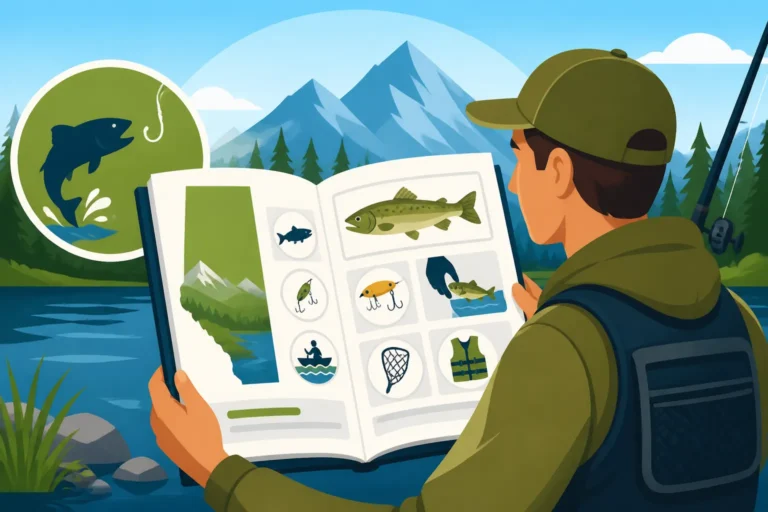
Your absolute, undisputed bible for all Alberta fishing regulations is the annual Alberta Guide to Sportfishing Regulations. This comprehensive document is released by Alberta Environment and Protected Areas (AEPA) each spring and outlines every rule, restriction, and exception for fishing in the province. It's available both online as a PDF and in print at most licensed fishing vendors.
This guide is broken down by zones (e.g., Eastern Slopes, Prairie, Northern Boreal) and then by specific waterbodies within those zones. Each waterbody listing will clearly state if it's "catch and release only" for certain species, or for all species, and if any other special regulations apply (like bait bans or barbless hook requirements). It will also show specific season dates, which are often tied to these C&R rules. For example, a river might be catch and release for trout year-round, but open for whitefish retention during a specific fall season. Always verify the year of the guide you are using, as rules are updated annually. Reading the Alberta Guide to Sportfishing Regulations is a must for any serious Alberta angler.
It's a dense document, no doubt, but taking the time to review the section for your chosen fishing spot is non-negotiable. Circle it, highlight it, make notes. Better yet, download the PDF to your phone or tablet so you have it digitally accessible on the water. Some anglers even print out just the relevant pages for their trip to save paper.
Key Indicators and Common "Catch and Release" Zones
While the official guide is paramount, there are some general indicators and common zones where you're more likely to encounter catch and release regulations. Often, pristine mountain streams, sensitive headwater regions, and sections of rivers known for their trophy trout populations are designated as C&R. The reasoning is clear: these are often areas with delicate ecosystems or highly valued fish that need maximum protection.
For instance, many sections of the Bow River, particularly those renowned for their large brown and rainbow trout, have specific catch and release rules. Similarly, many remote lakes in the Eastern Slopes region, especially those supporting native cutthroat or bull trout populations, will have strict C&R mandates. Waters recovering from environmental stress or overfishing are also common candidates for C&R designations. Some provincial park waters also have specific Alberta fishing regulations for provincial park lakes.
Beyond these geographic indicators, look for signs at popular access points. While these signs are helpful reminders, they are not the official legal document, and you should always cross-reference with the full regulations. Also, a quick chat with local tackle shops can often provide up-to-date local insights, but again, use the official guide as your final authority. When in doubt, assume catch and release until you've confirmed otherwise.
Dealing with Zone Overlaps and Special Regulations
Navigating Alberta’s fishing regulations can sometimes feel like solving a complex puzzle, especially when dealing with zone overlaps or multiple layers of special regulations. A single river might flow through several management zones, each with its own set of rules that change at specific bridge crossings or geographical markers. This is particularly true in the Eastern Slopes.
For example, the Oldman River might have a section that's general regulations, then a section upstream that’s catch and release for trout, and then a downstream section that has a bait ban and a single-barbless hook rule, but allows for retention of certain species during specific dates. You must know exactly where you are on the river relative to these markers. The guide will often include maps or detailed descriptions of these boundaries. This is where using the Alberta fishing regulations app and zone lookup, explained can be incredibly helpful. These apps often use GPS to show you exactly which zone you are in and what rules apply.
Furthermore, "catch and release only" can sometimes come with other special regulations like Alberta barbless hook requirement waters or bait bans. These are usually in place to further increase the survival rate of released fish. A barbless hook, for instance, makes it much easier to remove the hook cleanly with minimal damage to the fish’s mouth. Always check for these additional requirements – they're part of fishing responsibly in C&R waters. When getting your tackle ready, it's a good idea to ensure you have suitable barbless hooks. You can find a wide selection of these, along with essential tools like hook removers, on Amazon to prepare thoroughly.
Essential Gear and Techniques for Responsible Release
Fishing catch and release waters isn't just about following the rules; it's about giving every fish the best possible chance of survival once it swims away. This requires more than just careful unhooking; it involves specific gear choices and handling techniques that minimize stress and injury. Think of it as your ethical toolkit for conservation. Being prepared not only makes the release process smoother but also demonstrates your commitment to the long-term health of our fisheries.
Many anglers view the release as the final, most crucial step of the catch. A fish that swims away vigorously is a fish that can spawn again, grow larger, and provide another angler with a thrilling experience. So, let’s talk about how to optimize that survival rate with the right tools and a gentle touch.
Choosing the Right Gear: Barbless Hooks and Nets
The first step in responsible catch and release starts even before you cast. Your gear choices can make a monumental difference in a fish's survival rate.
- Barbless Hooks: This is non-negotiable for most catch and release scenarios, and in many Alberta waters, barbless hooks are legally mandated. A barbless hook slides out much more easily and cleanly than a barbed hook, reducing tissue damage to the fish's mouth. If your hooks come barbed, it's simple to pinch the barb down with a pair of pliers. This tiny modification makes a huge difference. You can find excellent quality barbless hooks or tools to crimp barbs on Amazon or at your local tackle shop.
- Pliers/Forceps: Essential for quickly and safely removing hooks. Long-nosed pliers or hemostats allow you to reach hooks that are swallowed deeper or are in awkward positions, minimizing contact with the fish itself. The faster you can remove the hook, the less stress on the fish.
- Knotless Landing Net: Using a rubberized, knotless landing net is critical. Traditional knotted nylon nets can strip away a fish's protective slime layer, damage fins, and even scrape scales, leaving them vulnerable to infection. Rubber nets are gentle on the fish, prevent tangles (especially with treble hooks), and are much easier to clean. For larger fish like pike or bull trout, a net with a wider opening and deeper basket is ideal to fully support the fish in the water. Look for "conservation nets" or "rubberized landing nets" when you're shopping – they are designed specifically for this purpose. You can learn more about finding the right one in articles like Best Landing Net for Trout or Best Landing Net for Pike.
Minimizing Stress: Handling Fish with Care
Once you've hooked a fish, the goal is to land it quickly and handle it as little as possible. Prolonged fights exhaust fish, increasing the lactic acid buildup in their muscles and reducing their chances of survival.
- Fight Smart: Use appropriate tackle for the size of fish you're targeting. Don't "baby" a fish in; put enough pressure on it to bring it to hand or net swiftly, but without breaking your line or rod.
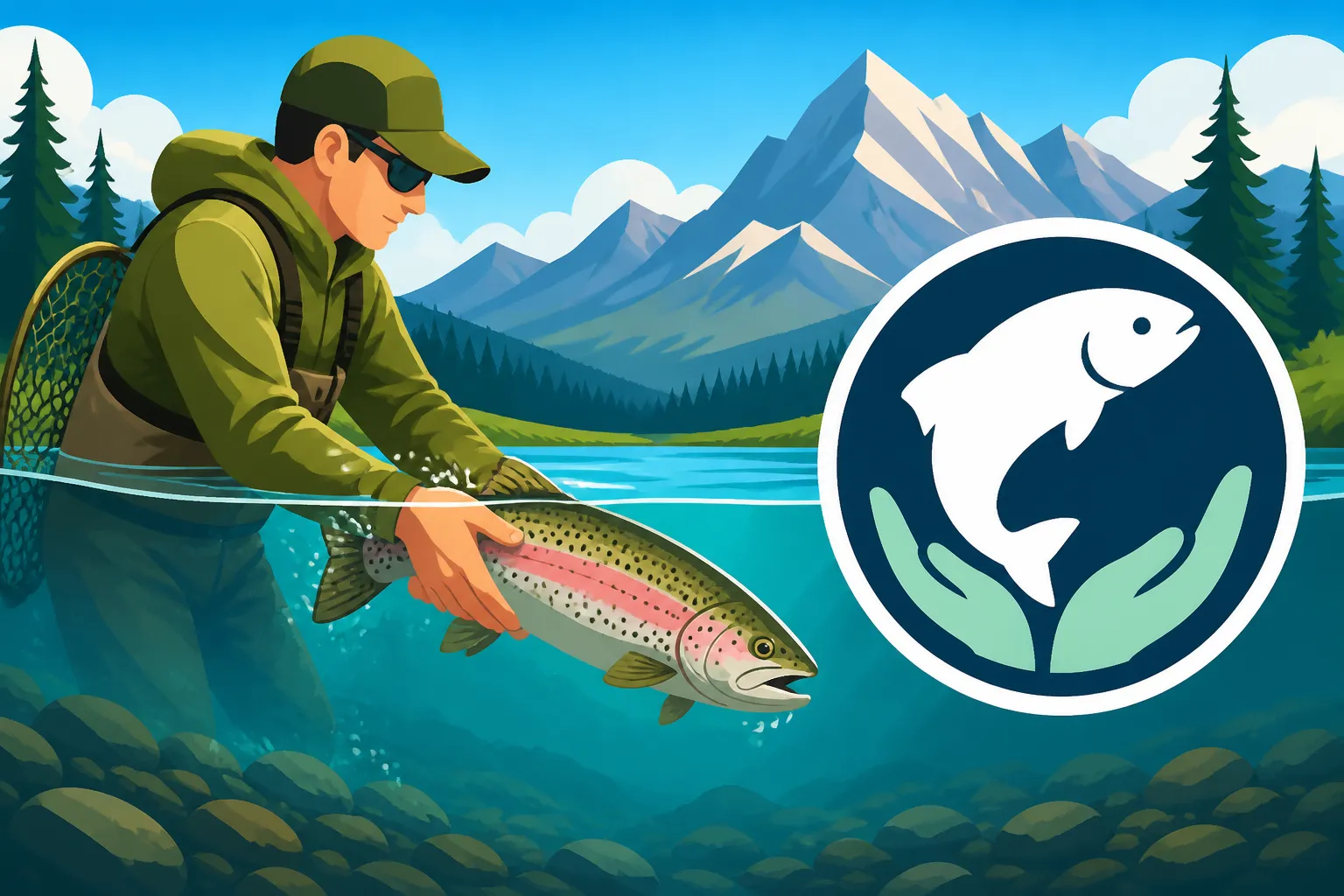
- Keep it Wet: This is arguably the most important rule. Never lay a fish on dry ground, rocks, or boat carpet. This removes their protective slime layer, which acts as their first line of defense against disease and parasites. If you need a photo, do it quickly with the fish barely out of the water, ideally over a net or with wet hands. For particularly large fish, keeping them submerged entirely in the net while you remove the hook is ideal.
- Wet Hands: Always wet your hands thoroughly before touching a fish. This helps preserve their slime coat. Avoid squeezing the fish, especially around the gills or belly. Support its weight horizontally, never vertically by the jaw or tail, which can damage internal organs and spinal column.
- Avoid the Gills: The gills are extremely delicate and vital for oxygen exchange. Never put your fingers into a fish's gills, as this can cause fatal damage.
- Use Tools for Hook Removal: As mentioned, pliers or forceps are your friends. If the hook is deeply set and can't be removed quickly without excessive tearing, it's often better to cut the line as close to the hook as possible. The hook will eventually rust out, or the fish's body may expel it. This is particularly relevant for species like bull trout, where every effort must be made to maximize survival.
Revival and Release: Giving Fish the Best Chance
The moment of release is just as critical as the handling. A fish that appears strong when released is far more likely to survive than one that weakly floats away.
- Submerge and Orient: Gently place the fish back into the water, head-first, allowing water to flow over its gills. In a river, face it upstream into the current. In a lake, gently move it back and forth to force water through its gills.
- Support Until Strong: Hold the fish upright by its tail or gently cradle its belly until it regains its strength and is able to swim off under its own power. Don't rush this process. It might take a few seconds, or several minutes for larger, more exhausted fish. If it tries to swim away but then rolls over, gently re-support it and continue the revival process.
- Observe its Departure: Watch the fish as it swims away. A strong, purposeful swim indicates a good chance of survival. If it struggles or floats, gently continue revival.
- Consider Water Temperature: In warm summer months, water temperatures can be stressful for many cold-water fish like trout. If the water is excessively warm, consider fishing cooler, deeper waters, or postponing your trip. High water temperatures significantly reduce a fish's chance of survival post-release, even with the most careful handling. Carrying a small thermometer to check water temperature can be a surprisingly useful tool, and compact ones are readily available on Amazon.
By implementing these gear choices and handling techniques, you're not just following the rules; you're becoming a true steward of Alberta's incredible fishing heritage.
Navigating the Regulations: Resources and Responsibilities
Staying on the right side of Alberta's fishing regulations, especially when it comes to catch and release waters, can sometimes feel like a full-time job. With changes happening annually, and specific rules varying from one waterbody to the next, it's easy to get overwhelmed. However, there are fantastic resources available to help you, and as anglers, we each bear a significant responsibility in upholding the integrity of these conservation efforts. It’s about being informed, being prepared, and actively participating in the stewardship of our precious aquatic resources.
Think of it as a partnership: the government provides the framework, and we, as the fishing community, ensure those rules are respected and enforced through our actions and vigilance. This collaborative approach is vital for the continued health and abundance of Alberta's fisheries.
Digital Tools and Apps for On-the-Go Information
Gone are the days when your only option was to carry a bulky paper copy of the regulations guide. While the physical guide remains the official legal document, technology has provided us with some incredibly convenient and user-friendly tools to access real-time or up-to-date information on the water.
The most prominent and highly recommended tool is the MyWildAlberta app, developed by Alberta Environment and Protected Areas. This app is a game-changer for many anglers. It provides access to the current year's sportfishing regulations in an easily searchable format. Crucially, many versions of these apps integrate GPS functionality, allowing you to see exactly which management zone you're in and what regulations apply to that specific body of water at that exact moment. This can be invaluable when navigating rivers that have different rules upstream or downstream of a particular bridge or landmark. You can read more about how to use it effectively in our guide on How to use the Alberta sportfishing regulations app.
Beyond the official app, many anglers also use mapping apps or dedicated fishing apps that allow them to mark waypoints, track their catches, and even add notes about specific regulations they've observed for an area. While these third-party apps are excellent for personal organization, always double-check any regulatory information against the official MyWildAlberta app or the PDF guide to ensure accuracy. Having these digital resources on your phone or tablet means you have the most current information literally at your fingertips, reducing the chance of accidental non-compliance. Just be sure your device is charged and perhaps carry a portable power bank, especially if you're out for a full day.
Your Role as a Responsible Angler
Being a responsible angler goes far beyond simply knowing the rules; it's about embodying an ethic of conservation and respect for the environment. When you're fishing in catch and release waters, your actions directly impact the survival of the fish and the health of the ecosystem.
This means practicing proper fish handling techniques every single time, even if you’re just pulling in a small trout. It means using appropriate gear, like barbless hooks and rubberized nets, without exception. It also means educating yourself not just on the "what" but the "why" behind the regulations. Understanding that a specific area is catch and release because of a threatened species, like the native westslope cutthroat trout, or a recovering population, fosters a deeper connection and a stronger commitment to compliance.
Furthermore, responsible angling includes leaving no trace behind. Pack out everything you pack in, and perhaps even pick up any litter you find. Avoid disturbing wildlife, respect private property, and always follow any additional regulations related to boating, access, or specific equipment. It's about being a good steward of the land and water, recognizing that these resources are a shared privilege, not an entitlement. Your actions on the water contribute to the public perception of anglers, and by being responsible, we ensure continued access and support for our sport.
Reporting Violations and Supporting Conservation
As part of your responsibility, you also play a crucial role in safeguarding Alberta's fisheries by reporting suspected violations. It can be uncomfortable to report another angler, but when someone is knowingly or repeatedly breaking catch and release rules, they are directly undermining conservation efforts and impacting the resource that we all cherish.
If you witness a violation, such as someone retaining fish from a clearly marked catch and release water, or using illegal gear, report it to Alberta Fish and Wildlife. The Report A Poacher line is 1-800-642-3800. Try to gather as much detail as possible: date, time, location (GPS coordinates are ideal if possible), description of the individual(s), vehicle details (make, model, license plate), and a clear description of the alleged violation. Do not confront individuals yourself, as this can be dangerous. Let the professionals handle it.
Beyond reporting, consider supporting conservation efforts directly. Organizations like the Alberta Conservation Association (ACA), Trout Unlimited Canada, and other local groups work tirelessly to protect and restore fish habitat, conduct research, and advocate for sustainable fishing practices. A portion of your fishing license fees goes towards these efforts, but additional donations or volunteer time can make a significant difference. By supporting these groups, you're investing in the future of fishing in Alberta, ensuring that "catch and release only" waters continue to thrive and contribute to a vibrant, healthy ecosystem for all.
Common Catch and Release Waters in Alberta
To help you get started, here's a table outlining some of Alberta's well-known catch and release waters. Remember, this is not an exhaustive list, and rules can change annually, so always consult the latest Alberta Guide to Sportfishing Regulations before heading out.
| Waterbody / River Section | Species Typically C&R | Primary Reason for C&R Designation | Zone (Example) |
|---|---|---|---|
| Bow River (e.g., Calgary-Carseland) | All Trout Species | Trophy trout management, high angling pressure, genetic preservation | ES1 (Eastern Slopes) |
| Crowsnest River (e.g., above Lundbreck) | All Trout Species | Native trout protection (Cutthroat), sensitive spawning grounds | ES1 (Eastern Slopes) |
| Elbow River (e.g., upstream of Glenmore) | All Trout Species | Native trout rehabilitation (Cutthroat), watershed protection | ES1 (Eastern Slopes) |
| Sheep River (e.g., upstream of Blue Rock) | All Trout Species | Native trout (Bull & Cutthroat) conservation, sensitive ecosystem | ES1 (Eastern Slopes) |
| Lower Castle River | Bull Trout | Critical habitat for threatened Bull Trout populations | ES1 (Eastern Slopes) |
| Many Headwater Streams | All Trout Species | Fragile ecosystems, native trout conservation, habitat protection | ES1 (Eastern Slopes) |
Disclaimer
The information provided in this guide is for general informational purposes only and does not constitute legal advice. Fishing regulations in Alberta are subject to change, and it is the sole responsibility of each angler to consult the official Alberta Guide to Sportfishing Regulations published annually by Alberta Environment and Protected Areas (AEPA) for the most current and accurate information before engaging in any fishing activities. Compliance with all provincial and federal laws is mandatory.