Reading the Alberta Guide to Sportfishing Regulations
Navigating Alberta's fishing regulations can feel like trying to untangle a particularly stubborn bird's nest – it's dense, confusing, and if you're not careful, you might prick yourself on a hidden barb. Many anglers, even seasoned ones, feel a pang of anxiety when trying to decipher the annual guide, fearing an accidental violation. This comprehensive guide is here to unravel that complexity, helping you confidently read and understand the Alberta Guide to Sportfishing Regulations, ensuring every trip to the water is worry-free and compliant.
The Initial Overwhelm of Alberta's Fishing Regulations
Let's be honest, that little booklet (or the digital version) often feels more like a legal textbook than a guide to a relaxing pastime. It's packed with small print, technical terms, and what seems like an endless list of exceptions. You're not alone if you've stared at a page for five minutes, re-reading a sentence, and still not quite grasping what it means for your specific fishing spot. The sheer volume of information can be intimidating, making you question if you've truly understood every nuance before casting your line.
Why the Guide Seems So Complicated at First Glance
The initial encounter with the Alberta Guide to Sportfishing Regulations can be genuinely overwhelming. It's not just a simple list of "what you can catch and where." This document is a legal framework designed to manage a complex ecosystem across a vast and diverse province. You'll find sections dedicated to mountain streams, prairie lakes, and boreal forest rivers, each with its own delicate balance of species and environmental factors. Trying to absorb all this at once is akin to drinking from a firehose. Furthermore, these regulations aren't static; they evolve annually, sometimes even mid-season, as conservation needs change. This means what you knew last year might not apply today, requiring constant vigilance and a fresh read-through, which can be a real headache for busy anglers. The fear of unknowingly breaking a rule, leading to potential fines or the loss of your gear, adds another layer of stress to what should be an enjoyable outdoor activity.
The Importance of Knowing Your Regulations Cold
Understanding these regulations isn't just about avoiding a slap on the wrist; it's fundamental to responsible angling and the preservation of Alberta's fisheries. The penalties for non-compliance can be quite severe, ranging from hefty fines that can quickly ruin your day (and your wallet) to the seizure of your fishing equipment, and even the suspension of your fishing license. Imagine having your prized rod and reel confiscated, or being barred from fishing for a year, all because you misread a single line in the guide. Beyond the personal repercussions, adhering to the rules is a crucial part of conservation. Each regulation, whether it's a specific bag limit, a size restriction, or a catch and release only rule, is designed to protect fish populations and their habitats. By doing your part, you contribute to ensuring healthy fish stocks for future generations, allowing everyone to continue enjoying the incredible fishing opportunities Alberta offers. A thorough grasp of the guide ensures not just your compliance, but also a safer and more enjoyable experience for yourself and your fellow anglers on the water.
Decoding the Layout of the Alberta Guide to Sportfishing Regulations
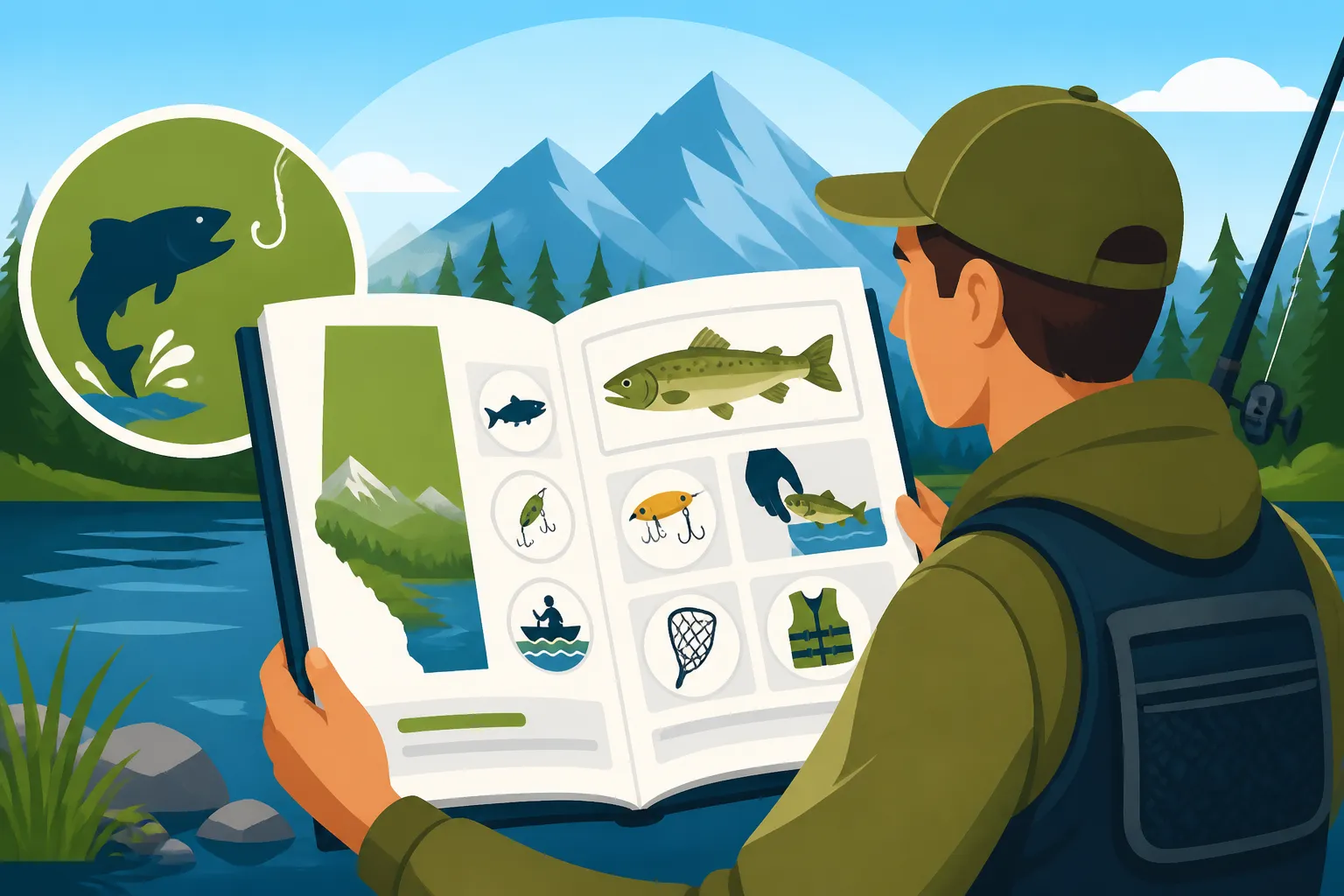
The first step to conquering the regulations is understanding how the guide is organized. It's not just a random collection of rules; there's a method to its madness. Think of it like a map – once you understand the legend and how the sections connect, navigating it becomes much smoother. The guide is structured to move from general, province-wide rules to highly specific, waterbody-focused details. Getting a handle on this overarching structure will save you immense time and frustration.
Getting Started: The Foreword, Table of Contents, and Map
Before you dive into the nitty-gritty, always give the introductory sections of the guide a quick glance. The Foreword or "Changes for the Current Season" section is absolutely vital. This is where the Alberta Environment and Protected Areas (AEPA) highlights any significant updates or modifications from the previous year. Missing these critical changes can easily lead to accidental violations. For example, a waterbody that was open last year might now be catch-and-release only, or a new bait restriction might be in place.
Next, make friends with the Table of Contents. This isn't just filler; it's your primary navigation tool. Instead of flipping aimlessly, you can quickly jump to sections like "General Regulations," "Fisheries Management Zones," or "Definitions." Knowing where to find the general rules versus the specific lake listings will streamline your research process significantly. It helps you build a mental roadmap of the guide's content.
Finally, pay close attention to the Provincial Map usually found near the front. This map isn't just decorative; it divides Alberta into several distinct Fisheries Management Zones (FMZs). Identifying which zone your intended fishing location falls into is the first critical step in understanding the local rules. Each zone often has its own set of seasonal dates and species management goals, so knowing your zone is non-negotiable before you even look up a specific lake or river. The legend on the map will help you discern the boundaries and names of these zones.
The Core Sections: General Regulations, Provincial Regulations, and Waterbody Listings
Once you've grasped the basics, you'll delve into the meat of the guide. It typically starts with General Regulations. These are the overarching rules that apply to all fishing in Alberta, regardless of the specific lake or river. This section covers things like license requirements, legal angling methods, general bait restrictions, and rules for ice fishing huts. It's your foundational knowledge, so make sure you understand it completely before moving on. Many anglers assume certain rules, but the general regulations often hold surprises, so reading them thoroughly is essential.
Following the general rules, the guide breaks down regulations by Fisheries Management Zones. As mentioned, knowing your zone is crucial here. Each zone will have a dedicated section detailing its specific management objectives and broad rules that apply within its boundaries. This is where things start to get more localized.
Finally, and perhaps the most frequently consulted part, is the Waterbody Listings. Within each Fisheries Management Zone section, you'll find an alphabetical list of individual lakes, rivers, and streams. This is where you'll find the specific, granular rules for your chosen fishing spot. For example, under the "ES1" (Eastern Slopes Zone 1) section, you might find "Bow River (Calgary City Limits)" with its own unique set of regulations regarding bait, hooks, and species limits. If your specific waterbody isn't listed, the general regulations for that zone typically apply, but it's always best practice to double-check. The key is to start broad (general rules, zone) and then narrow down to your exact location to avoid any oversights.
Understanding General Provincial Regulations for All Anglers
Before you even think about what fish you're targeting or where, there are a set of fundamental rules that apply to everyone fishing anywhere in Alberta. These are the non-negotiables, the bedrock of responsible angling, and knowing them is the absolute first step toward a successful and legal fishing trip. Ignoring these general rules can lead to immediate complications, regardless of how well you understand the specifics of your chosen waterbody.
Licenses, WIN Cards, and Age Exemptions
First and foremost, virtually everyone who wants to fish in Alberta needs an Alberta Fishing License. This isn't just a suggestion; it's a legal requirement for anyone aged 16 to 64, including both residents and non-residents. The process of obtaining one and understanding the different types available is crucial, which is why a resource like the Alberta Fishing License Guide for 2026 is so helpful. Along with your license, you'll also need a Wildlife Identification Number (WIN) card. This card is your unique identifier within Alberta's wildlife management system and is mandatory before you can purchase any hunting or fishing license. For more details on this, you can look up Alberta WIN Card, Explained.
However, there are important age exemptions. Alberta youth under the age of 16 do not require a fishing license, nor do resident seniors aged 65 and older. While these exemptions are fantastic, it's vital that even exempt anglers familiarize themselves with all other regulations regarding bag limits, seasons, and legal methods. They are exempt from the license requirement, not the rules of fishing. You should always carry proof of age if you fall into an exempt category.
Finally, it's critical to know how to carry your license. Whether you choose to print a physical copy or carry it digitally on your phone, ensure it's accessible at all times while fishing. Conservation Officers can and will ask to see it. If your phone battery dies or you drop your paper license in the water, you could be in a tricky spot. Consider investing in a waterproof phone case or keeping a spare printed copy in your tackle box as a backup.
Legal Angling Methods and Prohibited Practices
The guide is very clear about what constitutes legal angling in Alberta. Generally, this means using a rod and reel with a single line, and adhering to specific hook regulations. For instance, many waters, particularly those supporting sensitive trout populations, require single barbless hooks only. If you’re unsure, always default to single barbless hooks to be safe, or check the specific waterbody listing, as detailed in guides like Alberta Barbless Hook Requirement Waters. The number of hooks you can use is also often restricted, typically to a maximum of three hooks per line.
Beyond hook types, there are strict rules regarding bait. Some areas, especially in the Eastern Slopes, have "bait bans" where only artificial lures are permitted. Even where bait is allowed, the use of live bait fish is strictly prohibited across the entire province to prevent the spread of diseases and invasive species. Always check if a bait ban is in effect for your chosen spot. Using the wrong bait, even by accident, is a serious offense.
The guide also explicitly lists numerous prohibited practices. These include snagging (deliberately hooking a fish anywhere other than its mouth), spearfishing game fish, using explosives or chemicals to catch fish, and obstructing fish passage in rivers. It’s also illegal to fish within 23 metres (75 feet) downstream of any dam or fishway, as these are critical areas for fish migration and survival. Understanding these general prohibitions ensures you're fishing ethically and legally, protecting both yourself and the fish.
Navigating Specific Waterbody Regulations by Fisheries Management Zone
Once you've got the general provincial rules down, it's time to get specific. Alberta's diverse landscapes mean that a lake in the Rocky Mountains will have vastly different ecological needs and thus different regulations than a prairie reservoir. This is where the concept of Fisheries Management Zones and individual waterbody listings truly comes into play. It's the step that requires the most attention to detail.
Locating Your Specific Lake or River in the Guide
The foundational step to understanding specific waterbody regulations is knowing your Fisheries Management Zone. Alberta is divided into six of these zones: Eastern Slopes 1 (ES1), Eastern Slopes 2 (ES2), Prairie Provinces 1 (PP1), Central Lakes (CL), Northern Boreal (NB), and Peace (P). Before you even open the waterbody listing section, confirm which zone your fishing destination is located in. Are you planning a trip to the Bow River near Calgary (ES1), or are you heading to Lesser Slave Lake (CL)? This is a non-negotiable first step, as each zone has its own overarching management strategies and specific rules. A quick glance at the provincial map at the front of the guide will usually clarify this for you.
Once you’ve identified your zone, you can navigate to the corresponding section in the guide. Within each zone's section, waterbodies are listed alphabetically. This means if you're looking for information on "Lake Wabamun," you'd go to the "Central Lakes" zone section and then scroll down alphabetically until you find "Wabamun Lake." It sounds straightforward, but sometimes rivers are listed by a specific section (e.g., "Bow River – Upstream of Carseland Weir") or small ponds might be grouped under a larger area. If your specific lake or river isn't explicitly listed, the general regulations for that particular Fisheries Management Zone usually apply. However, never assume – always cross-reference with the Alberta Fishing Regulations Explained section or official MyWildAlberta sources if there's any ambiguity.
Deciphering Zone-Specific Season Dates and Special Rules
Once you've found your waterbody, you'll be faced with a table or block of text detailing its specific rules. This is where you need to pay close attention to season dates. The guide outlines distinct open and closed seasons for various species, which can differ significantly from zone to zone and even from one waterbody to another within the same zone. For instance, trout season on a mountain stream might open much later than walleye season on a prairie lake. These dates are often presented in a clear format in the Alberta Fishing Season Dates by Zone section, but individual waterbody listings can have even more granular details. You might see specific dates for "Open All Year," "May 15 to Oct 31," or even "Closed All Year."
Beyond general seasons, many waterbodies are designated as Special Regulation Waters in Alberta. These can include areas with bait bans, tackle restrictions (e.g., fly fishing only), or specific species rules that deviate from the general zone regulations. For example, some sections of the Bow River might have unique rules compared to other rivers in the ES1 zone. Another common special regulation is Catch and Release Only Waters in Alberta, where absolutely no fish can be retained. This is often indicated by a "C&R" symbol next to the species.
It's also crucial to look for notes about emergency closures or in-season changes. While the printed guide is current at the time of publication, environmental factors like extreme drought, low water levels, or high water temperatures can trigger immediate, temporary closures to protect fish. Always check the MyWildAlberta website or app before you head out for the latest updates, especially when dealing with Alberta Zone-Specific Season Dates, Explained during periods of environmental volatility.
Interpreting Species-Specific Rules and Limits
This is where many anglers focus their attention – what can I catch, and how many can I keep? It’s arguably the most critical section for day-to-day fishing. However, just looking at the numbers isn’t enough; understanding the nuances of bag limits, possession limits, and size restrictions is paramount. A simple miscalculation here can quickly turn a rewarding day into a regulatory headache.
Understanding Bag and Possession Limits
The Alberta Guide to Sportfishing Regulations meticulously details bag limits and possession limits for each species, and it's vital to understand the difference between the two. The daily bag limit refers to the maximum number of fish of a particular species you are allowed to catch and keep in a single day. For example, if the walleye daily limit is 3, you can only keep three walleye on any given fishing day. Once you reach that limit, you must stop fishing for that species or switch to catch-and-release only.
The possession limit, on the other hand, refers to the maximum number of fish of a particular species you can have in your possession at any given time, regardless of when they were caught. This includes fish in your cooler, in your freezer at home, or even in transit. For most species in Alberta, the possession limit is the same as the daily bag limit. However, on multi-day trips or if you're combining catches with other anglers, this becomes crucial. You cannot exceed the possession limit by accumulating fish over several days. The Alberta Bag and Possession Limits by Species section of the guide will lay this out clearly, often differentiating between game fish (like trout, walleye, pike) and non-game fish (like suckers, burbot in some cases). Always assume the strictest interpretation if you're unsure.
Occasionally, you'll encounter an aggregate limit, especially for certain trout species. This means a combined limit for several species within a similar group. For example, there might be an aggregate limit of 3 trout, which could be any combination of rainbow, brown, or brook trout, as long as the total doesn't exceed three. This requires careful tracking if you're targeting multiple species.
Size Restrictions and Special Harvest Programs
Beyond just numbers, many species in Alberta have size restrictions. These can be either minimum size limits (e.g., "must be at least 30 cm long"), maximum size limits (e.g., "no fish over 60 cm"), or slot limits (e.g., "must be between 30 cm and 45 cm"). These are put in place to protect juvenile fish, ensure breeding stock survive, or allow larger, trophy-sized fish to contribute to the gene pool. Always carry a measuring tape on the water and know how to measure fish accurately (usually from the tip of the nose to the tip of the tail, with the tail pinched). Retaining an undersized or oversized fish is just as serious a violation as exceeding your bag limit.
Alberta also employs highly specific Special Harvest Programs for certain species, particularly for walleye. The Alberta Walleye Special Harvest Licence Program is a prime example. This isn't just a regular license; it's a draw system where successful applicants receive a special tag allowing them to harvest a specific number of walleye from designated lakes. These programs are critical for managing populations that are recovering or under particular pressure. You cannot simply decide to keep walleye from a lake under a special harvest program without having obtained one of these tags through the draw.
Then there are species with extremely strict rules, such as the Bull Trout Zero Possession Rule. Bull trout are a native, threatened species in Alberta, and they are strictly catch-and-release only in virtually all waters where they are found. If you accidentally catch a bull trout, you must release it immediately and unharmed. There are specific guidelines for safe handling to maximize their survival. Understanding these sensitive regulations is key to protecting Alberta's unique and vulnerable fish populations.
Key Symbols, Abbreviations, and Terminology You Need to Know
Reading the Alberta Guide to Sportfishing Regulations is like learning a new language. The guide uses a compact format with symbols, abbreviations, and specific terminology to convey a lot of information in a small space. If you don't know what these mean, you'll be constantly lost, leading to confusion and potential misinterpretations. Mastering this shorthand is essential for any serious angler in Alberta.
Common Symbols and Their Meanings
The guide often uses various symbols within the waterbody listings to quickly convey important rules. These are usually explained in a legend near the front or back of the booklet, but it's easy to overlook them. Knowing these at a glance can save you a lot of time and help prevent missteps. Here's a table of some of the most common symbols you'll encounter:
| Symbol | Meaning | Example Context |
|---|---|---|
| C&R | Catch and Release Only | Means all fish of that species caught must be immediately released unharmed. |
| S | Single Hook Only | Only allows the use of lures or bait with one single point hook. |
| B | Barbless Hooks Only | Requires all hooks to be barbless to minimize harm to fish. |
| A | Artificial Lures Only (Bait Ban) | Only artificial lures without natural bait are permitted. |
| W | Walleye Special Harvest Licence Program Only | Indicates a lake where walleye retention requires a draw tag. |
| * (asterisk) | Special Conditions Apply (refer to footnotes) | Often used to indicate a specific caveat or additional rule for that water. |
| (date range) | Open Season Dates | e.g., "May 15-Oct 31" means fishing is only permitted during these dates. |
| Closed | Closed Season/Water | Fishing is prohibited for that species or in that waterbody. |
These symbols are invaluable because they condense complex rules into a single character. For example, seeing "Trout: C&R, S, B, A" instantly tells you that for trout in that particular water, you must release them, use single hooks, those hooks must be barbless, and you can only use artificial lures. This quick interpretation is far more efficient than reading a full paragraph of text for every waterbody. Always double-check the legend in the current year's guide, as symbols can occasionally be updated or new ones introduced.
Glossary of Important Terms and Abbreviations
Beyond symbols, the guide uses specific terminology that might not be immediately clear, especially to new anglers or those from other regions. Understanding these terms is crucial to accurately interpret the regulations.
- Aggregate Limit: This refers to the total number of fish of a particular group (often trout species) that you can retain. For instance, an aggregate limit of "3 trout" means you can keep any combination of rainbow, brook, or brown trout, as long as the total doesn't exceed three. It's not three of each.
- Bait Ban: This term signifies that only artificial lures are permitted. Natural baits, live or dead, are strictly prohibited in these waters to prevent the introduction of diseases or invasive species.
- Catch and Release (C&R): This means any fish caught must be immediately and carefully released back into the water unharmed. No retention is allowed.
- Retention: The act of keeping a legally caught fish.
- Possession Limit: As discussed, the maximum number of fish you can have in your possession at any time, including those caught on previous days and kept at home.
- Daily Bag Limit: The maximum number of fish you can retain in a single day of fishing.
- Waterbody: A general term used to refer to any lake, river, stream, or pond where fishing is permitted.
- Snagging: The illegal act of intentionally hooking a fish anywhere other than inside its mouth.
- Tackle: Refers to all fishing gear, including rods, reels, line, hooks, and lures.
Abbreviations are also common. You'll often see specific species abbreviated, like "WLY" for Walleye, "NWP" for Northern Pike, or "LKT" for Lake Trout. Becoming familiar with these will make scanning the lists much faster. Misunderstanding any of these terms can easily lead to an accidental violation, which is why a thorough review of the guide's glossary section is highly recommended.
Modern Tools for Cross-Referencing Regulations on the Go
While the physical booklet is a classic, the digital age has brought incredibly convenient tools for staying on top of Alberta's fishing regulations. These modern resources not only make information more accessible but also often provide real-time updates that a printed guide cannot. Embracing these technologies can significantly enhance your ability to remain compliant and informed while on the water.
The MyWildAlberta Website and Mobile App
The official MyWildAlberta website is the definitive online resource for all things related to hunting and fishing in Alberta. It's where you'll find the most up-to-date version of the Alberta Guide to Sportfishing Regulations available for download as a PDF, along with news releases, advisories, and detailed information on licenses and draws. Always bookmark this site as your go-to for checking official information. It's not just a copy of the booklet; it often contains news flashes about sudden closures or urgent conservation notices that might not have made it into the printed version.
Even more convenient for anglers on the move is the MyWildAlberta mobile app. This application, available for both iOS and Android devices, is an absolute game-changer. It puts the entire fishing regulations guide in the palm of your hand. What makes it particularly powerful is its offline access capability – you can download the entire guide to your device, meaning you don't need cell service to look up regulations while out in remote areas. Many areas with prime fishing spots have notoriously spotty reception, so this feature is invaluable. The app often includes GPS integration, allowing you to see what Fisheries Management Zone you're in and quickly pull up regulations for nearby waterbodies. For a deeper dive into its features, check out Alberta Fishing Regulations App and Zone Lookup, Explained. To protect your phone while using it on the water, especially in a boat or near a stream, a good waterproof phone case is a wise investment, and you can find many reliable options on Amazon. A portable power bank is also a smart addition to keep your device charged for extended use.
Physical Copies and What to Look For
Despite the convenience of digital tools, many anglers still prefer a physical copy of the Alberta Guide to Sportfishing Regulations. There’s something comforting about flipping through actual pages, and it doesn't rely on battery life. You can typically pick up a free physical copy at most authorized license vendors, tackle shops, provincial parks offices, or regional Environment and Protected Areas offices. When you grab a physical copy, the single most important thing to verify is that you have the current year's edition. An outdated guide is a dangerous guide; rules change annually, and relying on last year's information could easily lead to a violation. Always look for the year prominently displayed on the cover.
While digital copies offer immediate updates, a physical guide can be durable if cared for properly. Some anglers even laminate key pages or invest in a protective binder to shield their guide from the elements. Keeping a physical copy in your tackle box or boat is a great backup, especially if you venture into areas where technology might fail. You might even find specialized, water-resistant regulation books or covers online, perhaps on Amazon, designed specifically for outdoor enthusiasts. Having both a digital and a physical copy is often the best strategy, ensuring you’re prepared for any situation.
Avoiding Common Regulation Misinterpretations and Mistakes
Even with the guide in hand, mistakes can happen. The nuances of fish identification, the dynamic nature of seasons, and the provincial differences in rules are all areas ripe for misinterpretation. Being aware of these common pitfalls can help you avoid a frustrating and potentially costly experience on the water. A little extra vigilance goes a long way.
Misidentifying Fish Species and Waterbodies
One of the most frequent mistakes anglers make is misidentifying the fish they've caught. Several species in Alberta look quite similar, and retaining the wrong fish can lead to a violation, especially if one species has a strict catch-and-release rule while another has a generous bag limit. For instance, distinguishing between a walleye and a sauger can be tricky for the untrained eye, as can telling a bull trout from a brook trout or lake trout. Given the Alberta Bull Trout Zero Possession Rule, a mistaken identity could have serious consequences. Always take the time to positively identify your catch before deciding to retain it. If there's any doubt, the safest bet is always to release the fish.
Similarly, anglers sometimes misidentify the specific waterbody they are on, or a particular section of a river. A large river like the Bow might have different regulations depending on whether you're upstream or downstream of a specific weir or bridge, or whether you're within city limits versus a more rural stretch. A small lake might be part of a larger chain, with distinct rules for each body of water. Relying on memory or imprecise GPS can be misleading. Always double-check your exact location against the guide's specific waterbody listings within its respective Fisheries Management Zone. Small errors in location can lead to big differences in regulations.
Overlooking Seasonal Changes or Emergency Closures
The Alberta Guide to Sportfishing Regulations provides specific season dates, but these are not always set in stone for the entire year. Environmental conditions can necessitate emergency closures or extensions, sometimes with very little notice. For instance, prolonged periods of hot weather and low water levels can lead to "hudson closures" in trout streams to protect vulnerable fish populations from thermal stress. Flooding or other natural disasters can also trigger temporary bans on fishing in affected areas.
Relying solely on a printed guide that was published months ago can leave you unaware of these crucial, real-time updates. This is where the MyWildAlberta website and app truly shine. They are the primary sources for immediate announcements regarding such changes. Always make it a habit to check for advisories right before you head out on a fishing trip, especially if conditions have been unusual. Ignorance of an emergency closure is not a valid defense if you're caught fishing in a restricted area. Remember, Alberta Zone-Specific Season Dates, Explained can be fluid, and responsible angling means staying on top of these dynamic situations.
Assuming Rules from Other Jurisdictions Apply
A common pitfall for both resident and non-resident anglers is the assumption that fishing rules are universal or that regulations from a neighboring province (like British Columbia or Saskatchewan) or even another country (like the US) apply in Alberta. This simply isn't the case. Alberta has its own unique set of regulations, tailored to its specific fish populations, ecosystems, and conservation goals. What's legal in Montana might be strictly prohibited in Alberta, and vice versa.
For example, bait regulations, possession limits for certain species, or even the definition of a "barbless" hook can vary significantly between jurisdictions. A non-resident angler might be accustomed to keeping a certain number of lake trout in their home province, only to find Alberta has a much more restrictive limit or specific size slot. Similarly, Albertans fishing boundary waters with Saskatchewan or Montana might need to be aware of reciprocal agreements, or more likely, strictly adhere to the rules of the province they are physically fishing in. Always ensure you are consulting the official Alberta Guide to Sportfishing Regulations for any body of water within Alberta's borders. There's no "universal fishing law" that transcends provincial or national boundaries; each jurisdiction has its own distinct set of rules to follow.
Disclaimer
The information provided in this guide is for general informational purposes only and is intended to help you understand how to interpret the Alberta Guide to Sportfishing Regulations. It does not replace the official guide. Regulations are subject to change, and it is the sole responsibility of each angler to consult the most current official Alberta Guide to Sportfishing Regulations and any in-season updates or advisories from Alberta Environment and Protected Areas before fishing. Failure to comply with regulations can result in significant penalties.