The biggest fish ever caught in Lake Athabasca
The lure of a truly giant fish, a legendary beast lurking in the depths, is a feeling every angler knows. And when you think about the vast, ancient waters of Lake Athabasca, it's easy to imagine some truly monstrous specimens swimming within its expansive domain. It’s natural to wonder about the absolute giants that have been pulled from this incredible northern lake, and what kind of fish grow to such awe-inspiring sizes in this unique Alberta fishery. This guide is dedicated to exploring the magnificent species that call Lake Athabasca home and the incredible sizes they can reach, helping you understand the tales and realities behind the "biggest fish ever caught."
What Makes Lake Athabasca So Special for Producing Big Fish?
Lake Athabasca isn't just a big lake; it's a colossal body of water, a true inland sea that straddles the Alberta and Saskatchewan border. Its sheer scale and unique environmental conditions are precisely why it has a reputation for growing fish of exceptional size. Think of it: a massive, deep, cold-water system that offers an incredible bounty for its aquatic inhabitants.
Immense Scale and Habitat Diversity
Lake Athabasca is the eighth-largest lake in Canada, covering an area of over 7,800 square kilometers. That's a lot of real estate for fish to explore, grow, and hide in! This immense size translates into an incredible diversity of habitats. You've got vast stretches of deep, cold, oxygen-rich water that are perfect for species like lake trout, offering them sanctuaries where they can live for decades and grow to incredible sizes. Then there are the shallower, warmer bays and intricate river deltas formed by the mighty Athabasca River feeding into it, which provide prime ambush points and spawning grounds for robust northern pike and healthy walleye populations. This blend of environments ensures that various species can thrive and reach their maximum genetic potential, largely unbothered by human interference in many of the more remote areas.
Abundant Food Sources and Nutrient Flow
The Athabasca River, one of Canada's longest rivers, pours a continuous supply of nutrients and baitfish into Lake Athabasca. This constant influx of sustenance acts like a super-charger for the lake's ecosystem. Smaller fish, like cisco (often called lake herring) and various types of whitefish, flourish in these rich waters, providing an almost unlimited buffet for the apex predators like lake trout and northern pike. When the prey species are plentiful and healthy, the predators at the top of the food chain have all they need to grow exceptionally large. It’s a simple biological equation: more food equals bigger fish. This consistent food supply, combined with the cold water which slows metabolism and extends lifespan, creates the ideal conditions for fish to just keep growing, year after year. For anglers planning a trip, understanding the ecosystem is key to locating these giants. You can learn more about this fishery in our Lake Athabasca Fishing Guide.
Understanding "Biggest Fish Ever Caught": Records vs. Lore
When people ask about the "biggest fish ever caught," they often envision some legendary, almost mythical creature pulled from the depths. It's important to differentiate between official provincial sportfishing records and the anecdotal tales of commercial or subsistence catches that might not have ever made it into the record books. Lake Athabasca, being so vast and having a long history of human interaction, is ripe with both.
The Challenge of Documenting True Giants
In a place as remote and historically significant as Lake Athabasca, many truly enormous fish were likely caught long before the establishment of modern sportfishing records. Imagine commercial nets hauled in a century ago, or large fish caught by Indigenous peoples for sustenance – these might have easily dwarfed today’s official records. Unfortunately, these catches weren't documented with the meticulous weighing and measuring protocols required for official recognition. So, while an angler might share a story of their grandfather pulling a "monster" lake trout from Athabasca that was "as big as a man," these stories, while thrilling, often don't have the verifiable data to become official records. The official provincial records typically refer to fish caught by sport anglers under specific regulations, often requiring certified scales and witnesses. You can get an overview of general rules in Alberta Fishing Regulations Explained.
Official Provincial Sportfishing Records and Lake Athabasca's Role
While Lake Athabasca is certainly known for producing exceptional fish, it's not always the specific waterbody where every provincial record for every species has been set. However, it consistently produces fish that are very close to, or indeed could break, these records. For instance, the provincial record for Lake Trout is famously impressive, and while it might have been caught in a different massive northern lake, Athabasca is undoubtedly capable of producing a fish of similar or even greater stature. The same goes for Northern Pike; some truly gigantic pike have been caught and released in Athabasca's waters, even if the official record might hail from another prime pike lake in Alberta.
When looking for the "biggest fish ever caught" from Lake Athabasca specifically, we often have to rely on a combination of reputable angler reports, local lodge photos, and the general understanding of what the lake is known for. The species most likely to be candidates for this legendary status are without a doubt the Lake Trout and Northern Pike, given their immense growth potential in such an environment. For a broader look at what's possible, checking out Alberta Provincial Fish Records by Species can give you an idea of the upper limits for various species across the province.
The Main Contenders: Species Known for Size in Lake Athabasca
If you're dreaming of catching the fish of a lifetime in Lake Athabasca, you'll likely be targeting a few specific species renowned for their growth potential. This grand northern lake offers the perfect conditions for these fish to reach truly astonishing sizes.
Lake Trout: The Apex Predator of the Deep
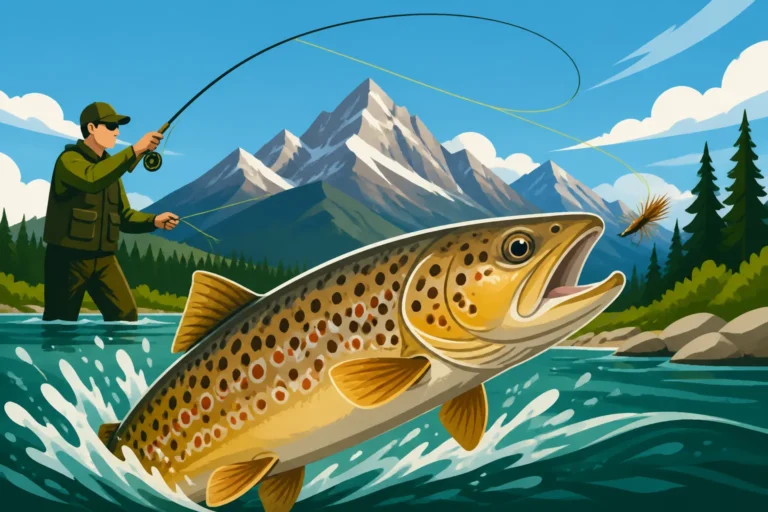
When most anglers think of "the biggest fish" in Lake Athabasca, their minds immediately turn to the magnificent Lake Trout. These incredible fish are perfectly adapted to the deep, cold, oxygen-rich waters of Athabasca. They are slow-growing and long-lived, meaning they have many years to pack on the pounds. Lake trout in Athabasca feed heavily on the abundant cisco and various whitefish species, which are essentially high-protein fuel for their growth. It's not uncommon for anglers to encounter lake trout weighing well over 20 pounds, with some legendary catches pushing into the 40-pound range or even more! These are fish that have survived multiple decades in a harsh environment, becoming true leviathans.
Imagine battling a fish that strong, with shoulders like a small truck, pulling line off your reel with relentless power. That's the Lake Athabasca lake trout experience. They often hug deep structures or patrol open water, following schools of baitfish. Catching one requires robust gear and patience, but the reward of holding such a powerful, ancient fish is unparalleled. To dive deeper into targeting these beauties, our guide on Lake Trout Fishing in Alberta has more insights.
Northern Pike: The Freshwater Shark
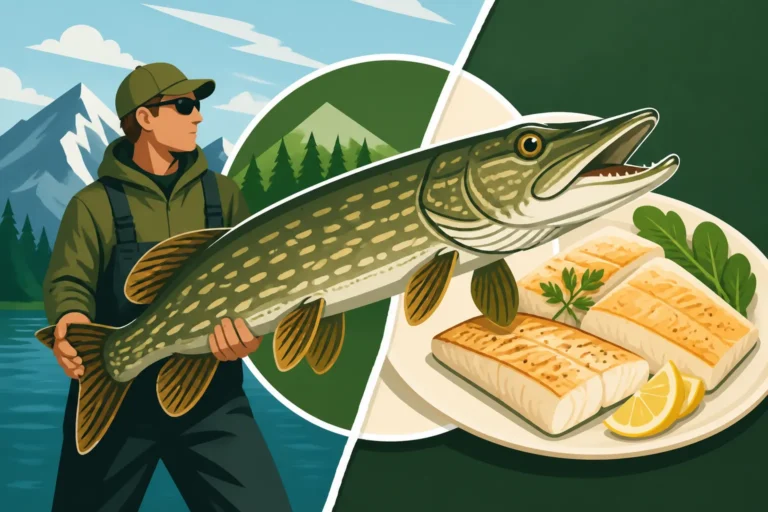
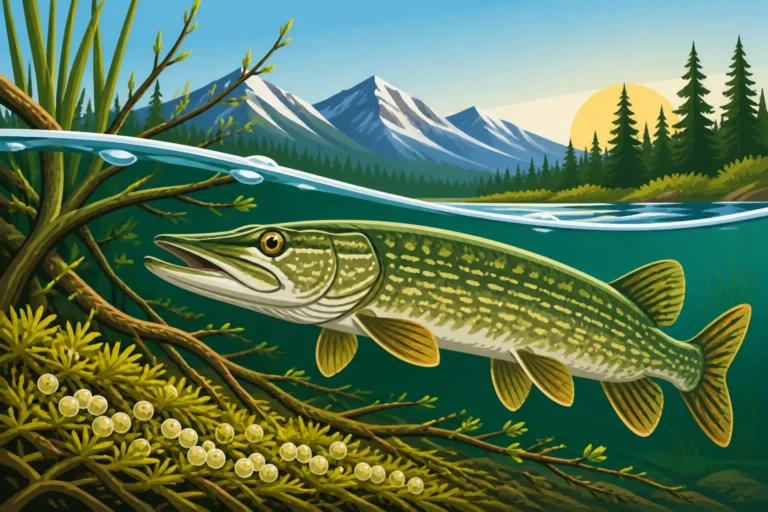
Another prime candidate for "biggest fish ever caught" is the Northern Pike. While lake trout dominate the deep, cold waters, pike rule the shallower, weedy bays, river mouths, and slower-moving sections of Lake Athabasca and its tributaries. These ambush predators are built for explosive strikes and can grow to incredible lengths and girths. Pike are aggressive and opportunistic feeders, eating anything from baitfish to ducks and small mammals. Their rapid growth rate in a nutrient-rich environment like Athabasca allows them to quickly become dominant predators.
Lake Athabasca has a well-deserved reputation for producing "gators"—pike that can stretch over 40 inches, 50 inches, and sometimes even longer, weighing into the 20, 30, and even 40-pound classes. Catching a pike of this size is a truly exhilarating experience, characterized by violent head shakes and powerful runs. They often stalk their prey in cover, striking with incredible speed. For those dreaming of a trophy pike, Lake Athabasca offers unparalleled opportunities. Check out our detailed article Northern Pike Fishing in Alberta for techniques and tips.
Walleye: The Golden Opportunity
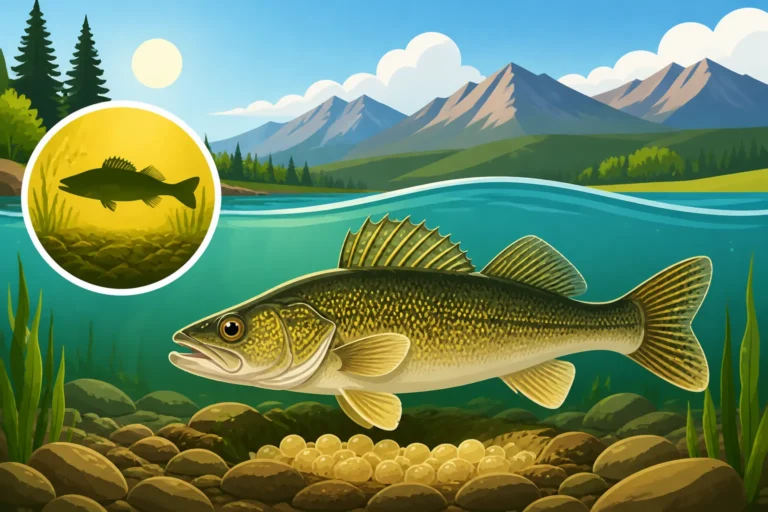
While typically not reaching the same colossal sizes as the largest lake trout or northern pike, walleye in Lake Athabasca are still an impressive sport fish and a fantastic eating fish. These fish can grow to substantial sizes, often exceeding 10 pounds and sometimes pushing much heavier in this rich environment. Athabasca's walleye populations benefit from the abundant baitfish and the extensive river systems that feed into the lake, providing ample spawning grounds and feeding areas.
Walleye are often found in slightly shallower waters than lake trout, particularly around river deltas, rocky points, and submerged structures. They are known for their delicious white flesh and their somewhat elusive nature, often preferring low-light conditions to feed. Hooking into a chunky Athabasca walleye provides a thrilling fight and a memorable meal. For tactics on how to find and catch these tasty fish, explore our Walleye Fishing in Alberta guide.
Other Notable Species
Lake Athabasca also supports other species that, while not typically in the "biggest fish ever caught" category, can still grow to impressive sizes and offer unique angling experiences:
- Burbot: These unique, eel-like fish are often overlooked but can grow quite large in the deep, cold waters of Athabasca. They are a popular ice fishing target and are known for their delectable liver. Sometimes referred to as "freshwater cod," burbot can reach lengths of over 30 inches and weigh over 10 pounds. Our Burbot Fishing in Alberta article offers more information.
- Lake Whitefish: While primarily a commercial species, lake whitefish can be caught by sport anglers and grow to respectable sizes, offering a spirited fight, especially on lighter tackle.
- Arctic Grayling: In the cooler, clearer tributaries feeding into Athabasca, you might find Arctic Grayling, known for their distinctive sail-like dorsal fin and vibrant colors. While not large, they are incredibly beautiful and a joy to catch.
How to Pursue Your Own "Biggest Fish" in Lake Athabasca
Chasing a truly giant fish in Lake Athabasca is an adventure that requires planning, the right gear, and a solid understanding of the environment. This isn't your average local pond; it's a vast, wild, and often remote fishery.
Essential Gear and Tackle
To tackle the giants of Lake Athabasca, you'll need robust gear that can handle powerful fish and the demanding conditions of a large, northern lake.
- Rods and Reels: For lake trout and northern pike, think heavy-duty. A medium-heavy to heavy action spinning or baitcasting rod, often 7 to 8 feet long, paired with a reel capable of holding a substantial amount of strong line (like 30-60 pound braided line), is essential. For walleye, a medium-light to medium action rod is usually sufficient. You'll want reels with smooth, reliable drags. Finding reliable gear is crucial, and many anglers often browse platforms like Amazon for reviews and comparative shopping before making big purchases.
- Line and Leaders: Braided line is popular for its strength and sensitivity, often with a fluorocarbon or heavy monofilament leader (30-80 lb test) to resist abrasion and pike teeth. Wire leaders are a must for pike if you don't want to lose your prized lures.
- Lures:
- Lake Trout: Large spoons (e.g., Five of Diamonds, Daredevils), heavy jigs (up to 2 oz or more), large crankbaits, and soft plastic swimbaits are effective when trolled or jigged deep.
- Northern Pike: Big spoons, large inline spinners, oversized crankbabaits, jerkbaits, and soft plastic swimbaits are all great. Topwater lures can be incredibly exciting in shallower areas.
- Walleye: Jigs with soft plastics or live bait, crankbaits, and bottom bouncers with spinner rigs are go-to choices.
- Fish Finder: A good quality fish finder is almost indispensable for locating deep structure, schools of baitfish, and the large predators that follow them. This is especially true for lake trout. For advice on these essential electronics, consult our guide on Best Fish Finders for Alberta Lakes.
- Boat and Safety Equipment: Given the size of Lake Athabasca, a sturdy boat is highly recommended. Make sure it's rated for large water bodies and that you have all the necessary safety equipment, including life jackets, bailer, signalling devices, and a first-aid kit. Understanding Alberta Boating Laws for Anglers is non-negotiable for a safe trip.
Effective Techniques for Athabasca's Giants
- Trolling: This is a classic and highly effective method for covering large expanses of water and locating active fish, especially lake trout and pike. Vary your depths and speeds until you find what the fish are responding to. Downriggers are often used to reach the deepest zones for lake trout.
- Jigging: For lake trout, heavy vertical jigging over deep structure or suspended baitfish schools can be deadly. For walleye and burbot, lighter jigs presented near the bottom are often the ticket.
- Casting: For northern pike, casting large lures into weedy bays, around rocky points, or near river mouths can elicit explosive strikes.
- Planning Your Trip: Lake Athabasca is vast and can be challenging. Consider hiring a local guide, especially if it's your first time, to learn the nuances of the lake and improve your chances of success. Research specific areas known for big fish, paying attention to seasonal patterns. Our Best Time of Year to Fish in Alberta article can help with general timing. Always check Alberta Bag and Possession Limits by Species before you head out, as regulations can change.
The Importance of Catch and Release
For these truly enormous, long-lived fish, especially lake trout and large northern pike, catch and release is paramount. These older, larger fish are often the prime spawners, contributing significantly to the health and sustainability of the fishery. If you're fortunate enough to catch a true giant, handle it with care:
- Minimize fight time with appropriate gear.
- Use a large, rubberized net to protect the fish's slime coat and fins.
- Keep the fish in the water as much as possible for photos.
- Support the fish horizontally and revive it fully before release.
- Avoid weighing fish by the jaw or gills.
By practicing responsible angling, you help ensure that Lake Athabasca continues to produce legendary fish for generations of anglers to come.
Disclaimer
This article is for general informational purposes only and does not constitute professional advice. Laws, prices and regulations vary by location and change over time. Consult a qualified professional for guidance on your specific situation.