What is a goldeye and where do they live in Alberta
Many anglers hitting Alberta's vast river systems might glance past a slender, silvery flash in the water, not realizing they've just seen one of the province's most unique and historically significant fish: the goldeye. If you've ever wondered about this intriguing species, or how to even begin to tell it apart from other fish, you're in the right place. This guide will shine a light on the elusive goldeye, uncovering its identity, preferred habitats, and why it holds a special place in the hearts of those who know its secret.
Getting Acquainted with the Alberta Goldeye
For many, the mention of "fish" in Alberta conjures images of majestic trout leaping from mountain streams or hefty walleye pulled from prairie lakes. But the goldeye is a different beast entirely – a true prairie and boreal river inhabitant with a character all its own.
What Exactly is a Goldeye?
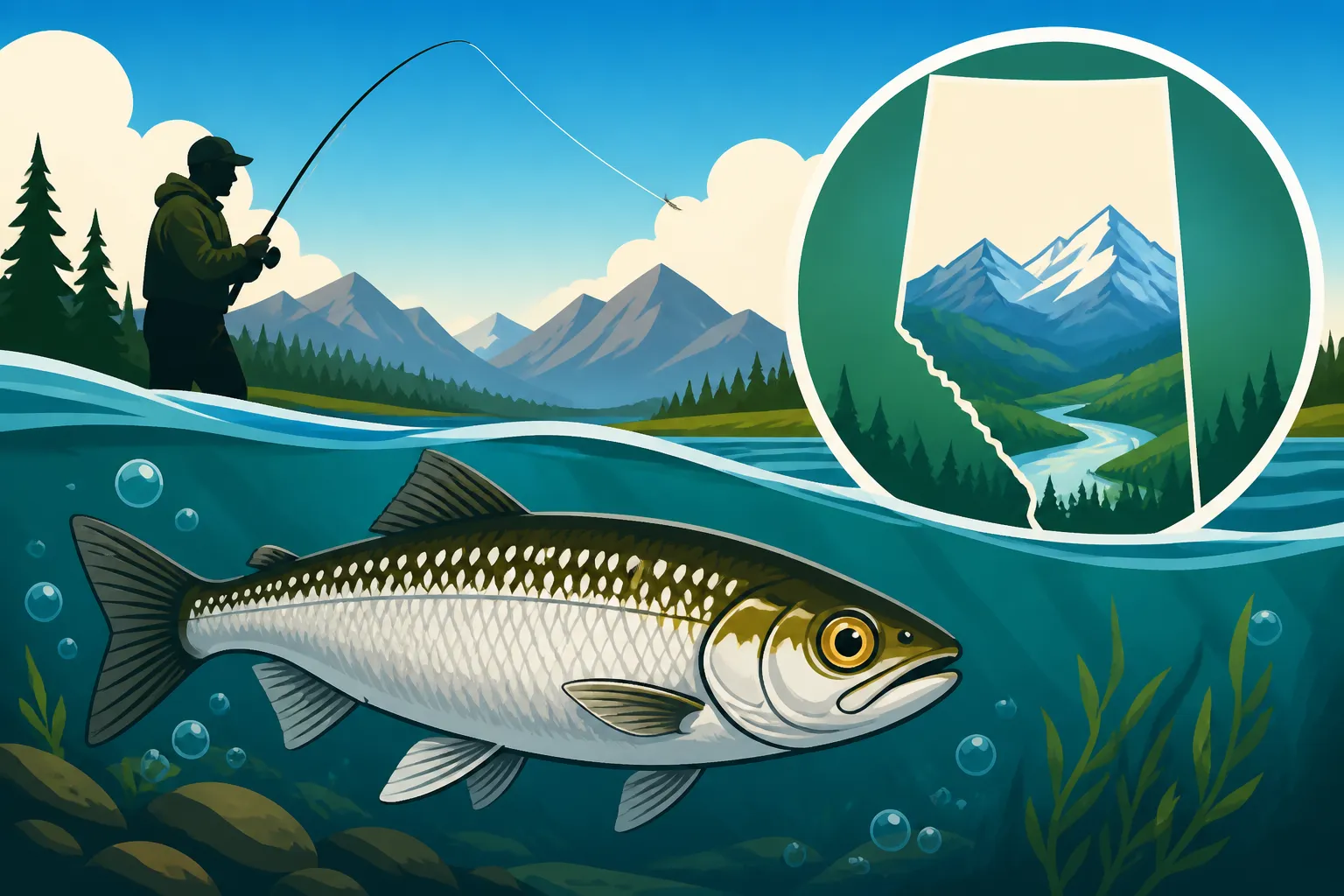
The goldeye, scientifically known as Hiodon alosoides, is a fascinating member of the Mooneye family. Its name comes from its most striking feature: unusually large, golden-hued eyes that are perfectly adapted for seeing in the often turbid waters it calls home. When you first see one, you'll notice its slender, compressed body, typically a shimmering silver on the sides, fading to a darker, almost bluish-green on its back, with a bright white belly. They generally have a prominent, deeply forked tail fin.
Unlike many of Alberta's more famous sport fish like trout, goldeye lack an adipose fin, which is that small, fleshy fin found on the back near the tail of salmonids. This is a quick identifier if you're ever unsure! While they share a superficial resemblance to their close cousin, the mooneye, goldeye tend to have smaller scales and a more distinct gold color in their eyes. In Alberta, goldeye usually range from 1 to 2 pounds, though larger specimens pushing 3 or even 4 pounds are occasionally caught, especially in rich river systems. Their delicate, papery mouths are another hallmark, which can make them a bit tricky to land for the uninitiated.
Their Ecological Niche in Alberta's Waters
Goldeye are incredibly adaptable fish, thriving in environments that many other species find challenging. They are primarily insectivores, with their diet consisting of a wide array of aquatic and terrestrial insects, including mayflies, caddisflies, and grasshoppers. However, they are also opportunistic feeders and won't hesitate to munch on small minnows, crustaceans, or even fish eggs if the opportunity arises. This broad diet contributes to their success in diverse habitats.
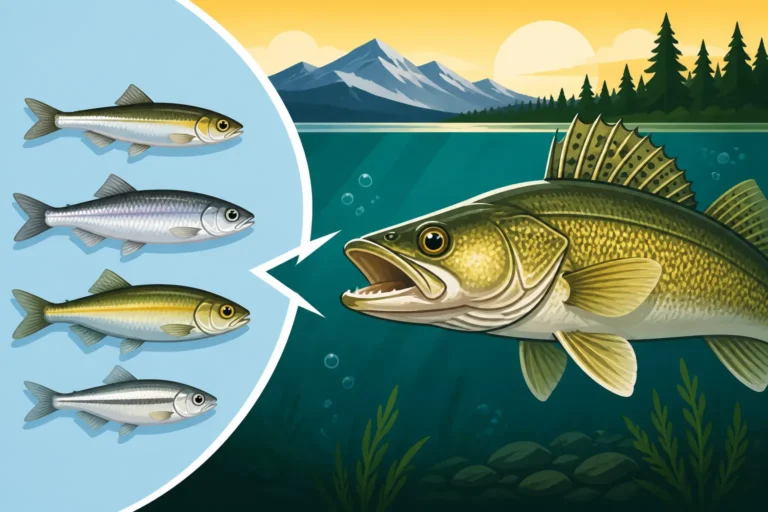
In the intricate food web of Alberta's rivers, goldeye play a crucial role as a forage fish. They are a food source for larger predatory fish like northern pike and walleye, as well as various fish-eating birds and mammals. Their ability to tolerate warmer, often murkier water than many trout species allows them to occupy niches in river sections where other species might struggle. This hardiness makes them a resilient component of Alberta's aquatic ecosystems, especially in the larger, slower-moving rivers of the central and northern parts of the province. Understanding the general principles outlined in Alberta Fishing Regulations Explained will also include information pertinent to species like the goldeye, ensuring you're always fishing within the rules.
Unearthing Goldeye Hotspots Across Alberta
So, you're keen to find these golden-eyed beauties? Knowing their preferred hangouts is half the battle. They aren't generally found in crystal-clear mountain streams, but rather in the expansive, often meandering rivers that flow across the plains and through the boreal forest.
The Ideal Goldeye Environment
Goldeye are quintessential river dwellers, favouring slow to moderately flowing water. You'll typically find them in larger, turbid rivers, especially in areas with deep pools, cut banks, and back channels where the current isn't too strong. Oxbow lakes – the crescent-shaped lakes formed when a river loop is cut off from the main channel – are also prime goldeye territory, as they offer calm, food-rich environments. The confluence of two rivers, where different currents meet and often create eddies, can also be a hotspot as it concentrates food.
Their tolerance for water that might be considered "murky" or "stained" is a key factor in their distribution. Unlike many salmonids that demand pristine, cold, oxygen-rich water, goldeye are comfortable in warmer, sometimes less oxygenated conditions. This adaptability means they can thrive in river stretches that might be less appealing to other popular sport fish, making them a unique target for anglers looking beyond the usual suspects. While less common, they can also be found in larger lakes, particularly near the mouths of rivers where currents bring in food and the water might be less clear.
Major Rivers Where Goldeye Thrive
Alberta is blessed with numerous river systems, and several of these are renowned for their goldeye populations. Here are some of the top contenders:
- Peace River: Flowing through the vast northern reaches of Alberta, the Peace River is a goldeye powerhouse. Its broad, often turbid waters and numerous back channels provide ideal habitat. Anglers targeting this area often find great success, especially from boats exploring the river's extensive length. For more details on accessing this fishery, check out Peace River Fishing Spots.
- Athabasca River: Another northern giant, the Athabasca River, particularly downstream from the town of Athabasca, is a prime goldeye destination. Look for them in slower-moving sections, around islands, and in the mouths of smaller tributaries. You can find more specific access points and information in guides like Athabasca River Fishing Spots.
- North Saskatchewan River: This iconic river, winding its way through Edmonton and eastward, holds excellent goldeye populations. Concentrate your efforts in slower stretches, behind bridge pilings, and in deeper holes, particularly in the reaches downstream of the city where the water tends to be more turbid. North Saskatchewan River Fishing Spots can offer more insights into this vibrant fishery.
- Red Deer River: In central and eastern Alberta, the Red Deer River is a strong contender for goldeye. Its meandering nature, with numerous bends and cut banks, creates perfect holding water. Fishing pressure tends to be lighter here compared to some other rivers, offering a more serene angling experience. For detailed information, consult articles such as Red Deer River Fishing Spots.
- South Saskatchewan River: The calmer, deeper reaches of the South Saskatchewan River, especially towards the eastern part of the province, can yield impressive numbers of goldeye. While often associated with walleye, the habitat overlaps significantly, making it a dual-species opportunity. Learn about access for other species that might share the water with goldeye by reading South Saskatchewan River walleye fishing access.
- Milk River: Flowing through southern Alberta, the Milk River also hosts goldeye, though perhaps in smaller numbers than its northern counterparts. Its unique characteristics offer a different angling experience. Discover more about this distinct river by exploring Milk River Fishing Spots.
Here's a quick overview of some of Alberta's major goldeye rivers and their characteristics:
| River Name | Primary Region | Typical Habitat for Goldeye | Notes |
|---|---|---|---|
| Peace River | Northern Alberta | Wide, turbid waters, back channels, slow eddies, confluence areas. | Excellent populations, often targeted from boats. |
| Athabasca River | Central/Northern AB | Slower stretches downstream from towns, oxbows, tributary mouths, deep pools. | Good numbers, particularly in the lower reaches. |
| North Saskatchewan River | Central Alberta | Downstream of urban areas, current breaks, deep holes, outside bends, bridge pilings. | Very popular, easily accessible sections. |
| Red Deer River | Central/Eastern AB | Meandering sections, cut banks, slower pools, downstream from dams (where flow permits). | Often overlooked, can provide good solitude and fishing. |
| South Saskatchewan River | Southern/Eastern AB | Calmer, deeper reaches, confluence zones, slower currents. | Shared habitat with walleye, good for multi-species days. |
| Milk River | Extreme Southern AB | Smaller, often warmer sections, slower pools. | Unique southern Alberta fishery, can be more challenging to find numbers. |
Understanding Goldeye Behavior for Anglers
To successfully catch goldeye, it helps to understand a bit about their daily and seasonal routines, as well as what motivates them to strike. They are not shy fish, but they do have preferences that, once understood, can lead to consistent success.
Seasonal Movements and Prime Fishing Times
Goldeye are generally more active and accessible during the warmer months, from late spring through early fall. As river temperatures rise, their metabolism increases, and they become more actively engaged in feeding. While they are present year-round, ice fishing for goldeye is less common, primarily because they often inhabit rivers with strong currents or are found in deeper, less accessible river sections during winter.
The prime time to target goldeye is often during the low light hours of dawn and dusk, or even into the early evening. This is when insects are frequently most active, and goldeye will often rise to the surface to feed on emerging or falling insects. On overcast days, they might remain active throughout the day. Their large eyes, adapted for low-light conditions, give them an advantage during these times. During bright midday sun, they often retreat to deeper, shadier areas like under cut banks or submerged timber.
What's On Their Menu: Preferred Forage
As mentioned, goldeye are primarily insectivores, with a keen appetite for anything that swims, crawls, or falls into the water. Mayflies, caddisflies, and midges are mainstays of their diet, especially during hatches. Terrestrial insects like grasshoppers and ants that get swept into the current are also quickly devoured. This strong insect preference is why fly fishing for goldeye can be incredibly effective, often mirroring trout techniques.
Beyond insects, goldeye are opportunistic. They will readily consume small minnows, tiny crustaceans, and even fish eggs. This means that while dry flies or small nymphs are excellent choices, small lures that mimic baitfish or even simple live bait can also be highly productive. Their feeding behavior is often characterized by sudden, aggressive strikes, making them an exciting fish to pursue.
How to Successfully Target Alberta Goldeye
Fishing for goldeye isn't complicated, but a few specific approaches will significantly increase your chances of success. They're a blast on light tackle, offering a spirited fight that belies their size.
Tackle and Bait Essentials
When it comes to tackle, think light! A light to ultra-light spinning rod and reel combo is perfect for goldeye. This setup allows for delicate presentations and maximizes the fun of the fight. A 6 to 7-foot rod with a fast action tip will give you the sensitivity to detect their often subtle bites and the backbone to handle their runs. You can find excellent budget-friendly light action spinning rods on Amazon that are perfect for this species, or even check out options typically recommended for trout or panfish, such as those found in articles like Best Spinning Rods for Walleye (which often includes lighter setups).
For lines, 4 to 6-pound test monofilament or fluorocarbon is ideal. Some anglers might prefer a light braided line with a fluorocarbon leader for added sensitivity and casting distance. As for lures, small is key!
- Small spoons: 1/16 to 1/8 ounce, in silver, gold, or brass finishes, are highly effective.
- Small spinners: Classic inline spinners like Mepps or Panther Martins in sizes #0 to #2 are irresistible.
- Tiny jigs: 1/32 to 1/8 ounce jigs tipped with a small plastic grub (white, chartreuse, or pink are good choices) or a piece of worm can be deadly.
- Flies: For fly anglers, dry flies imitating caddis, mayflies, or grasshoppers work wonders during surface activity. Small nymphs (like Hare's Ear or Prince Nymph) or tiny streamers can also be very productive when retrieved slowly.
- Natural Bait: Garden worms, mealworms, maggots, or even small pieces of hotdog or corn can be very effective when drifted under a small float or fished directly on the bottom with minimal weight.
Remember to consider your overall gear strategy; for a holistic view of what makes a good setup for river fishing in Alberta, take a look at resources like Best Fishing Rods for Alberta Rivers. A small tackle box with a variety of these options, easily found on Amazon, will have you well-prepared for any situation.
Techniques for a Great Goldeye Catch
The beauty of goldeye fishing is its simplicity. Here are some techniques that consistently produce:
- Cast and Retrieve: This is perhaps the most straightforward method. Cast your small spoon, spinner, or jig across or slightly upstream of promising water (like current seams, eddies, or deeper pools). Allow it to sink for a moment, then retrieve it slowly and steadily. Vary your retrieve speed until you find what triggers a strike. Goldeye often hit aggressively, so be ready!
- Drifting with the Current: This technique is particularly effective with bait or small, unweighted jigs. Cast upstream and allow your offering to drift naturally downstream with the current, mimicking a free-floating insect or baitfish. Pay close attention to your line for any twitch or pause, as goldeye can have a very light bite, despite their aggressive strikes. A small bobber or float can help suspend your bait at the desired depth and indicate strikes.
- Fly Fishing: When goldeye are rising to feed on the surface, dry fly fishing can be phenomenal. Cast your dry fly upstream of a rising fish and let it drift naturally. If they aren't rising, nymphing with small patterns or swinging tiny streamers can also be highly productive. Focus on presenting your fly subtly and naturally.
- Targeting Structure: Always look for current breaks, submerged logs, rock piles, or deeper pockets in the river. These areas provide goldeye with shelter and ambush points for feeding.
- Careful Handling: Goldeye have relatively delicate mouths. If you're planning on releasing them, use a small, barbless hook if regulations allow, and handle them gently to minimize injury. A small landing net, easily found on Amazon, can also help ensure a quick and safe release.
The Culinary Appeal of Goldeye
Now, let's talk about the table fare. While some fish have a reputation for being tricky to prepare due to small bones, the goldeye is a prime example of a fish whose unique flavour and texture make the effort entirely worthwhile.
Is Goldeye Good to Eat? Absolutely!
For those who are in the know, goldeye are considered a delicacy, particularly when smoked. Yes, they are bony – there's no sugarcoating that. They have a series of small, fine bones that can be challenging for those unfamiliar with filleting bony fish. However, their flesh is flaky, rich, and has a distinctive, delicious flavour that sets it apart from other freshwater species. It's often described as being richer than perch but milder than some of the stronger-tasting pike or burbot.
The "Winnipeg goldeye" is famous across Canada, a testament to how good this fish can be when prepared correctly. The traditional method involves hot-smoking the whole fish after a brine, which softens the fine bones to the point where they are barely noticeable or can even be eaten along with the flesh. The smoking process infuses the delicate meat with a smoky aroma and flavour that is simply divine, making it a highly sought-after product. If you're interested in the best eating experiences from Alberta waters, it's worth exploring guides like Best eating fish species from Alberta lakes, where goldeye often gets a special mention.
Handling Your Catch and Preparation Tips
To get the most out of your goldeye, proper handling from the moment it's caught is crucial. Bleeding the fish immediately after catching (by cutting a gill arch) and placing it on ice will significantly improve the flavour and texture of the meat. Keeping them cold and clean is paramount, especially if you plan to smoke them.
When it comes to preparation, you have a couple of options:
- Filleting and Pan-Frying/Baking: If you're going to fillet them, be prepared for those fine bones. Some anglers develop a technique to remove the "y-bones" similar to pike, but it can be fiddly on a smaller fish. Often, the best approach is to carefully slice the fillets into smaller, bite-sized pieces, which makes dealing with any remaining bones easier while eating. A good, sharp fillet knife is essential, and you can find excellent options for various fish sizes on Amazon. Season simply with salt, pepper, and a squeeze of lemon to let the natural flavour shine.
- Smoking: This is where goldeye truly excels. After brining them (a simple salt, sugar, and water solution), they are slow-smoked. The heat and smoke cure the flesh and soften the bones, creating a buttery, flavourful product. If you're serious about smoking, you can find a range of home smokers and accessories on Amazon to get you started. Smoked goldeye is fantastic on its own, flaked into salads, or served on crackers.
So, the next time you're out fishing Alberta's rivers, don't overlook the humble goldeye. This unique, spirited, and delicious fish offers a distinct angling experience and a taste sensation that's well worth the effort.
Disclaimer
This article is for general informational purposes only and does not constitute professional advice. Laws, prices and regulations vary by location and change over time. Consult a qualified professional for guidance on your specific situation.