How long lake trout live in Alberta
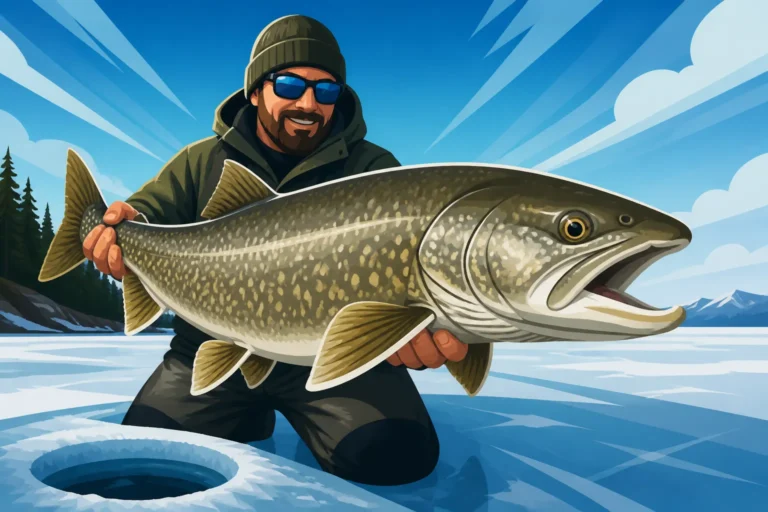
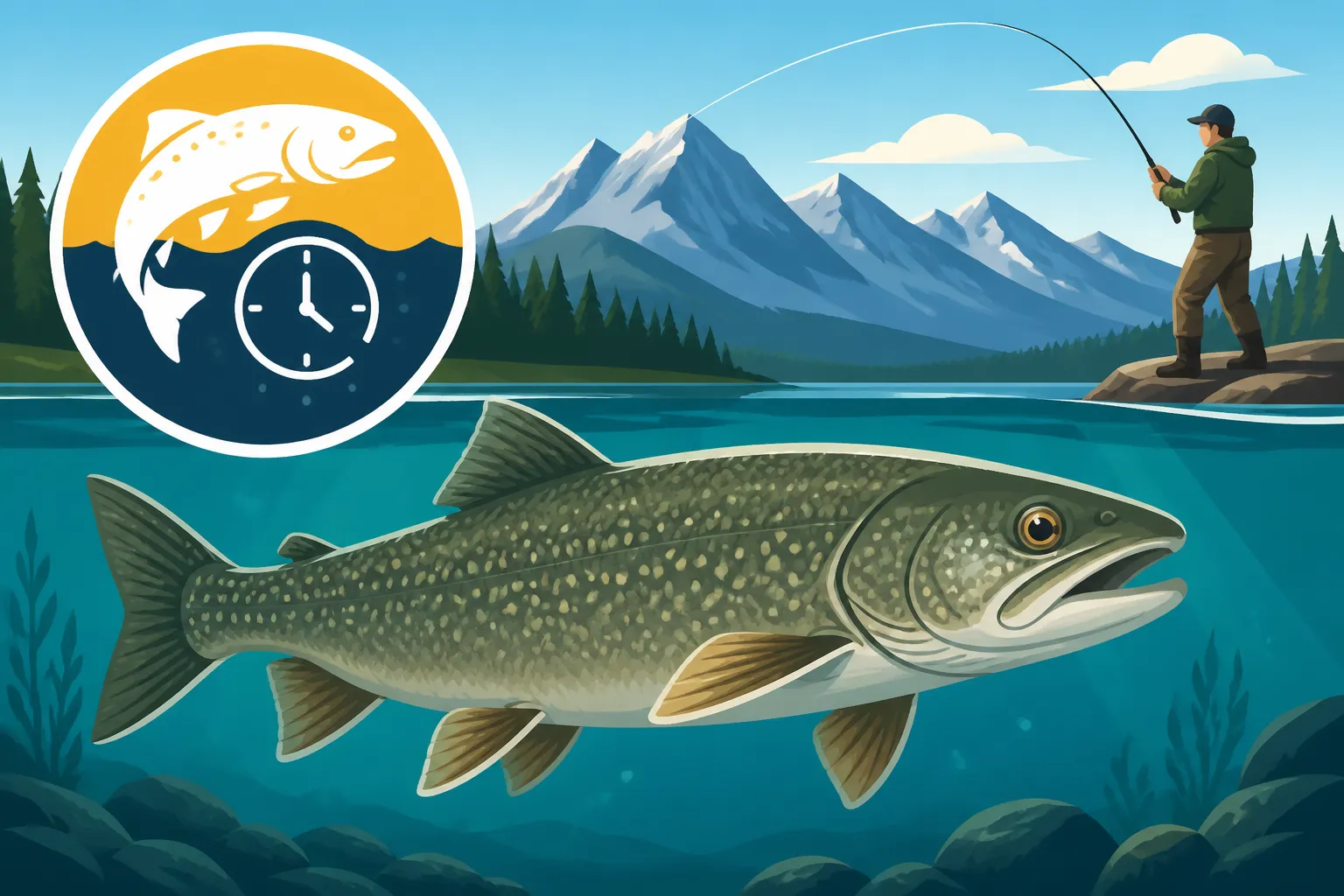
It's an amazing thing to pull a big, old lake trout out of Alberta's deep, cold waters and wonder just how many seasons that fish has seen. Many anglers are naturally curious about the lifespan of these magnificent creatures, especially when compared to other species. This guide is going to dive deep into just how long lake trout can live in our beautiful province, exploring the factors that contribute to their incredible longevity and what we as anglers can do to help them thrive for generations to come.
The Astonishing Lifespan of Alberta's Lake Trout
When we talk about lake trout in Alberta, we're not just talking about any fish. These are true survivors, often reaching ages that put many other freshwater species to shame. It's not uncommon for lake trout in Alberta's pristine, deep lakes to live for twenty, thirty, or even forty years. In fact, some exceptional individuals in the coldest, most remote waters have been documented reaching ages well over fifty years, occasionally approaching seventy! Imagine the stories such a fish could tell, having navigated the depths through decades of changing seasons.
What Truly Determines Their Age?
Several critical factors play a huge role in how long an individual lake trout will grace our Alberta waters. It's a delicate balance of environment, food, and the pressures they face throughout their lives.
Firstly, the quality of their habitat is paramount. Lake trout are oligotrophic species, which means they thrive in deep, clear, cold, oxygen-rich waters. Lakes like Cold Lake, Lake Athabasca, and other high-country jewels provide ideal conditions. If a lake becomes warmer, shallower, or suffers from reduced oxygen levels, a lake trout's potential lifespan can be significantly cut short. They simply cannot tolerate poor water quality for extended periods.
Secondly, food availability directly impacts their growth rate and, by extension, their lifespan. In nutrient-poor, cold waters, lake trout grow slowly, but steadily. This slower growth often correlates with greater longevity. They don't burn through their metabolic reserves as quickly as fast-growing fish in warmer, richer environments. A consistent, albeit sparse, food supply of smaller fish, insects, or crustaceans allows them to maintain health without overexerting themselves. Think of it like a marathon runner pacing themselves for the long haul.
Lastly, fishing pressure is an undeniable factor. While lake trout can live for decades, they are still susceptible to angling. Lakes with heavy fishing pressure, especially those where larger, older fish are frequently harvested, will naturally see a reduction in the average age and maximum lifespan of their lake trout populations. Responsible angling and adherence to catch limits, especially for trophy-sized fish, become incredibly important for maintaining these long-lived populations. You can find more information on this in Alberta Bag and Possession Limits by Species.
The Range of Longevity: From Decades to Generations
The actual lifespan of lake trout can vary considerably from one Alberta lake to another, even within the same region. This isn't just anecdotal; it's backed by scientific studies that examine otoliths (ear bones) or fin rays, which have growth rings much like trees.
In the deepest, coldest, and often most remote lakes, lake trout exhibit the longest lifespans. These are typically the large, pristine bodies of water, often with limited access, where the fish face fewer environmental stressors and less human interaction. Here, you'll find the giants, the true patriarchs and matriarchs of the lake, that have witnessed countless ice-overs and thaws. These are the fish that can truly be described as having lived for generations.
In contrast, lakes that are slightly warmer, shallower, or those that experience more environmental fluctuations or higher fishing pressure, will generally have lake trout populations with shorter average lifespans. While still impressive compared to many other fish species, a 15-20 year old fish might be considered "old" in these waters, rather than the 30-40+ year old specimens of the more pristine environments. It's a stark reminder of how sensitive these fish are to their surroundings and how much impact our actions can have.
Compared to Their Fin-Finned Cousins
To truly appreciate the longevity of Alberta's lake trout, it helps to put it into perspective by comparing them to other popular freshwater fish species found across the province.
| Fish Species | Typical Lifespan in Alberta (Years) | Maximum Observed Lifespan (Years) |
|---|---|---|
| Lake Trout | 20 – 40 | 50 – 70+ |
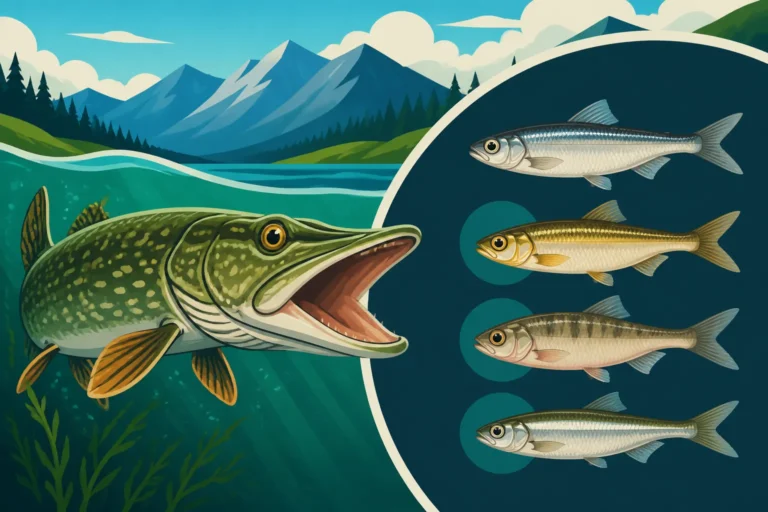
| Northern Pike | 10 – 15 | 25 – 30 |
| Walleye | 10 – 20 | 25 – 30 |
| Rainbow Trout | 4 – 7 | 10 – 12 |
| Brown Trout | 5 – 10 | 15 – 20 |
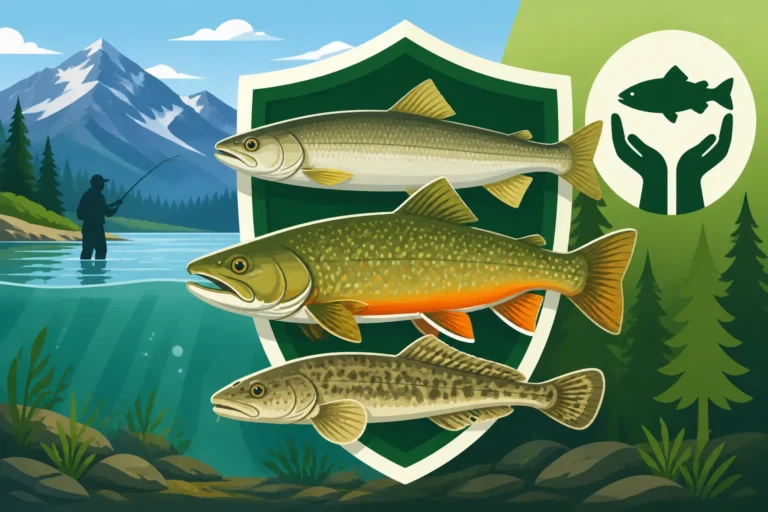
| Burbot | 10 – 15 | 20 – 25 |
As you can see from this table, lake trout stand out significantly. They are truly the ancient mariners of our freshwater ecosystems, with lifespans that can often double or even triple those of other major sportfish. This incredible longevity makes their conservation all the more vital, as it takes many years for these populations to recover from significant impacts. Learning about Lake Trout Spawning Season in Alberta can also provide insights into their reproductive cycles and how that ties into their long lives.
The Secrets to Lake Trout Longevity: Why They Live So Long
So, what exactly is it about lake trout that allows them to achieve such remarkable lifespans? It's not just luck; it's a sophisticated set of biological and environmental adaptations that have evolved over millennia to suit their specific niche.
The Power of Cold, Deep Water Environments
Lake trout are perfectly adapted to the cold, deep, and often seemingly barren environments of oligotrophic lakes. In these waters, metabolic rates are naturally lower. Think of it like a slow-burning candle versus a quickly consumed torch. Colder water means less energy is expended just for basic bodily functions, allowing the fish to conserve energy and grow at a much slower, more sustainable pace. This slow metabolism also contributes to less cellular wear and tear over time, essentially slowing down the aging process.
Furthermore, deep water provides stable temperatures and consistent oxygen levels, especially during summer when surface waters can warm significantly and oxygen can deplete. This consistent, predictable environment reduces stress on the fish, allowing them to thrive without constantly battling fluctuating conditions. These deep havens are their refuge, and the larger and deeper the lake, the more consistent these conditions tend to be. If you're looking for where to find these majestic fish, checking out Best Fishing Lakes in Alberta might give you some ideas.
Slow and Steady Wins the Race: Growth Rates and Metabolism
Lake trout don't grow quickly, especially in the most pristine environments. A 10-pound lake trout could easily be 15-20 years old, while a 20-pounder might be pushing 30-40. This slow growth is a key component of their longevity. They invest energy in maintaining their bodies and surviving rather than in rapid growth bursts that can take a heavy toll on an organism. Their lean, firm flesh is a testament to this slow, efficient energy use.
Their metabolism is finely tuned to extract maximum benefit from limited food resources. They are opportunistic feeders, capable of consuming a wide range of prey, from small invertebrates to other fish species, depending on what's available in their deep-water domain. This metabolic efficiency, combined with their cold habitat, creates a powerful formula for a long life. It's a prime example of quality over quantity when it comes to growth.
Adaptations for Survival in a Harsh World
Beyond cold water and slow growth, lake trout possess other adaptations that contribute to their incredible survival. Their streamlined bodies are perfect for navigating deep water, and their camouflage helps them blend into rocky structures or open water. They are also incredibly resilient, able to withstand prolonged periods of low light and even scarcity of food.
Their reproductive strategy also plays a role. While they don't produce as many eggs as some other species like pike or walleye, the eggs they do lay are typically larger and contain more yolk, giving the fry a better start in life. They also spawn in very specific, often deep-water, rocky areas, providing some protection for their eggs from predation and environmental disturbance. Understanding these adaptations helps us understand why they are so unique and why responsible fishing practices are crucial. If you're keen to catch one, check out How to Catch Lake Trout in Alberta for techniques.
Protecting These Ancient Anglers: Conservation and Responsible Fishing
The impressive lifespans of Alberta's lake trout underscore the importance of protecting these incredible fish. Because they take so long to reach maturity and live for so many years, any significant loss of older, larger fish can have long-lasting impacts on the population's structure and genetic diversity.
Your Role as an Angler: Catch, Release, and Respect
As anglers, we have a direct impact on the health and longevity of lake trout populations. Practicing responsible catch and release, especially for the largest, oldest fish, is paramount. These trophy fish are often the most prolific spawners and carry the genetics for long life, making them invaluable for the future of the fishery.
Here are some tips for responsible handling:
- Use appropriate gear: Heavier line and stiffer rods can help you land the fish more quickly, reducing fight time and stress. A good quality landing net, often found on Amazon, designed for large fish can also minimize handling.
- Minimize air exposure: Keep the fish in the water as much as possible. If you must lift it for a photo, do so quickly and support its body horizontally.
- Use barbless hooks: Barbless hooks greatly reduce injury and make hook removal much easier and faster. Many specific regulation waters in Alberta mandate barbless hooks. You can learn more about this in Alberta Barbless Hook Requirement Waters.
- Handle with care: Avoid squeezing the fish, especially around its internal organs. Use wet hands to protect their delicate slime coat.
- Revive properly: If a fish is lethargic after the fight, gently hold it upright in the water, facing into the current, until it regains strength and swims away on its own.
By following these practices, we ensure that those magnificent, long-lived lake trout have the best chance to continue their journey through Alberta's waters.
Alberta's Efforts to Safeguard Lake Trout Populations
Alberta Environment and Protected Areas (AEPA) plays a crucial role in managing and conserving lake trout. They implement a variety of strategies to ensure these populations remain healthy and sustainable for future generations.
One key aspect is the establishment and enforcement of stringent fishing regulations. These include bag and possession limits, size restrictions (which often protect the largest, oldest fish), and specific season dates for different zones. These regulations are not arbitrary; they are carefully crafted based on scientific data and population assessments to ensure that harvest levels are sustainable. Staying informed on these is vital, and Alberta Fishing Regulations Explained is a great resource.
They also employ stocking programs in some lakes, though for true wild lake trout populations, the focus is more on habitat protection and managing angling pressure. When stocking occurs, it's often to establish new fisheries or supplement populations in areas where natural reproduction is limited.
Furthermore, ongoing research and monitoring efforts help biologists understand the health of lake trout populations, track their growth rates, and assess their overall longevity. This scientific data is essential for making informed management decisions and adapting regulations as needed to respond to changing environmental conditions or population trends. These dedicated efforts, combined with responsible angling, give Alberta's ancient lake trout the best chance to continue their long lives beneath the surface.
Disclaimer
This article is for general informational purposes only and does not constitute professional advice. Laws, prices and regulations vary by location and change over time. Consult a qualified professional for guidance on your specific situation.