How big lake trout get on Cold Lake
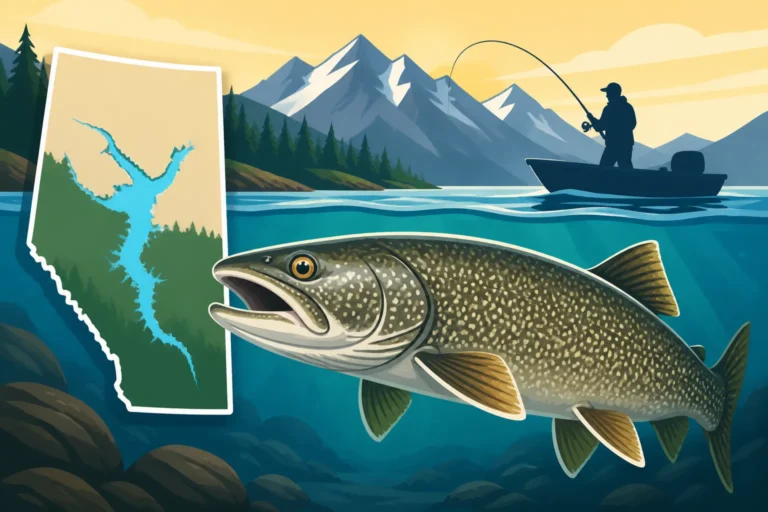
It's an age-old question that gets every angler's heart pumping a little faster: just how big do those magnificent lake trout truly get in Cold Lake? When you're dreaming of that next fishing adventure, picturing a monster laker at the end of your line is often the driving force, and Cold Lake has certainly earned its reputation for producing some absolute giants. This guide is here to dig deep into the factors that make Cold Lake a prime spot for trophy lake trout, what you can realistically expect, and how dedicated anglers go about finding those truly massive fish.
Cold Lake: A Haven for Monster Lake Trout
Cold Lake isn't just any large body of water; it's a deep, cold, oligotrophic lake straddling the Alberta-Saskatchewan border, and it's practically synonymous with trophy lake trout fishing in Western Canada. For years, anglers have flocked here, drawn by whispers and tales of immense lakers that push the scales. The frustration for many new anglers is arriving at a vast, intimidating body of water without a clear understanding of what makes its trout so special, or where to even begin in pursuit of a truly memorable catch.
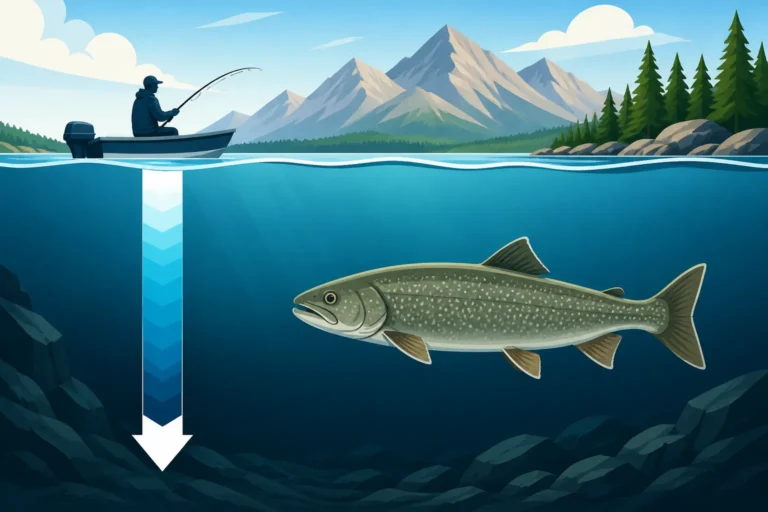
What makes Cold Lake so ideal for lake trout, and in particular, for growing them to such impressive sizes? Firstly, its sheer depth and consistent cold water temperatures are paramount. Lake trout, being a cold-water species, thrive in these conditions, which allow them to remain active and grow throughout the year without the stress of warmer, shallower waters. Depths exceeding 100 meters in many areas provide ample thermal refuge, ensuring that even on the hottest summer days, there's a comfortable, oxygen-rich environment for these fish. This consistent, ideal habitat is a critical ingredient in their growth potential.
Beyond just the cold, deep water, Cold Lake boasts a remarkably rich forage base. Lake trout are apex predators, and their growth is directly tied to the abundance of food available. Cold Lake is home to substantial populations of cisco (lake herring) and other baitfish, which are essentially high-octane fuel for growing large trout. Imagine a grocery store that's always fully stocked with the best protein – that's what Cold Lake offers its lake trout. They have a plentiful, consistent food source to pack on the pounds year after year, turning small fry into true titans of the deep. This robust food chain means the fish aren't just surviving; they're thriving and growing efficiently.
Many anglers who've spent significant time on Cold Lake can attest to its unique character. It's a lake that demands respect, but it rewards perseverance. The feeling of hooking into a powerful fish in these deep, clear waters is unlike anything else. You might start your day with a standard size laker, but the constant possibility of that truly enormous fish keeps everyone coming back. This is why when you hear discussions about Lake Trout Fishing in Alberta, Cold Lake invariably comes up at the top of the list.
Factors Influencing Lake Trout Size on Cold Lake
The size a lake trout attains in Cold Lake isn't just a random occurrence; it's the culmination of several environmental and biological factors working in harmony. Understanding these elements can help you appreciate the fishery and even inform your own strategies when targeting these magnificent fish.
One of the most significant factors is the genetics and age of the fish. Like all species, some lake trout are genetically predisposed to grow larger and live longer. Cold Lake's lakers have a robust gene pool, and with the excellent conditions, they have the opportunity to reach impressive ages. A lake trout in Cold Lake can live for decades, and with each passing year, it continues to grow. These ancient, massive fish are often the ones that become the stuff of legend, having survived countless seasons and fed on untold numbers of baitfish. A fish pushing twenty or even thirty pounds is likely many years old, a true veteran of the lake.
Another critical component is the abundance and type of forage. As mentioned, cisco are a primary food source, but lake trout are opportunistic predators and will consume whatever is readily available. This can include whitefish, burbot, and even smaller lake trout. A diverse and rich forage base ensures that the lake trout have a consistent, high-energy diet. The more they eat, and the higher the caloric value of that food, the faster and larger they can grow. A healthy ecosystem with thriving baitfish populations is directly correlated to bigger predatory fish. What lake trout eat in Alberta lakes is a topic that Cold Lake anglers understand deeply, constantly observing patterns and adapting their presentations.
Water quality and habitat stability also play a crucial role. Cold Lake is renowned for its pristine, clear, and cold waters, which are ideal for lake trout. Good oxygen levels throughout the water column, even at extreme depths, allow the fish to access a vast amount of habitat and forage. Stable water temperatures prevent stress, allowing the fish to dedicate more energy to growth rather than survival. The deep, rocky structures, ledges, and vast open water areas of Cold Lake provide diverse habitats for lake trout at all stages of their life cycle, from spawning grounds to deep-water feeding zones.
Finally, fishing pressure and management strategies are vital for maintaining a trophy fishery. Alberta's fisheries management implements regulations, including catch limits and sometimes size restrictions, designed to protect the breeding stock and allow fish to reach older, larger sizes. While Cold Lake certainly sees its share of anglers, these regulations, combined with a strong catch-and-release ethic among many trophy hunters, help sustain the population of large fish. Responsible angling ensures that the next generation of lakers has the chance to grow to legendary proportions. Without proper management, even the best lakes can decline, but Cold Lake has historically benefited from sound practices aimed at preserving its unique laker fishery. You can learn more about specific rules in the Alberta Fishing Regulations Explained guide.
Typical Sizes and True Trophy Potential on Cold Lake
When people ask how big lake trout get on Cold Lake, it’s important to distinguish between what an average angler might typically catch and the true giants that make headlines. The reality is that not every fish you hook will be a monster, but the potential for those exceptional catches is what draws so many.
For a typical day out on Cold Lake, most anglers targeting lake trout can expect to encounter fish generally ranging from 4 to 15 pounds. These are healthy, hard-fighting fish that provide excellent sport. They are often between 20 to 30 inches in length, robust and powerful, a testament to the lake's rich environment. Landing several fish in this size range in a single outing is considered a successful and enjoyable trip for many. They pull hard, dive deep, and offer a thrilling fight, especially on medium-heavy gear. This average size makes for a fantastic fishing experience, but for many, the dream is still that next-level fish.
Now, let's talk about the true trophy potential. Cold Lake is truly exceptional in its ability to produce lake trout that push, and often exceed, the 20-pound mark. These are the fish that require heavy-duty tackle, patience, and often a lot of boat maneuvering. Fish in the 20-30 pound range are not uncommon, especially for seasoned anglers who know the lake's deep structure and seasonal patterns. These magnificent specimens are often well over 36 inches long, with broad shoulders and immense power. Imagine battling a fish that feels like a small submarine, stripping line off your reel with relentless runs – that's a Cold Lake trophy.
The ultimate goal for many is the 30+ pound monster. While rare, Cold Lake consistently produces lake trout that can tip the scales into the low to mid-30s, and occasionally, even larger. Fish approaching the provincial record have been caught from Cold Lake's depths. These are the fish that validate Cold Lake's legendary status. They are often old, wise, and incredibly powerful, representing the pinnacle of the lake trout fishery. Catching one of these requires a blend of skill, knowledge, and a fair bit of luck, but the fact that it's a realistic possibility keeps the most dedicated anglers coming back year after year.
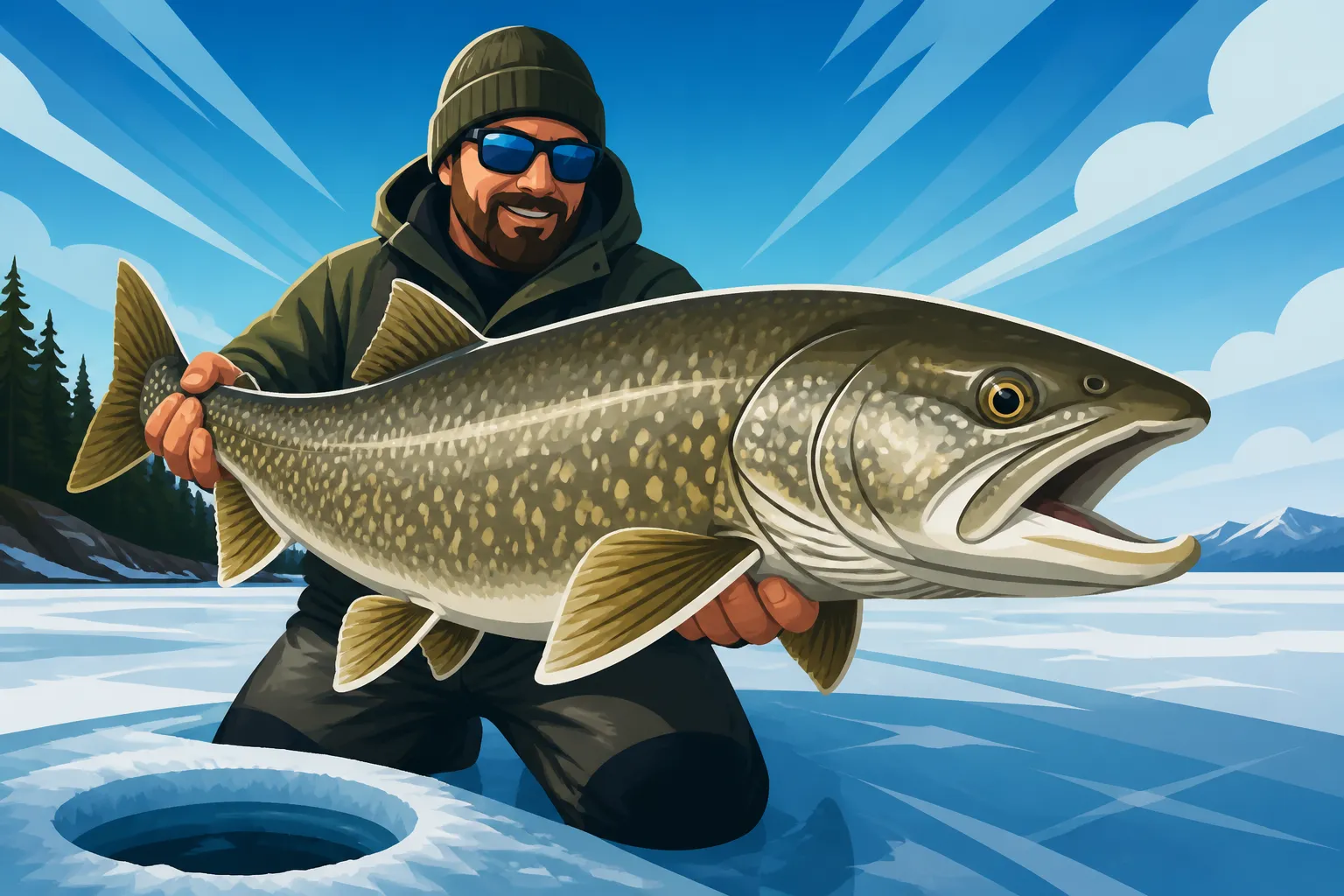
A good example of this incredible potential is often seen during the ice fishing season. When targeting Ice Fishing in Alberta, Cold Lake offers unique challenges and rewards. The giants are often in deep water, and anglers use specialized sonar and heavy ice fishing gear to coax them out. The sheer power of a 20+ pound laker in a confined ice hole is something you have to experience to believe. Whether through the ice or open water, the journey to finding these big fish is a deeply rewarding part of the Cold Lake experience.
Strategies for Targeting Larger Lake Trout on Cold Lake
Successfully targeting those bigger lake trout on Cold Lake requires more than just luck; it demands strategy, specialized gear, and a deep understanding of the fish's habits. It's a challenging pursuit, but the rewards are well worth the effort.
One of the most crucial elements is understanding seasonality and timing. Lake trout in Cold Lake behave differently throughout the year. In the spring, shortly after ice-off, they might be found shallower as they feed actively before retreating to the depths. Summer sees them deep, often hugging thermoclines or feeding on structure in 60 to 120 feet of water, sometimes even deeper. Fall can see another shallower movement as water temperatures cool, and this is a prime time for targeting larger fish before the spawn. Winter, as mentioned, means deep-water ice fishing. Learning the patterns for When lake trout spawn on Cold Lake can also indicate times when fish are more concentrated and active. Knowing when to fish a certain depth or structure is often more important than the lure you're using.
Gear and techniques are paramount for trophy lakers. You'll want heavy-duty spinning or baitcasting setups capable of handling large, powerful fish and heavy lures or weights. For deep-water trolling, downriggers are almost essential for consistently presenting your baits at the precise depth where lake trout are feeding. Large spoons, crankbaits, and even substantial soft plastic swimbaits are popular choices. Think big, flashy, and deep. Many anglers turn to online retailers like Amazon to find specialized trolling gear, heavy spoons, and robust rods and reels specifically designed for battling big fish in deep water. You can often find great deals on a variety of tackle on Amazon, ensuring you're well-equipped. For jigging, heavy jigs (often 1-3 ounces) tipped with large plastics or a piece of cut bait are effective for working deep structure.
Reading the lake is perhaps the most refined skill. This involves using modern electronics – a high-quality fish finder and GPS are indispensable. You'll want to look for deep-water points, submerged islands, rock piles, ledges, and sudden depth changes. These structures act as ambush points or holding areas for lake trout. Mark successful spots on your GPS religiously. Pay attention to schools of baitfish, as big lakers are rarely far from their food source. Understanding thermal layers and oxygen levels is also key; your fish finder can often show you the thermocline, which is a common depth for lake trout to hunt. The ability to interpret what your sonar is showing you, and then precisely present your lure to those fish, is often the difference between a good day and a truly epic one. For those who want to deepen their understanding, reading guides like How to Catch Lake Trout in Alberta can provide invaluable insights into these specific techniques.
Ultimately, patience and persistence are your greatest allies. Cold Lake is a vast and sometimes challenging body of water. There will be days when the fish are elusive, but the sheer size and power of its lake trout mean that every single bite could be the fish of a lifetime. Equipping yourself with the right knowledge, gear (even if purchased from a convenient source like Amazon), and a determined attitude will greatly increase your chances of connecting with one of Cold Lake's legendary giants.
Here’s a quick overview of what to expect:
| Factor | Average Lake Trout on Cold Lake | Trophy Lake Trout on Cold Lake |
|---|---|---|
| Weight Range | 4 – 15 pounds | 20 – 30+ pounds |
| Length Range | 20 – 30 inches | 36+ inches |
| Age | 5 – 15 years | 20+ years |
| Common Baits | Medium spoons, swimbaits | Large spoons, crankbaits, big soft plastics |
| Depth | Variable, often 40-80 ft | Often 60-120+ ft |
| Gear | Medium-heavy rod/reel, 15-20 lb line | Heavy rod/reel, 25-50 lb braid, downriggers |
| Frequency | Relatively common | Challenging, but achievable |
Disclaimer
This article is for general informational purposes only and does not constitute professional advice. Laws, prices and regulations vary by location and change over time. Consult a qualified professional for guidance on your specific situation.