Lake Trout Average Size in Alberta Lakes
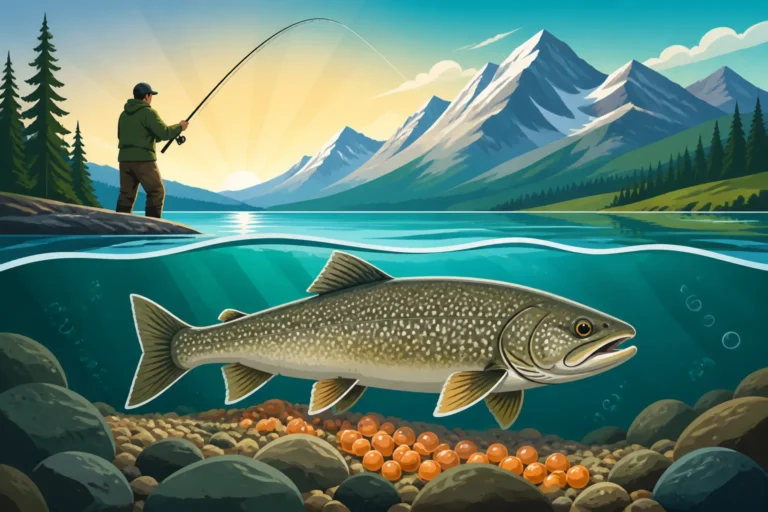
It's a common question that pops into the mind of every angler heading out onto Alberta's vast waters: "What size of lake trout can I realistically expect to catch today?" The truth is, the average size of Salvelinus namaycush can vary wildly across our beautiful province, depending on the lake, the forage, and even the genetics of the specific fish population. This guide aims to shed some light on what influences lake trout size and set some realistic expectations for your next adventure.
Understanding Lake Trout Biology and Growth Dynamics
Lake trout are fascinating creatures, perfectly adapted to the cold, deep waters they call home. Their growth isn't a one-size-fits-all scenario; it's a complex interplay of environmental factors, food availability, and even the individual fish's genetic makeup. Understanding these dynamics is key to appreciating why some lakes produce giants while others are better known for their more modest-sized residents.
Factors Influencing Lake Trout Size
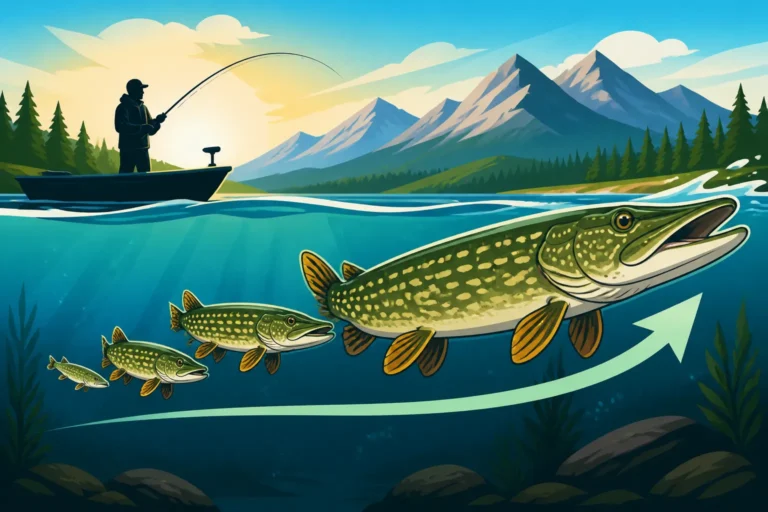
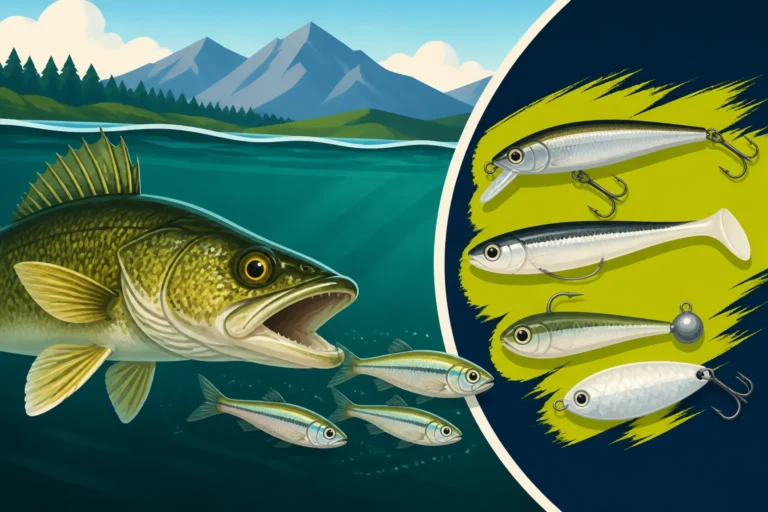
Just like us, lake trout need a good diet and favourable living conditions to grow big and strong. The primary factor is, without a doubt, food. In lakes with an abundant supply of high-energy forage fish – think ciscoes, smelt, or even other whitefish – lake trout have the fuel to pack on serious weight and length. Conversely, in lakes where food is scarce or consists mainly of smaller invertebrates, growth rates can be significantly slower, leading to smaller average sizes. Genetics also play a subtle but important role; some populations naturally have a predisposition for larger maximum sizes, passed down through generations. Age is another critical component; older fish are naturally larger, provided they've had consistent access to food and haven't succumbed to predation or angling pressure.
Think about it like this: a lake trout in a rich, deep lake like Cold Lake, gorging on an endless supply of nutrient-dense baitfish, is going to grow much faster and larger than a lake trout eking out a living in a high-elevation mountain lake where the menu is mostly insects and tiny minnows. It's a matter of calories in, growth out. Anglers often discuss how the "average" size seems to shift, and these factors are precisely why.
The Impact of Habitat and Ecosystems
The specific characteristics of a lake's habitat are paramount to the size and health of its lake trout population. Deep, cold, oxygen-rich waters are ideal, as these conditions allow lake trout to thrive throughout the year, especially during warmer summer months when shallower waters become inhospitable. Lakes that are oligotrophic, meaning they are relatively low in nutrients but often very deep and clear, tend to support healthy lake trout populations that, given enough forage, can reach impressive sizes. These lakes typically have stable temperatures in their deeper zones, providing consistent, stress-free environments.
The entire food web within a lake also dictates what's possible. Lakes with diverse ecosystems, where there are multiple layers of prey species, from zooplankton for younger trout to larger baitfish for mature adults, generally foster better growth. Conversely, lakes that have seen ecological shifts, perhaps due to invasive species or changes in water quality, might see a decline in average lake trout size as their food sources are disrupted or competition increases. This delicate balance of the ecosystem truly defines the potential for these majestic fish. If you're looking for where the giants might be, you really need to understand the lake's unique story.
Average Size Expectations Across Alberta's Diverse Waters
Alberta is blessed with an incredible variety of fishing environments, from vast northern lakes to pristine mountain tarns. This diversity naturally means that what you consider an "average" lake trout can differ significantly depending on where you drop your line. Setting realistic expectations before you go out can save you from disappointment and help you appreciate the specific fishery you're exploring.
Deep, Nutrient-Poor Lakes: Home of the Giants
When anglers dream of truly large lake trout in Alberta, their minds often drift to the expansive, deep waters of our northern and eastern regions. Lakes like Cold Lake and Lake Athabasca are renowned for their ability to produce specimens that make your arms ache. Here, an "average" lake trout might easily range from 5 to 15 pounds, with many fish pushing into the 20-pound category and beyond. These lakes provide the ideal conditions: vast, cold, deep water with an abundance of large, oily forage fish like ciscoes. The sheer size of these water bodies also provides plenty of room for these fish to roam and grow without excessive competition.
Picture yourself on Cold Lake, jigging in deep water, or trolling a massive spoon, and the weight on the end of your line feels like you've hooked a submarine. That's the potential these lakes offer. While not every fish you pull from these waters will be a record-breaker, the likelihood of encountering a substantial fish is significantly higher. It’s a completely different ballgame than the smaller, more accessible lakes. If you're planning a trip to these larger waters, be sure to check out our guide on How to Catch Lake Trout in Alberta for some targeted strategies.
Smaller, Stocked Lakes and Mountain Waters: Different Expectations
Venturing into Alberta's mountain regions or exploring some of the smaller, often stocked lakes, you'll encounter a different class of lake trout. In these waters, the average size tends to be much more modest. Mountain lakes, with their shorter growing seasons and typically less abundant, smaller forage (often insect-based), might yield lake trout in the 1 to 5-pound range. These fish are often brilliantly coloured and fiercely fought, but they rarely reach the gargantuan proportions of their northern cousins. Think of them as vibrant, feisty athletes of the high country.
Similarly, some smaller, more accessible lakes across the province might be stocked with lake trout to provide angling opportunities. These fish, while providing excellent sport, are often harvested before they can reach truly large sizes. For these waters, an average catch might be anywhere from a few pounds up to 8 or 10 pounds, with anything larger being a truly exceptional catch for that specific body of water. The beauty here lies not just in the size, but in the accessibility and the stunning scenery that often accompanies these fisheries. It's about the experience as much as the measurement.
Pursuing the Elusive Trophy Lake Trout in Alberta
Ah, the "trophy" lake trout. For many anglers, it's the ultimate goal – that one fish that stands out, a true testament to patience, skill, and a bit of luck. But what exactly defines a trophy, and where in Alberta are you most likely to have that unforgettable encounter? It's more than just a number on a scale; it's about the challenge, the fight, and the sheer majesty of the fish.
What Constitutes a "Trophy" and Where to Find Them
Defining a "trophy" lake trout can be subjective, but generally, anglers in Alberta consider a fish of 20 pounds or more to be in that elite category. Some might even push that to 30 pounds or consider a fish over 36-40 inches as truly exceptional. These are the fish that have survived for many years, successfully navigating predators, harsh winters, and countless lures. They are the apex predators of their environment, wise and powerful.
To find these behemoths, you absolutely must focus on the lakes known for producing them. Cold Lake is a perennial favourite, with its immense depths and prolific forage base. Anglers spend countless hours exploring its vast expanse, often targeting specific structures or depths where these large fish are known to cruise. Lake Athabasca, especially its deeper sections and areas influenced by river systems, also holds incredible potential for giant lake trout. The remote, challenging nature of these fisheries often contributes to the size of their inhabitants, as they experience less consistent pressure than more accessible waters.
Remember, targeting trophy fish often means specialized gear and techniques, which we’ll dive into next. But even with the right tools, it's a game of persistence. A good fish finder, like one you might find on Amazon, can be an invaluable tool for locating the deep structure where these giants lurk.
Techniques and Gear for Targeting Larger Lake Trout
Chasing trophy lake trout isn't for the faint of heart; it often requires dedication and specialized approaches. Trolling is a hugely popular and effective method, especially in the larger lakes. Using large spoons, deep-diving crankbaits, or even substantial dead bait rigs behind downriggers allows you to present your offering at the specific depths where big lakers feed. Slow, methodical trolling, sometimes covering vast amounts of water, is key. Our guide on Trolling Techniques for Alberta Lake Trout can provide more in-depth strategies.
Jigging, particularly through the ice or vertically from a boat in deep water, is another fantastic method. Heavy jigs, sometimes tipped with a piece of cut bait, are worked close to the bottom, mimicking injured prey. The strikes can be absolutely brutal, testing your rod and reel to their limits. For these techniques, you'll need robust gear: heavy-action rods, strong reels with plenty of line capacity, and stout leaders. Fluorocarbon leaders, available from retailers like Amazon, are often preferred for their low visibility in clear water. Think strong, reliable equipment that can handle a serious fight when that 20-pounder finally commits.
The Role of Management and Angler Practices
The average size of lake trout in Alberta's lakes isn't solely a product of nature; human interaction plays a significant role. Fisheries management and the collective practices of anglers have a profound impact on the health and structure of lake trout populations, influencing everything from growth rates to the presence of trophy-sized fish.
Regulations and Their Influence on Population Structure
Alberta's fishing regulations are carefully crafted to manage fish populations for sustainability and quality angling experiences. For lake trout, this often means specific bag limits, possession limits, and sometimes even size restrictions. For example, some lakes might have a "slot limit" where only fish within a certain size range can be kept, or larger fish might be designated as catch-and-release only. These rules are designed to protect the breeding stock and allow fish to reach older, larger sizes, which in turn benefits the overall genetic health of the population.
Consider the impact of a zero-possession limit on a sensitive species like bull trout; it allows those fish to grow unmolested by harvest, fostering larger specimens. While lake trout generally have more liberal regulations, the principles are similar. When anglers adhere to these regulations, it helps maintain a healthy age structure in the lake trout population, increasing the likelihood of encountering larger fish in the future. For a full breakdown, always consult the Alberta Bag and Possession Limits by Species before heading out. The objective is to balance angling opportunity with the long-term health of the fishery.
Catch-and-Release for Future Generations
The practice of catch-and-release has become an increasingly vital component of responsible angling, especially when it comes to species like lake trout that can take many years to reach maturity and significant size. Releasing larger, healthy lake trout ensures they can continue to spawn and contribute their strong genetics to the next generation. It's about thinking beyond your immediate catch and contributing to the longevity of the fishery.
When practicing catch-and-release with lake trout, especially deep-dwelling ones, careful handling is paramount. Minimize their time out of the water, use wet hands when handling, and if fishing in very deep water, consider using a descending device to help them recover from barotrauma. Tools like large, rubberized landing nets, available at many sporting goods stores or on Amazon, help protect the fish's slime coat and fins. Every angler who releases a large lake trout is making an investment in the future of the fishery, increasing the chances that someone else, perhaps even yourself, will encounter another magnificent fish down the line.
Realistic Angling Goals and Measuring Your Success
Ultimately, fishing for lake trout in Alberta should be an enjoyable and rewarding experience, regardless of the size of your catch. While the pursuit of a giant is exhilarating, setting realistic goals and appreciating every fish you land is part of the journey. Even a smaller lake trout from a pristine mountain lake can offer an incredible fight and a memory to cherish.
How to Estimate Weight from Length
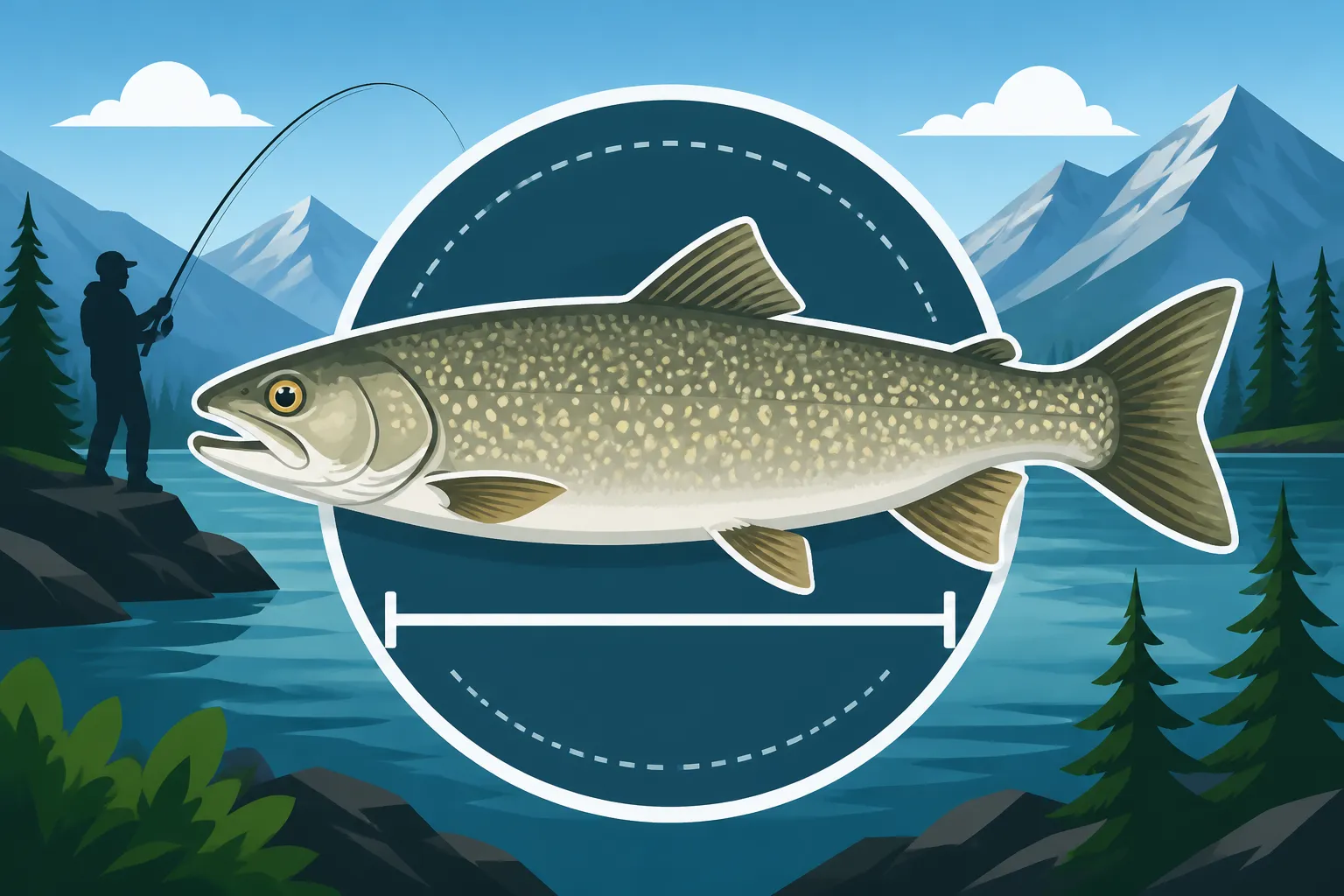
While a certified scale is the most accurate way to measure your catch, carrying one isn't always practical, especially if you're hiking into a remote lake or planning on a quick release. For those times, you can estimate a fish's weight using its length. While not perfectly precise, it gives you a good idea. For lake trout, a common formula or chart based on length and girth is often used.
Here's a general guideline for lake trout, though it can vary:
| Length (Inches) | Estimated Weight (Pounds) | Notes |
|---|---|---|
| 15 | 1 – 1.5 | Typical for smaller mountain lakes or younger fish |
| 20 | 3 – 4 | Good average for many waters, solid fight |
| 25 | 7 – 9 | Becoming a very respectable catch, particularly in smaller lakes |
| 30 | 12 – 15 | Entering "big fish" territory for many Alberta lakes |
| 35 | 18 – 22 | Trophy class in most systems, fantastic catch |
| 40 | 25 – 30+ | True giants, rare and memorable, often from Cold Lake or Athabasca |
Remember, this table is a general guide. A fat, well-fed lake trout will weigh more for its length than a slender one. The excitement of the moment often makes the fish feel bigger, but a quick measurement before release can give you a lasting memory of its true dimensions. For those really interested in the biggest catches, you can even research the Alberta record lake trout weight to see what's truly possible.
Celebrating Every Catch, Big or Small
Whether you're battling a true monster on Cold Lake or enjoying a feisty two-pounder in a high-country tarn, every lake trout caught in Alberta is a testament to our incredible natural resources. The fight, the colours, the cold, clear water – these are the elements that make lake trout fishing so special. Don't get so caught up in the numbers that you forget to enjoy the process.
Some of my most cherished memories aren't of the biggest fish, but of the stunning locations, the challenging conditions, or the shared laughter with friends and family. A smaller lake trout caught on a difficult day can feel just as rewarding as a bigger one on an easy outing. So, cast your line, soak in the surroundings, and celebrate every single fish you bring to the net. It's about the connection to nature and the simple joy of being out on the water.
Disclaimer
This article is for general informational purposes only and does not constitute professional advice. Laws, prices and regulations vary by location and change over time. Consult a qualified professional for guidance on your specific situation.