Best months to catch pike in Alberta
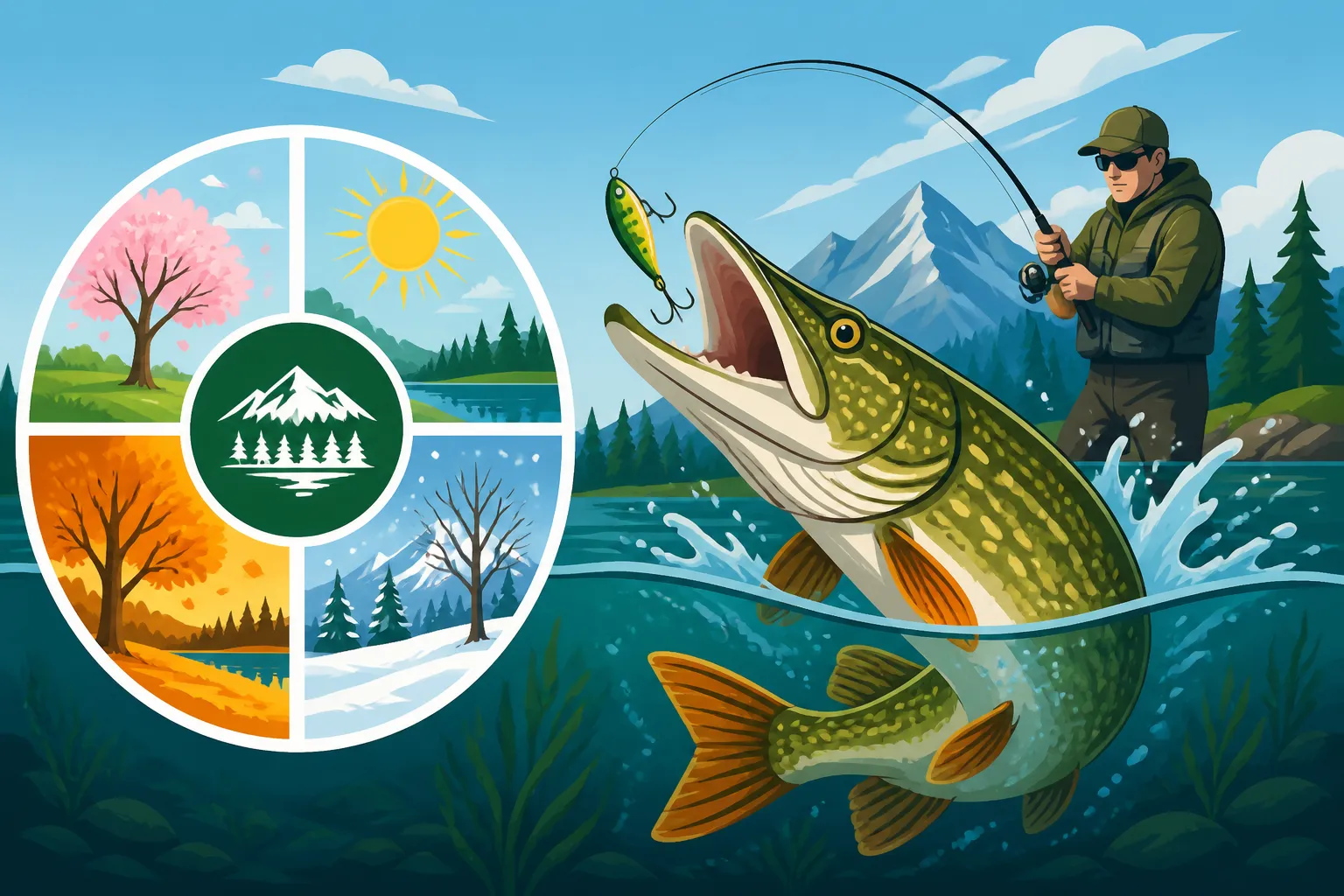
The sheer joy of feeling that aggressive strike of a northern pike, followed by the head shakes and powerful runs, is what keeps many of us coming back to Alberta's waters. But let's be honest, figuring out when those toothy critters are most willing to bite can feel like a guessing game sometimes. You want to maximize your chances, and that means understanding their seasonal patterns. This comprehensive guide is here to shed light on the best months to catch pike in Alberta, offering insights into their behavior and proven strategies for every season.
Early Season Pike Action After Ice-Out
As the grip of winter finally loosens and the ice begins to recede from Alberta's lakes and rivers, a new season of opportunity dawns for pike anglers. This period, typically spanning late April through May and into early June, is a critical time in the pike's annual cycle and often one of the most productive for anglers willing to brave the cooler conditions. The key here is understanding that pike have just gone through a major biological event, and their behavior is largely driven by recovery and replenishment.
Post-Spawn Feeding Frenzy
Immediately following ice-out, as soon as open water becomes available and water temperatures begin to rise, northern pike embark on their annual spawning ritual. They typically seek out shallow, vegetated bays and marshy areas, often in tributaries or the calmer back sections of lakes. Once the strenuous act of spawning is complete, usually within a few weeks, these fish become incredibly hungry, needing to recover their energy reserves quickly. This post-spawn period often triggers a furious feeding frenzy.
During this time, pike are often found in relatively shallow water (2-8 feet), cruising the edges of newly emerging weed beds or patrolling areas with residual dead vegetation from the previous year. They're not shy, and their aggression levels are high as they actively hunt for forage. This makes them highly susceptible to a variety of lures. Think about covering water efficiently in these shallow zones, casting along shorelines and over submerged structures that are starting to warm up.
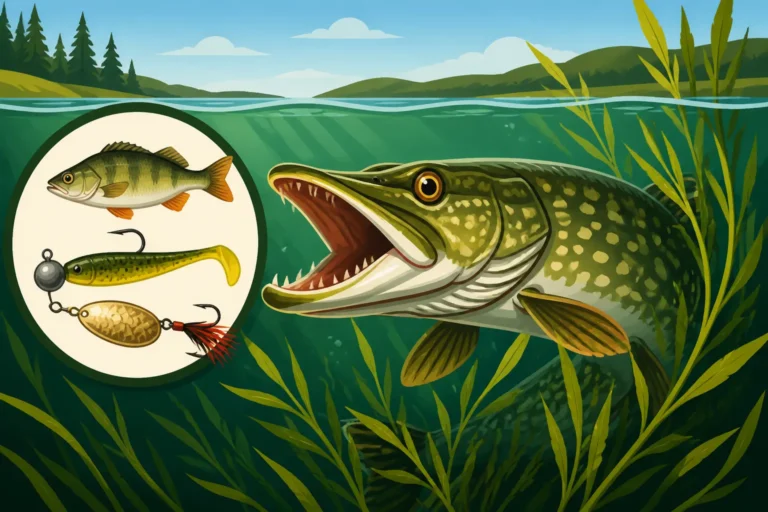
Effective lures for this post-spawn period include spinnerbaits with large, bright willow blades, which create a lot of flash and vibration that can attract pike from a distance. Jerkbaits, particularly those with a suspended action, can also be deadly. Work them with a stop-and-go retrieve, allowing the lure to hang enticingly in the water column. Brands like Rapala offer excellent jerkbait options that mimic distressed baitfish, a perfect meal for a hungry pike. For more detailed advice on presentation, check out our guide on how to catch northern pike in Alberta.
While they are aggressive, remember the water is still relatively cold compared to summer. A retrieve that's too fast might not be as effective as a slightly slower, more deliberate approach that allows the pike to track and commit to the strike without expending too much energy. Experimentation with retrieve speed is always key, but generally, a moderate pace will serve you well.
Scouting Prime Spring Locations
Finding these early season pike requires a keen eye for specific lake features. Your primary targets should be shallow, dark-bottomed bays, especially those with northern or eastern exposures. These areas absorb sunlight more efficiently, leading to a faster warm-up of the water, which in turn attracts baitfish and, consequently, hungry pike. These warmer pockets are often the first places to see increased aquatic insect activity and new weed growth, further concentrating forage.
On larger Alberta lakes, such as Lesser Slave Lake, concentrate your efforts on the shallower, more protected bays that are fed by small creeks or rivers. These inflows often bring slightly warmer water and nutrients, creating an irresistible draw for both baitfish and the pike that prey on them. Always remember to consult the Alberta Guide to Sportfishing Regulations, as opening dates for specific zones or waters might vary, and some areas may have special restrictions in place during the spawning period.
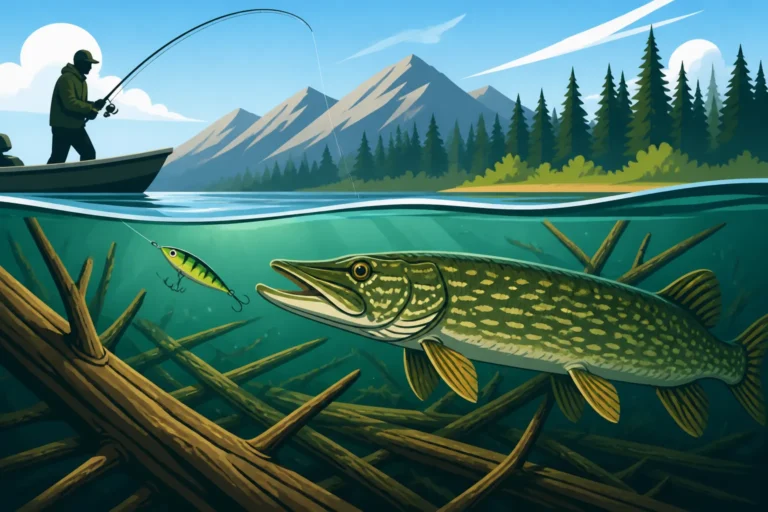
Beyond bays, river mouths flowing into lakes are also excellent spots. The confluence of river water and lake water creates currents and temperature differentials that pike exploit. Casting parallel to shorelines where emerging vegetation is starting to sprout is another highly effective tactic. Look for submerged logs, fallen trees, or any other structure that could provide ambush cover for a lurking pike.
Keep your eyes peeled for any surface activity – ripples, baitfish schooling, or even birds diving – as these are strong indicators that forage is present, and pike won't be far behind. A pair of polarized sunglasses can significantly help in spotting these subtle signs and even seeing pike cruising in clear, shallow water. The early season is a time of immense opportunity, offering some of the most consistent action for anglers targeting aggressive pike.
Summer Pike Strategies for Warm Water
As Alberta truly embraces summer, typically from late June through August, the fishing landscape for northern pike undergoes a significant shift. The once-hot shallow bays that held post-spawn pike can become too warm and overgrown with dense vegetation, making them less hospitable for larger, more heat-sensitive pike. To consistently find success during these warmer months, anglers need to adjust their strategies and target different areas where pike prefer to hold.
Targeting Weed Lines and Deeper Structure
With the increase in water temperature and the explosion of weed growth, particularly in July and August, pike tend to move out of the very shallow, stagnant water. They seek out cooler, deeper zones, often congregating along the defined edges of weed beds, prominent drop-offs, and various submerged structures. These areas offer a comfortable temperature, good oxygen levels, and, crucially, excellent ambush points for feeding.
On expansive lakes like Lac La Biche or the popular fishing destination of Pigeon Lake, locating these deep weed lines becomes paramount. Pike will patrol these edges, darting out to ambush unsuspecting baitfish that swim by. Submerged humps, rocky points that extend into deeper water, and underwater islands also become prime real estate. These structures act as magnets for baitfish, which in turn attract the apex predators like pike.
Your approach here should focus on covering these deeper zones effectively. Trolling with large, deeper-diving crankbaits or oversized spoons can be incredibly productive for locating active fish over vast areas. These lures, often retrieved at a moderate speed, mimic larger baitfish and can tempt even reluctant pike. Another effective tactic is casting large soft plastic swimbaits, allowing them to sink to the desired depth before retrieving them along the weed edges or structure. A quality fish finder is no longer a luxury but a necessity, helping you pinpoint these subtle depth changes and even mark schools of baitfish or individual pike. Consider investing in a good model from Amazon for reliable performance.
Understanding what northern pike eat in Alberta lakes during summer is also crucial; they often switch to larger, more substantial prey as the season progresses. Targeting these deeper transition zones where food is abundant and temperatures are stable will drastically increase your summer pike catches.
Early Morning and Evening Topwater Opportunities
While the mid-day sun often sends pike to cooler, deeper refuges, the low-light hours of early morning and late evening can present some of the most exciting and visually thrilling pike fishing opportunities of the entire year. As the sun begins to rise or dip below the horizon, the shallow waters cool down temporarily, and pike will often move back into these shallower zones to feed aggressively.
This brief window of cooler temperatures and reduced light penetration is prime time for topwater action. There's nothing quite like the explosive strike of a large pike blowing up on a surface lure. Large walk-the-dog style baits, buzzbaits, or even weedless frog imitations are excellent choices. Cast them into areas with lily pads, sparse weed patches, or along the edges of fallen timber, and work them with an erratic, attention-grabbing retrieve. The key is to create commotion on the surface that mimics a struggling baitfish or a frog, triggering an aggressive, instinctual strike.
Specific areas to target during these low-light periods include shallow, vegetated flats adjacent to deeper water. Pike will stage in the deeper water and move onto these flats to hunt as conditions become more favorable. Look for pockets within weed beds or open lanes where you can effectively present your topwater offering. The visual thrill of seeing a torpedo-shaped shadow surge towards your lure before erupting on the surface is an experience every angler should have. For more tips on this exhilarating method, be sure to read our guide on topwater fishing for pike in Alberta.
Even if you don't get a strike, the mere sight of a pike following or swirling at your lure can be incredibly informative, indicating fish presence in the area. Summer pike fishing demands adaptability, shifting from deep-water tactics during the heat of the day to shallow-water topwater assaults during the magical twilight hours.
Fall Pike Frenzy Before Winter
For many seasoned Alberta anglers, the months of September and October, and often into early November, represent the absolute pinnacle of northern pike fishing. This period, often referred to as the "fall bite" or "fall frenzy," sees pike become incredibly active and aggressive as they prepare for the long, lean months of winter. If you're chasing trophy pike, this is undoubtedly one of your best windows of opportunity.
Autumnal Feeding Binge
As the air grows crisp and water temperatures steadily decline following the heat of summer, northern pike enter a crucial phase of their annual cycle: the pre-winter feeding binge. Their instinct drives them to consume as much as possible, putting on critical fat reserves needed to survive the colder, less productive winter months. This biological imperative translates directly into incredibly aggressive feeding behavior, making them highly susceptible to a wide range of lures.
During this time, pike are not only hungrier but also often more concentrated. They will actively chase down larger baits, no longer conserving energy as they might have in summer's heat or winter's chill. This is your cue to scale up your lure size. Big crankbaits, particularly those with a realistic baitfish profile, are excellent choices. Oversized spoons, often weighing an ounce or more, can be cast a country mile and retrieved with a flash-and-wobble action that pike find irresistible. Muskie-sized bucktail spinners, with their large blades and pulsing skirts, are also incredibly effective, creating a significant commotion that draws strikes. If you're curious about specific options, our guide on the best lures for northern pike in Alberta offers some fantastic suggestions.
While pike might briefly move into shallower bays during periods of warm, sunny weather, their primary hunting grounds will be along deeper weed lines, substantial rock structures, and prominent points that extend into the main lake basin. The key is to think about where the forage fish, such as ciscoes, perch, and suckers, are congregating. Pike will invariably be nearby, shadowing these schools and ambushing them.
The combination of cooler water temperatures and this intense feeding drive means that fall pike often fight harder and longer than at any other time of the year. Their strength is at its peak, making every hook-up a memorable battle. If you're looking to catch not just numbers, but also a legitimate trophy northern pike, dedicating time to fall fishing in Alberta is a must.
Locating Fall Pike Hotspots
Successfully targeting fall pike hinges on understanding their migration patterns and preferred habitats as water temperatures continue to drop. During autumn, pike often gravitate towards transitional areas within a lake or river system. These are the crucial zones where shallow flats quickly drop off into deeper basins, or where weed beds meet open water. Pike will use these edges to their advantage, patrolling them to intercept baitfish moving between depths.
On Alberta's larger water bodies, such as Cold Lake or the massive Lesser Slave Lake, pay close attention to the mouths of rivers, major creeks, or substantial channels. These areas often provide slightly warmer water currents and act as natural funnels for forage fish, making them prime congregation points for hungry pike. Exploring these locations thoroughly with multiple passes or strategic casts can yield fantastic results.
Don't overlook rocky points, submerged humps, or distinct drop-offs. Rocks tend to retain heat longer than sandy areas, creating micro-climates that attract baitfish, and by extension, pike. These structures offer excellent ambush points for larger, opportunistic pike. Trolling large lures can be particularly effective for covering expansive areas and quickly locating active fish in these larger water bodies. Once you get a strike, slow down and work that specific area meticulously, as fall pike often group up, and where you find one, you'll likely find more.
Anglers should also be mindful of Alberta's northern pike limit, which can vary by zone and lake. Always consult the latest regulations to ensure you're fishing responsibly and sustainably. The fall is a magical time to be on the water in Alberta, offering breathtaking scenery and some of the most intense pike action you'll experience all year.
Winter Pike Fishing Through the Ice
When Alberta's picturesque lakes and rivers succumb to the icy embrace of winter, the fishing season for northern pike is far from over. In fact, ice fishing for pike is a cherished tradition for many anglers, offering a unique challenge and rewarding experience. While their activity levels might not be as frenzied as during the fall, pike remain active under the ice and are very catchable for those who understand their winter behavior.
Ice Fishing for Winter Pike
Contrary to popular belief, northern pike don't simply shut down completely under the ice. While their metabolism slows, they still need to feed, albeit often less frequently and with less aggression. Ice fishing offers a fantastic opportunity to target these fish, especially during the colder, darker months. The key is to adapt your techniques and presentations to their more subdued winter temperament.
One of the most popular and highly effective strategies for winter pike is utilizing tip-ups or deadsticks. These setups allow you to present a large baitfish (such as smelt, cisco, or a large minnow, ensuring you check regulations regarding live bait first) suspended at a specific depth. Pike are often cruising specific depths under the ice, and a stationary, tempting meal can be irresistible. Position your baits strategically near weed beds, along drop-offs, or around any submerged structure you've identified, ensuring your bait is suspended a few feet off the bottom or just above the top of the weed growth. For a deeper dive into this winter pursuit, our guide on ice fishing in Alberta is an excellent resource.
Beyond deadsticking, active jigging can also entice bites. Large jigging spoons, lipless crankbaits, or substantial soft plastic baits can be worked with an aggressive lift-and-drop motion, then paused to allow the bait to flutter. Experiment with different jigging cadences and depths until you find what triggers a strike. Sometimes, a slow, subtle jig is all it takes; other times, a more aggressive rip will draw them in. Pike often respond well to a bait that looks like it's struggling.
Winter pike fishing can also yield surprisingly large fish, as the bigger, more mature pike are often still actively feeding, albeit more selectively. The challenge and reward of pulling a strong pike through a hole in the ice make winter fishing a truly unique experience.
Selecting Prime Ice Fishing Locations for Pike
Locating pike under the ice involves understanding their movement patterns as water temperatures stabilize to near-freezing levels. During the early and late ice periods, when ice is just forming or beginning to break up, pike will often be found in shallower waters, revisiting some of the same bays and weed lines they frequented in the spring and fall. These areas typically hold pockets of warmer water and are often where residual forage is still present.
As mid-winter sets in and the ice thickens, pike may move to slightly deeper water, often preferring the deeper edges of weed beds, congregation around submerged humps, or patrolling defined channels. Bodies of water like Keho Lake, known for its healthy pike population, or other lakes highlighted in our Best Ice Fishing Lakes in Alberta guide, are prime examples where these tactics prove successful. A portable fish finder (available on Amazon, offering good value and portability) is an invaluable tool for locating baitfish schools, bottom structure, and even individual pike cruising beneath the ice.
It's crucial to exercise extreme caution on the ice. Always verify ice thickness, be aware of slush pockets, and fish with a buddy. Safety equipment, including ice picks, a rope, and a throw bag, should be standard for any ice angler. Beyond safety, comfort is key to enjoyable winter angling. A good portable ice hut can protect you from the elements, making it easier to stay out longer and increase your chances of success. By understanding these seasonal movements and adapting your techniques, you can enjoy fantastic pike fishing throughout Alberta's winter months.
| Month/Season | Pike Behavior & Location | Recommended Techniques | Best Lures/Baits |
|---|---|---|---|
| April – May | Post-spawn, recovering, aggressive in shallow, warming bays and inlets (2-8 ft). | Casting, slow retrieve. | Spinnerbaits, suspending jerkbaits, large spoons. |
| June | Transitioning to outer weed lines, ambush points. Still aggressive. | Casting, light trolling. | Spoons, crankbaits (medium dive), soft plastic swimbaits. |
| July – August | Deeper weed lines (8-20 ft), submerged structure. Low light topwater in shallows. | Trolling, deeper casting, topwater (AM/PM). | Deep diving crankbaits, heavy spoons, topwater frogs/walkers. |
| September – October | Pre-winter feeding frenzy, highly aggressive, cruising deep weed lines, drop-offs, points. | Aggressive casting, fast retrieve, moderate to fast trolling. | Large crankbaits, oversized spoons, bucktail spinners. |
| November – December | Moving to wintering grounds, active under ice near deeper weeds/structure. | Ice fishing with tip-ups, jigging. | Large dead bait (smelts, cisco), heavy jigging spoons, lipless cranks. |
| January – February | Less active, holding tight to structure, deeper weed edges. | Ice fishing, deadsticking, slow jigging. | Large dead bait, slow jigging spoons. |
| March | Increasing activity as ice thins and light penetrates, moving to shallower structures. | Ice fishing, jigging more actively. | Jigging spoons, minnow baits, large dead bait. |
Disclaimer
The information provided in this guide is for general informational purposes only and is not intended as legal advice. Fishing regulations, season dates, and limits for northern pike in Alberta can change frequently. It is the angler's sole responsibility to consult the most current Alberta Guide to Sportfishing Regulations issued by Alberta Environment and Protected Areas before heading out to fish. Always prioritize safety, especially when on or near water and ice.