Best fishing spots between Edmonton and Jasper
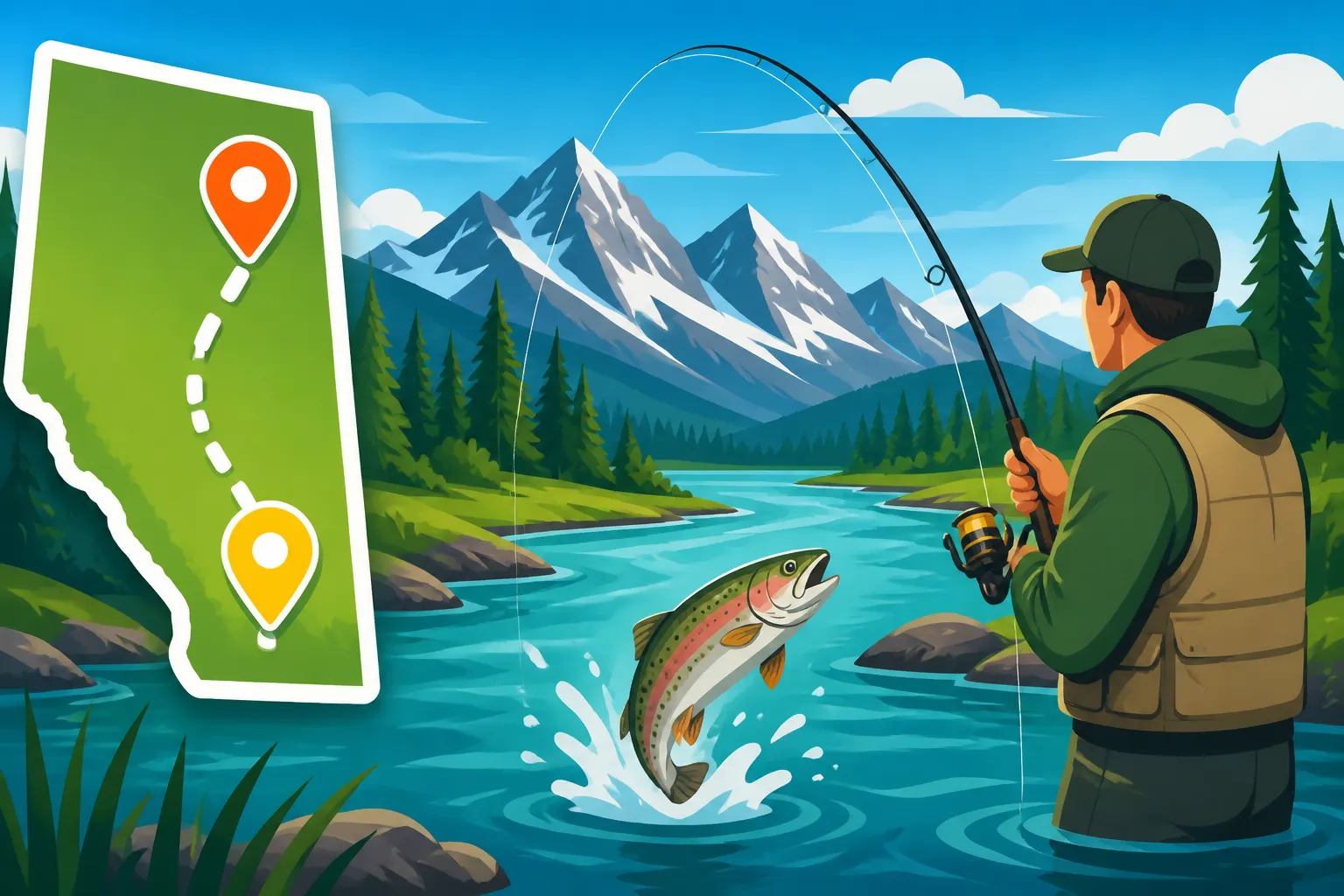
Oh, the age-old question for any angler in Alberta: where do you even begin when you're driving that long stretch between Edmonton and Jasper, itching to wet a line? It’s a vast, beautiful, but sometimes daunting landscape, full of hidden gems and tempting river bends, but knowing which ones are truly worth the stop, or even legally fishable, can feel like finding a needle in a haystack. This guide is designed to cut through that confusion, helping you uncover some of the best fishing spots along the Yellowhead Highway corridor and ensuring you're ready to make the most of your angling adventure.
Mapping Your Angling Adventure from Edmonton to Jasper
The drive from Alberta's capital, Edmonton, westward towards the majestic Rockies and the town of Jasper, is a journey that transforms from sprawling prairies and boreal forests into foothills and eventually, towering mountains. This geographical shift isn't just scenic; it completely changes the type of fishing opportunities available. You're moving from large, productive prairie lakes teeming with walleye and pike, to smaller, clear-water streams and lakes that hold various trout species.
The Diverse Waters Along Highway 16 Corridor
As you head west along Highway 16, also known as the Yellowhead, you'll traverse several distinct ecological zones, each offering its own unique aquatic habitats. Closer to Edmonton, the landscape is dotted with numerous shallow, nutrient-rich lakes, ideal for warm-water species like northern pike, walleye, and yellow perch. These lakes are often busy, easily accessible, and provide consistent action, especially during the spring and fall.
Further west, as the terrain becomes more undulating and forests denser, the rivers and smaller lakes start to take on a different character. The water clarity often improves, and the dominant species shift towards various trout, including rainbow trout, brown trout, and even the native bull trout in protected zones. These spots can be a bit more challenging to access, sometimes requiring a short hike, but they offer the solitude and pristine beauty that many anglers crave. Understanding this progression is key to packing the right gear and setting realistic expectations for your trip.
Navigating Regulations and Seasonal Changes
One of the biggest frustrations for anglers exploring new territory is the labyrinthine world of fishing regulations. Alberta's rules are specific, often varying from lake to lake, river to river, and even by zone. The regulations along the Edmonton to Jasper corridor are no exception, especially as you approach the national park boundaries where rules become even stricter. It's not just about having your valid Alberta Fishing License Guide for 2026; you also need to understand the local nuances.
For instance, a lake near Edmonton might have a generous walleye limit, while a river closer to Jasper might be strictly catch-and-release for all trout species. Furthermore, season dates can open and close at different times for various species or bodies of water. What's open in June might be closed in October, or vice-versa. Always consult the official Alberta Guide to Sportfishing Regulations before heading out. This invaluable resource, which many forget to truly delve into, is your best friend. In fact, a good read of Reading the Alberta Guide to Sportfishing Regulations can save you a lot of headache and potential fines. Being prepared means knowing your Alberta Fishing Season Dates by Zone and any specific restrictions on the waters you plan to visit.
Productive Lakes and Rivers Closer to Edmonton
Starting your journey westward, the initial stretches of Highway 16 offer some fantastic fishing close to the city, perfect for a day trip or a quick stop before pushing further into the wilderness. These lakes are well-known and generally well-stocked or naturally abundant, providing reliable action.
Wabamun Lake: A Walleye and Pike Hotspot
Just an hour's drive west of Edmonton, Wabamun Lake is one of Alberta's most popular and productive fisheries. This large, relatively shallow lake is renowned for its healthy populations of walleye and northern pike, making it a prime destination for anglers seeking these exciting game fish. For years, the walleye population here has been on a fantastic rebound, making it a very rewarding place to fish.
Access to Wabamun is excellent, with multiple public boat launches and numerous spots for shore fishing, particularly around the towns of Wabamun and Seba Beach. Anglers often find success casting crankbaits or jigging for walleye over structure, especially during the early morning or late evening hours. Northern pike are frequently caught in the shallower, weedy bays, often hitting spoons, spinnerbaits, or topwater lures with aggressive strikes. Whether you prefer trolling, casting, or even ice fishing in the winter, Wabamun offers diverse angling opportunities. Many anglers find the lake productive year-round, though the open water seasons of spring and fall tend to yield the most consistent results for larger fish. For those new to walleye fishing, learning How to Catch Walleye in Alberta can be a game-changer on a lake like Wabamun.
Lac Ste. Anne: Accessible Pike and Perch Fishing
A little further north and west from Wabamun, still within easy reach of Edmonton, lies Lac Ste. Anne. This lake is another fantastic option, particularly if you're targeting northern pike and yellow perch. While not as famous for walleye as Wabamun, Lac Ste. Anne holds a strong population of pike, many of which reach impressive sizes. It’s also an excellent spot for family fishing, thanks to its abundant and eager perch.
The lake offers good public access points, including parks and boat launches, making it user-friendly for all types of anglers. Pike are often found lurking in the extensive weed beds that line the shores, making them accessible to both boat and shore anglers. Casting large spoons, chatterbaits, or soft plastic swimbaits through these areas is a proven tactic. For perch, a simple setup with a small jig tipped with a piece of worm or a minnow imitation will usually do the trick, especially when fished near drop-offs or submerged structure. It's a great spot to introduce kids to fishing, as the perch are usually quite cooperative, ensuring plenty of bending rods.
Heading North: The Draw of Lesser Slave Lake
While not directly on Highway 16, Lesser Slave Lake Fishing Guide is an iconic Alberta fishing destination that many travelling from Edmonton to the Jasper area consider making a detour for, especially if trophy walleye or pike are on their mind. Located a couple of hours north of the Yellowhead, it's famous for its truly exceptional walleye fishery, widely considered one of the best in North America. If you have the time, this detour is absolutely worth it.
The lake is immense, offering vast stretches of water and diverse habitats. Walleye here grow big, and fishing for them can involve trolling crankbaits, jigging deeper structure, or drifting with live bait rigs. Northern pike are also abundant and can reach truly gargantuan sizes, often targeted in the shallower bays and around the numerous islands. Lesser Slave Lake provides a completely different experience than the smaller lakes closer to Edmonton – it's a true inland sea that demands a different approach and often a bigger boat, but the rewards can be monumental. Given its size, it’s worth noting that a good fish finder is almost essential here to locate structure and schools of baitfish.
Discovering Fishing Opportunities Nearing Jasper
As you leave the major prairie lakes behind and push further west, the fishing landscape gradually shifts towards smaller rivers and lakes nestled in the foothills and mountains. These spots offer a different kind of angling challenge and reward, often with stunning scenery as your backdrop.
Pembina River and Tributaries: Stream Fishing Prospects
Around the towns of Entwistle and Evansburg, you’ll encounter the Pembina River. While not as famous as some of Alberta’s other major rivers, the Pembina and its tributaries can offer decent fishing for northern pike, burbot, and sometimes even walleye, particularly in its slower, deeper sections. The river environment provides a nice change of pace from lake fishing, requiring different tactics, often involving drift fishing or casting into eddies and current breaks.
Access can be a bit more challenging here, sometimes involving navigating gravel roads or finding public land access points. Using smaller boats, canoes, or kayaks is often ideal for exploring these river stretches. For those interested in Best Kayak for River Fishing in Alberta, the Pembina offers a great testing ground for river maneuvering and targeted casting. Pike tend to hold in slack water sections or behind large structures, ambushing prey. Burbot, often overlooked, can be targeted near the bottom with heavier jigs or bait, especially in the cooler months. Always remember to check specific regulations for river fishing, as they often differ from lake rules.
Small Lakes and Ponds Around Edson and Hinton
As you approach Edson and then Hinton, the landscape becomes more mountainous, and the larger prairie lakes give way to smaller, often stocked, ponds and lakes. These are fantastic options for those looking for quick access to trout fishing, especially if you're traveling with family or just want a relaxing session without the need for a boat. Many of these waters are part of Alberta's extensive provincial stocking program.
Lakes like Long Lake near Edson are popular for stocked rainbow trout, offering easy shore access and picnic facilities. These lakes are typically stocked multiple times throughout the open water season, providing excellent catch rates for anglers using powerbait, worms, or small spinners and flies. In the Hinton area, you'll find similar opportunities with various ponds and small lakes that are regularly stocked. These spots are perfect for a roadside stop, a quick cast, or teaching a beginner the joys of catching a fish. They are also usually well-marked, making them easy to locate right off the highway or a short drive. Checking the provincial stocking reports can often tell you exactly which lakes have been recently stocked and what species to expect.
The Athabasca River System: Entering Mountain Terrain
Just before you reach Jasper National Park, you'll encounter the majestic Athabasca River. This is a significant transition point, moving from foothills fishing into a more rugged, mountain river environment. The Athabasca River Fishing Spots offer opportunities for bull trout (catch and release only, and you need to know how to identify them properly), rainbow trout, brown trout, and mountain whitefish. Fishing here is a different ballgame compared to the lakes further east.
The Athabasca is a powerful, cold-water river, often requiring a good understanding of river currents and appropriate gear. Fly fishing is a popular and effective method here, but spin anglers can also find success with inline spinners, spoons, or small crankbaits that imitate baitfish. Access can be found in various spots near Hinton and along the highway leading into the park, but always be mindful of private land and park boundaries. Once you enter Jasper National Park, different licensing and regulations apply, so it’s crucial to know exactly where you are. This river truly embodies the wild spirit of Alberta's mountain fishing.
Equipping Yourself and Planning for Success
A successful fishing trip from Edmonton to Jasper isn't just about knowing where to go; it's also about being properly equipped and understanding how to respect the environment and local rules.
Essential Gear for Central Alberta Waters
Given the diverse fishing opportunities along this route, your gear selection will depend on your target species. For the larger prairie lakes like Wabamun and Lac Ste. Anne, a medium-heavy spinning or baitcasting setup is ideal for targeting walleye and northern pike. This might include a 6-7 foot rod with 10-20 lb braided line, a fluorocarbon leader, and a selection of crankbaits, spinnerbaits, spoons, and jigs. For pike, a wire leader is absolutely essential to prevent bite-offs. If you’re really looking for guidance on what to use, checking out guides like Best Fishing Rods for Alberta Rivers can provide excellent recommendations for adaptable gear.
When you move to the rivers and smaller trout lakes closer to Jasper, lighter gear is often more appropriate. A light to medium-light spinning rod with 4-8 lb monofilament or fluorocarbon line, paired with smaller spinners, spoons, or a fly rod setup, will serve you well. Waders and appropriate wading boots are often a must for river fishing to access prime spots safely. Don't forget a landing net with a rubberized mesh, which is much kinder to fish you plan to release.
Understanding Licensing and Conservation
Before you even make your first cast, you must have an Alberta fishing license and a Wildlife Identification Number (WIN) card. There are absolutely no exceptions for adults and very few for youth. Getting caught fishing without one can result in hefty fines. You can purchase these online through the MyWildAlberta portal, or at many sporting goods stores and some general stores across the province.
Beyond just having a license, a responsible angler adheres to conservation principles. This means understanding and strictly following Alberta Bag and Possession Limits by Species for every waterbody you fish. For sensitive species like bull trout, it means practicing safe catch and release techniques, ensuring the fish has the best chance of survival. Crush your barbs on hooks, minimize handling time, keep the fish in the water as much as possible, and use a net to land them gently. Leaving no trace, disposing of all garbage properly, and being mindful of wildlife are also crucial aspects of enjoying Alberta's outdoors responsibly.
Leveraging Local Expertise and Guided Trips
Sometimes, especially when exploring a new region, the best approach is to tap into local knowledge. Local bait and tackle shops along Highway 16, in towns like Entwistle, Edson, or Hinton, are goldmines of up-to-date information on what's biting, where, and with what. They often have real-time reports and can steer you towards productive spots you might otherwise miss.
For those who prefer a more structured experience, or want to target a specific species with expert guidance, booking a fishing guide can be an invaluable investment. A guide can provide all the necessary gear, navigate to the best spots, and teach you techniques tailored to the local conditions. Websites like FishingBooker allow you to browse and book guides in various Alberta locations, making it easy to find a reputable outfitter who specializes in the waters between Edmonton and Jasper. Whether you're after trophy walleye on a big lake or elusive trout in a mountain stream, a local guide found through platforms like FishingBooker can significantly enhance your chances of success and provide an unforgettable experience. It's often the quickest way to get on fish, especially if your time is limited, or if you're trying a completely new type of fishing. Don't underestimate the value of a day spent with someone who truly knows the water.
Here's a quick overview of some potential fishing stops along your journey:
| Location (Closest Town) | Primary Target Species | Typical Techniques | Access Notes |
|---|---|---|---|
| Wabamun Lake (Wabamun) | Walleye, Northern Pike | Jigging, Trolling, Casting Spoons/Crankbaits | Multiple public boat launches, shore access. |
| Lac Ste. Anne (Alexis Nakota Sioux Nation) | Northern Pike, Yellow Perch | Casting Spoons/Spinners, Bobber & Bait | Public parks, boat launches. |
| Pembina River (Entwistle/Evansburg) | Northern Pike, Burbot | Drift Fishing, Casting, Kayak Fishing | Various bridge crossings, limited public access points. |
| Long Lake (Edson) | Rainbow Trout (Stocked) | Powerbait, Worms, Small Spinners/Flies | Good shore access, public day use. |
| Athabasca River (Hinton) | Bull Trout (C&R), Rainbow Trout, Mountain Whitefish | Fly Fishing, Spinners, Spoons, Small Crankbaits | Various roadside access points, careful of currents. |
Disclaimer
The information provided in this guide is for general informational purposes only and is subject to change. Fishing regulations, season dates, and access points can vary. Always consult the most current Alberta Guide to Sportfishing Regulations and local authorities before planning any fishing trip. Safety should always be your top priority, especially when fishing in unfamiliar waters.