Best islands to fish near on Lake Athabasca
Lake Athabasca is a truly immense body of water, and its sheer size can be incredibly intimidating for anglers trying to pinpoint productive spots. It’s easy to feel lost amidst the vastness, wondering where to even drop a line. This comprehensive guide is designed to cut through that overwhelming feeling, focusing specifically on how to leverage the lake's numerous islands and surrounding structures to find some of the best fishing opportunities Alberta has to offer.
Understanding Lake Athabasca's Unique Fishing Environment
Lake Athabasca, straddling the border between Alberta and Saskatchewan, is one of the largest and deepest freshwater lakes in the province, offering an incredible challenge and reward for dedicated anglers. Its environment is unlike many other Alberta lakes, characterized by vast open waters, intricate deltas, and significant depth variations, all of which influence where fish congregate.
The Sheer Scale and Remote Nature of the Lake
When we talk about Lake Athabasca, we're talking about a true inland sea. With a surface area of over 7,800 square kilometers and depths plummeting to more than 120 meters in some areas, it’s not a lake you simply "explore" in a day. The sheer scale means that fishing requires careful planning, robust equipment, and a healthy respect for the elements. Many of the most productive island areas are remote, requiring long boat rides and careful navigation. The waters can turn rough quickly, and weather conditions can change from calm to treacherous in a matter of hours. This remote nature, while challenging, is also part of its allure, offering pristine wilderness and untouched fishing grounds that are increasingly rare. Anglers often spend days or even weeks exploring different sections, moving from one island group to another, seeking out the next hotspot.
Key Fish Species to Target Around Islands
The diverse habitats around Lake Athabasca’s islands cater to several highly sought-after fish species. Understanding their preferences for structure and depth is crucial for success.
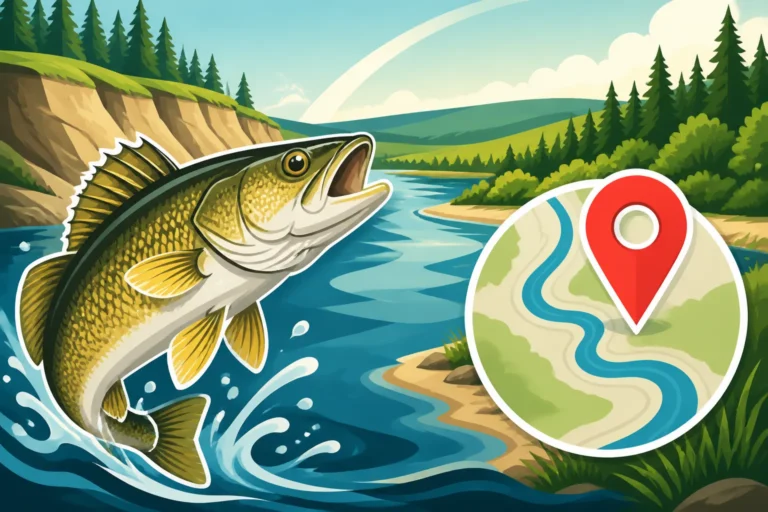
- Walleye: These beloved sport fish are a prime target, especially in the shallower, nutrient-rich waters surrounding islands, particularly those influenced by river inflows. Walleye often hug the transitional zones where soft bottoms meet rocky structures, or where current provides a steady supply of baitfish. Islands with gradual slopes, submerged points, and nearby weed beds are classic walleye haunts. You'll find them actively feeding during low-light conditions, often moving onto shallow flats and reefs around islands at dawn and dusk.
- Northern Pike: Lake Athabasca is renowned for its trophy northern pike, and islands provide excellent ambush points. Look for pike in weedy bays adjacent to islands, around fallen timber, or lurking in the shadows of submerged rocks. These aggressive predators often patrol the edges of deeper water where they can dart out to ambush unsuspecting prey. Islands that offer sheltered, warmer bays with abundant forage fish are pike magnets. Their willingness to strike at a variety of lures makes them a thrilling catch.
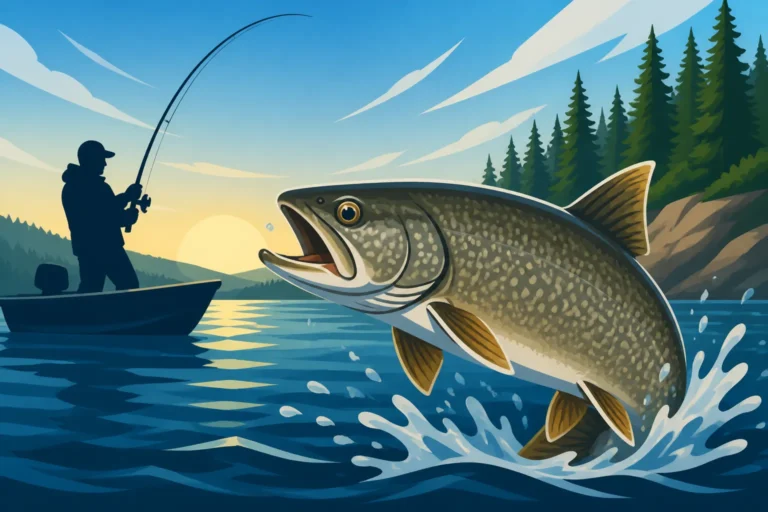
- Lake Trout: In the deeper sections of Lake Athabasca, particularly around islands that boast significant underwater structure or steep drop-offs into the abyss, lake trout are the dominant predators. These powerful fish prefer cold, oxygenated water and can be found suspended over deep water or hugging thermal clines. Islands with deep rock piles, underwater ledges, and access to extreme depths are key areas. During certain times of the year, particularly early season or in cooler weather, they might move shallower to feed, but generally, expect to target them in deeper water.
- Other Species: While Walleye, Pike, and Lake Trout are the main draws, you might also encounter species like Yellow Perch, which are excellent forage for the larger predators, and occasionally Burbot in the deeper, colder waters. These panfish often congregate around submerged cover and rocky areas near islands, providing additional fishing opportunities.
Navigating and Accessing Lake Athabasca's Islands
Reaching the prime island fishing spots on Lake Athabasca is an adventure in itself, demanding serious preparation and adherence to safety protocols. This isn't your local pond; it's a vast, wild expanse that requires respect.
Essential Boating Safety and Navigation
Navigating Lake Athabasca is no small feat. The lake is massive, often referred to as an inland ocean, and can produce significant waves, especially when the wind picks up. A reliable, adequately sized boat is paramount. Forget your small aluminum jon boat for venturing far out here; you'll want something stable and seaworthy, capable of handling rough conditions. For those considering what vessel is best, our guide on Best Boats for Alberta Lakes and Rivers offers some excellent insights.
Always carry up-to-date nautical charts, a high-quality GPS unit, and a satellite communication device. Cellular service is unreliable, if not non-existent, in many remote areas. A marine VHF radio is essential for communication with other boaters and potential rescue services. Furthermore, understanding Alberta Boating Laws for Anglers is non-negotiable; safety equipment requirements are strictly enforced for good reason. Ensure your boat is fully fueled, and carry extra fuel, as distances can be deceiving, and fuel stops are few and far between. It's also wise to check weather forecasts religiously before and during your trip, as conditions can change rapidly on such a large body of water.
Planning Your Trip to Remote Island Locations
Planning is the cornerstone of a successful and safe Lake Athabasca fishing expedition. Given the remoteness, self-sufficiency is key. When preparing for your adventure to some of the lake's more secluded island groups, consider all logistics. Where will you launch your boat? What are your options for lodging, if any, near the lake's access points? Some anglers opt for fly-in services to remote lodges, while others put in at larger communities and run their own boats for extensive trips.
Bringing enough supplies – food, water, emergency gear, first-aid, repair kits – for several days or even weeks is crucial. It’s also wise to inform someone of your itinerary, including your planned routes and expected return times. For those who prefer the expertise of local guides, booking a trip can simplify much of this logistical headache. Services like FishingBooker connect anglers with experienced local guides who know the lake inside and out, offering an invaluable resource for navigating safely and finding the most productive spots around the islands. These guides can provide not only the boat and gear but also the deep local knowledge of current conditions, fish movements, and the specific regulations for the area.
Top Island Areas to Explore for Fishing on Lake Athabasca
While the entire lake holds potential, certain island areas and geological features tend to be more productive due to their specific characteristics and influence on fish behavior. Remember, Lake Athabasca spans two provinces, but for this guide, we'll focus on the Alberta side and the general characteristics that make islands fish magnets.
The Significance of the Delta Region Islands
Perhaps the most renowned fishing area on Lake Athabasca, particularly for walleye and northern pike, is the western end of the lake, where the Athabasca River empties into it, forming a massive delta. This vast network of channels, mudflats, and countless small islands creates an incredibly rich and dynamic ecosystem. The river outflow brings a constant supply of nutrients, baitfish, and warmer, stained water, which acts as a magnet for game fish.
The islands within and on the fringes of this delta are prime targets. These islands are often characterized by shallow, marshy bays, extensive weed lines, and numerous points and cuts that create current breaks. Walleye will stack up along the edges of channels and sandbars, especially where current delivers food. Northern pike will lurk in the dense vegetation of the sheltered bays, ready to ambush prey. The complex structure of the delta means that there’s always a new channel or island to explore, each with its own unique potential. Access to this region often involves navigating the river itself before entering the main lake. This area is so vital that it's often highlighted in a broader Lake Athabasca Fishing Guide.
Specific Island Groups and Their Fishing Potential
While naming every single productive island on Lake Athabasca would be an endless task given its scale and the ever-changing nature of fishing, we can categorize the types of islands that consistently produce.
- Rocky Outcrop Islands: These are typically found in the deeper, clearer sections of the lake. They often feature steep drop-offs, underwater reefs, and large boulders. These structures provide ideal habitat for lake trout, which prefer cooler, deeper water and rocky bottom compositions. These islands act like underwater mountains, creating thermal breaks and drawing in baitfish. Smallmouth bass, if present, would also gravitate to such structure.
- Weed-Lined Islands: Many islands, especially those in shallower, more sheltered bays, will have extensive weed beds, particularly in the summer months. These aquatic plants provide critical cover for baitfish and are therefore prime hunting grounds for northern pike. Look for islands with gradual slopes leading into these weed flats. Walleye will also patrol the outer edges of these weed lines.
- Transition Zone Islands: These are arguably the most versatile. These islands might have one side facing a deeper basin with rocky structure, while the other side slopes into a shallower, weedy bay or a sand flat. These "transition zones" are highly productive because they offer diverse habitats within a small area, attracting a wider range of species and allowing fish to move between different depths and covers depending on conditions.
When you're out there, a good fish finder is your best friend. Our guide on Best Fish Finders for Alberta Lakes can help you choose the right one to map these underwater structures around the islands effectively. These devices are invaluable for identifying submerged reefs, channels, and drop-offs that don't show on the surface.
Strategies for Fishing Island Structures
Fishing around islands isn't just about showing up; it's about understanding how fish use these structures.
- Work the entire island: Don't just hit one side and move on. Circumnavigate the island, paying close attention to points, inside turns, sheltered bays, and areas where current is concentrated or deflected. Each side can fish differently based on wind, sun, and current.
- Focus on depth transitions: Fish often relate to changes in depth. Cast towards the shoreline and work your lure down the slope, or position your boat over deeper water and cast shallower, working back to the depths. Look for distinct ledges, humps, or submerged points that extend from the island.
- Mind the current: In river-influenced areas like the Athabasca Delta, islands will create current breaks and eddies. These are prime feeding zones where fish expend less energy but can easily ambush food swept past them. Position your boat to drift along these current seams.
- Observe the baitfish: If you see schools of baitfish flickering near an island, you can bet there are predators nearby. Use your sonar to locate these schools and target the deeper edges or structures close to them.
Best Techniques for Fishing Around Lake Athabasca's Islands
Adapting your techniques to the specific species and the island's features is essential for maximizing your success on Lake Athabasca. Different fish hold in different ways, and choosing the right presentation makes all the difference.
Walleye Tactics Near Island Shoals and Drop-offs
Walleye are often found relating to structured bottom around islands, particularly shoals, rocky points, and submerged drop-offs that transition from shallow to deeper water.
- Jigging: This is a highly effective method for walleye. Use jigs tipped with live minnows, leeches, or soft plastics. Position your boat over the drop-off or at the edge of a shoal and vertically jig, or cast shallow and work your jig back towards deeper water. The key is to maintain bottom contact, bouncing or dragging the jig slowly. Walleye often hit on the fall or when the lure is paused. Consider bright colors in stained water, or more natural hues in clearer conditions.
- Crankbaits: Trolling or casting crankbaits along the edges of island structures can be incredibly productive, especially during periods when walleye are actively foraging. Choose crankbaits that dive to the depth where the walleye are holding. In the delta, working shallow-diving crankbaits over submerged sandbars and along current breaks near islands can be deadly.
- Bottom Bouncers with Crawler Harnesses: When walleye are scattered over broader flats or along extended points, a bottom bouncer rig with a spinner blade and live nightcrawler is a classic presentation. This allows you to cover ground effectively while keeping your bait near the bottom where walleye feed. Slowly troll or drift these rigs along contours and structural elements of the islands.
Northern Pike Strategies in Island Bays and Weed Lines
Northern Pike are ambush predators that love cover. Island bays with abundant weeds, reeds, and submerged timber are prime locations for these aggressive fish.
- Spoons and Spinnerbaits: These are classic pike lures for a reason. Cast large spoons (like Daredevils or Five of Diamonds) or spinnerbaits (with large Colorado or Willow blades) into and around weed beds, fallen logs, and rocky points. Vary your retrieve speed; pike often hit on a pause or a sudden change in speed. Bright, flashy colors are excellent for attracting attention.
- Topwater Lures: During low light conditions (dawn, dusk, or overcast days) or in areas with dense shallow cover, topwater lures like walk-the-dogs or poppers can provide explosive strikes. Target calm, shallow bays near islands, casting close to weed edges or emergent vegetation. The visual thrill of a pike blowing up on a surface lure is unforgettable.
- Jerkbaits and Swimbaits: For suspended pike or those holding along deeper weed edges, jerkbaits can be highly effective. A retrieve that involves jerks and pauses often triggers a strike from curious pike. Large swimbaits, mimicking the lake's abundant forage fish, are also excellent for tempting trophy-sized pike. These lures are best worked along the deeper side of weed lines or over submerged rock piles that extend from the islands.
Lake Trout Approaches in Deeper Island Structures
Lake trout are powerful cold-water fish that typically inhabit the deeper zones around islands, especially those with steep drop-offs or underwater humps. Our guide on How to Catch Lake Trout in Alberta provides even more detail.
- Trolling: This is arguably the most popular and effective method for lake trout on Lake Athabasca. Use downriggers or heavy weights to get large spoons, plugs, or dodger-and-fly combinations down to the desired depth. Target the thermocline or just above the bottom in areas where islands drop off into deep basins. Vary your speed and lure color until you find what triggers bites. FishingBooker guides often have their boat rigged for precise deep-water trolling.
- Jigging: When lake trout are concentrated over specific deep structures, like submerged rock piles or humps extending from islands, vertical jigging can be incredibly effective. Use heavy jigs, spoons, or even tube jigs. Drop your lure to the bottom and work it with aggressive lifts and falls. Pay close attention to your sonar to identify fish holding near the structure.
- Live Bait Rigs: While not as common as artificials for lake trout, presenting a large live minnow (where legal) or cut bait on a slow-trolled or still-fished rig near deep structure can also entice strikes, particularly from larger, less active fish. Ensure your terminal tackle is stout enough to handle these powerful fighters.
Remember, always be mindful of Alberta Bag and Possession Limits by Species and Alberta Fishing Season Dates by Zone when planning your trip and keeping your catch. The regulations are in place to ensure these incredible fisheries remain healthy for generations to come.
Here's a quick summary table of species, ideal island features, and recommended techniques:
| Species | Ideal Island Features | Recommended Techniques |
|---|---|---|
| Walleye | Shoals, rocky points, sandbars, delta channels | Jigging, Trolling Crankbaits, Bottom Bouncers |
| Northern Pike | Weedy bays, fallen timber, dense vegetation, current breaks | Spoons, Spinnerbaits, Topwater, Jerkbaits |
| Lake Trout | Steep drop-offs, deep rock piles, underwater ledges | Deep Trolling (spoons/plugs), Vertical Jigging (heavy jigs) |
Regardless of your target species, make sure you have your Alberta Fishing License Guide for 2026 sorted before you head out, and it's always smart to review the full Alberta Fishing Regulations Explained to ensure you're fishing legally and sustainably.
Disclaimer
Fishing conditions and regulations in Alberta can change. Always consult the official Alberta Guide to Sportfishing Regulations for the most current and accurate information before heading out on any fishing trip. This guide is for informational purposes only and does not constitute legal advice.