Best fishing spots in Willmore Wilderness Park
Getting out on the water in Alberta can sometimes feel like navigating a labyrinth of regulations and crowded spots, leaving you dreaming of untouched wilderness. If you're yearning for a truly wild fishing experience, far from the madding crowds, Willmore Wilderness Park offers an unparalleled escape. This guide will walk you through what to expect, the incredible fishing opportunities, and how to plan an unforgettable angling adventure in one of Alberta's most pristine environments.
The Unspoiled Allure of Willmore Wilderness Park for Anglers
Willmore Wilderness Park isn't just another provincial park; it's a colossal expanse of protected wilderness, over 4,600 square kilometers, nestled in the Rocky Mountains directly north of Jasper National Park. What truly sets it apart is its intentional lack of roads, facilities, and even designated campgrounds. This means no casual drive-up fishing spots here. Access is strictly by foot, horseback, or authorized air charters, making it a true backcountry experience.
For the intrepid angler, this remoteness is precisely the appeal. You're not just fishing; you're embarking on an expedition. The sheer effort required to get into Willmore weeds out all but the most dedicated, leaving you with pristine waters, breathtaking solitude, and fish that rarely see artificial presentations. The park's wild rivers and alpine lakes are home to native trout species, thriving in their natural habitat, offering a profound sense of connection to the untamed landscape. It’s a place where you truly earn every cast and every catch, where the journey is as rewarding as the destination.
Understanding Willmore's Unique Backcountry Rules
Before you even dream of packing your fly rod, it's absolutely crucial to understand the distinct rules governing Willmore Wilderness Park. Because it's a protected wilderness area, it operates under stricter guidelines than many other fishing destinations in Alberta. This isn't just about fishing regulations; it's about preserving the integrity of the entire ecosystem.
First and foremost, motorized vehicles are completely prohibited. This includes ATVs, dirt bikes, and even e-bikes on trails. Your boots or your horse's hooves are your only modes of ground transportation once you're past the staging areas. When it comes to fishing, the general provincial regulations apply, but many areas within Willmore will have specific, even more restrictive, rules, particularly concerning sensitive species like bull trout. You'll need an Alberta fishing license, of course, and you should always consult the latest Alberta Guide to Sportfishing Regulations for the most up-to-date zone-specific rules for the particular watershed you plan to explore. Expect many areas to be catch-and-release only, with mandatory barbless hooks. The enforcement of these rules is vital for maintaining the park's wild character, and respecting them is part of the privilege of fishing here.
The Challenge and Reward of Remote Access
Let's not sugarcoat it: fishing in Willmore Wilderness Park is not easy. It's physically demanding and requires significant preparation. Most trips involve multi-day treks, carrying all your gear, food, and emergency supplies. Horseback trips are popular for covering longer distances and carrying heavier loads, often with the help of experienced outfitters. Flying in with an authorized air charter is another option for reaching more remote alpine lakes or headwater streams, though it's typically more expensive.
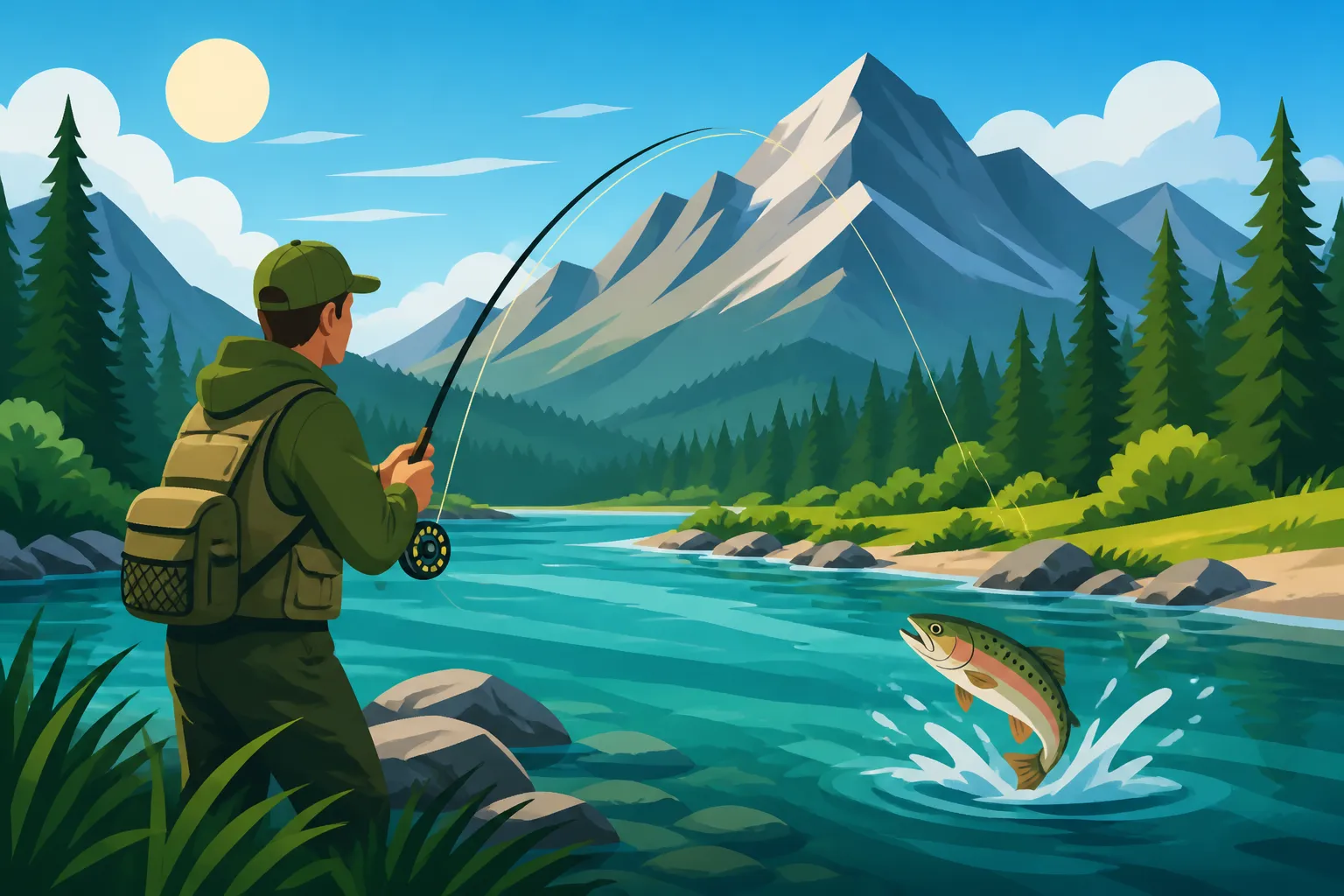
However, the rewards are immense. Imagine casting into a crystal-clear mountain stream where the only sounds are the rush of water and the call of a hawk overhead. The fish you encounter, predominantly native trout like Bull Trout, Cutthroat Trout, and Rainbow Trout, are often spectacularly vibrant and powerful, having grown up in an undisturbed environment. They might not be the largest fish you've ever caught, but their pristine condition and the sheer effort to reach them make every catch deeply satisfying. Furthermore, the landscapes you'll witness—towering peaks, ancient forests, and sprawling meadows—are simply breathtaking, offering incredible photography opportunities and a true sense of wild adventure that few other places can match.
Prime Fishing Waters Within Willmore Wilderness Park
While Willmore is vast and much of its water is unexplored by anglers, certain river systems and their tributaries are known to offer exceptional fishing. The key is to understand the general geography and fish species associated with these major drainages, as each presents unique opportunities and challenges.
The Mighty Smoky River and Its Tributaries
The Smoky River is one of Alberta's major waterways, and its headwaters begin deep within Willmore Wilderness Park. This robust river system, fed by countless mountain creeks, offers diverse fishing. In its lower, more accessible stretches outside the park, it's known for Walleye and Northern Pike, but within Willmore, the focus shifts entirely to trout and mountain whitefish. Tributaries like the Jackpine River, particularly its upper reaches, are renowned for their healthy populations of native trout, including Bull Trout and Cutthroat Trout.
Angling the Smoky or its larger tributaries requires a different approach than small streams. These are bigger, often powerful rivers, necessitating proper wading safety and an understanding of river dynamics. Fly fishing with streamers or nymphs can be effective, targeting deeper pools, undercut banks, and current seams where fish hold. Spin anglers might find success with spoons or spinners that can cut through the current. Always remember the potential for encountering large animals like bears in these remote areas, so bear spray and proper food storage are essential. Consider using a service like FishingBooker to connect with experienced local guides who specialize in these challenging environments if you're looking for an added layer of safety and expertise.
Remote Alpine Lakes and Headwater Streams
Beyond the major rivers, Willmore is dotted with countless unnamed or sparsely documented alpine lakes and small headwater streams. These are often the most difficult to reach, requiring arduous hikes or fly-in access, but they can hold some of the most rewarding fishing. These high-elevation waters are typically cold, clear, and nutrient-poor, meaning fish might not grow to enormous sizes, but they are often vibrantly colored and incredibly feisty.
Many of these lakes and streams are home to Cutthroat Trout, known for their distinctive red slashes under the jaw and their eagerness to rise to a dry fly. Some might also contain native Rainbow Trout or Brook Trout (often stocked historically in certain alpine lakes, though efforts are now primarily on native species). Fishing these spots is often a lesson in stealth and presentation. A light fly rod with small dry flies or emergers can be incredibly effective, especially during a hatch. Ultralight spin gear with tiny spinners or spoons can also be successful. The solitude in these locations is unparalleled, offering a truly immersive wilderness experience where you might be the only angler for miles around.
The Kakwa and Sulphur River Systems
Venturing further north and west into Willmore, you encounter the Kakwa and Sulphur River systems. These are even more remote than the Smoky, often requiring multi-day horse-pack trips or extended backpacking. The Kakwa River system, which eventually flows north into the Peace River drainage, is known for its incredibly wild and strong native trout populations, including Bull Trout and Arctic Grayling in certain reaches. Fishing here is for the truly adventurous, offering a genuine frontier experience.
The Sulphur River, particularly its upper sections, is famous among those in the know for its robust Cutthroat Trout fishery. These fish thrive in the clean, cold waters and are typically strong fighters. Due to the extreme remoteness, fish here are less pressured and often more willing to take a well-presented fly or lure. Expect steep terrain, dense bush, and river crossings. These are not places for beginners or the ill-prepared. A well-planned trip, potentially with an experienced outfitter who knows the trails and the fishing hotspots, is almost a necessity for these parts of the park. Remember, these are highly sensitive ecosystems, so strict adherence to Alberta Catch and Release Only Waters and Alberta Barbless Hook Requirement Waters is paramount.
Planning Your Willmore Wilderness Fishing Expedition
A trip to Willmore Wilderness Park isn't a spur-of-the-moment decision; it requires meticulous planning, an understanding of the conditions, and a healthy respect for the wilderness. Think of it less as a fishing trip and more as an expedition.
Essential Permits and Regulations
Beyond your mandatory Alberta Fishing License Guide for 2026, there are other considerations. While Willmore doesn't have a specific backcountry permit system like some national parks, you are expected to practice Leave No Trace principles rigorously. This means packing out everything you pack in, including all garbage, and minimizing your impact on the environment.
The fishing regulations themselves are paramount. Given the prevalence of sensitive native species like Bull Trout and Cutthroat Trout, many areas within Willmore will be designated as catch-and-release only. This isn't just a suggestion; it's a legal requirement. Always double-check the Alberta Fishing Regulations Explained for the specific zone and water body you plan to fish. You might find regulations stipulating fly-fishing only, single barbless hooks, or zero possession limits for certain species like the Alberta Bull Trout Zero Possession Rule. Knowing these rules before you go is non-negotiable, as wardens do patrol these remote areas.
Choosing Your Mode of Transport and Outfitter
As mentioned, access to Willmore is limited. Your primary options are hiking, horseback riding, or flying in. Each has its pros and cons:
- Hiking/Backpacking: This is the most independent and cost-effective option, but it means carrying all your gear on your back. It limits the amount of tackle, food, and comfort items you can bring. It's best for shorter trips or reaching specific, closer-in alpine lakes. Physical fitness is key.
- Horseback Riding: This is the classic Willmore experience. It allows you to cover vast distances and carry significantly more gear, including camp comforts. Many experienced outfitters operate around the perimeter of Willmore, offering guided trips that handle all the logistics, horses, and food. This is often the preferred method for multi-day excursions to remote rivers like the Kakwa or Sulphur.
- Fly-in: Authorized air charters can land on specific remote airstrips or lakes, drastically cutting down travel time. This is usually the most expensive option but can get you into truly isolated spots for short, intense fishing missions.
For those new to backcountry expeditions, or unfamiliar with Willmore's rugged terrain, hiring a reputable outfitter is highly recommended. They possess invaluable local knowledge, manage logistics, and ensure safety, allowing you to focus on the fishing and the wilderness experience. You can find many reputable outfitters through organizations like the Alberta Professional Outfitters Society.
Essential Gear and Safety Considerations
Packing for Willmore requires careful thought. You need lightweight, durable gear that can withstand unpredictable mountain weather, from scorching sun to sudden snow squalls, even in summer.
- Fishing Gear:
- Rods: A medium-light to medium-action fly rod (4-6 wt) is versatile for most trout. Spin anglers should opt for ultralight to light spinning setups.
- Tackle: Focus on compact, effective lures and flies. For fly fishing, a selection of nymphs (Prince, Pheasant Tail), streamers (Woolly Bugger), and dry flies (Elk Hair Caddis, Adams) will cover most situations. Spin anglers should bring small spoons, spinners, and perhaps a few lightweight jigs. Remember barbless hooks!
- Line/Leader: Clear fluorocarbon leaders are crucial for spooky trout in clear mountain waters.
- Waders/Boots: Best Waders for Alberta Trout Rivers are a must for crossing streams and staying warm. Felt-soled boots are often preferred for grip on slippery rocks, though rubber soles with studs are also effective and may be required in some areas to prevent the spread of invasive species.
- Camping Gear: Lightweight tent, sleeping bag rated for cold temperatures, cooking system, water filter/purifier.
- Navigation: GPS device with downloaded maps, compass, and paper map. Cell service is non-existent.
- Safety: First-aid kit, bear spray (and knowing how to use it!), emergency shelter, satellite messenger (e.g., inReach or Spot device). Inform someone of your itinerary and expected return.
- Clothing: Layering is key: moisture-wicking base layers, insulating mid-layers, and waterproof/windproof outer shells. A wide-brimmed hat and polarized sunglasses are also essential for visibility and sun protection.
Target Species and Effective Techniques in Willmore
The fish you'll encounter in Willmore are typically wild, native species, meaning they're often more wary and less aggressive than their stocked counterparts. Successful angling here often relies on stealth, precise presentation, and understanding the local aquatic insect life.
Native Trout: Bull Trout, Cutthroat, and Rainbow
Willmore Wilderness Park is a stronghold for native trout.
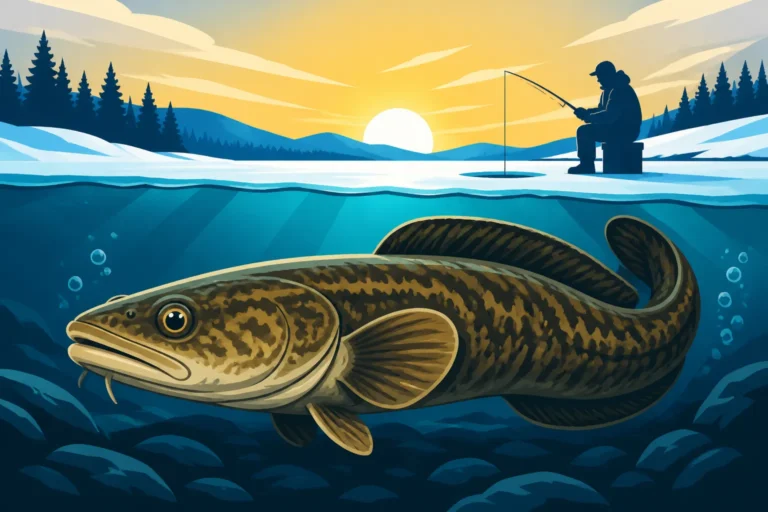
- Bull Trout: These are magnificent, powerful char, and they are also a threatened species. As such, the Alberta Bull Trout Zero Possession Rule is strictly enforced. If you are lucky enough to encounter one, admire its beauty and release it quickly and gently. They often prefer colder, deeper water and will aggressively strike streamers or large spoons/spinners. They are typically apex predators in their ecosystems, so presentations mimicking baitfish can be very effective.
- Cutthroat Trout: Easily identified by the red slash beneath their jaw, Cutthroat Trout are abundant in many of Willmore's streams and alpine lakes. They are typically eager to rise to dry flies during hatches and will also readily take small nymphs or streamers. Their willingness to bite makes them incredibly fun to target. Learn more about Cutthroat Trout in Alberta's Mountain Streams.
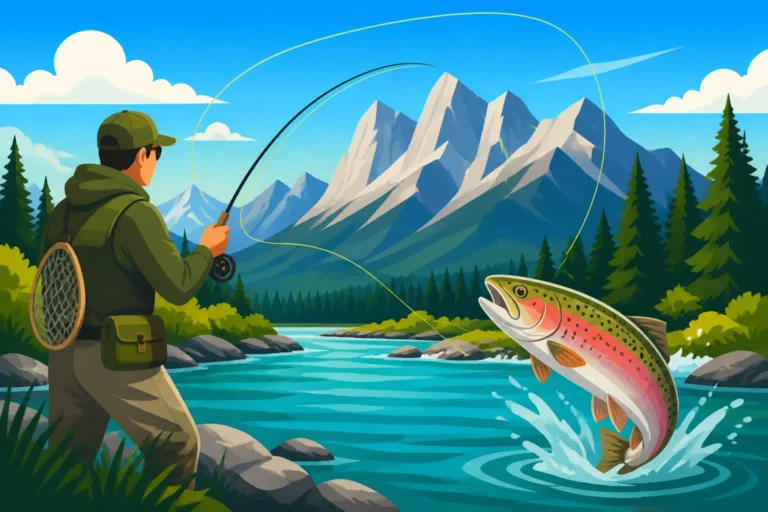
- Rainbow Trout: While some Rainbow Trout in Alberta are stocked, those found deep within Willmore are often wild, native populations or robust, naturally reproducing populations. They are strong fighters and can be found in a variety of water types. They respond well to a wide range of fly patterns, including nymphs, emergers, and dry flies, and for spin anglers, small spinners and spoons.
Mountain Whitefish and Arctic Grayling
Beyond the trout, you'll also encounter other fascinating native species.
- Mountain Whitefish: These abundant fish are often found alongside trout in Willmore's rivers. While not as flashy as trout, they are excellent fighters on light tackle and can provide consistent action. They are primarily bottom feeders, so small nymphs, wet flies, or tiny jigs presented near the riverbed are often effective. Many anglers appreciate them for their fight and their delicate flavor. You can find them thriving in Mountain Whitefish in Alberta Rivers.
- Arctic Grayling: In the northern reaches of Willmore, particularly within the Kakwa River system, you might encounter the beautiful Arctic Grayling. Known for their sail-like dorsal fin and iridescent colors, these fish are a true treat to catch. They are eager dry fly takers, especially during summer hatches. Targeting Arctic Grayling in Northern Alberta Rivers offers a unique and special experience, as their populations are sensitive.
| Fishing Spot Type | Primary Fish Species | Typical Access Method | Recommended Tackle | Key Regulations |
|---|---|---|---|---|
| Major Rivers (Smoky, Kakwa) | Bull Trout, Rainbow Trout, Mountain Whitefish, Arctic Grayling | Horseback, multi-day hike | 5-6 wt fly rod (streamers, nymphs), Medium-light spin rod (spoons, spinners) | Catch & Release for Bull Trout, Barbless hooks |
| Alpine Lakes | Cutthroat Trout, Rainbow Trout (some Brook Trout) | Multi-day hike, fly-in | 3-5 wt fly rod (dry flies, emergers, nymphs), Ultralight spin rod (tiny spinners, spoons) | Catch & Release often, Barbless hooks |
| Smaller Tributary Streams | Cutthroat Trout, Rainbow Trout | Day hike, horseback | 3-4 wt fly rod (nymphs, dry flies), Ultralight spin rod (tiny spinners) | Catch & Release common, Barbless hooks |
Conserving the Willmore Wilderness for Future Anglers
The privilege of fishing in Willmore Wilderness Park comes with a profound responsibility to protect it. This isn't just about following regulations; it's about adopting an ethos of conservation that ensures these pristine waters remain wild for generations to come.
Practicing Responsible Angling and Leave No Trace
Every angler venturing into Willmore must commit to strict Leave No Trace principles. This means packing out everything you pack in – absolutely no garbage, food scraps, or fishing line should be left behind. When camping, use designated campsites if available, or choose durable surfaces away from water bodies. Minimize your impact on vegetation and be mindful of human waste disposal.
Regarding the fish themselves, practicing careful catch and release is critical, especially for sensitive species like Bull Trout and Arctic Grayling. Use barbless hooks, handle fish minimally with wet hands, keep them in the water as much as possible for photos, and ensure they are fully revived before release. Avoid fishing for species that are known to be spawning. For those interested in deeper conservation insights, the provincial government and local organizations constantly work on projects like the Bull Trout: Alberta's Threatened Native Fish recovery efforts, which anglers can support by simply adhering to the rules.
Supporting Local Outfitters and Conservation Efforts
If you choose to use an outfitter for your Willmore trip, you're not just buying a service; you're supporting local businesses that often have a vested interest in the park's health. Many outfitters are passionate conservationists themselves, helping to monitor trails, report issues, and educate visitors. They can also offer valuable insights into the best times to fish or how to access certain areas responsibly. Don't hesitate to check out options through platforms like FishingBooker to find a guide specializing in remote Alberta fishing expeditions.
Beyond outfitters, consider supporting local conservation groups dedicated to protecting Alberta's wild spaces and fisheries. Organizations like Trout Unlimited Canada do incredible work in habitat restoration, research, and advocacy, which directly benefits the health of Willmore's ecosystems. By being a responsible angler and supporting those who work to protect these precious resources, you play a vital role in ensuring that the incredible fishing opportunities in Willmore Wilderness Park endure. This wilderness is a gift, and it's up to all of us to keep it that way.
Disclaimer
The information provided in this guide is for general informational purposes only and is subject to change. Fishing regulations, license requirements, and access rules for Willmore Wilderness Park are determined by the Government of Alberta and may be updated annually. Always consult the most current Alberta Guide to Sportfishing Regulations and relevant park authorities before planning your trip. Engaging in outdoor activities carries inherent risks; exercise caution and prepare adequately for wilderness conditions.