Best fishing spots in Peter Lougheed Provincial Park
Peter Lougheed Provincial Park is an absolute gem in Alberta's Kananaskis Country, offering breathtaking mountain vistas and truly pristine waters. However, for many anglers, the sheer scale and untouched wilderness can be a bit daunting when trying to figure out where to even cast a line. This comprehensive guide is designed to cut through that confusion, helping you pinpoint the best fishing spots in Peter Lougheed Provincial Park and understand the unique challenges and rewards each location offers.
Understanding Peter Lougheed Provincial Park's Unique Fisheries
Fishing in Peter Lougheed Provincial Park isn't your typical prairie lake experience. Here, you're dealing with high-altitude lakes and rivers fed by glacial melt, which means cold, clear waters and fish species perfectly adapted to these often harsh conditions. The park’s commitment to conservation also means regulations are often more specific and stringent, aiming to protect native populations like the threatened Bull Trout. It’s a place that demands respect for its environment and a thoughtful approach to angling.
High-Altitude Lakes and Their Residents
The park is home to several stunning high-alpine lakes, each with its own character and resident fish populations. These lakes are typically very clear, making sight fishing a possibility on calm days, but also meaning fish can be quite wary. You'll primarily encounter various species of trout here, including Rainbow Trout, Cutthroat Trout, and, in some deeper, colder systems, Lake Trout. These fish thrive in the oxygen-rich, cold water, and often feed on insects, small baitfish, and crustaceans.
What makes these high-altitude fisheries unique is their delicate ecosystem. The fish grow slower due to shorter feeding seasons, and their populations are often more vulnerable to pressure. This is why you'll find strict bait bans on many of these waters, and catch-and-release is strongly encouraged or even mandated for certain species. For instance, finding a healthy population of Cutthroat Trout is a true testament to the park's conservation efforts, and knowing how to safely release them is paramount. Before heading out, make sure to consult the most current Alberta Fishing Regulations Explained to understand any specific rules for the waterbody you plan to visit.
River Systems and Stream Access
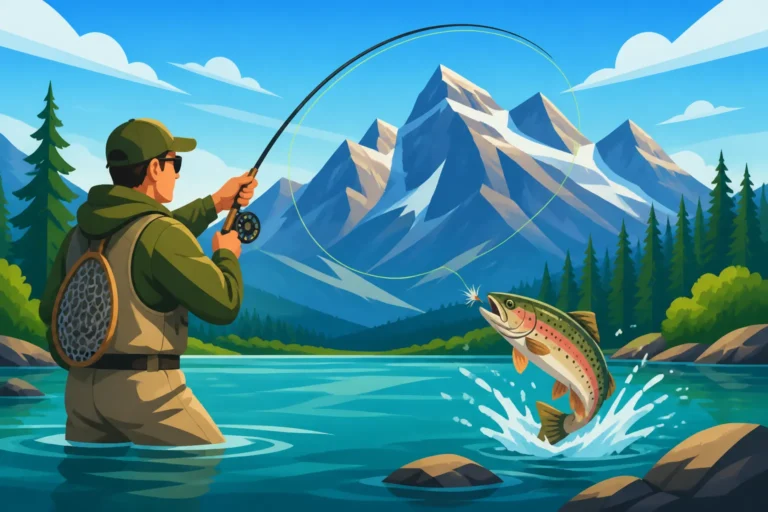
Beyond the lakes, Peter Lougheed Provincial Park boasts a network of beautiful rivers and streams, notably the Kananaskis River and its tributaries. These moving waters offer a completely different fishing experience, often appealing to fly anglers due to their classic trout stream characteristics. The currents vary, from gentle glides to roaring rapids, and the fish here are typically robust, wild trout that demand a skilled presentation.
Access to these river systems can range from roadside pull-offs to backcountry hikes, offering solitude for those willing to trek a bit further. The Kananaskis River, for example, is famous for its feisty Rainbow Trout and occasionally holds some very impressive Brown Trout. Wading can be challenging due to the cold water and slippery, uneven bottoms, so appropriate gear like sturdy Best Waders for Alberta Trout Rivers is essential. Understanding the flows, especially during spring runoff or after heavy rains, is also crucial for both safety and fishing success.
Top Fishing Destinations within the Park
With so many incredible spots, choosing where to focus your efforts can be tough. But there are a few iconic locations in Peter Lougheed Provincial Park that consistently deliver memorable fishing experiences, each with its own charm and challenges.
Upper and Lower Kananaskis Lakes
These twin lakes are arguably the most popular and accessible fishing destinations within the park. Both are large, deep, glacially fed bodies of water, and they offer stunning views alongside excellent fishing opportunities.
- Upper Kananaskis Lake is known for its resident Lake Trout, which can grow to impressive sizes, as well as Rainbow Trout and Bull Trout. Because Bull Trout are a provincially threatened species, they have a strict zero possession limit, meaning all Bull Trout must be immediately released unharmed. The lake's deep, cold waters make it ideal for trolling or jigging for lake trout, especially during the warmer summer months when they retreat to cooler depths. Shore access is good in many areas, but a boat or float tube will open up more productive water. Remember, all watercraft need to adhere to park regulations regarding aquatic invasive species prevention. Many anglers find it beneficial to use a service like
FishingBookerto find local guides who can navigate these waters safely and effectively, especially if you're targeting larger Lake Trout. - Lower Kananaskis Lake offers similar species but is generally shallower in some bays, providing good opportunities for casting from shore or small boats. It's often a bit easier to fish than the Upper Lake, especially for those new to mountain lake angling. Rainbow Trout are a common catch here, and you'll find them cruising the shallower areas during feeding times. Just like its upper counterpart, keep an eye out for Bull Trout and release them with care. The lake also has several campgrounds nearby, making it a fantastic base for a multi-day fishing adventure.
Rawson Lake and Area
For those who enjoy a bit of a hike with their fishing, Rawson Lake is a truly rewarding destination. Located above Upper Kananaskis Lake, this pristine alpine lake requires a moderate 2-hour hike to access, which helps to keep fishing pressure lower and preserve its natural beauty.
Rawson Lake is primarily known for its Cutthroat Trout, a stunning native species that thrives in these high-elevation environments. These fish are often smaller but incredibly feisty, offering a fantastic challenge on light tackle or a fly rod. Due to the sensitive nature of this fishery and the importance of native species, Rawson Lake usually has specific regulations, often including bait bans and strict catch-and-release rules. Anglers targeting Cutthroat Trout here should focus on small dry flies, nymphs, or tiny spinners, and practice impeccable Best Techniques for Bull Trout Catch and Release (principles apply to all vulnerable trout species). The surrounding stream that feeds Rawson Lake can also hold small, eager trout, making for a fun exploratory experience if you're careful about staying on designated trails.
Kananaskis River
The Kananaskis River, particularly the sections below the Kananaskis Lakes dams, is a prime destination for stream anglers. It’s a classic freestone river, offering diverse habitat for various trout species.
- Below Upper Kananaskis Lake Dam: This section can be very productive, with strong currents and deep runs holding Rainbow Trout and the occasional large Brown Trout. Fly fishing is particularly popular here, with anglers often employing nymphing techniques or streamer patterns to entice fish from the deeper pockets. Wading is often necessary, and the rocky bottom can be challenging, so appropriate footwear and a wading staff are highly recommended.
- Below Lower Kananaskis Lake Dam (between the Lakes): This shorter stretch of river acts as a connector between the two lakes. It can be a hotspot during certain times of the year, especially as fish move between the lakes. Small pockets and riffles can hold eager trout, making it a good spot for both spin and fly anglers.
- Lower Kananaskis River (downstream of Lower Kananaskis Lake): As the river flows further downstream, it takes on a more substantial character, offering a mix of accessible and more remote sections. This area is celebrated for its Rainbow Trout, known for their strong fights. Dry fly fishing can be excellent during insect hatches, while nymphing and streamer fishing are productive year-round. Given the popularity and delicate nature of these fisheries, familiarizing yourself with Fly Fishing for Trout on the Bow River (many techniques translate well to the Kananaskis) will be incredibly beneficial. Always be mindful of other anglers, especially fly fishers who require more space.
Essential Regulations and Conservation for Peter Lougheed Anglers
Fishing in a provincial park like Peter Lougheed comes with a heightened responsibility for conservation. The regulations are in place to protect these precious resources for future generations, and it's every angler's duty to know and follow them implicitly.
Park-Specific Rules and Zone Regulations
Unlike some more generalized fishing areas, Peter Lougheed Provincial Park's waters often have very specific, sometimes unique, regulations. This means you can't assume a general provincial license covers all the nuances. For example, some waters might be designated as "catch-and-release only," have specific lure or bait restrictions (e.g., barbless hooks, artificial flies only), or have different season dates than surrounding areas.
Before every trip, it's absolutely crucial to consult the current Alberta Guide to Sportfishing Regulations. This guide details all zone-specific rules, species limits, and any special harvest licenses needed (like the Alberta Walleye Special Harvest Licence Program, though less relevant for Peter Lougheed's trout-focused waters). Pay close attention to the Kananaskis Country management zone, which often has additional stipulations. Ignoring these regulations can lead to hefty fines and, more importantly, harm the fragile ecosystem. Sometimes, consulting with a local tackle shop or even using a guide found through platforms like FishingBooker can provide invaluable, up-to-the-minute information on local conditions and regulations.
Practicing Responsible Catch and Release
For many of the sensitive trout species found in Peter Lougheed Provincial Park, especially Bull Trout and native Cutthroat, catch-and-release is not just a suggestion; it’s a critical conservation practice. Even when keeping fish is allowed, practicing responsible catch and release whenever possible helps maintain healthy populations.
Here are some key principles:
- Barbless Hooks: Use them exclusively. They minimize damage and allow for quick, easy hook removal. Many of the park's special regulation waters mandate their use anyway.
- Minimize Handling: Keep the fish in the water as much as possible. If you must handle it, do so with wet hands and support its full body weight horizontally. Avoid touching the gills or squeezing its belly.
- Quick Release: Have your camera ready, but prioritize the fish's well-being. Get the hook out gently and quickly.
- Revive the Fish: If a fish seems sluggish, hold it gently facing upstream in the current until it can swim away under its own power. Don't throw it back immediately if it's not ready.
Adhering to these practices, especially when fishing for vulnerable species like Bull Trout, ensures that these beautiful fish can continue to thrive and reproduce. It's a small effort that makes a huge difference in preserving the park's incredible fisheries.
Gear and Techniques for Success in the Mountains
Fishing in Peter Lougheed Provincial Park requires a slightly different approach than fishing flatter, warmer waters. The environment dictates specific gear choices and techniques that will increase your chances of success and ensure your safety.
Recommended Tackle and Lures
Given the cold, clear waters and the primary focus on trout, your tackle box should reflect this.
- Spinning Gear: A light to medium-light spinning rod (6-7 feet) paired with a reel spooled with 4-8 lb test fluorocarbon or monofilament line is ideal. This setup provides the sensitivity needed for subtle strikes and the backbone for fighting strong trout. Small inline spinners (Mepps, Panther Martin), spoons (Kastmaster, Little Cleo), and small minnow-imitating crankbaits (Rapala Countdown) in natural colours are highly effective. For jigging in deeper lakes for Lake Trout, consider heavier jigs (1/2 oz to 1 oz) with plastic tails or bucktail.
- Fly Fishing Gear: For river systems like the Kananaskis River, a 4 to 6-weight fly rod (8.5-9 feet) is a versatile choice. You'll want a floating line, and perhaps a sinking tip line for streamer fishing. A range of fly patterns is necessary, including general attractor dry flies (Elk Hair Caddis, Adams), various nymphs (Prince Nymph, Hare's Ear, Pheasant Tail), and a selection of streamers (Woolly Buggers, Sculpins). If you're new to fly fishing, a guide to Best Gear for Bow River Fly Fishing can offer excellent insights, many of which are transferable to the Kananaskis. Don't forget a selection of tippet material from 3x to 6x.
- Essential Accessories: A good pair of polarized sunglasses is indispensable for spotting fish in clear water and protecting your eyes. A reliable landing net with a rubberized mesh is crucial for safely handling and releasing fish. Don't forget a multi-tool, line clippers, and plenty of extra leaders.
Navigating Mountain Terrain and Access Points
Beyond your fishing tackle, what you bring to navigate the park's terrain is equally important. Peter Lougheed Provincial Park is wild country, and being prepared is key.
- Appropriate Footwear: Sturdy hiking boots are a must for accessing many of the prime fishing spots, especially those requiring a walk. For river fishing, felt-soled or rubber-soled Best Wading Boots for Rocky Rivers will provide necessary grip in slippery currents.
- Bear Safety: This is bear country. Always carry bear spray, know how to use it, and keep it easily accessible. Make noise while hiking, especially in dense brush, and store food properly. Reviewing bear safety protocols from Parks Canada or Alberta Parks is highly recommended before your trip.
- Weather Preparedness: Mountain weather can change dramatically and quickly. Dress in layers, and always pack rain gear, even on a sunny day. A hat and gloves are good to have, even in summer, for those chilly alpine mornings or evenings.
- Navigation: While many spots are well-marked, having a physical map and compass or a reliable GPS app on your phone is smart, especially if you plan to explore more remote areas. Cellular service can be spotty to non-existent in many parts of the park.
- Respect the Trails: Stick to marked trails and minimize your impact on the environment. Pack out everything you pack in, and leave no trace of your visit. This helps protect the delicate alpine flora and fauna, and ensures the park remains pristine for everyone to enjoy.
By being prepared for both the fishing and the environment, you'll maximize your enjoyment and ensure a safe, successful trip to the incredible fishing spots of Peter Lougheed Provincial Park.
| Fishing Spot | Primary Species | Recommended Access | Key Techniques | Special Notes |
|---|---|---|---|---|
| Upper Kananaskis Lake | Lake Trout, Rainbow, Bull | Boat, Shore | Trolling, Jigging | Deep, cold water; large fish; Bull Trout C&R. |
| Lower Kananaskis Lake | Rainbow, Bull Trout | Boat, Shore | Casting, Trolling | More accessible; good shore fishing in bays. |
| Rawson Lake | Cutthroat Trout | Hike-in (moderate) | Fly fishing, Light Spin | Pristine alpine lake; C&R often mandated; small fish. |
| Kananaskis River (Upper sections) | Rainbow, Brown, Bull Trout | Wading, Shore | Fly fishing, Spin | Strong currents; technical fishing; C&R for Bull Trout. |
| Kananaskis River (Lower sections) | Rainbow, Brown Trout | Wading, Shore | Fly fishing, Spin | Diverse habitat; good insect hatches. |
Disclaimer
Fishing regulations and conditions can change. Always consult the most current Alberta Guide to Sportfishing Regulations before heading out. This guide is for informational purposes only and does not supersede official government regulations. Practice safe and ethical angling at all times.