Best public boat launches on Lesser Slave Lake
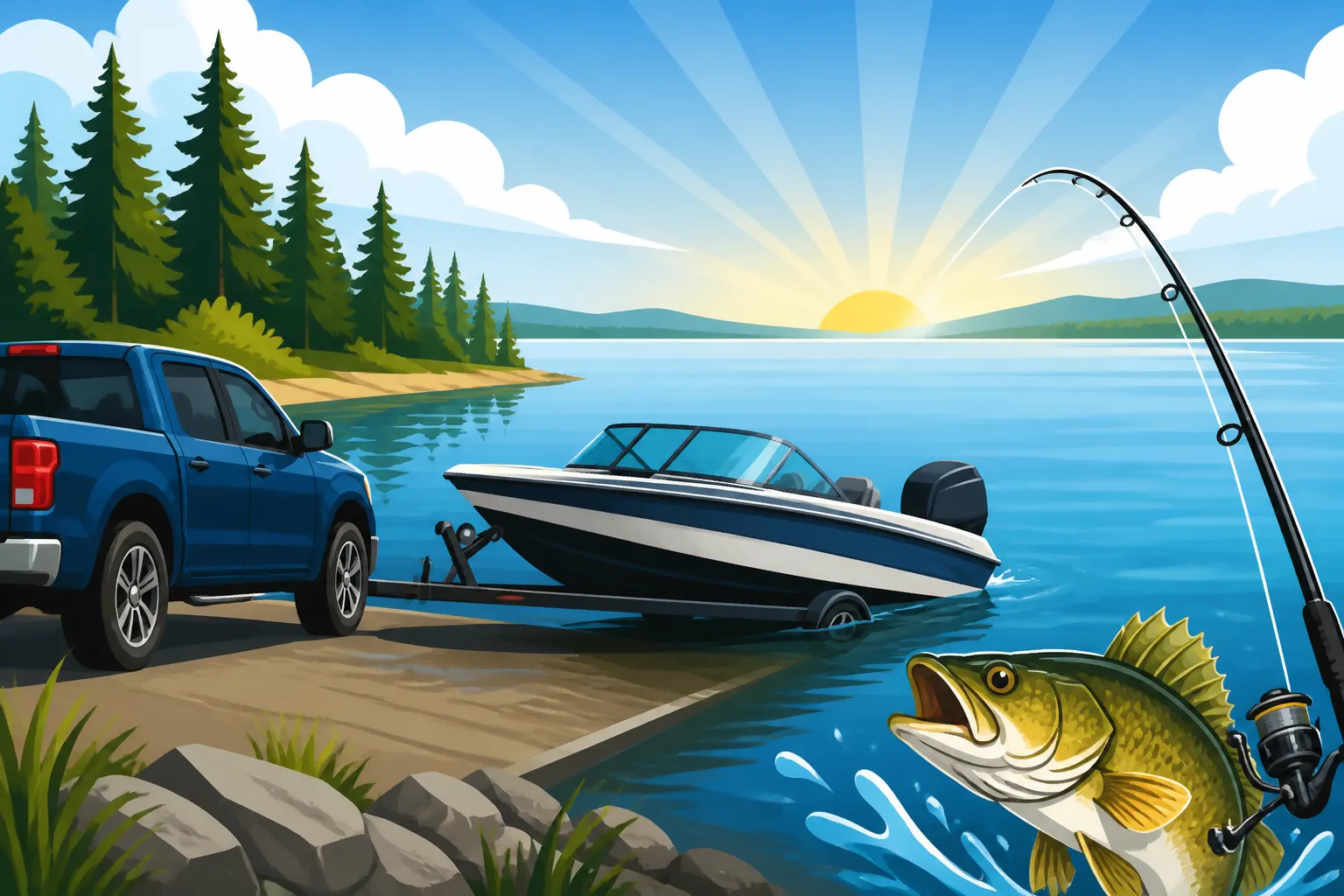
Trying to find a suitable boat launch on a lake as vast and dynamic as Lesser Slave Lake can feel like an overwhelming task, especially when you're visiting for the first time or bringing a larger boat. There’s nothing worse than driving for hours, only to discover the ramp is too shallow, too busy, or lacks the amenities you desperately need after a long drive. This guide is dedicated to helping you navigate the best public boat launches on Lesser Slave Lake, ensuring your angling adventure starts smoothly and safely, allowing you to focus on the incredible fishing opportunities this northern Alberta gem offers.
Understanding Lesser Slave Lake's Unique Challenges for Boaters
Lesser Slave Lake isn't just "a lake"; it's a massive, diverse, and often unpredictable body of water that demands respect and careful planning from any boater. Its sheer size and the conditions it can throw at you are significant factors in choosing the right place to launch your boat. Many anglers underestimate its scale, leading to frustrating experiences at unsuitable access points.
Size and Scope of Lesser Slave Lake
Imagine a lake that stretches for over 100 kilometers (about 62 miles) long and nearly 15 kilometers (9 miles) wide at its broadest point. That's Lesser Slave Lake. It's the second-largest lake entirely within Alberta, and its immense surface area means it acts more like an inland sea than a typical lake. This vastness profoundly impacts your choice of boat launch. If you're planning to fish the eastern basin for walleye, launching from the west end might mean an hour or more of travel, depending on conditions. Conversely, if your target is the shallower, weedy bays in the west, you wouldn't want to launch from the town of Slave Lake. You need to consider how far you plan to travel and what part of the lake you intend to fish. Launching centrally or strategically closer to your desired fishing grounds can save you a lot of time, fuel, and exposure to potential rough waters.
The lake's size also influences the availability and type of services. While the town of Slave Lake offers comprehensive amenities, other smaller communities along the shore might have more limited options for fuel, bait, or repairs. Planning ahead, especially if you're venturing to more remote launches, is absolutely crucial.
Weather and Water Conditions
One of the biggest lessons any Lesser Slave Lake veteran will tell you is that this lake can get rough, and it can happen fast. Its open expanse provides little shelter from strong winds, which can whip up significant waves in a matter of minutes. A calm morning can quickly turn into a white-capping nightmare, making navigation dangerous and uncomfortable for smaller vessels. This is a critical consideration when picking a launch. A sheltered harbour offers protection when loading and unloading, even if the main lake is choppy. Exposed ramps, while sometimes offering quicker access, can become impossible to use safely in adverse conditions, especially for retrieving your boat.
Water levels can also fluctuate throughout the season and from year to year, which impacts ramp accessibility. A launch that was perfectly usable last year might be too shallow for your boat this year, or vice versa. It's always a good idea to check local conditions or consult with local tackle shops or marinas before you head out. These changes in water levels can expose hazards or make certain ramps unusable for boats with deeper drafts, forcing last-minute changes to your launch plans.
Key Public Boat Launches on Lesser Slave Lake
Navigating Lesser Slave Lake requires understanding its main access points. Each public launch offers distinct advantages and disadvantages, catering to different boat sizes, angler preferences, and proximity to services. Knowing these options beforehand will significantly improve your trip planning.
Slave Lake Harbour
Located right in the bustling town of Slave Lake on the eastern end of the lake, Slave Lake Harbour is arguably the most comprehensive and well-equipped public boat launch facility on Lesser Slave Lake. It’s a popular choice for both serious anglers and recreational boaters due to its amenities and ease of access. The harbour itself is usually well-protected from the main lake’s chop, making launching and retrieving a relatively smooth experience, even on windier days.
The concrete ramp here is wide and typically has enough depth to handle most trailerable boats, from smaller aluminum rigs to larger fiberglass cruisers. You’ll find ample parking for your truck and trailer, which is a huge plus, especially during peak season weekends. Beyond the ramp, the harbour offers fuel docks, a fish cleaning station (an absolute godsend after a successful day of catching walleye or pike), and washroom facilities. Being in town, you also have immediate access to tackle shops, restaurants, grocery stores, and accommodations. This makes it an ideal base camp for extended fishing trips. If you’re not familiar with the lake and want to ensure you have all services at your fingertips, this is often the go-to spot. Many anglers find this location ideal for setting off to explore the diverse fishing spots within the eastern basin.
Canyon Creek Harbour
Moving west along the south shore, Canyon Creek Harbour presents another excellent option, particularly for those looking to access the central parts of Lesser Slave Lake. Situated in the small community of Canyon Creek, this harbour offers a fantastic concrete launch and generally good depth, suitable for a wide range of boats. It’s a bit less busy than Slave Lake Harbour, especially on weekdays, which can make for a more relaxed launching experience.
The biggest draw for Canyon Creek is its strategic location. From here, you’re well-positioned to reach prime walleye structure in the central lake, as well as access some excellent northern pike habitat in the shallower bays and points. There are typically fish cleaning stations and public washrooms available. While not as extensive as Slave Lake, Canyon Creek usually has a general store and sometimes a local tackle provider for last-minute supplies. Parking is usually adequate, though it can fill up on busy long weekends. It’s a great compromise between the full-service convenience of Slave Lake and the more rustic feel of some other launches.
Faust Marina
Further west still, on the south shore, you'll find Faust Marina. This is a very popular spot, known for its extensive facilities and being a hub for both recreational boating and serious fishing. Faust Marina boasts multiple concrete ramps, offering good capacity even during busy times. The docks are well-maintained, providing easy access to load and unload your gear. Like Slave Lake, Faust also offers essential services such as fuel, bait, and a pro shop, which can be invaluable when you're already on the water.
Faust's location makes it a prime launching point for anglers targeting the central to western basins of Lesser Slave Lake. It’s particularly well-regarded for its proximity to excellent walleye and burbot fishing spots. If you're planning a trip focused on these species, or if you're exploring the western reaches, Faust is an incredibly convenient choice. The community of Faust itself is smaller than Slave Lake, but it’s very fishing-oriented, and you’ll often find local knowledge readily available. Ample parking is usually available, though, again, it can get busy. For those looking to delve into the heart of Lesser Slave Lake’s productive waters, Faust is an undeniable contender. If you’re considering an extended stay, there are often camping and lodging options nearby.
Widewater
For those seeking a more tranquil and perhaps less crowded launch experience, the Widewater boat launch is worth considering. Located west of Faust, this launch offers a slightly more rustic feel compared to the larger marinas, but it provides direct access to the western end of Lesser Slave Lake. The ramp here is typically concrete and suitable for most smaller to medium-sized boats. However, depending on water levels, it might be less ideal for very large, deep-draft vessels compared to the main harbours.
Widewater is a great option if your fishing plans primarily focus on the shallower, weedy bays and expansive flats that characterize the western basin of the lake, which are known for northern pike and yellow perch. It’s a bit further from major services, so you’ll want to ensure you’re well-stocked with fuel, bait, and provisions before you arrive. The atmosphere is generally more laid-back, and you might find it less intimidating if you're newer to trailering a boat or prefer avoiding the crowds. Always check recent reports on water levels for Widewater, as its suitability can fluctuate more than the deeper harbour launches. This access point provides a quieter entry point for exploring areas that are often overlooked by those who stick to the eastern and central regions.
Choosing the Right Boat Launch for Your Fishing Trip
Picking the perfect boat launch on Lesser Slave Lake isn't a one-size-fits-all decision. What works for one angler might be a nightmare for another. It really boils down to your specific needs, your boat, and what kind of fishing adventure you're planning. Thinking through these details will save you a lot of hassle.
Factors to Consider: Boat Type and Size
The type and size of your boat are perhaps the most critical factors in selecting a boat launch. If you're running a smaller aluminum tiller boat or a modest fiberglass bowrider, most of the public launches on Lesser Slave Lake will likely work for you, provided water levels are decent. However, if you're towing a larger, heavier boat with a deeper draft, like a 20-foot fibreglass walleye rig, you'll need a launch that offers both sufficient depth at the ramp and a well-maintained, sturdy concrete surface to handle the weight. Places like Slave Lake Harbour and Faust Marina are generally better equipped for these larger vessels.
Conversely, if you're launching a small jon boat, a canoe, or a kayak, you might not need a full-blown concrete ramp at all. Some smaller, more informal access points could serve you just as well, or even better, by offering a quieter entry point. Just remember that even for smaller craft, the sheer size of Lesser Slave Lake means weather conditions can still become dangerous quickly, so always have a plan for safety. You can find excellent advice on what kind of vessel is suitable by checking out our guide on Best Boats for Alberta Lakes and Rivers or if you prefer a quieter experience, exploring options for a Best Kayak for Lesser Slave Lake.
Here’s a quick overview of the main public boat launches and their general suitability:
| Launch Name | Ramp Type | Typical Depth | Key Amenities | Suited For |
|---|---|---|---|---|
| Slave Lake Harbour | Concrete, Wide | Excellent | Fuel, Fish Clean, Washrooms, Proximity to Town | All boat sizes, convenient access, full services |
| Canyon Creek Harbour | Concrete | Good | Fish Clean, Washrooms, Small Store | Most boat sizes, central lake access |
| Faust Marina | Concrete, Multiple | Excellent | Fuel, Bait, Pro Shop, Camping | All boat sizes, excellent fishing hub |
| Widewater | Concrete | Variable (check current conditions) | Limited (day-use area) | Smaller to medium boats, western lake access, quieter |
Target Species and Fishing Areas
Where you plan to fish and what you intend to catch should heavily influence your choice of launch. Lesser Slave Lake is renowned for its Walleye Fishing in Alberta, but also offers fantastic Northern Pike Fishing in Alberta and even Burbot Fishing in Alberta. Each species tends to prefer certain habitats, which are often concentrated in different parts of the lake.
For instance, if you're absolutely obsessed with catching trophy walleye, you might want to launch from Faust or Canyon Creek, which put you closer to some of the prime deep-water structures and reefs in the central basin that these fish frequent. Conversely, if big northern pike are your quarry, especially in the spring or fall, launching closer to the western end (like Widewater) or from points accessible from Slave Lake might put you in better striking distance of those shallower, weedy bays and expansive flats that pike love to ambush baitfish from. Consider how much time you want to spend running your boat versus actual fishing time. Sometimes a slightly less convenient launch might put you right on top of your desired fishing grounds, saving fuel and maximizing your time on the water. For detailed information on specific fishing spots, check out our guide on Best Walleye Lakes in Alberta.
Amenities and Services
Beyond the ramp itself, consider what other amenities and services you’ll need for your trip. Are you planning a full day out and need to refuel? Do you need to buy live bait or top up your tackle box? Will you want to clean your catch before heading home?
- Fuel: Slave Lake Harbour and Faust Marina both offer convenient fuel docks. This is a significant advantage, as running out of gas on such a large lake can turn a great day into a challenging one.
- Bait & Tackle: The town of Slave Lake has dedicated tackle shops, and Faust Marina also usually has a good selection. Canyon Creek and Widewater might have more limited options, so plan accordingly.
- Fish Cleaning Stations: These are a real luxury, and you’ll typically find well-maintained stations at Slave Lake Harbour and Faust Marina, making post-fishing cleanup a breeze.
- Lodging & Food: If you’re coming from out of town and need a place to stay, or want easy access to restaurants, launching from or near the town of Slave Lake gives you the most options. Smaller communities like Canyon Creek and Faust also have some lodging, camping, and dining choices, but they are more limited.
- Emergency Services: While not a "service" in the typical sense, being launched closer to larger communities means quicker access to emergency services if something goes wrong. Always prioritize safety on the water, and ensure you understand Alberta Boating Laws for Anglers. For a truly seamless experience, especially if you’re exploring unknown waters or want to try new techniques, you might even consider hiring a local guide. Resources like FishingBooker can help you find experienced guides who know Lesser Slave Lake like the back of their hand, often including boat launch logistics in their services.
Essential Boating and Safety Considerations for Lesser Slave Lake
Lesser Slave Lake is stunningly beautiful and offers world-class fishing, but it's also a serious body of water that demands respect. No matter which launch you choose, prioritizing safety and understanding local regulations is paramount.
Navigational Hazards and Charting
Due to its vastness and dynamic nature, Lesser Slave Lake has its share of navigational hazards. Changing water levels, especially in spring and late summer, can expose or hide sandbars, shoals, and underwater structures that can be hazardous to your boat's lower unit. While the main channels are generally well-marked, venturing into shallower bays or unfamiliar areas requires caution. Investing in a good marine chart or using a reliable GPS/chartplotter with updated lake maps is highly recommended. These tools can help you identify safe passages, pinpoint potential hazards, and navigate effectively, especially if fog rolls in or you find yourself on the water after dark.
Beyond charts, local knowledge is golden. Chatting with anglers at the boat launch, asking staff at the marinas, or stopping by local tackle shops can provide invaluable real-time information about current conditions, specific hazards to watch out for, and recent fishing hot spots. This local insight can often prevent costly mistakes and make your trip much more enjoyable.
Required Safety Equipment and Regulations
Boating on Lesser Slave Lake, like anywhere in Alberta, comes with strict safety regulations designed to protect everyone on the water. You absolutely must have all the required safety equipment on board your vessel. This typically includes:
- Life Jackets: Ensure you have enough Canadian-approved personal flotation devices (PFDs) or life jackets for every person on board, and that they are easily accessible and correctly sized. Check out our guide on Life Jacket Requirements for Alberta Boaters for specifics.
- Visual Signals: Flares, a watertight flashlight, or other approved visual signals are crucial for attracting attention in an emergency.
- Sound Signaling Device: A whistle or horn is required.
- Bailing Device: A bailer or pump to remove water from your boat.
- Throw Line: A buoyant heaving line at least 15 meters long (approximately 50 feet).
- Fire Extinguisher: For boats with an engine.
Furthermore, anyone operating a powered boat in Alberta needs to have a Pleasure Craft Operator Card (PCOC). This certification proves you have the basic knowledge to operate a boat safely and legally. For all the details on this, refer to our comprehensive article on Alberta Pleasure Craft Operator Card Requirement. Law enforcement, including Conservation Officers and RCMP, regularly patrol Lesser Slave Lake, and they don't hesitate to issue fines for non-compliance. It's always better to be safe than sorry – a quick check of the Alberta Fishing Regulations Explained will ensure you're squared away with both fishing and boating rules.
Respecting the Environment and Local Communities
Lesser Slave Lake is a precious natural resource, cherished by local communities, First Nations, and visiting anglers alike. It’s imperative that we all do our part to preserve its beauty and ecological health. This means practicing responsible boating and fishing habits. Always pack out what you pack in, and avoid littering. Be mindful of your wake, especially near shorelines, docks, or other anchored boats, as excessive wakes can cause erosion and damage.
When handling fish, especially if you’re participating in catch-and-release, do so with care to maximize their survival. Wet your hands, support the fish horizontally, and return them to the water quickly. Pay particular attention to sensitive species or special regulations, such as those that might apply to Bull Trout in Alberta's Threatened Native Fish, even if they aren't common in Lesser Slave Lake. The communities around the lake, such as Slave Lake, Canyon Creek, and Faust, rely on tourism and the health of the lake. Supporting local businesses and showing respect to residents helps ensure that Lesser Slave Lake remains a welcoming and vibrant destination for generations of anglers to come.
Disclaimer
Please remember that fishing regulations, boating laws, and local conditions can change. Always consult the most current Alberta Guide to Sportfishing Regulations and Transport Canada’s Safe Boating Guide before heading out on the water. This guide is for informational purposes only and does not supersede official government publications.