Best beginner fishing spots in Alberta
Starting a new hobby like fishing can feel incredibly overwhelming, especially when you look at all the stunning but diverse waters Alberta has to offer. You scroll through forums, see seasoned anglers with their elaborate setups, and wonder where on earth you should even begin. Forget the complicated regulations and secret spots for now; this guide is all about cutting through the noise to show you the absolute best, most accessible, and truly rewarding fishing spots for beginners right here in Alberta.
What Makes a Fishing Spot Perfect for Beginners in Alberta?
When you're just starting, the last thing you want is a challenging, remote, or overly complex fishing experience. A good beginner spot isn't necessarily about landing a trophy-sized lunker, but more about having an enjoyable, frustration-free day that builds confidence and love for the sport. There are a few key ingredients that make a location truly ideal for new anglers.
Easy Access and Abundant Amenities
Imagine showing up to a new spot, rod in hand, only to realize the "access point" is a muddy, unmarked trail leading to a dense bushwhack. That's a surefire way to kill enthusiasm before you even cast! Beginner-friendly spots shine because they offer straightforward access. Think paved parking lots, well-maintained paths, and clear points of entry to the water.
These locations often come equipped with convenient amenities that make the whole experience more comfortable. Picnic tables, public washrooms, and even playgrounds can turn a fishing trip into a full family outing, ensuring everyone has a good time, even if the fish aren't biting constantly. Being close to a town or city is also a huge plus. This means less travel time, easier resupply for snacks or forgotten bait, and quick access to a coffee shop if the morning bite is slow. Provincial parks, for instance, are often managed with visitor comfort in mind, making them fantastic choices.
High Catch Rates and Approachable Species
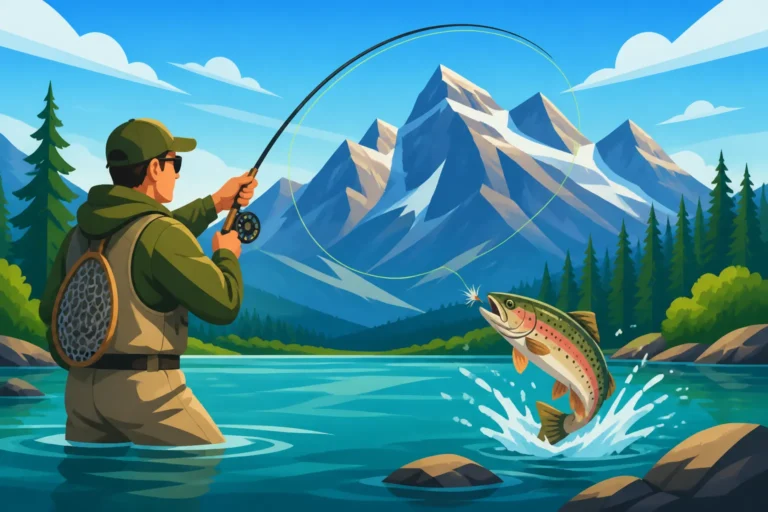
Let's be honest, nothing keeps a beginner engaged like actually catching a fish! A spot with a reputation for high catch rates, even if they're smaller fish, is invaluable. This is where Alberta's extensive fish stocking programs really benefit new anglers. Many smaller ponds and lakes are regularly stocked with species like Rainbow Trout, which are typically eager biters and a blast to catch on light tackle.
Beyond sheer numbers, the type of fish matters too. Beginners should focus on common, relatively easy-to-catch species such as Rainbow Trout, Yellow Perch, and smaller Northern Pike. These species aren't overly finicky and respond well to simple baits and lures. Avoid waters that primarily hold highly sensitive or regulated species like Bull Trout, where a Alberta Bull Trout Zero Possession Rule is strictly enforced and specialized techniques are often required. The goal is to build excitement and confidence, not to navigate complex regulations or advanced angling methods right off the bat. A bent rod and a few tugs are far more valuable than a blank day on a renowned but challenging river.
Safe and Manageable Fishing Conditions
Safety and ease of fishing conditions are paramount for beginners. This means looking for waters that are calm, clear, and don't pose immediate hazards. Places with strong currents, deep drop-offs right at shore, or heavy boat traffic can be intimidating and even dangerous for those still learning to cast and manage their gear.
Instead, seek out serene lakes or wide, slow-moving river sections where you can comfortably cast from the shore or a stable dock. A family-friendly environment also implies a certain level of peace and quiet, free from overcrowding or intense competition. If you're considering ice fishing in the colder months, ensure the ice is consistently thick and safe, and always check local conditions before venturing out. For those looking to gain some confidence with a guide, services like FishingBooker can connect you with local experts who know safe, productive spots. The less you have to worry about the environment, the more you can focus on the joy of fishing.
Top Beginner-Friendly Fishing Lakes in Alberta
Alberta is blessed with countless lakes, but some stand out as exceptional choices for those just starting their angling journey. These spots combine accessibility, good fish populations, and a welcoming atmosphere.
Stocked Ponds and Urban Lakes
For many new anglers, especially families with young children, the easiest places to start are the urban and community ponds that Alberta's fisheries program regularly stocks. These aren't hidden wilderness gems; they are often right within or on the outskirts of major cities, making them incredibly convenient for a quick after-work cast or a weekend outing without a long drive.
Locations like Pearce Estate Park Pond in Calgary or Hermitage Park Pond in Edmonton are prime examples. These ponds are typically stocked several times a year with catchable-sized Rainbow Trout, ensuring a good chance of success. They boast amenities like paved pathways, benches, and often washrooms, making them comfortable and accessible for everyone. Imagine a Saturday morning trip to Mitchell Park Pond in Okotoks, where you can easily park, walk a short distance, and have your line in the water within minutes. These smaller, contained water bodies are fantastic for practicing casting, learning how to bait a hook, and experiencing the thrill of a fish on the line without the complexities of larger lake or river systems. The focus here is on fun and immediate gratification, which is exactly what a beginner needs. You can often find detailed information about these sites and stocking schedules on the MyWildAlberta portal.
Larger Lakes with Excellent Shore Access
Once you've had some success at the smaller ponds, it might be time to graduate to slightly larger lakes that still offer fantastic beginner-friendly opportunities. These lakes often provide a bit more diversity in fish species and fishing environments, but retain good shore access or easy options for small boat rentals.
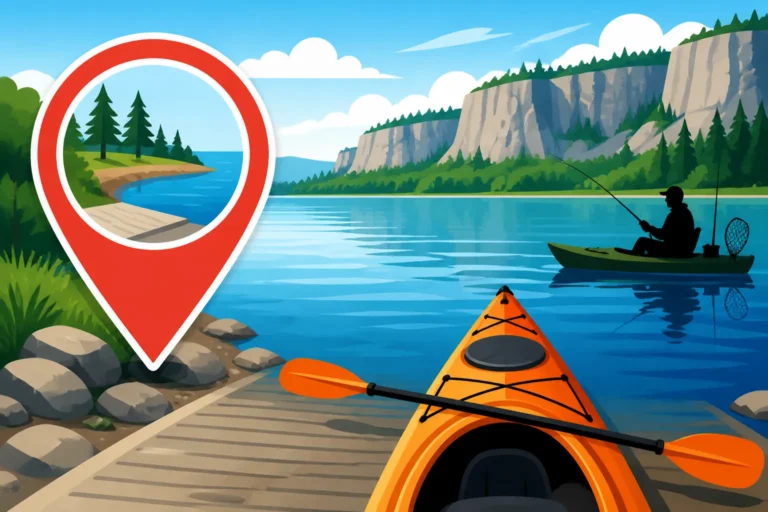
Pigeon Lake, located southwest of Edmonton, is a popular choice. It's known for its healthy populations of Walleye, Northern Pike, and Yellow Perch. While it's a larger lake, there are numerous public access points, resort areas, and campgrounds where you can fish from docks, designated shorelines, or easily launch a small boat or kayak. You might even consider hiring a local guide through a service like FishingBooker to learn the ropes on a larger body of water like Pigeon Lake. Another excellent option is Sylvan Lake, west of Red Deer, which is a bustling hub in the summer. It offers plenty of public beaches and areas where you can cast for Northern Pike and Yellow Perch. Many resorts and marinas also offer boat rentals, making it easy to get out on the water even if you don't own your own vessel. These lakes offer that next step up, allowing beginners to explore more extensive waters while still having a good chance at a rewarding catch. For more ideas on larger waters, our guide on the Best Fishing Lakes in Alberta can provide further inspiration.
Provincial Park Gems
Alberta's Provincial Parks are truly treasures, offering not just stunning natural beauty but also some fantastic, well-managed fishing opportunities perfect for beginners. The infrastructure within these parks — campgrounds, boat launches, hiking trails, and visitor centres — makes them incredibly user-friendly for those new to the outdoors.
Consider Beauvais Lake Provincial Park, southwest of Lethbridge. This picturesque lake is regularly stocked with Rainbow Trout and also holds Northern Pike. The park provides designated fishing areas, boat launches (with motor restrictions, which keeps things calmer), and camping facilities. It's an ideal place for a weekend getaway where fishing is just one part of the adventure. Similarly, the Kananaskis Lakes area, particularly Lower and Middle Kananaskis Lakes, offers spectacular mountain scenery along with good opportunities for stocked Rainbow Trout and other species. While some areas can be challenging, many parts of these lakes are accessible from shore or easy to navigate with a canoe or small boat. Fishing in a provincial park often means a more serene and organized experience, with park staff on hand to offer advice or assistance. Remember to always check current park regulations in addition to fishing regulations.
Rivers, Ponds, and Special Considerations for New Anglers
While lakes often get the spotlight for beginners, Alberta's rivers and smaller, lesser-known ponds can also offer unique and rewarding experiences, provided you know where to look and what to expect.
Gentle River Sections for First-Timers
Rivers can be intimidating for new anglers due to currents, complex structure, and often stricter regulations. However, not all rivers are fast-flowing technical challenges. There are sections of Alberta's river systems that offer calmer, more accessible fishing, making them suitable for beginners.
For instance, the lower sections of the Bow River, particularly east of Calgary near Carseland, tend to be wider and slower-moving than the more famous upper stretches closer to the city. Here, you might find easier access points and less demanding wading conditions, allowing you to target trout without feeling overwhelmed. While much of the Bow River is renowned for its world-class fly fishing, these downstream areas can offer conventional tackle opportunities. Another option is sections of the Red Deer River, especially away from major rapids, where you can target Northern Pike and Walleye from calmer banks. Always prioritize safety when fishing rivers; wear a wading belt if you're entering the water and be mindful of changing water levels. It's crucial to check Alberta Fishing Regulations Explained before heading out, as river rules can be quite specific, including regulations like Alberta Barbless Hook Requirement Waters.
Local Ponds and Community Water Bodies
Beyond the well-known stocked ponds, Alberta is dotted with countless smaller, often unnamed or less publicized ponds and dugouts. These can be fantastic, low-pressure environments for beginners to experiment and discover. Many of these hold abundant populations of Yellow Perch, smaller Pike, or even some overlooked trout, depending on the location and water quality.
Finding these spots often requires a bit of local knowledge. Chatting with staff at local bait shops is an excellent way to uncover these hidden gems. They're usually happy to share tips on where beginners can have success. These ponds are typically smaller, allowing for easy exploration of the entire water body and perfect for practicing casting different lures or baits. Imagine spending a quiet afternoon at a local dugout near your rural community, honing your skills without the pressure of crowds. When exploring these smaller water bodies, always ensure you have public access and respect private property boundaries. Sometimes, a seasoned local guide found through a platform like FishingBooker might even reveal some of these fantastic, less-pressured spots, offering a personalized experience tailored to your beginner status.
Essential Tips for Your First Alberta Fishing Trip
Embarking on your first fishing adventure in Alberta is exciting, but a little preparation goes a long way. Beyond choosing the right spot, knowing the basics of licenses, gear, and etiquette will ensure a smooth and enjoyable experience.
Get Your License and Understand Regulations
This is absolutely, unequivocally the most critical first step before you even think about casting a line. Fishing without a valid license in Alberta can lead to significant penalties, so it's not something to overlook. Every angler aged 16 to 64 needs an Alberta Sportfishing License and a Wildlife Identification Number (WIN Card). There are a few exemptions, such as those under 16 years old, who generally don't need a license as detailed in our guide on Alberta Youth Fishing License Exemption Under 16, and residents over 65, who might also be exempt as discussed in Alberta Senior Fishing License Exemption at 65. However, even with exemptions, it's wise to have a WIN Card for recording catches and staying informed. You can easily purchase your license online via the MyWildAlberta portal or through authorized vendors. Our comprehensive Alberta Fishing License Guide for 2026 provides all the details you'll need.
Once you have your license, familiarize yourself with the regulations. Alberta's fishing regulations are zone-specific and species-specific, covering everything from season dates to bag limits, and even tackle restrictions like barbless hooks on certain waters. The Alberta Guide to Sportfishing Regulations is your bible, available online and at most tackle shops. The MyWildAlberta app is also an invaluable tool, allowing you to look up regulations for any water body on the go. Taking the time to understand these rules will prevent accidental violations and ensure you're fishing ethically and legally. Trust me, you don't want to learn about Fishing Without a License in Alberta: Penalties the hard way from a Fish and Wildlife officer. For a deeper dive, check out our guide on Reading the Alberta Guide to Sportfishing Regulations.
Simple Gear, Simple Baits
One of the biggest mistakes beginners make is thinking they need a boatload of expensive, specialized gear. For your first few trips, simplicity is key! You don't need to break the bank to catch fish in Alberta. Start with a basic spinning rod and reel combo. A medium-light action rod, around 6 to 7 feet long, paired with a small to medium-sized spinning reel spooled with 6-8 pound monofilament line, is incredibly versatile and perfect for most stocked trout and panfish.
When it comes to bait, forget the fancy lures for now. Live worms are universally effective and probably the easiest bait to use. PowerBait, corn, or small marshmallows are also incredibly popular and effective for stocked Rainbow Trout. For lures, a few simple spinners (like Mepps or Rooster Tail) or small spoons (such as Little Cleos or Five of Diamonds) in sizes #0 to #2 will cover a lot of ground for trout, perch, and even small pike. You're not trying to become a pro angler on day one; you're trying to have fun and catch some fish. A simple tackle box with a few hooks, sinkers, bobbers, and your chosen bait is all you need. If you're unsure what to grab, local tackle shops are a fantastic resource, and some might even recommend local guides through FishingBooker who can provide gear advice.
Patience, Safety, and Respect
Fishing is often called "fishing" and not "catching" for a reason – patience is a virtue you'll quickly learn! Some days the fish bite readily, and other days they seem to vanish. Don't get discouraged by a slow day; every angler experiences them. Use these times to practice your casting, observe the water, and simply enjoy being outdoors.
Safety should always be your top priority. If you're fishing from a boat, even a small kayak or canoe, always wear a life jacket, and ensure everyone else on board does too. Familiarize yourself with Life Jacket Requirements for Alberta Boaters. Let someone know where you're going and when you expect to return. Be aware of weather conditions and bring appropriate clothing for sudden changes. Sunscreen, a hat, and plenty of water are essential, especially during warmer months.
Finally, practice respect – for the fish, other anglers, and the environment. Handle fish gently, especially if you plan to release them. Learn how to safely unhook a fish, and consider using a rubber-coated net to minimize harm. Always take all your trash with you, and perhaps even pick up any litter you find. Respect other anglers' space and keep noise levels down. By embracing patience, prioritizing safety, and showing respect, you'll not only have a more enjoyable experience but also contribute to a healthy and welcoming fishing community for everyone.
Disclaimer
The information provided in this guide is for general informational purposes only and does not constitute legal advice. Fishing regulations in Alberta are subject to change, and it is the angler's responsibility to consult the most current Alberta Guide to Sportfishing Regulations and obtain all necessary licenses and permits before engaging in any fishing activities. Always prioritize safety and adhere to all local, provincial, and federal laws.