Beauvais Lake best fishing spots
It's frustrating to arrive at a beautiful new lake, gear in hand, only to spend precious fishing time wondering where the fish are hiding or which spots will actually produce. Beauvais Lake, with its stunning mountain backdrop near Pincher Creek, is no exception; it holds fantastic fishing potential, but knowing where to cast your line can make all the difference between a memorable day and a quiet one. This guide will take you through the prime fishing locations on Beauvais Lake, offering insights into its unique characteristics, target species, and the best techniques to ensure you connect with some fish.
Understanding Beauvais Lake's Unique Character
Before you even make your first cast, truly understanding the layout and distinct features of Beauvais Lake can significantly improve your success. This isn't just a random body of water; it has specific elements that draw certain fish to certain areas, and knowing these details is like having a secret map to their hideouts.
Lake Geography and Structure Overview
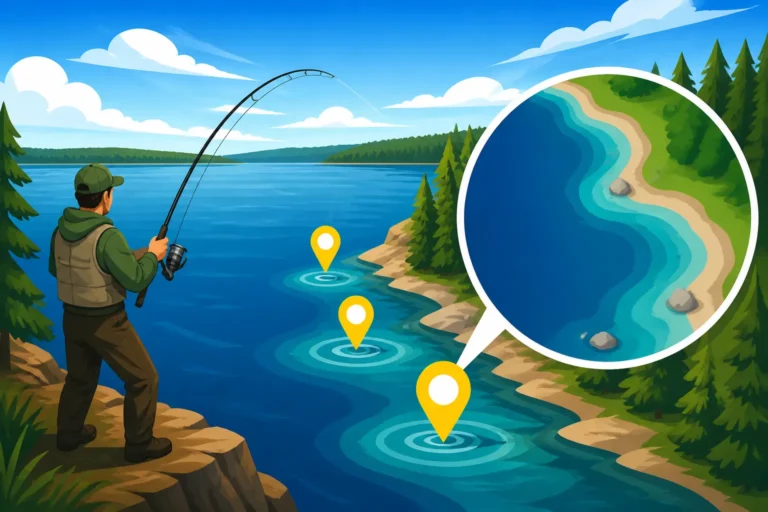
Beauvais Lake is nestled in the foothills of the Canadian Rockies, just west of Pincher Creek, making it a picturesque destination for any angler. It's a relatively small lake, which can be a huge advantage for those new to it, as it feels more manageable than some of Alberta's larger, sprawling waters. The lake itself is known for its clear, cold waters, a characteristic that largely dictates the types of fish that thrive here. You'll find a mix of bottom structures, from rocky areas near the dam to softer, muddier bottoms with emergent vegetation in shallower bays. The lake also features some subtle drop-offs and channels, particularly as you move further from the shorelines towards the central basin. These depth changes, even if slight, are critical in attracting and holding fish, especially as water temperatures fluctuate throughout the seasons. The maximum depth of Beauvais Lake hovers around 15-20 feet in its deepest sections, making it quite accessible for a variety of fishing methods without requiring highly specialized deep-water gear.
Target Species and Their Preferred Habitats
Beauvais Lake is primarily renowned as a put-and-take fishery for trout, specifically Rainbow Trout. Alberta Environment and Protected Areas actively stocks the lake, ensuring a healthy population for anglers. While Rainbow Trout are the main draw, you might also encounter Brook Trout, which are occasionally stocked or naturally reproducing in some feeder creeks. In some instances, depending on past stocking efforts or natural migration from connected waters, a Northern Pike or even Yellow Perch might make an appearance, though they are not the primary target species.
For Rainbow Trout, the clear, cool water of Beauvais Lake is ideal. They thrive where oxygen levels are high, and they love structure. This means you'll often find them cruising along weed lines, lurking near submerged rocks, or holding just off drop-offs where they can ambush smaller prey or insects. During warmer months, these trout will often seek out the deeper, cooler sections of the lake, making early morning or late evening fishing more productive in shallower areas. Understanding these preferences is key to success. For those interested in the broader regulatory framework, the Alberta Fishing License Guide for 2026 offers essential details on what you need before casting a line.
Top Fishing Spots on Beauvais Lake
Now that we've talked about what makes Beauvais Lake tick, let's dive into the specifics of where you'll want to focus your efforts. Each of these spots offers unique advantages and challenges, so be prepared to adapt your approach.
The Dam Wall and Southern Shoreline
The area around the dam wall on the southern end of Beauvais Lake is often a hotspot, particularly for shore anglers and those looking for easier access. This section tends to feature some of the lake's deeper water closest to shore, providing a cool sanctuary for trout, especially on warmer days. The dam structure itself creates currents and eddies, which concentrate baitfish and insects, making it an attractive feeding ground. Anglers here often have success casting a variety of lures, from small spoons to inline spinners, letting them sink a bit before retrieving. PowerBait, a staple for stocked trout, is also highly effective when fished on the bottom with a light sinker.
During the early spring, right after ice-off, the dam area can be incredibly productive as trout become more active and forage closer to shore. It's also a great spot for later in the season when the trout might be looking for those cooler, deeper pockets of water. Be mindful of snags as there can be underwater debris from past construction or erosion. If you're planning a trip and want to maximize your chances, a local guide booked through a service like FishingBooker might offer invaluable, up-to-the-minute advice on the best presentations for this specific spot.
Northern Bays and Weed Beds
As you move towards the northern and western shores of Beauvais Lake, you'll encounter shallower bays and more extensive weed beds. These areas are vital nurseries for aquatic insects and smaller fish, making them prime hunting grounds for predatory fish. While primarily a trout lake, if any pike or larger perch are present, this is where you're most likely to find them. For trout, these weed edges provide excellent cover and ambush points.
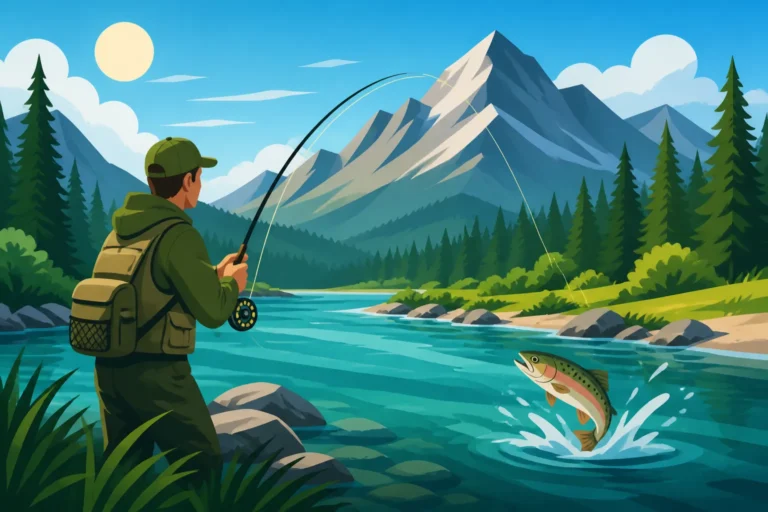
Fishing these northern bays requires a slightly different approach. Weedless lures, such as soft plastics rigged Texas-style or weedless spoons, are excellent choices for preventing snags. Fly anglers will find these areas particularly appealing, especially during insect hatches, as trout will rise to take flies off the surface. Casting small nymphs or streamers along the weed lines can also be highly effective. Early morning or late evening often sees increased activity in these shallower zones as fish feel more secure feeding under low light conditions. Keep an eye out for surface disturbances, which often indicate feeding fish.
Mid-Lake Drop-offs and Deeper Channels
For those with access to a boat or kayak, exploring the mid-lake drop-offs and any deeper channels is where you'll often find the largest, most elusive trout. These structures are not always obvious from shore, requiring a fish finder or careful mapping to locate. As temperatures rise in summer, trout retreat to the cooler, more stable temperatures found in deeper water. These drop-offs act as highways and holding areas for them.
Trolling is a very effective technique here, allowing you to cover significant ground and present lures at various depths. Small spoons, like a Willow Leaf or a Krokodile, or even a Rapala Minnow imitative lure, trolled behind a lead core line or with a downrigger, can entice bites from suspended trout. Jigging spoons or soft plastics directly over these deeper features can also be productive, especially if you spot fish on your sonar. Understanding how to interpret your fish finder and locate these subtle changes in depth is a game-changer for Beauvais Lake. You might even want to check out the Best Fish Finders for Alberta Lakes if you're serious about honing in on these deep-water fish.
Essential Techniques and Seasonal Considerations for Beauvais Lake
Fishing success is rarely just about where you go; it's also about how and when you fish. Beauvais Lake has its own rhythm, and understanding it will put more fish in your net.
Seasonal Fishing Strategies
Fishing Beauvais Lake effectively means adjusting your strategy with the seasons.
- Spring (Ice-Off to Early June): This is often the most exciting time. As the ice melts, trout become incredibly active, having been somewhat dormant all winter. They'll be found closer to shore, especially around the dam and shallow bays, gorging on newly available food. Spoons, spinners, and PowerBait are excellent choices. The Spring Trout Fishing Techniques for Alberta Streams guide can provide broader context for this active period.
- Summer (June to August): As water temperatures rise, trout move to deeper, cooler sections of the lake. Focus your efforts on the mid-lake drop-offs, trolling or deep jigging. Early mornings and late evenings will offer windows of opportunity for shallower fish, particularly in the northern bays. Fly fishing for rising trout during hatches can be exceptional during these twilight hours.
- Fall (September to November): The cooling water temperatures re-energize the trout, bringing them back into shallower areas for a pre-winter feeding frenzy. This can be another highly productive time, often yielding larger fish as they bulk up. Trolling and casting along weed edges and rocky points become effective again.
- Winter (December to March): Beauvais Lake transforms into a fantastic ice fishing destination. Trout remain active under the ice, and anglers use a variety of small jigs, spoons, and live bait (where permitted) to tempt them. Knowing the Ice Fishing in Alberta regulations and safety tips is paramount during this season. Always check ice conditions!
Recommended Baits and Lures
For Beauvais Lake's trout population, a varied tackle box will serve you well.
- For Rainbow Trout:
- Bait: PowerBait (chartreuse, rainbow, or garlic scents work well), worms (dew worms or mealworms), and corn. Fish these on a small hook with a light sinker, allowing them to sit on the bottom or drift just above it.
- Lures: Small inline spinners (Mepps Aglia, Panther Martin), spoons (Krocodile, Len Thompson Dimpled, Five of Diamonds), and small crankbaits (Rapala Countdown or Original Floater). Vary your retrieve speed and depth until you find what the fish are reacting to.
- Flies: If fly fishing, patterns like Woolly Buggers, Prince Nymphs, Hare's Ear Nymphs, and various dry flies (Adams, Elk Hair Caddis) during hatches. The Best Gear for Bow River Fly Fishing offers valuable insights into selecting appropriate fly tackle, even if the species differ slightly.
- For Northern Pike (if present): Larger spoons (Daredevil), spinnerbaits, and jerkbaits. Pike love aggressive presentations.
- For Yellow Perch (if present): Small jigs tipped with a piece of worm or grub.
Always remember to check the Alberta Fishing Regulations Explained before you go, as specific bait restrictions or gear limitations can apply to certain waters.
Access and Boating Tips
Beauvais Lake is very accessible, making it a popular choice for many anglers.
- Boat Launch: There is a public boat launch, making it easy to get your craft onto the water. Given the lake's size and relatively calm nature, smaller powerboats, jon boats, and especially kayaks are perfectly suited. For those considering a personal watercraft, exploring the Best Kayaks for Alberta Fishing might be a great starting point for finding a suitable vessel for Beauvais.
- Motor Restrictions: Always check current regulations regarding motor types and sizes, as many smaller Alberta lakes have restrictions, often limiting to electric motors only, to preserve water quality and minimize disturbance.
- Shore Fishing: With ample shoreline access, particularly near the day-use areas and campground, Beauvais Lake is fantastic for shore anglers. Walk the shoreline, observing for signs of fish activity or promising structure.
- Safety: Always wear a PFD, especially if boating alone, and be aware of weather changes. Even on smaller lakes, conditions can change quickly. Understanding Alberta Boating Laws for Anglers is crucial for a safe and legal outing.
Here's a quick summary of the prime spots and what to expect:
| Fishing Spot | Target Species | Best Techniques | Recommended Baits/Lures | Seasonal Focus | Accessibility |
|---|---|---|---|---|---|
| Dam Wall & South Shore | Rainbow Trout, Brook Trout | Casting & retrieving, bottom fishing, trolling | PowerBait, Worms, Small Spoons, Inline Spinners | Spring, Fall, Summer (early/late) | High (Shore & Boat) |
| Northern Bays & Weed Beds | Rainbow Trout, Brook Trout, Pike | Casting weedless lures, fly fishing, float fishing | Weedless Spoons, Soft Plastics, Nymphs, Dry Flies | Spring, Fall, Summer | Medium (Shore & Boat) |
| Mid-Lake Drop-offs | Rainbow Trout, Brook Trout | Trolling, deep jigging, still fishing deep | Small Spoons, Minnow Imitations, Jigging Spoons | Summer, Winter (Ice) | Boat (Fish Finder helpful) |
Beauvais Lake offers a truly enjoyable fishing experience for all skill levels. By understanding its unique characteristics and applying these strategies, you’re well on your way to a successful day on the water. If you ever find yourself struggling to locate a particular species or want a truly tailored experience, consider looking up a local guide; a service like FishingBooker can connect you with experienced professionals who know Beauvais Lake like the back of their hand. Tight lines out there!
Disclaimer
Please remember that fishing regulations, conditions, and fish populations can change. Always consult the most current Alberta Guide to Sportfishing Regulations before heading out. Safety should always be your top priority when enjoying the outdoors.