Best Kayak Fishing Spots in Alberta
For many anglers, the dream of silently gliding across crystal-clear water, casting to rising fish or stalking shallow-water predators, feels almost out of reach. We've all seen those stunning photos, but translating that vision into a real-life Alberta adventure can seem daunting, especially with so many large lakes and swift rivers. This guide is here to cut through the confusion and highlight the absolute best kayak fishing spots across our beautiful province, helping you unlock incredible angling experiences.
Why Kayak Fishing in Alberta is an Unbeatable Experience
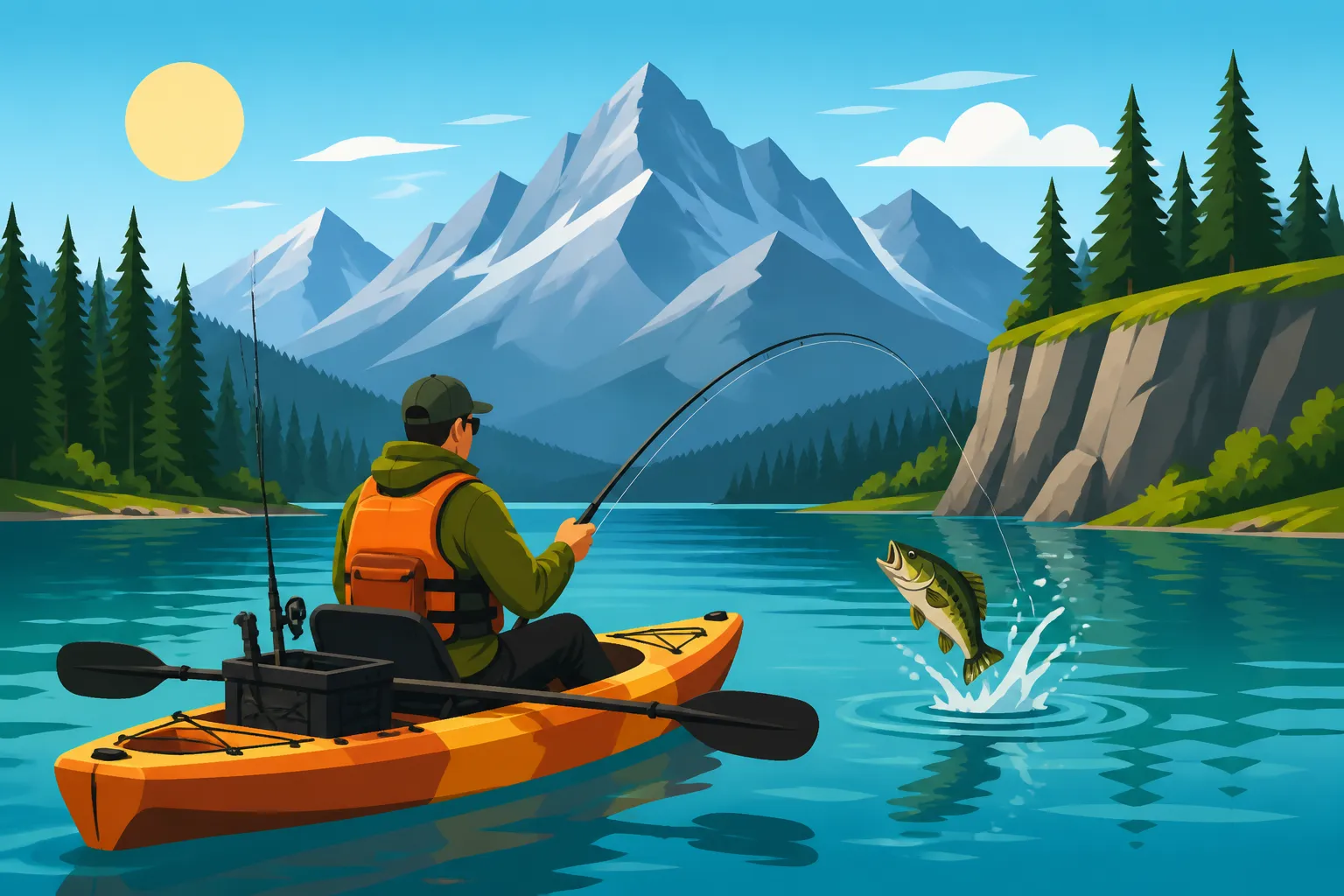
There's something uniquely rewarding about kayak fishing, isn't there? It’s not just about catching fish; it’s about the journey, the quiet, and the intimate connection you forge with the water. In Alberta, where we're blessed with such diverse fisheries, a kayak opens up a whole new world that bigger boats often can’t access, or simply disturb too much. Forget the roar of an outboard motor; with a kayak, it’s just you, your paddle, and the whisper of the wind.
The Undeniable Appeal of Stealth and Accessibility
One of the biggest frustrations for many anglers, especially on popular lakes, is the constant boat traffic and the difficulty of reaching those prime, secluded spots. That's where kayak fishing truly shines. The sheer stealth of a kayak allows you to approach wary fish in shallow bays, along weed lines, or in tight river bends without spooking them. You can slip into coves and channels that are completely inaccessible to larger powerboats, giving you access to untouched waters and often, undisturbed fish. Imagine paddling silently along the reedy edge of a small lake, casting into pockets you'd never reach from shore, or drifting through a calm river section, presenting a fly with surgical precision. This accessibility also means you don't need a boat launch or a huge truck to haul your vessel; many kayaks can be launched right from a shoreline or even a roadside pull-off, drastically simplifying your logistics.
Moreover, the low draft of a kayak means you can easily navigate skinny water, glidings over submerged logs or shallow flats where bigger boats would run aground. This is particularly advantageous in many of Alberta's rivers, which can have unpredictable depths and numerous obstacles. For instance, in areas like the lower Bow River, a kayak allows you to work the intricate braids and side channels that hold impressive trout, offering an experience that's both challenging and incredibly rewarding.
Connecting with Nature on a Deeper Level
Let's be honest, fishing isn't always just about the catch. It's about being outdoors, breathing fresh air, and escaping the hustle and bustle of daily life. Kayak fishing amplifies this connection to nature tenfold. Sitting mere inches above the water, you become part of the environment in a way that’s impossible from a larger boat or even the shore. You feel the subtle currents, hear the rustle of the leaves on the bank, and might even spot wildlife like deer drinking at the water's edge or an osprey diving for its own meal. It's a truly immersive experience that grounds you.
This deeper connection also fosters a greater appreciation for the delicate ecosystems we fish. The quiet nature of kayak fishing means less disturbance to wildlife and habitat, encouraging more responsible angling practices. You're not just a visitor; you're a temporary resident, moving through the water with minimal impact. This mindful approach can even lead to better fishing, as less disturbance often translates to more cooperative fish. Plus, the physical exertion of paddling, while not strenuous, adds another layer of satisfaction, knowing you've earned every cast and every moment of tranquility.
Top Lakes for Kayak Fishing Adventures
Alberta is home to countless lakes, each offering unique opportunities for kayak anglers. From vast expanses holding monster game fish to smaller, more intimate waters perfect for a peaceful paddle, there's something for everyone. We've selected a few of the best that truly stand out for kayak accessibility and fishing potential.
Lesser Slave Lake: Walleye and Pike Heaven
Lesser Slave Lake, located in north-central Alberta, is renowned as one of the province's premier fishing destinations, and it's absolutely fantastic for kayak anglers, especially if you're targeting walleye and northern pike. While its sheer size can be intimidating, the lake offers numerous protected bays, shallow points, and expansive weed beds that are perfect for kayak exploration. In these calmer areas, you can escape the larger boat traffic and focus on the incredible fishery.
The key to success here from a kayak is to focus on the structure close to shore. Early in the season, or during calmer days, you can hug the shoreline, casting into the weed lines and around fallen timber where pike ambush their prey. For walleye, look for drop-offs and transition zones between shallow and deeper water, especially around points and bays. Using a fish finder designed for kayaks can be a game-changer here, helping you locate these structures and schools of fish without disturbing them. Popular access points like Canyon Creek, Faust, and Widewater offer good launching spots and can lead you into productive waters. Remember to always check the local regulations for Lesser Slave Lake, as bag limits for species like walleye can vary by zone and year, or require a special harvest tag. If you're looking for expert local insights, sometimes even guides listed on platforms like FishingBooker specialize in specific lake sections or target species, and can offer valuable tips for kayak anglers.
Sylvan Lake: Convenient and Productive
Sylvan Lake, situated centrally between Edmonton and Calgary, offers an incredibly convenient yet highly productive kayak fishing experience. It's a popular recreational lake, but don't let that deter you. The trick for kayak anglers is to hit the water early, or focus on weekdays and the lake's many less-pressured areas. Sylvan is known for its healthy populations of northern pike, walleye, and even some perch, making it a great multi-species destination.
For pike, work the shallower bays and the extensive weed beds, particularly in the spring and fall. These areas are easily accessible by kayak and often hold some truly impressive fish. Walleye tend to relate to deeper structure during the day, but can move shallower to feed during low light conditions or under overcast skies. You can drift along the edges of the main basin or focus on the calmer inlets. Launching from the public beaches or smaller access points outside the main town area can give you a head start on the crowds. A portable fish finder can also be quite useful for identifying submerged structure or schools of baitfish on Sylvan Lake. With its relatively calm waters on most days and excellent infrastructure, Sylvan Lake is an ideal spot for both novice and experienced kayak anglers looking for a convenient and productive outing.
Cold Lake: Trophy Lake Trout Opportunities
For the adventurous kayak angler seeking a true challenge and the chance at a trophy, Cold Lake is an absolute must. Straddling the Alberta-Saskatchewan border, this deep, oligotrophic lake is famous for its massive lake trout. While paddling the entire lake is a feat for a seasoned kayaker, focusing on specific areas or protected bays can yield incredible results. Cold Lake is also home to large northern pike, whitefish, and burbot.
The key to kayak fishing Cold Lake for lake trout is to understand their behavior in deep, cold water. In spring and fall, when the water temperature is cooler, lake trout can be found shallower, making them more accessible to kayak anglers casting or trolling with deep-diving crankbaits or heavy spoons. During the summer, they retreat to the thermocline in deeper sections. Here, you'll need specialized kayak setups, such as those with downriggers or weighted lines, to get your lures to the right depth. However, the shallower bays and points still offer excellent pike fishing throughout the open water season. Launching from the various boat ramps around the lake, such as those near the city of Cold Lake or French Bay Provincial Park, can provide good starting points. Always keep an eye on weather conditions, as Cold Lake can become very rough very quickly due to its size. For serious trophy hunters, a trip to Cold Lake by kayak offers a unique and unforgettable angling experience.
Alberta's Best Rivers for Kayak Anglers
While lakes offer expansive waters, Alberta's rivers present a dynamic, ever-changing environment that can be incredibly rewarding for kayak anglers. The current adds a layer of challenge and excitement, allowing for different fishing techniques and providing new scenery around every bend.
The Mighty Bow River: A Trout Angler's Dream
The Bow River, particularly the stretch from Calgary downstream to Carseland, is world-renowned for its trophy rainbow and brown trout, and it's an absolute paradise for drift boat and, increasingly, kayak anglers. While some sections can be swift, many areas offer relatively calm flows perfect for controlled drifts in a kayak, allowing you to thoroughly work prime trout habitat.
Kayak fishing on the Bow allows you to intimately explore riffles, runs, deep pools, and cut banks that hold incredible fish. Fly fishing for trout on the Bow River from a kayak is an experience every angler should try. You can slowly paddle and wade specific sections, or simply drift with the current, casting to visible risers or indicator nymphing through productive runs. Access points are numerous, from various parks within Calgary to more rural spots like McKinnon Flats or Policeman's Flats. Before heading out, always check the river's flow rates and conditions; during high water events, certain sections can become very challenging. Understanding Alberta fishing regulations explained for specific zones and practicing safe wading techniques are paramount on this river. If you're new to the Bow, consider linking up with a local outfitter or even browsing FishingBooker for guides who offer float trips, as they can provide invaluable insights into river navigation and current fish patterns.
North Saskatchewan River: Urban and Wilderness Fishing
The North Saskatchewan River offers a remarkable dichotomy for kayak anglers, flowing from the pristine Rocky Mountains through the heart of Edmonton and then out into the prairie. This means you can find both remote wilderness fishing and surprisingly productive urban angling right within city limits, all accessible by kayak. The river is home to a diverse array of species, including northern pike, walleye, sauger, goldeye, burbot, and even some sturgeon (though they are strictly catch and release).
Kayak fishing allows you to work the numerous sandbars, log jams, and eddy lines that hold fish. Within Edmonton, sections like those accessible from Fort Edmonton Park or the many boat launches along the river provide easy access. You can drift through the city, enjoying a unique perspective of the skyline while targeting walleye and pike around bridge pilings and submerged structure. Further upstream or downstream from urban centers, the river offers a more wild experience, with quieter stretches and abundant wildlife. The flow can vary significantly with the seasons and rainfall, so always check the current conditions before launching. This river provides a fantastic opportunity to catch multiple species in a single outing, making it a versatile choice for any kayak angler.
Oldman River: Prairie River Adventures
The Oldman River, flowing through southern Alberta, offers a different but equally rewarding kayak fishing experience. While it may not have the same iconic reputation as the Bow, it provides excellent opportunities for trout, particularly brown trout and rainbow trout, as well as some mountain whitefish and pike in its lower sections. The river's character changes as it moves from the foothills onto the prairies, offering a variety of water types suitable for kayaks.
In the upper reaches, closer to the mountains, the river can be smaller and faster, requiring careful navigation but offering access to stunning scenery and eager trout. As it broadens and slows down further east, it becomes more amenable to longer kayak drifts. Here, you can target brown trout holding in deep cut banks, around fallen trees, and in the slower pools. The fishing pressure on the Oldman is often less intense than on more famous rivers, providing a more peaceful outing. Launching from bridge crossings or designated river access points along Highway 3 or secondary roads allows for good floats. Just like any river, current conditions and water levels are crucial to check beforehand. The Oldman River provides a genuine taste of prairie river fishing, where solitude and good fishing often go hand-in-hand for the dedicated kayak angler.
Smaller, Hidden Gems for Kayak Exploration
Beyond the major lakes and rivers, Alberta boasts a treasure trove of smaller, often overlooked waters that are perfectly suited for kayak fishing. These hidden gems can offer fantastic fishing, less pressure, and a more intimate experience with nature.
Stocked Ponds and Community Lakes: Easy Access and Action
For those days when you want a quick fishing fix without a long drive, or for introducing new anglers to the sport, Alberta’s numerous stocked ponds and community lakes are absolutely ideal for kayak fishing. Alberta Environment and Protected Areas regularly stocks many of these smaller bodies of water with rainbow trout, and sometimes even brook trout or tiger trout, ensuring consistent action. These ponds are often easily accessible, feature designated launch areas, and have minimal boat traffic (usually restricted to non-motorized vessels).
Places like those found in the Calgary or Edmonton pond networks, or many regional park lakes across the province, are perfect examples. They typically have plenty of shoreline structure, weed beds, and varying depths that trout love. A kayak allows you to get away from the shore-bound anglers, access those untouched pockets, and cast to rising fish with ease. The "Alberta Trout Season Opener Dates by Zone" is always an exciting time for these waters. Because these are often put-and-take fisheries, they offer excellent opportunities for beginners to hone their casting and fighting skills. Just remember to check the specific regulations for each pond, as some might have special catch limits or bait restrictions. For a low-stress, high-reward kayak fishing outing, you can't go wrong with one of Alberta’s many stocked ponds.
Kananaskis Country Lakes: Mountain Serenity
If you're looking for a truly breathtaking backdrop to your kayak fishing adventure, the lakes of Kananaskis Country are unparalleled. Nestled amidst the majestic Rocky Mountains, these lakes offer stunning scenery, crystal-clear water, and excellent fishing for various trout species. While some of these lakes are larger, many have no motor restrictions or are designated for non-motorized use, making them perfect for kayaks.
Lakes like Lower Kananaskis Lake, Upper Kananaskis Lake, Chester Lake, or even the smaller Rawson Lake (though a hike-in) provide opportunities for rainbow trout, cutthroat trout, and sometimes even bull trout (which are catch and release only). The calm, reflective waters in the early morning or late evening are a kayaker's dream, allowing for silent approaches to rising fish. The challenges here often involve the weather, which can change rapidly in the mountains, and potentially colder water temperatures, even in summer. However, the rewards – the solitude, the pristine environment, and the beauty of catching a vibrant trout against a mountain backdrop – are immeasurable. Consulting a "Kananaskis Country Fishing Guide" can provide specific details on species and regulations for each lake. Remember to pack appropriate safety gear, dress in layers, and be prepared for backcountry conditions when venturing into these stunning mountain fisheries.
Essential Gear and Safety for Kayak Fishing in Alberta
Embarking on a kayak fishing trip in Alberta is an incredible experience, but it’s crucial to be prepared with the right gear and, most importantly, a solid understanding of safety protocols. Alberta's waters can be unpredictable, and being ready for anything will ensure your adventure is both enjoyable and secure.
Must-Have Kayak Gear and Modifications
The right kayak setup can make all the difference in your fishing success and comfort. First and foremost, you'll need a fishing-specific kayak. These usually feature stable hulls, ample storage, and accessory tracks for mounting gear. Brands like Old Town, Hobie, and Perception offer excellent models designed for anglers. A good paddle is non-negotiable – lightweight and efficient, ideally with a leash so you don't lose it if you drop it. For hands-free fishing, especially on lakes, a pedal-drive kayak can be a game-changer, allowing you to maintain position or slowly troll while casting.
Beyond the kayak itself, consider these essential modifications and accessories:
- PFD (Personal Flotation Device): This isn't just a recommendation; it's a legal requirement and your most important piece of safety gear. Choose a comfortable fishing PFD with plenty of pockets. Check out the Life Jacket Requirements for Alberta Boaters for full details.
- Anchor System: A small anchor (grappling or drag anchor) with a trolley system allows you to hold position in current or wind without drifting into undesirable areas.
- Rod Holders: Essential for holding multiple rods, trolling, or simply securing your rod while paddling.
- Dry Bag: Keep your phone, wallet, keys, and any electronics safe and dry.
- Cooler/Storage: A small cooler or insulated bag for drinks, snacks, and keeping your catch fresh.
- Fish Finder: A portable fish finder can dramatically improve your success, helping you locate structure and fish schools. Many modern units are designed specifically for kayaks. Learn more in Best Fish Finders for Alberta Lakes.
- Landing Net: A good net, especially one with rubberized mesh, is vital for safely landing and releasing fish. Make sure it's long enough to reach the water from your kayak.
When it comes to the "Best Kayak for River Fishing in Alberta" or the "Best Kayak for Lesser Slave Lake," it truly depends on personal preference and the specific conditions you'll encounter. A stable sit-on-top kayak is generally preferred for fishing due to ease of entry/exit and stability.
Prioritizing Safety on Alberta Waters
Safety should always be your top priority. Alberta's waters, especially the larger lakes and rivers, can be unpredictable. Rapidly changing weather, cold water temperatures, and strong currents pose real risks.
Here’s a checklist to ensure a safe trip:
- Wear Your PFD: Always, without exception. This is not optional.
- Check the Weather: Before you go and while you're on the water, monitor forecasts for wind, storms, and temperature changes. Lakes like Cold Lake can develop dangerous waves quickly.
- Dress for the Water, Not the Air: Even on a warm day, if you fall in, the water can be shockingly cold. Dress in layers of synthetic or wool clothing; avoid cotton, which offers no insulation when wet. Waders are great, but understand their limitations and potential hazards if you capsize.
- File a Float Plan: Tell someone where you're going, your planned route, and when you expect to return.
- Communication Device: Carry a fully charged cell phone in a waterproof case, or better yet, a marine radio or satellite messenger for areas with no cell service.
- Whistle/Signaling Device: A whistle is legally required and essential for attracting attention.
- First Aid Kit: A basic waterproof kit for minor injuries.
- Know Your Limits: Don't venture into conditions beyond your skill level. If the wind picks up or the current looks too strong, err on the side of caution.
Understanding Alberta Boating Laws for Anglers is crucial, as kayak anglers are subject to many of the same rules as other boaters, particularly concerning safety equipment.
Planning Your Trip and Checking Conditions
Thorough planning is the foundation of a successful and safe kayak fishing trip in Alberta. This means more than just deciding where to go; it involves understanding the specific conditions and regulations of your chosen spot.
- Research Your Location: Before you even load your kayak, research the specific body of water. What species are present? What are the depths and structures? Where are the best launch and take-out points? Are there any specific hazards like rapids or strong currents?
- Understand Regulations: Always consult the current "Alberta Guide to Sportfishing Regulations" before you head out. These regulations change annually and can be highly specific to certain water bodies and species, including daily limits, possession limits, and special harvest licenses (like the Alberta Walleye Special Harvest Licence Program). You'll also need a valid Alberta Fishing License Guide for 2026 and a WIN card.
- Check Water Levels and Flow: For river fishing, websites like the Alberta Environment and Protected Areas provide real-time water levels and flow rates, which are crucial for safe navigation and understanding fish behavior.
- Access and Logistics: Plan your entry and exit points. If you're doing a river float, arrange for a shuttle or have a second vehicle. Consider parking accessibility and any fees.
- Consult Local Experts: Don't hesitate to ask local tackle shops, fishing forums, or even guides on platforms like FishingBooker for up-to-date information on current conditions and hot spots. They often have invaluable insights that can make your trip much more productive and enjoyable.
By taking the time to plan, prepare your gear, and prioritize safety, your kayak fishing adventures in Alberta will be filled with memorable catches and breathtaking scenery.
Table: Popular Alberta Kayak Fishing Spots Comparison
Here's a quick overview of some of the fantastic kayak fishing spots we've discussed, highlighting their key features for anglers.
| Location | Primary Species | Kayak Suitability | Key Features for Kayakers | Best Time to Fish | Notes |
|---|---|---|---|---|---|
| Lesser Slave Lake | Walleye, Northern Pike, Burbot | Excellent (bays/shorelines) | Extensive shallow bays, weed beds, protected areas | Spring, Summer (calm days), Fall | Can be very windy; focus on protected areas. |
| Sylvan Lake | Northern Pike, Walleye, Perch | Excellent (general access) | Good launch facilities, diverse fish populations, central location | Spring, Early Summer, Fall | Busy recreational lake; go early or weekdays. |
| Cold Lake | Lake Trout, Northern Pike, Whitefish | Challenging (trophy hunting) | Deep, clear water; large lake trout; some protected bays | Spring (shallower LT), Fall, Ice | Requires cold water gear; check weather constantly. |
| Bow River (Calgary-Carseland) | Rainbow Trout, Brown Trout | Excellent (drift/wade) | World-class trout fishery, varied runs/pools, urban access | Spring, Summer, Fall | Requires current awareness; check flow rates. |
| North Saskatchewan River | Walleye, Pike, Sauger, Goldeye | Good (urban & wilderness) | Diverse species, sandbars, log jams, multiple launch options | Spring, Summer, Fall | Flow rates vary; check conditions. |
| Oldman River | Brown Trout, Rainbow Trout, Pike | Good (varied sections) | Less pressure, scenic prairie & foothills sections | Spring, Summer (upper), Fall | Best for those seeking solitude; conditions vary by section. |
| Stocked Ponds | Rainbow Trout, Brook Trout | Excellent (easy access) | High catch rates, family-friendly, often non-motorized only | Spring (opener), Summer, Fall | Check specific pond regulations and stocking schedules. |
| Kananaskis Lakes | Rainbow Trout, Cutthroat Trout | Excellent (scenery/solitude) | Stunning mountain views, clear water, less motorized traffic | Summer (cooler sections), Fall | Rapid weather changes; cold water; backcountry preparedness. |
Disclaimer
The information provided in this guide is for general informational purposes only and is not intended as legal or professional advice. Fishing regulations, conditions, and access points in Alberta can change frequently. Always consult the most current Alberta Guide to Sportfishing Regulations and local authorities before planning any fishing trip. Safety should always be your number one priority on the water.