Lake Athabasca Fishing Guide
Dreaming of casting a line into a truly wild, expansive body of water, perhaps hooking into a giant lake trout that could be the fish of a lifetime? Lake Athabasca offers that exact kind of rugged, unforgettable fishing experience, but its sheer size and remote nature can make planning your adventure feel like an expedition in itself. This comprehensive guide aims to arm you with the knowledge and confidence needed to tackle the challenges and seize the incredible opportunities that await anglers on this majestic northern lake.
Lake Athabasca's Unique Character and Challenges
Lake Athabasca isn't just a lake; it's an inland sea, a vast and wild ecosystem that demands respect and thorough preparation from any angler. Straddling the border between northern Alberta and Saskatchewan, its immense size, diverse geography, and remote location present both unparalleled fishing opportunities and significant logistical challenges.
Geography, Size, and Water Conditions
Lake Athabasca is the eighth-largest lake in Canada and the fourth-largest wholly within its borders (though it technically touches both provinces). Its statistics alone are enough to make an angler pause: over 7,850 square kilometers (3,030 sq mi) of surface area, stretching roughly 283 kilometers (176 mi) long and 50 kilometers (31 mi) wide at its broadest point. This isn't your average local pond; it's a monumental body of water.
What makes it truly fascinating for fishing is its varied geography. The western end, particularly on the Alberta side, is characterized by the Athabasca River Delta, a sprawling network of shallow channels, marshes, and backwaters where the mighty Athabasca River empties into the lake. This creates a rich, fertile environment for various fish species, offering a stark contrast to the deeper, colder, and often clearer waters found further east. You'll encounter a mix of rocky shoals, expansive sandy beaches, and dense aquatic vegetation, depending on where you drop anchor. The water itself can range from the tannin-stained, nutrient-rich flow of the delta to the gin-clear, deep blue of the main lake basin, each demanding different approaches and gear.
The Sheer Scale and Remote Nature
One of the biggest "frustrations" or challenges for anglers considering Lake Athabasca is its sheer, undeniable remoteness and scale. This isn't a lake you just drive to for a quick weekend trip from Edmonton or Calgary, at least not the prime fishing areas. Access often requires significant travel, whether it's by float plane to a remote lodge, a long drive followed by a boat journey across vast expanses, or even navigating winter roads if you're venturing up for ice fishing.
The remoteness means that services are few and far between. There are no tackle shops on every corner, no readily available fuel stations in many areas, and cell service is often non-existent once you're out on the main lake. This lack of infrastructure means self-sufficiency is paramount. You need to carry everything you need – from extra fuel and repair kits to all your food, water, and emergency supplies. For many, this isolation is precisely the allure – the chance to truly disconnect and experience fishing in an untouched wilderness. For others, it’s a daunting prospect that requires careful planning and often the assistance of experienced outfitters.
Getting There and Around: Access Points and Boating Considerations
Accessing and navigating Lake Athabasca is a journey in itself, one that requires careful planning and a healthy respect for the wilderness. Unlike more accessible lakes, getting to Lake Athabasca's prime fishing grounds involves specific routes and methods.
Major Access Points and Travel
For those venturing to the Alberta side of Lake Athabasca, the primary access point is often through the small, historic community of Fort Chipewyan. Getting to Fort Chipewyan is not straightforward; it's mainly accessible by air via scheduled flights from Fort McMurray, or by winter road during the coldest months when the ground is frozen solid. There is limited summer barge access from Fort McMurray as well, primarily for freight.
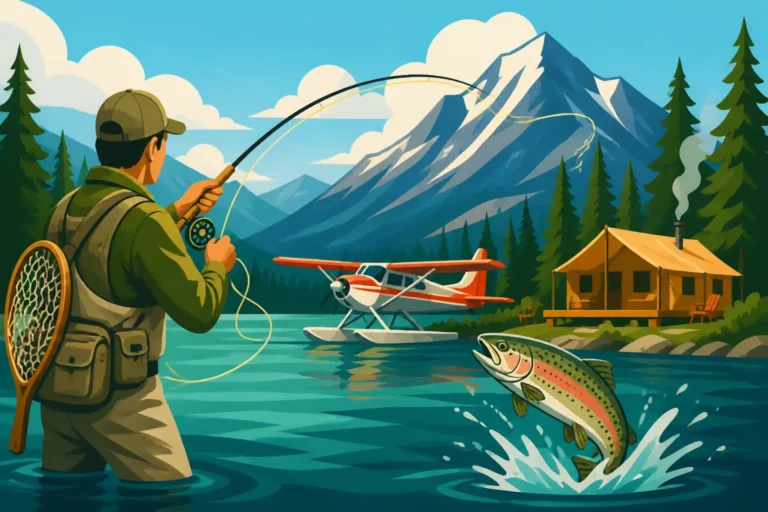
If you're planning a trip, many anglers opt for package deals with fly-in lodges operating out of communities like Fort McMurray, or even from as far as Yellowknife or Edmonton. These lodges typically arrange charter flights directly to their remote camps, often located on islands or secluded bays that offer immediate access to prime fishing waters. This method, while more costly, greatly simplifies the logistical nightmare of transporting gear and navigating the vastness. For those with their own boats and a serious adventurous spirit, launching from Fort Chipewyan and venturing out can be an option, but it requires a robust vessel, extensive navigational skills, and a comprehensive understanding of the lake's conditions.
Boating on a Massive, Unpredictable Lake
Boating on Lake Athabasca is not for the faint of heart, or for inexperienced operators. This massive lake can turn from calm to treacherous in a matter of minutes, with strong winds whipping up formidable waves that can easily capsize smaller vessels. It truly behaves more like an ocean than an inland lake. You need a sturdy boat, preferably one over 18-20 feet with a deep V-hull, capable of handling rough water. Dual engines or a reliable kicker motor are also highly recommended for safety, given the vast distances and remoteness.
Navigation is another critical aspect. While the main basin is large, the Athabasca River Delta is a maze of channels, sandbars, and shallow areas that can easily ground an unsuspecting boat. A reliable GPS system with detailed charts is absolutely essential. Many experienced anglers and guides also recommend carrying a satellite phone or a two-way satellite communicator (like a Garmin inReach or a Zoleo) for emergency communication, as cell service is non-existent over most of the lake. Before heading out, make sure you understand the current conditions and forecasts. Paying close attention to Alberta Boating Laws for Anglers and ensuring your vessel meets all safety requirements, including Life Jacket Requirements for Alberta Boaters, is non-negotiable.
Navigating the Delta and River Systems
The Athabasca River Delta, where the Athabasca River spills into the lake, is a unique and challenging environment. This vast, marshy area is critical habitat for many species, including migratory birds and, of course, fish. While the main lake offers deep water for trophy lake trout, the delta system is a prime location for northern pike and walleye.
Navigating the delta requires local knowledge or a very keen eye for depth changes and hidden channels. Water levels can fluctuate, exposing new hazards. It’s an area where slow and steady wins the race, and where a good shallow-water anchor system can be invaluable if you plan to explore the back channels. The transition zones where the rivers meet the lake can be incredibly productive, as baitfish are funneled through these areas, attracting larger predators. These areas are quite distinct from the main lake and offer a completely different fishing experience, often requiring different tactics and gear. Understanding these diverse environments is key to unlocking Lake Athabasca's full potential. Exploring segments of the Best Fishing Rivers in Alberta can give you a taste of what to expect in these riverine environments.
Top Fish Species to Target in Lake Athabasca
Lake Athabasca is a diverse fishery, boasting a range of species that thrive in its varied habitats. While the lake is renowned for a few headline-grabbing fish, anglers can find success targeting several different species depending on the season and location.
Giant Lake Trout: The King of Athabasca
Without a doubt, Lake Athabasca is most famous for its incredible lake trout fishing. This is where anglers come to chase true monsters, fish that often tip the scales well into the 30-, 40-, and even 50-pound range, with the potential for even larger specimens. The deep, cold, oxygen-rich waters of the main lake basin provide the perfect habitat for these apex predators to grow to colossal sizes.
Lake trout here are typically caught by trolling deep with large spoons, plugs, or even downriggers, especially during the warmer summer months when they retreat to the cooler thermocline layers. In spring, shortly after ice-out, they can often be found shallower, cruising rocky points and submerged reefs, making them accessible to casting with heavy spoons or large swimbaits. The sheer power of these fish is legendary; a battle with a 30-pound Athabasca laker can feel like trying to reel in a submarine. For more detailed insights on how to tackle these incredible fish, a deep dive into Lake Trout Fishing in Alberta is highly recommended, as many of those principles apply here on an epic scale.
Northern Pike: Aggressive Predators of the Shallows
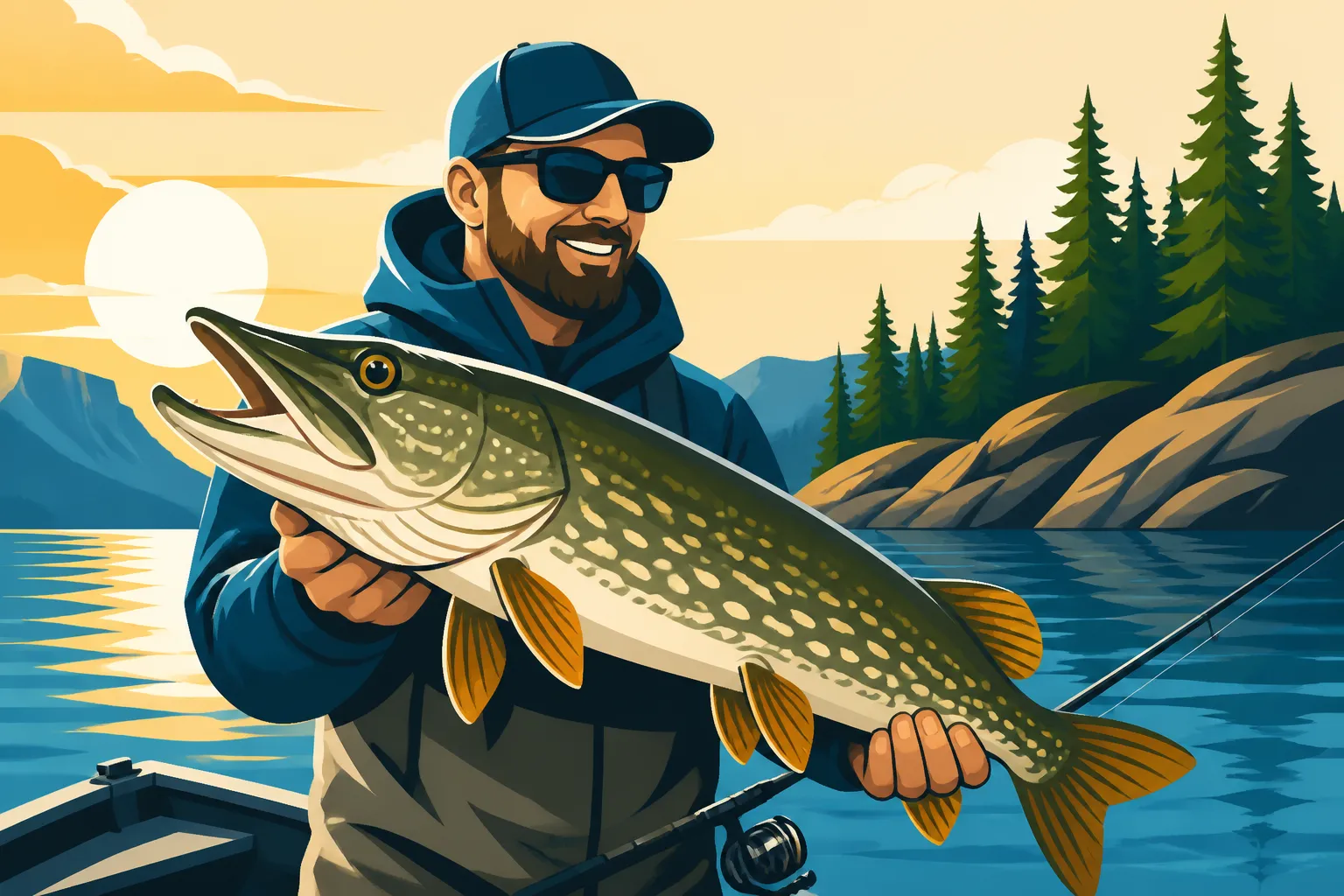
While lake trout steal the show, northern pike fishing on Lake Athabasca is equally phenomenal, particularly in the shallower, weedy bays and the expansive Athabasca River Delta. These waters provide abundant forage and ideal ambush cover for pike, allowing them to grow to impressive sizes, with many fish regularly caught in the 15-25 pound range, and true trophy pike exceeding 30 pounds not uncommon.
Pike fishing here is an adrenaline rush. They are aggressive feeders, readily striking a variety of lures, from large spoons and spinnerbaits to topwater plugs and huge jerkbaits. Targeting them around weed beds, submerged timber, and the edges of current seams in the delta can be incredibly productive. Unlike the deepwater game of lake trout, pike fishing often involves sight-casting in shallower water, offering thrilling visual strikes. For those looking to master the art of catching these toothy critters, our guide on Northern Pike Fishing in Alberta offers excellent strategies that can be scaled up for Athabasca's giants.
Walleye and Other Species
Beyond the big two, Lake Athabasca also supports a healthy population of walleye, particularly in the nutrient-rich delta region and where tributary rivers flow into the lake. These fish, while not reaching the same headline-grabbing sizes as their southern Alberta counterparts, still offer excellent sport and even better table fare. Walleye here often congregate in the turbid waters of the river mouths and main channels of the delta, feeding on abundant baitfish.
Anglers targeting walleye will find success using classic techniques such as jigging with soft plastics or live bait, trolling crankbaits, or drifting with a bottom-bouncer and a crawler harness. Early morning and late evening bites are often the most productive. The walleye fishing on the Alberta side of the delta can be quite challenging due to the vastness, but the rewards can be significant for persistent anglers. For those curious about the broader walleye fishery in the province, checking out Walleye Fishing in Alberta can provide useful context and techniques.
Other species that can be encountered include Arctic grayling in the clearer river systems feeding the lake, lake whitefish, and burbot, especially during the winter ice fishing season. While not typically the primary target, catching these additional species adds to the diversity and excitement of an Athabasca angling adventure.
| Species | Primary Habitat | Best Season | Typical Tackle | Average Size (lbs) | Trophy Potential (lbs) |
|---|---|---|---|---|---|
| Lake Trout | Deep, cold main lake basin, rocky shoals | Summer, Spring | Large spoons, plugs, downriggers, heavy swimbaits | 15-25 | 40+ |
| Northern Pike | Shallow, weedy bays, river delta | Summer, Spring | Large spoons, spinnerbaits, jerkbaits, topwater | 10-20 | 30+ |
| Walleye | River mouths, delta channels, turbid areas | Summer | Jigs, crankbaits, bottom-bouncers with live bait | 2-5 | 8+ |
| Lake Whitefish | Main lake basin, shallower shoals | Summer, Fall | Small jigs, spoons, flies, bottom rigs | 2-6 | 10+ |
| Burbot | Deep mud flats, rocky structures | Winter (ice), Night | Jigs tipped with bait, glow lures | 3-8 | 15+ |
Seasonal Strategies for Success on Lake Athabasca
Lake Athabasca offers distinct fishing opportunities throughout the open water season, with each period presenting its own set of challenges and rewards. Understanding these seasonal shifts is crucial for maximizing your chances of success.
Spring: Ice Out and Early Season Action
The period immediately following ice-out, typically late May to early June, is a truly magical time on Lake Athabasca. As the ice recedes, the water begins to warm, drawing baitfish and their predators into shallower waters. This is often when some of the most accessible and explosive fishing occurs.
For lake trout, the early season means they haven't yet retreated to the extreme depths they inhabit in summer. You can often find them cruising rocky points, underwater islands, and even shallower bays where they pursue ciscoes and other baitfish. Casting large spoons, heavy jigs, or big swimbaits into these areas can be incredibly effective. The key is to cover water and look for structure that warms up faster, creating feeding zones. Northern pike are also incredibly active during this time, gorging themselves after the long winter. They'll be found in the still-chilly shallows of bays, especially those with emerging weed growth, ready to ambush anything that swims by. Large spinnerbaits, spoons, and suspending jerkbaits worked slowly can produce violent strikes. This is a time when the fish are often aggressive and relatively concentrated, making it a fantastic opportunity for anglers willing to brave the often-unpredictable spring weather.
Summer: Prime Time for Deepwater and Pike
As summer progresses and water temperatures rise, usually from mid-June through August, the fishing shifts. The shallow waters warm considerably, driving the large lake trout into the deeper, cooler parts of the main lake basin. This is when downrigging and deep-water trolling techniques become essential. Anglers will target depths from 60 to over 150 feet, depending on the structure and thermocline, using large spoons, deep-diving crankbaits, or even substantial live bait presentations (where legal).
While the lake trout go deep, the northern pike remain dominant in the shallower, weedy areas and the Athabasca River Delta. As the weeds become fully developed, pike use them as prime ambush cover. Topwater lures, large soft plastics, and heavy spinnerbaits fished over and around these weed beds can be incredibly exciting. Walleye fishing also picks up significantly during the summer, particularly in the delta and river mouth areas where the flowing water offers cooler temperatures and a constant supply of forage. Jigging the current seams, trolling small crankbaits, or working bottom bouncers with worms or minnows are reliable methods. Planning your summer trip around the Alberta Fishing Season Dates by Zone can help ensure you're targeting species when they're most active and regulations allow.
Fall: Trophy Hunts and Transition Periods
Autumn on Lake Athabasca, typically September through October before freeze-up, offers a distinct and often productive fishing experience, especially for trophy hunters. As water temperatures begin to cool, the lake trout once again move shallower, often preparing for their fall spawn. This makes them more accessible to casting and even fly fishing in certain areas. Large streamers, heavy spoons, and big swimbaits can entice aggressive strikes from giant lakers bulking up for winter.
Northern pike also remain active, feeding heavily as they sense the approaching cold. They can be found in similar shallow, weedy areas as summer, but might also move to rocky points or drop-offs that offer easy access to deeper water. This is often the time when you have the best chance at a truly colossal pike, as they are at their heaviest. Walleye fishing in the delta can also remain strong, as they too feed aggressively before the winter freeze. The fall colours against the northern landscape add another layer of beauty to an already incredible fishing experience, though anglers must be prepared for rapidly changing weather conditions and increasingly shorter daylight hours. This is also a fantastic time to connect with local guides, many of whom are listed on platforms like FishingBooker, for their expertise in tracking down these pre-winter giants.
Essential Gear and Techniques for Athabasca Anglers
Fishing Lake Athabasca is a serious endeavor that calls for serious gear. Its immense size and the potential for truly massive fish mean that your tackle box and boat must be up to the task. Skimping on quality here can lead to heartbreak.
Heavy-Duty Tackle for Big Fish
When targeting Lake Athabasca's legendary lake trout and northern pike, you simply cannot arrive with ultralight setups. You'll need robust rods, reels, and lines designed to handle large, powerful fish that often fight dirty.
For lake trout, especially if you're trolling with downriggers or heavy weights, look for stout medium-heavy to heavy power trolling rods, typically 7-9 feet in length, paired with conventional reels spooled with 30-50 lb braided line, backed by a significant amount of monofilament for stretch and shock absorption. The sheer depth often requires hundreds of feet of line, so line capacity is crucial. Leaders should be heavy fluorocarbon, 20-40 lb test, to withstand the abrasion of rocky structure and the power of a fighting fish. Lures can include large spoons (like Northern King or Williams Warbler), magnum crankbaits, and substantial swimbaits.
For northern pike, a medium-heavy to heavy action casting or spinning rod, 6'6" to 7'6" long, paired with a reliable baitcasting or large spinning reel, is ideal. Spool up with 40-65 lb braided line, especially if fishing around heavy cover. Pike have razor-sharp teeth, so a steel or heavy fluorocarbon leader (80-100 lb test) is absolutely mandatory to prevent bite-offs. Popular pike lures include oversized spoons, big spinnerbaits (1 oz+), large soft plastic swimbaits, and substantial topwater frogs or walk-the-dog baits for exciting shallow-water action. Even for walleye in the delta, a medium-heavy spinning setup is often preferred due to the potential for an incidental monster pike.
Electronics and Navigation Tools
Given the vastness and often featureless appearance of Lake Athabasca, modern marine electronics are not just helpful; they are essential. A reliable GPS unit with up-to-date mapping software is critical for navigation, especially when traversing large distances or exploring the intricate channels of the delta. You'll want to mark productive waypoints, safe routes, and potential hazards.
Equally important is a high-quality fish finder or sonar unit. Side imaging and down imaging technologies can be invaluable for locating submerged structure, baitfish schools, and even individual game fish in the deep, clear waters where lake trout reside. Understanding how to interpret your sonar readings can mean the difference between an empty livewell and a banner day. For insights on what to look for, our guide on the Best Fish Finders for Alberta Lakes can provide excellent baseline knowledge, though you'll want robust, high-power units for Athabasca's depths. Furthermore, since navigation can be challenging, carrying paper charts as a backup to your electronic systems is a wise decision, particularly in areas like the Athabasca River Delta where satellite signals can sometimes be less reliable.
Safety Equipment is Non-Negotiable
The remote and wild nature of Lake Athabasca means that safety should be your absolute top priority. There are no quick rescues out here, and weather can change dramatically without warning. Beyond the legally required safety equipment (which you can review in articles like Alberta Boating Laws for Anglers), consider additional items specifically for wilderness travel.
A satellite phone or a personal locator beacon (PLB) is highly recommended for emergency communication. Standard cell phones will be useless in most areas. Always carry extra fuel, oil, and a basic tool kit for minor boat repairs. A comprehensive first-aid kit, emergency food and water supplies, and warmth-retaining gear (even in summer) are also crucial. Tell someone your float plan, including your intended route and return time. Wearing a properly fitted life jacket at all times on the water is not just a rule; it's common sense on a lake that can swallow boats whole. Reputable outfitters, many of whom you can find on sites like FishingBooker, will emphasize these safety protocols and ensure their guests are well-prepared for the environment. Remember, preparation and caution are your best companions on Lake Athabasca.
Navigating Regulations and Conservation on Lake Athabasca
Fishing on Lake Athabasca isn't just about battling big fish; it's also about understanding and respecting the unique regulatory framework and conservation efforts in place. Because the lake straddles two provinces, anglers need to be particularly diligent about licenses and limits.
Alberta and Saskatchewan Jurisdictions
One of the most critical aspects of fishing Lake Athabasca is recognizing its dual provincial jurisdiction. The western portion of the lake falls under Alberta's regulations, while the eastern part is governed by Saskatchewan's rules. This means that if you plan to fish across the provincial boundary, you must possess a valid fishing license for both Alberta and Saskatchewan. Fishing without the correct license in either jurisdiction can lead to significant fines and penalties, as outlined in guides like Fishing Without a License in Alberta Penalties.
It's absolutely essential to consult the latest sportfishing regulations guides for both Alberta and Saskatchewan before your trip. These guides, usually available online through the respective provincial government websites, detail species-specific limits, season dates, bait restrictions, and special regulations that might apply to certain zones or even specific bays within the lake. Do not assume that regulations are consistent across the provincial line; they are often quite different. Familiarizing yourself with the Alberta Fishing Regulations Explained is a great starting point for the Alberta side.
Catch and Release Practices and Limits
Lake Athabasca's world-class fishery, especially for trophy lake trout and northern pike, relies heavily on responsible angling practices. While there are often opportunities for selective harvest, many anglers choose to practice catch and release, particularly for the largest, oldest fish which are crucial for the health of the population.
Regulations for species like lake trout and northern pike often include specific slot limits or reduced possession limits for larger fish, reflecting their value as breeding stock. For example, you might be allowed to keep smaller fish but have a zero possession limit on fish over a certain size. Always check the current regulations for the specific area you plan to fish. When practicing catch and release, especially for large, powerful fish, ensure you have the right tools: large, rubberized landing nets to protect fins and slime coat, long-nosed pliers or forceps for easy hook removal, and a camera ready for a quick photo before returning the fish to the water. Minimize air exposure, support the fish horizontally, and revive it gently before release. Even seemingly robust species like northern pike benefit greatly from careful handling.
Conservation Efforts and Responsible Angling
The pristine nature of Lake Athabasca's fishery is a result of both its remoteness and ongoing conservation efforts. Anglers have a vital role to play in maintaining this delicate balance. Beyond adhering strictly to all regulations, responsible angling includes several key practices.
This involves proper waste disposal – pack it in, pack it out, and leave no trace. Avoid introducing invasive species by cleaning your boat and gear thoroughly before and after your trip. Respect wildlife and other users of the lake, including local Indigenous communities who have a deep historical and cultural connection to these waters. Understanding the ecosystem and the vulnerability of long-lived species like giant lake trout encourages a conservation-minded approach. Engaging with outfitters and guides, especially those found through platforms like FishingBooker, often means you're supporting businesses that prioritize sustainable fishing practices and actively contribute to the health of the fishery. Their expertise not only helps you catch fish but also ensures you fish responsibly.
Planning Your Trip: Accommodations, Guides, and Safety
A successful Lake Athabasca fishing trip requires meticulous planning, from securing lodging to navigating the logistics of a remote wilderness adventure. For most, this isn't a spur-of-the-moment decision but a carefully orchestrated journey.
Choosing a Reputable Outfitter or Guide
For many anglers, especially those new to Lake Athabasca, employing the services of a reputable outfitter or guide is not just a convenience, but a necessity. The sheer size of the lake, its remote nature, and the specialized knowledge required to effectively fish its waters make a guided trip an excellent investment. A good guide will provide:
- Logistical Support: Arranging flights, boat transport, and camp services.
- Local Knowledge: Knowing where the fish are biting, which techniques are working, and how to navigate safely.
- Safety Expertise: Understanding weather patterns, emergency protocols, and having the necessary safety equipment.
- Specialized Gear: Providing appropriate heavy-duty rods, reels, and tackle for the unique demands of the lake.
When choosing an outfitter, do your research. Look for established operations with a strong track record, positive reviews, and a commitment to conservation. Ask about their experience on Lake Athabasca specifically, their safety protocols, and what is included in their packages. Platforms like FishingBooker can be an excellent resource for finding experienced guides and reading reviews from other anglers, giving you peace of mind before you commit. Remember, an experienced guide is often the key to both a safe and successful trip.
Lodging and Remote Camp Options
Accommodation options on Lake Athabasca are limited and largely fall into two categories: very basic lodging in the community of Fort Chipewyan, or all-inclusive stays at remote fishing lodges.
Remote Fishing Lodges: These are the most popular choice for dedicated anglers. Typically fly-in operations, these lodges offer comfortable (though often rustic) cabins, delicious meals, guided fishing boats, and sometimes even amenities like hot showers or satellite internet (though often limited). They provide a turnkey solution, handling most of the logistics from the moment you arrive at a staging city. Expect to pay a premium for these experiences, but the value often lies in the access to prime fishing, the expertise of the guides, and the safety net provided in such a remote location. These lodges are strategically located near prime fishing grounds for lake trout or northern pike, maximizing your time on the water.
Fort Chipewyan: For those looking for a more independent or budget-conscious trip, staying in Fort Chipewyan and arranging your own boat and guide might be an option. However, infrastructure is limited, and accommodations are sparse. You would need to arrange all your own provisions, understand boat launching and storage, and be completely self-sufficient for your time on the water. This option is generally only recommended for highly experienced northern anglers with their own robust equipment and extensive wilderness experience.
Essential Preparations for a Wilderness Trip
Regardless of whether you go with a guide or venture out independently, preparing for a wilderness trip to Lake Athabasca involves more than just packing your fishing rods.
- Clothing: Dress in layers. The weather can be highly variable, even in summer, ranging from warm sunshine to cold, driving rain and strong winds. Waterproof and windproof outer layers are essential. Insulated boots are a must, as are gloves and a warm hat.
- Personal Gear: Bring a good pair of polarized sunglasses to reduce glare, sunscreen, insect repellent (mosquitos and black flies can be intense), and a wide-brimmed hat. A durable dry bag for personal items like cameras, phones (for photos, not signal!), and extra clothing is highly recommended for boat travel.
- Medical & Emergency: Carry any personal medications you need. A comprehensive first aid kit is critical. Consider a waterproof headlamp or flashlight, a multi-tool, and fire-starting supplies. Pack enough food and water for at least an extra day or two in case of unexpected delays due to weather or mechanical issues.
- Communication: As mentioned, cell service is minimal to non-existent. A satellite phone, satellite messenger, or VHF marine radio (if staying within range of other vessels or land stations) is vital for emergency communication.
Remember, the goal is not just to catch fish, but to have a safe and enjoyable experience in one of Canada's truly wild places. Being over-prepared is always better than being caught off guard in the remote reaches of Lake Athabasca.
Disclaimer
The information provided in this guide is for general informational purposes only and is subject to change. Anglers are solely responsible for checking and complying with all current Alberta and Saskatchewan fishing regulations, licensing requirements, and boating laws before and during their fishing trips. Always prioritize safety and environmental stewardship.