Alberta fishing license for out-of-province guide clients
Heading out on a guided fishing trip in Alberta is an incredible experience, but the excitement can quickly turn to confusion when it comes to understanding exactly what kind of fishing license you, as an out-of-province client, actually need. It's a common frustration, especially when you're just trying to enjoy your time on the water and not get bogged down in bureaucratic details. This comprehensive guide will clear up all the specific license requirements for non-resident anglers using a guide in Alberta, making sure you're fully prepared and legal for your adventure.
Understanding Your Non-Resident Status in Alberta
Before you even think about what specific license to buy, the very first step is to correctly identify your residency status in Alberta. This isn't just a formality; it directly impacts the type of license you're eligible for and how much you'll pay. Misunderstanding this can lead to purchasing the wrong license, which is no different from having no license at all in the eyes of a Fish and Wildlife officer.
Defining "Non-Resident" for Fishing Purposes
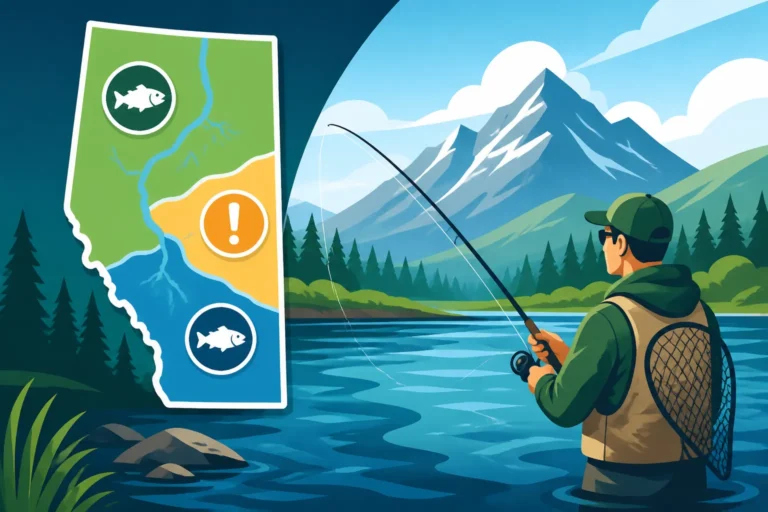
In Alberta, "non-resident" isn't a single category; it's broken down further. Generally, an Alberta resident is someone who has resided in the province for at least 12 consecutive months immediately prior to applying for a license and makes Alberta their primary residence. If you don't fit that description, you're considered a non-resident.
However, non-residents are split into two key groups: "Canadian Non-Resident" and "Non-Canadian Non-Resident." If you're coming from another province or territory within Canada (say, British Columbia or Ontario), you're a Canadian Non-Resident. If you're visiting from outside of Canada, perhaps from the United States or Europe, you fall into the Non-Canadian Non-Resident category. Your guide will likely ask you about this, and it’s important to provide accurate information from the get-go.
Why Your Residency Matters for License Costs and Types
The distinction between a Canadian Non-Resident and a Non-Canadian Non-Resident is crucial because it affects the available license options and, significantly, the price. For example, a Canadian Non-Resident might have access to certain multi-day or annual options that are priced differently than those for a Non-Canadian Non-Resident. This is a common practice across many jurisdictions to reflect different administrative costs and reciprocal agreements, or lack thereof.
Your guide might recommend a specific duration of license, such as a 1-day or 7-day, depending on the length of your trip. Knowing your residency status beforehand allows you to quickly assess the Alberta fishing license cost 2026 and choose the most appropriate and cost-effective option for your planned fishing adventure. This early clarity prevents any last-minute scrambling or unexpected expenses when you're supposed to be focusing on the fishing.
Essential Licenses for Out-of-Province Guided Trips
No matter how experienced your guide is, or how well-equipped their boat might be, you, the client, are personally responsible for holding the correct and valid fishing licenses. Think of it like flying: the pilot has their license, but you still need your ticket. The guide's operational license doesn't cover you, the angler, for fishing.
The Mandatory Alberta Sportfishing Licence
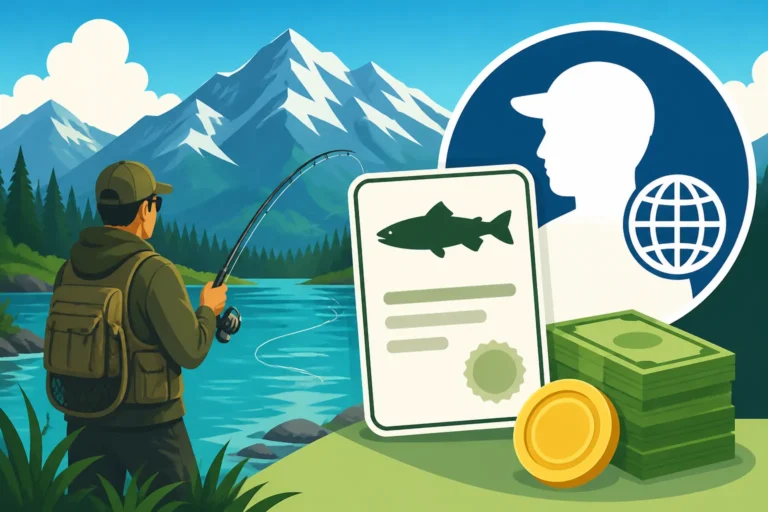
The most fundamental requirement for anyone casting a line in Alberta is the Alberta Sportfishing Licence. This is your basic entry ticket to fish. There are very few exceptions to this rule, primarily for youth under 16 or seniors over 65 who are residents of Alberta. So, if you're an out-of-province client, regardless of age, you absolutely need one.
These licenses come in several durations to suit your trip: annual, 7-day, and 1-day. For many guided trips, especially if you're only spending a few days on the water, a Alberta 1-Day Non-Resident Fishing License Cost or a Alberta 7-Day Non-Resident Fishing License Cost will be the most practical choice. If you're planning multiple trips throughout the year or an extended stay, then an annual license might be more economical. Your guide can certainly advise on which duration makes the most sense given your itinerary, but the ultimate decision and purchase are yours. Remember, it’s a separate requirement from any guide fees or equipment rentals.
The Alberta WIN Card Requirement
Before you can even purchase an Alberta Sportfishing Licence, you'll need to obtain a Wildlife Identification Number, or WIN Card. This is a mandatory prerequisite for almost all hunting and fishing licenses in Alberta. It's a unique nine-digit number that identifies you within the province's wildlife management system, and it's valid for five years from the date of purchase.
Getting a WIN Card is a straightforward process. You can apply for one online through the MyWildAlberta portal, or in person at a designated license issuer. If you plan to frequently fish or hunt in Alberta, this card becomes invaluable as it streamlines all future license purchases. Think of it as your angler's ID for the province. The Alberta WIN Card Activation Fee, Explained is a one-time cost for the five-year period, and it's separate from your fishing license fee itself. Don't leave this to the last minute; it's the first hurdle you need to clear!
Special Harvest Licences and Draws
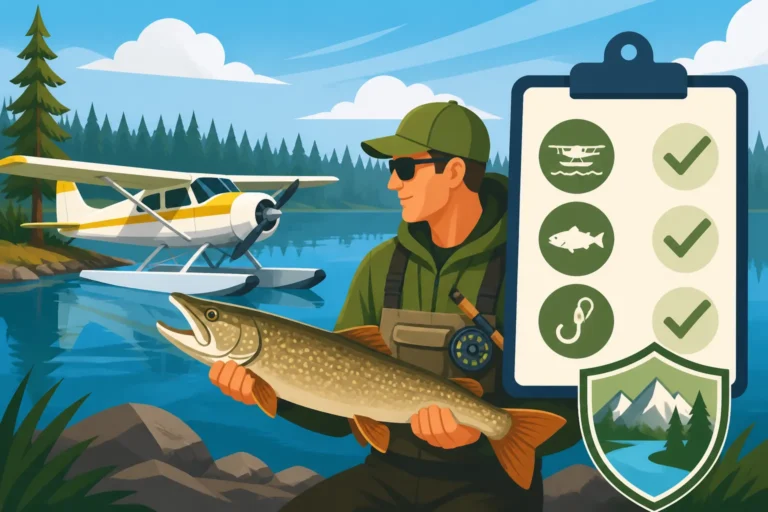
While the general sportfishing license covers most common fishing scenarios, Alberta has specific regulations for certain species, particularly walleye. In some zones, and for some species, you might need a "Special Harvest Licence" or participate in a draw to be able to retain specific fish. The most notable example is the Alberta Walleye Special Harvest Licence Program.
For an out-of-province guide client, this means a bit of extra homework if harvesting walleye is part of your plan. Your guide will be intimately familiar with the specific regulations of the waters you'll be fishing, including any special harvest requirements. However, it's ultimately your responsibility to ensure you possess any necessary special tags or licenses in addition to your general sportfishing license. If you're primarily focused on catch and release, or targeting species not subject to these special rules, then this might not apply directly to your trip. Always check the latest Alberta Fishing Regulations Explained or consult your guide well in advance.
Purchasing Your License as a Guide Client
The process of buying your fishing license in Alberta is designed to be as user-friendly as possible, but knowing the steps and what information you’ll need will save you time and hassle. Many guides will recommend purchasing your license ahead of time, especially if you're traveling a long distance to reach your fishing destination.
Online vs. In-Person Purchase Options
The easiest and most common way to purchase your Alberta fishing license is online through the MyWildAlberta portal. This platform is accessible 24/7, allowing you to buy your WIN Card and fishing license from the comfort of your home before your trip. This is particularly convenient for out-of-province anglers, as it removes any pressure of finding a physical vendor once you arrive. You can check out the step-by-step process in our guide on How to Buy an Alberta Fishing License Online.
Alternatively, you can purchase your WIN Card and fishing license in person from any authorized license issuer. These are often found at sporting goods stores like Cabela's, some smaller independent tackle shops, or designated Fish and Wildlife offices across the province. While convenient if you're already in Alberta, the online option truly offers the most flexibility, allowing you to ensure everything is in order before you even pack your bags.
What Information You'll Need
When purchasing your WIN Card and fishing license, whether online or in person, you'll need to provide some basic personal information. This typically includes your full name, date of birth, mailing address, and proof of residency. For non-residents, this might involve confirming your home address outside of Alberta.
The system will prompt you for your WIN Card number first. If you don't have one, you'll purchase that, and then proceed to select your fishing license. It's crucial that all the information you provide is accurate and matches your official identification. Remember, your guide cannot purchase these on your behalf; these are personal licenses tied directly to you. Keep your government-issued ID handy for verification purposes, especially if buying in person, or just to ensure accuracy for online entry.
Carrying and Displaying Your License
Once you've secured your Alberta fishing license, the next critical step is to have it with you at all times while fishing. This isn't merely a suggestion; it's a legal requirement. A Fish and Wildlife officer has the authority to ask to see your license at any point while you're engaged in fishing activities.
Alberta allows for both a physical, printed copy of your license or a digital version displayed on a mobile device. If you opt for a digital copy, ensure your device is charged and protected from the elements. A good waterproof case for your phone, perhaps one you picked up from Amazon, is an excellent investment. For those who prefer a physical copy, printing it out and keeping it in a waterproof bag or within a fishing vest (there are some great, functional ones on Amazon) is advisable. Regardless of the format, it must be legible and immediately accessible. Our detailed post on Printing or Carrying a Digital Fishing License in Alberta has more tips on this.
Common Misconceptions and Guide Responsibilities
It's natural to have questions, especially when traveling to a new province or country to fish. Guides are a fantastic resource, but it's important to understand where their responsibilities end and yours begin when it comes to legal compliance.
Your Guide's Role Versus Your Responsibilities
A professional fishing guide in Alberta is a wealth of knowledge. They know the best spots (like the prime areas on the Bow River Fishing Guide), the right techniques, and the current conditions. They will provide advice on lures, tell you about the local fish species, and ensure your safety on the water. They are also usually up-to-date on specific regulations, like the Alberta Trout Season Opener Dates by Zone for the areas they operate in.
However, a guide's primary role is to facilitate your fishing experience, not to act as your legal guardian regarding licensing. While a reputable guide will almost certainly ask to see your license before you head out, they cannot purchase it for you, nor can their license cover you. The responsibility for obtaining and possessing a valid WIN Card and fishing license rests squarely on your shoulders, the angler. Think of them as your fishing instructor and captain, not your permit processor.
Penalties for Fishing Without Proper Licensing
Ignoring the licensing requirements in Alberta can lead to significant consequences that will quickly sour any fishing trip. Fishing without a valid Alberta Sportfishing Licence, or without a valid WIN Card to back it up, is a serious offense. It's not just a slap on the wrist; it can result in substantial fines and, in some cases, the confiscation of your fishing gear. This is a very real possibility, and it’s why understanding Fishing Without a License in Alberta: Penalties is so important.
The legal system here takes wildlife conservation seriously, and licenses are a key component of funding and managing these resources. Imagine getting all the way to a pristine lake, paying for your guide, and then having your trip cut short and your gear seized because of an oversight with your paperwork. It's an avoidable headache that can be prevented with a bit of pre-trip planning.
Staying Informed on Regulations
Alberta's fishing regulations are dynamic. They can change annually, and sometimes even within a season, based on conservation needs, fish populations, and environmental factors. While your guide will undoubtedly keep abreast of the specific rules for their operating areas, it's still good practice for every angler to familiarize themselves with the Alberta Guide to Sportfishing Regulations. You can usually find a digital copy on the MyWildAlberta website, or a physical copy at license vendors. You might even want to pick up a small, waterproof notepad and pen on Amazon to jot down key regulations or notes from your guide while on the water.
This guide details everything from general regulations to specific rules for Special Regulation Waters in Alberta. Staying informed ensures you’re not only compliant but also have a deeper understanding and appreciation for the conservation efforts that keep Alberta's fisheries healthy and vibrant for everyone to enjoy.
Non-Resident Fishing License Options and Illustrative Costs (2026)
To give you a clearer picture, here's a table outlining the typical categories and illustrative costs for non-resident fishing licenses in Alberta. Please remember that these are illustrative figures and actual costs are subject to change. Always refer to the official MyWildAlberta website for the most current pricing.
| License Type | Canadian Non-Resident (Illustrative CAD) | Non-Canadian Non-Resident (Illustrative CAD) | Notes |
|---|---|---|---|
| WIN Card (5-year validity) | $10 | $10 | Mandatory for all license purchases. |
| 1-Day Sportfishing Licence | $20 | $25 | Ideal for short, single-day guided trips. |
| 7-Day Sportfishing Licence | $45 | $55 | Good for multi-day trips. |
| Annual Sportfishing Licence | $65 | $80 | Best value for extended stays or multiple trips within a year. |
| Walleye Special Harvest Tag | $15 | $15 | Required in specific zones for walleye retention (after draw). |
| GST (5%) | Applied to all prices | Applied to all prices | Goods and Services Tax added at checkout. |
Please note: Prices are illustrative for 2026 and are subject to change. Always verify current prices and availability on the official MyWildAlberta portal before purchase. Our post on How Much Does an Alberta Fishing License Cost provides even more detail on the current pricing structure.
Disclaimer
The information provided in this guide is for general informational purposes only and is not intended as legal advice. Fishing regulations in Alberta are subject to change, and it is the sole responsibility of each individual angler to be aware of and comply with all current provincial and federal regulations, licensing requirements, and any special conditions or restrictions before engaging in fishing activities. Always consult the official Alberta Guide to Sportfishing Regulations and the MyWildAlberta website for the most accurate and up-to-date information.