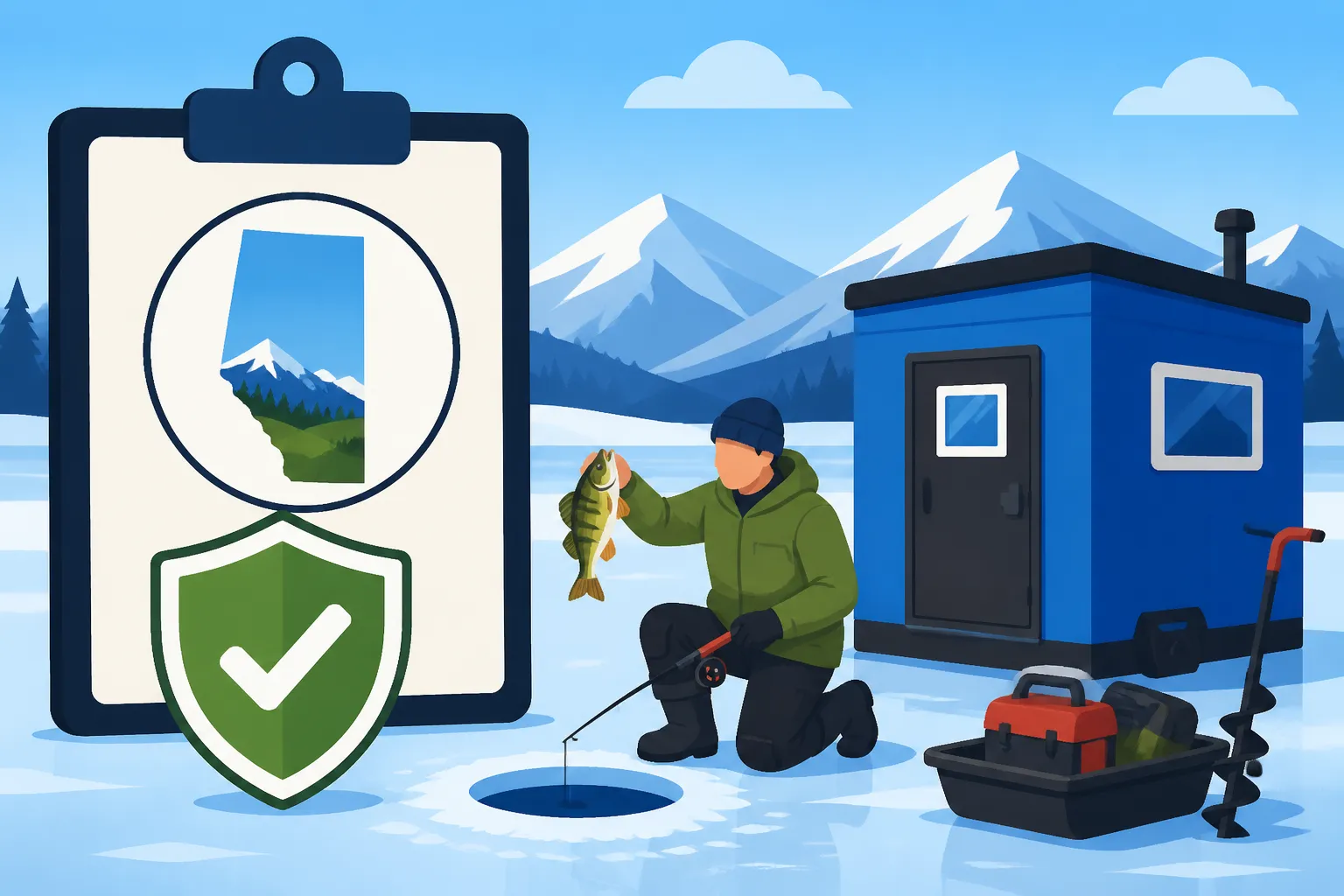
Alberta ice fishing hut registration rules
Navigating the world of ice fishing can feel like a fantastic adventure, but sometimes the sheer volume of regulations, especially around something as specific as ice fishing huts, can be downright confusing. Many anglers find themselves scratching their heads, wondering if their cozy shanty needs a special permit or if they're simply good to go. This guide is here to untangle those rules, explaining exactly what you need to know about registering your ice fishing hut in Alberta to ensure your winter angling experience is both enjoyable and fully compliant with the provincial regulations.
Why Register Your Ice Fishing Hut in Alberta?
It might seem like just another piece of red tape, but the requirement to register your ice fishing hut in Alberta is actually a really important measure designed to protect our beautiful waterways, ensure safety for all users, and maintain the integrity of our cherished ice fishing tradition. It's not about making things harder; it's about making sure everyone is playing by the same rules for the greater good.
Understanding the "Who, What, When" of Registration
Let's break down the basics: who needs to register, what kind of hut counts, and when exactly this registration needs to happen. Essentially, if you're planning to leave a structure on the ice overnight that provides shelter for ice fishing, it needs to be registered. This applies to most types of ice fishing shelters, from elaborate hard-sided shanties with stoves to more modest, but still structurally sound, canvas tents that are left for extended periods. Simple, portable shelters that you set up and remove daily (like a pop-up tent you fold up and take home after each outing) typically don't require registration. The key distinction often comes down to whether the shelter is left unattended or secured on the ice overnight or for multiple days. The Alberta Environment and Protected Areas (AEPA) wants to know who is responsible for these structures.
The timing is critical too. You need to register your hut before you place it on the ice for the season. This isn't something you can do retroactively or once you're already out there enjoying a hot coffee by your hole. Think of it like getting your fishing license – it’s a prerequisite to ensure you're covered from the get-go. While the province sets the overarching rules, specific details like removal deadlines can vary slightly by zone, so always double-check the latest Alberta Fishing Regulations Explained for your specific area.
The Importance of Accountability
One of the biggest reasons for ice fishing hut registration is accountability. Unfortunately, not everyone treats our natural spaces with the respect they deserve. Every year, there are instances of abandoned ice fishing huts littering the ice as spring approaches, posing hazards to wildlife, boaters, and the environment when they eventually fall through. These forgotten shacks become trash, polluting the water with wood, metal, plastics, and whatever else was left inside.
By requiring registration, the province can trace abandoned huts back to their owners. This means that if a hut is left behind, authorities can identify the responsible individual and hold them accountable for clean-up costs and potential fines. It’s a way to ensure that the beauty of Alberta's lakes, like those found in the Best Ice Fishing Lakes in Alberta, remains pristine for generations to come. Having a clear identification number displayed on your hut also helps authorities differentiate between properly managed huts and those that are illegally abandoned, simplifying enforcement and protecting responsible anglers from being unfairly grouped with those who disregard the rules.
Step-by-Step Guide to Registering Your Ice Fishing Hut
The process for registering your ice fishing hut in Alberta has been streamlined to make it as accessible as possible, primarily through the provincial online portal. It might seem daunting at first, especially if you're not a fan of online paperwork, but once you get the hang of it, it's quite straightforward.
The MyWildAlberta Portal and WIN Card
Before you can even think about registering a hut, you absolutely need to have an active Wildlife Identification Number (WIN) card and an account on the MyWildAlberta portal. Your WIN card is your unique identifier within Alberta’s fish and wildlife system. Think of it as your angler's ID number. If you don't have one, or if yours has expired, that's your first step. You can get or renew your WIN card through the MyWildAlberta website. This digital card is a mandatory requirement for purchasing any hunting or fishing licenses in the province, and it's essential for hut registration too. For a detailed breakdown, check out our guide on the Alberta WIN Card, Explained.
Once you have your WIN card squared away, you'll use your MyWildAlberta account to access the registration system. It’s a secure platform where you manage all your provincial outdoor permits and licenses, from your annual Alberta Fishing License Guide for 2026 to your specific ice hut details. Make sure your personal information linked to your WIN card is current and accurate, as this is what will be associated with your hut registration.
Completing the Online Registration Process
With your WIN card and MyWildAlberta account ready, you can dive into the actual hut registration. You'll log in to your account and navigate to the relevant section for "Ice Fishing Hut Registration." The system will guide you through a series of prompts. You'll be asked to provide details about your hut, such as its dimensions (length, width, height), the primary materials it's made from (e.g., wood, metal, canvas), and its general description. This information helps the province understand the scope of structures on the ice and assists in identification if a hut ever becomes a problem.
You'll also specify which body of water you intend to place your hut on. This is crucial because different lakes and zones might have unique considerations or even special regulations. While the online system aims to be user-friendly, ensure you input all information accurately. There usually isn't a fee for the registration itself, but the act of registering is legally binding, signifying your responsibility for that structure. Once submitted, you'll receive a unique registration number for your hut. You can learn more about managing your permits through our article on How to Buy an Alberta Fishing License Online.
Displaying Your Registration Number Clearly
Getting your registration number is just step one; displaying it prominently on your hut is equally important. The regulations specify that your registration number must be clearly visible from all sides of the hut. This isn't just a suggestion; it's a rule. The numbers should be a certain minimum size, typically at least 5 to 7.5 centimeters (2 to 3 inches) high, and painted or affixed in a contrasting color to the hut's exterior. Think black numbers on a white background, or vice versa – anything that makes it stand out, even from a distance or in varying light conditions.
Many anglers use durable, weather-resistant materials for this. You can find excellent stencil kits or adhesive vinyl numbers on platforms like Amazon that can withstand the harsh Alberta winter conditions. Applying these numbers to a clean, dry surface ensures they stay put for the entire season. This clear identification helps fisheries officers quickly verify compliance and ensures that your hut can be linked back to you, the responsible angler, should any questions arise. Without proper display, even a registered hut can be considered non-compliant, potentially leading to warnings or fines.
Key Rules and Regulations Beyond Registration
Registering your hut is a fundamental step, but it’s part of a larger framework of regulations designed to ensure safe and responsible ice fishing. There are several other critical rules you need to be aware of and follow to enjoy your time on the ice without issues.
Removal Deadlines and Environmental Responsibilities
This is perhaps one of the most frequently overlooked, yet critically important, aspects of ice fishing hut regulations: the removal deadline. Each year, as winter loosens its grip and the ice begins to weaken, all ice fishing huts must be removed from the ice by a specific date. These dates vary by region to account for different thaw patterns across the province. Generally, the deadline is March 15th for much of southern and central Alberta, and March 31st for more northern areas. However, these dates can change, so it is absolutely essential to consult the current Alberta Fishing Regulations Explained or the MyWildAlberta portal each season.
Failing to remove your hut by the deadline is not just an oversight; it's a serious offense. An abandoned hut poses a significant environmental threat, polluting the lake as it breaks apart and sinks, potentially harming fish and other wildlife. It also becomes a hazard for anyone using the water in early spring. Leaving no trace is paramount. This means not only removing the hut itself but also ensuring you collect all garbage, discarded fishing line, and anything else you brought onto the ice. Taking personal responsibility for your site is a cornerstone of ethical angling.
General Safety and Site Selection
Beyond environmental considerations, safety is paramount. The ice might look solid, but conditions can change rapidly. Always check ice thickness before venturing out, and be aware of potential hazards like pressure ridges, current areas, or inlets/outlets where ice can be thinner. While not directly part of hut registration, these are critical for your well-being. A minimum of 4 inches of clear, new ice is generally recommended for walking, but significantly more (10-12 inches) is needed for driving vehicles or supporting substantial structures like ice huts.
When selecting a spot for your hut, consider its impact on others. Avoid placing your hut directly in high-traffic areas or blocking access points for other anglers. Maintain a respectful distance from other huts and be mindful of private property lines if you're accessing the lake from land. Being a considerate angler helps foster a positive community spirit and ensures everyone can enjoy the peace and solitude of the ice. You'll find more useful information on general water safety in our guide on Alberta Boating Laws for Anglers, as many of the principles apply to ice safety as well.
Penalties for Non-Compliance
Nobody wants to face fines or legal trouble, especially when they're just trying to enjoy a relaxing day of ice fishing. However, ignorance of the rules is not an excuse. Failing to register your ice fishing hut or neglecting to remove it by the specified deadline can lead to some pretty serious consequences in Alberta.
Fines and Legal Consequences
The financial penalties for non-compliance with ice fishing hut regulations can be substantial. If your hut is found on the ice without proper registration, or if it's still out there past the removal deadline, you could be issued a significant fine. These fines are designed to be a deterrent, reflecting the seriousness of environmental pollution and the cost associated with potential cleanup efforts. It's not uncommon for fines to be in the hundreds of dollars, and they can escalate depending on the severity of the offense and whether it's a repeat violation.
In addition to monetary fines, there's also the possibility of legal action. In cases of significant environmental damage or repeated offenses, authorities can pursue further charges. Furthermore, an abandoned hut might be confiscated by the province, meaning you lose your shelter and any equipment left inside. This financial hit and loss of property can quickly turn a hobby into a costly nightmare, far outweighing the effort of simply registering and removing your hut on time. Our article on Fishing Without a License in Alberta: Penalties provides a broader context of how seriously the province takes non-compliance with fishing regulations.
The Ripple Effect of Irresponsible Angling
Beyond the personal consequences, irresponsible actions regarding ice fishing huts have a ripple effect on the entire angling community. When abandoned huts become a recurring problem, it can lead to stricter regulations for everyone. Imagine a scenario where a particular lake becomes notorious for abandoned shacks; authorities might decide to ban ice huts on that lake entirely, or implement more cumbersome permit processes, punishing responsible anglers for the actions of a few.
Such incidents can also sour public perception of ice fishing. Non-anglers, seeing derelict huts polluting the landscape, might develop negative views of the sport, leading to decreased public support for angling and conservation efforts. Our goal as anglers should always be to be good stewards of the environment, demonstrating respect for nature and fellow outdoor enthusiasts. By adhering to registration and removal rules, we contribute to a positive image of ice fishing, ensuring that this beloved winter pastime remains accessible and cherished for years to come.
Here’s a quick summary of the key ice hut regulations:
| Requirement | Detail | Penalty for Non-Compliance |
|---|---|---|
| Registration | Mandatory for all non-portable shelters left overnight/for extended periods. | Fines (e.g., $180-$500+), potential hut confiscation. |
| WIN Card | Required for online registration via MyWildAlberta. | Inability to register hut, leading to unregistered hut penalties. |
| Identification | Registration number clearly displayed (2-3 inches high, contrasting color). | Warnings, fines, difficulty identifying owner if abandoned. |
| Removal Deadline | March 15th (South/Central AB) or March 31st (North AB) – verify annually. | Significant fines, environmental cleanup costs, hut confiscation. |
| Environmental Impact | Leave no trace, remove all trash and debris with your hut. | Environmental charges, fines, bad public perception. |
| Safety | Check ice thickness, avoid hazards, respect other anglers. | Personal injury, fines for dangerous operation. |
Disclaimer
The information provided in this guide is for general informational purposes only and is subject to change. While we strive to keep the content up-to-date and accurate, it is the sole responsibility of the individual angler to consult the official Alberta Guide to Sportfishing Regulations and any provincial or federal government websites for the most current rules and regulations before engaging in any fishing activities. These regulations can change annually, and specific conditions may apply to certain water bodies.