Alberta required boater safety course rules
Navigating Alberta's stunning lakes and rivers for a day of fishing or simply enjoying the water is an incredible experience, but the thought of deciphering all the boater safety rules can feel like trying to tie a fly with numb fingers. Many folks, especially those new to boating or returning after a long hiatus, find themselves scratching their heads wondering, "Do I really need a special license to drive my fishing boat?" or "What exact safety course do I have to take?" This comprehensive guide aims to clear up all that confusion, walking you through the mandatory boater safety course requirements in Alberta, why they're so important, and how you can easily get certified to enjoy our beautiful waters safely and legally.
Understanding the Pleasure Craft Operator Card (PCOC) Requirement in Alberta
Let's get right to it: if you're operating any powered recreational vessel in Alberta, you almost certainly need a Pleasure Craft Operator Card, or PCOC. It's not just a suggestion; it's the law across all of Canada, including our beloved province. This rule is in place for a very good reason: to ensure everyone on the water has a basic understanding of boating safety, rules of the road, and what to do in an emergency. Think of it like a driver's license, but for your boat.
Who Needs a PCOC? Clarifying Age and Vessel Type
The PCOC requirement applies to anyone operating a pleasure craft equipped with any type of motor, even an electric trolling motor, on Canadian waters. This includes everything from a small fishing boat to a personal watercraft (PWC) and larger cruisers. There are very few exceptions, and it's always safer to assume you need one than to risk a fine.
For those just starting out, or even seasoned anglers who've historically used canoes or paddleboards, this can be a bit of a surprise. You might have a small aluminum boat with a 9.9 HP outboard that you use to hit your favourite walleye spot on Lesser Slave Lake, or perhaps you've recently invested in a powerful fishing kayak with an electric motor to cover more water. In both these scenarios, and countless others involving any type of propulsion, a PCOC is a must.
There are a couple of age-related considerations to keep in mind, although these primarily dictate who needs to supervise younger operators rather than exempting them entirely from PCOC knowledge. For example, if you're under 16 and operating a pleasure craft, you're restricted to vessels with a limited engine size unless you're accompanied by someone 16 or older who holds a PCOC. However, obtaining your own PCOC is still the best practice for young boaters, as it instills critical safety knowledge early on. You can learn more about Alberta fishing license age requirements, which sometimes get confused with boating age rules, to ensure you're compliant on all fronts.
The Legal Ramifications of Boating Without a PCOC
Ignoring the PCOC requirement isn't just a minor oversight; it carries real legal consequences. Transport Canada, through various enforcement agencies like the RCMP and local peace officers, actively monitors compliance on Alberta's waterways. If you're caught operating a powered vessel without a valid PCOC onboard, you could face significant fines. We're not talking about a slap on the wrist here; the Alberta maximum fine for no Pleasure Craft Operator Card can be substantial, often in the hundreds of dollars for a first offense. Imagine finally getting to your secret fishing hole on Cold Lake, only to be stopped by a patrol and issued a hefty ticket that puts a serious damper on your day, or even your entire season.
Beyond the financial penalty, there's the more critical issue of safety and liability. Should an incident occur while you're operating a boat without a PCOC, you could be deemed negligent, leading to even more severe legal repercussions, especially if there are injuries or property damage involved. This card isn't just about avoiding fines; it's about proving you have the fundamental knowledge to operate your vessel responsibly and safely, protecting yourself, your passengers, and other water users. It's a small investment in time and money for immense peace of mind.
How to Obtain Your PCOC: Step-by-Step Process
Getting your Pleasure Craft Operator Card is a straightforward process, designed to be accessible and efficient. You don't need to spend weeks in a classroom or take an intensive multi-day course. Most people can complete the necessary training and pass the exam from the comfort of their own home, making it easy to fit into a busy schedule.
Choosing an Accredited Course Provider
The first step is to choose an accredited course provider. Transport Canada approves several online and in-person course providers across the country. These providers offer the official PCOC training material and administer the final exam. A quick search online will show you a variety of options, many of which are very user-friendly. Popular choices include Ace Boater, Boaterexam.com, and Boater Safety Card, among others. These platforms often allow you to study at your own pace, pausing and resuming as needed.
When selecting a provider, look for:
- Transport Canada Accreditation: This is non-negotiable. Ensure they are officially recognized.
- Course Format: Do you prefer online self-study, or would you benefit from an in-person class if available in your area? Most Alberta anglers opt for online due to convenience.
- Support: Do they offer customer support if you encounter technical issues or have questions about the material?
- Reviews: Check what other users say about their experience with the course and exam.
The course material covers everything from navigation rules, buoy systems, and emergency procedures to environmental responsibilities and the proper use of safety equipment. Many courses are designed with interactive elements and quizzes to help reinforce learning. Some people find it helpful to look at supplementary materials or even basic marine charts, which you can often find on sites like Amazon to help visualize the concepts discussed.
What to Expect from the PCOC Exam
Once you've completed the course material and feel confident, it's time to take the exam. The PCOC exam is a multiple-choice test that typically consists of 50 questions. You'll need to achieve a passing grade, usually around 75-80%, to earn your card. Most online providers allow you to take the exam immediately after finishing the course, and many even offer a free retest if you don't pass on your first attempt.
The beauty of the online format is that you can often take practice exams as many times as you need, helping you identify areas where you might need a bit more review. The questions will cover a broad range of topics, ensuring you have a well-rounded understanding of boater safety. For instance, you might encounter questions about:
- Identifying different types of buoys and their meanings.
- Right-of-way rules when two vessels are approaching each other.
- The required safety equipment for various vessel lengths.
- Procedures for responding to a person overboard situation.
The goal isn't to trick you but to confirm that you've absorbed the essential information needed to operate a boat safely and responsibly. Once you pass, you'll typically receive a temporary PCOC immediately, which you can print out and carry with you while you wait for your permanent card to arrive in the mail. And don't worry about expiry dates; unlike a driver's license, your Does a Pleasure Craft Operator Card Expire in Alberta? – the answer is no, it's good for life!
Key Boater Safety Topics Covered in the Course
The PCOC course curriculum is thoughtfully designed to equip recreational boaters with the knowledge necessary to prevent accidents, respond to emergencies, and navigate safely. It’s more than just memorizing rules; it’s about fostering a culture of safety on the water.
Essential Navigation and Rules of the Road
One of the most crucial sections of any boater safety course covers navigation and the "rules of the road" – or, more accurately, the "rules of the water." Just like on highways, there are established protocols to prevent collisions and ensure smooth passage for everyone. This includes understanding:
- Aids to Navigation: You'll learn about buoys, markers, and other navigational aids used in Canadian waters. For instance, knowing the difference between a red, green, and yellow buoy, and what they signify, is critical whether you're cruising on Lake Wabamun or heading out onto Lake Athabasca. These markers guide you through safe channels, warn of hazards, and denote restricted areas.
- Right-of-Way Rules: This is fundamental. You’ll learn which vessel has the right-of-way in various scenarios—when two powerboats are approaching head-on, when one is overtaking another, or when powerboats encounter sailboats or paddlecraft. Misunderstanding these rules is a common cause of collisions.
- Safe Speed and Distance: The course emphasizes maintaining a safe speed, especially in congested areas, near shore, or in limited visibility. It also covers the importance of maintaining a safe distance from other vessels, swimmers, and wildlife.
- Sound Signals: Learn the meaning of different horn blasts (e.g., one short blast for "I intend to alter my course to starboard," or prolonged blasts in fog), which are crucial for communication when visual cues are limited.
Understanding these rules is not just theoretical. Imagine you're out fishing for pike on Keho Lake. Suddenly, another boat approaches, and you both realize you're on a collision course. Knowing the right-of-way rules allows you to take decisive action, avoiding a potentially dangerous situation. This knowledge is what separates a responsible boater from a hazard on the water.
Safety Equipment and Emergency Preparedness
Beyond preventing accidents, the PCOC course thoroughly covers what to do if an emergency arises, starting with ensuring you have the right gear. Many boaters, especially those new to powered vessels, are surprised by the extensive list of required safety items.
Here's a look at what you’ll delve into:
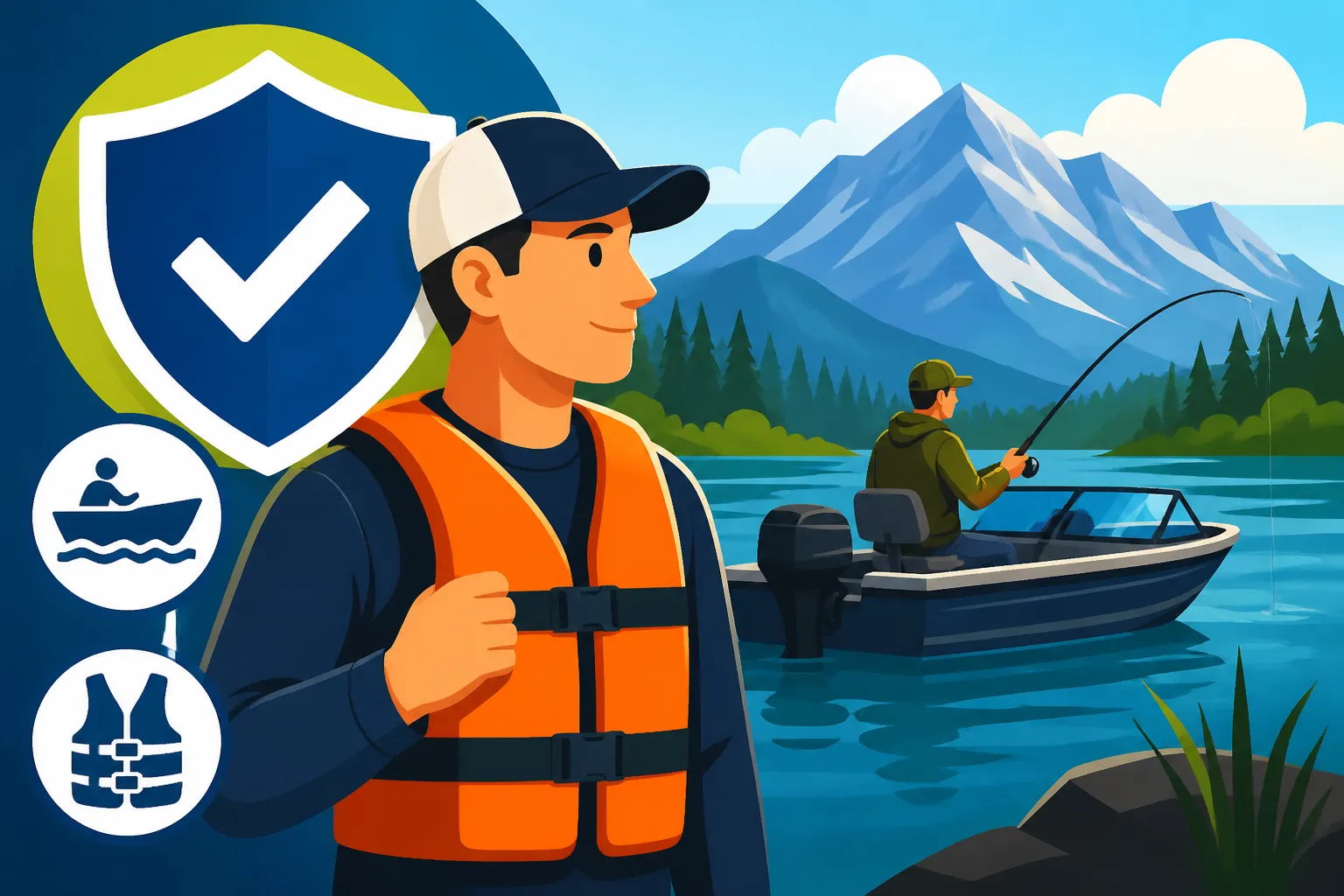
- Life Jacket Requirements for Alberta Boaters: This is paramount. The course details exactly what type, size, and quantity of life jackets (Personal Flotation Devices or PFDs) are legally required for your vessel and how they must be accessible. For instance, did you know that everyone on board needs an approved PFD that fits them, and it must be readily available? No, they can't be stowed away in a locked compartment!
- Fire Extinguishers: Learn about the different classes of fires and the appropriate type and size of fire extinguisher required for your boat, along with proper storage and inspection.
- Sound-Signaling Devices: From whistles to air horns, the course covers the mandatory sound-signaling devices for different boat lengths.
- Visual Signals: Flare requirements, signalling mirrors, and other visual distress signals are vital for attracting attention in an emergency, especially when you're far from shore on a large body of water like Lesser Slave Lake.
- Bailers, Pumps, and Anchors: The specific requirements for dewatering devices and anchors are also covered, depending on your boat's size and type.
- Emergency Procedures: Beyond equipment, you'll learn vital skills like how to handle a person overboard situation, deal with a fire on board, manage a collision, or even what to do if your boat starts taking on water. This preparedness can make all the difference between a minor incident and a serious tragedy.
Having the correct gear is non-negotiable. You can often find comprehensive marine safety kits that include many of the required items on sites like Amazon, making it easier to ensure you're fully compliant. The course also differentiates between an Alberta Pleasure Craft License vs Pleasure Craft Operator Card, clarifying that while one is for vessel identification, the other is for operator certification. Both are important in their own right for safe and legal boating. Understanding the Alberta required boat safety equipment checklist will prepare you not only for the exam but also for real-world situations.
Beyond the PCOC: Additional Boating Best Practices for Alberta Waters
While the Pleasure Craft Operator Card is a legal requirement and an excellent foundation, truly safe and responsible boating in Alberta extends beyond just passing the exam. It involves continuous vigilance, proper vessel maintenance, and a deep respect for our natural environment and fellow water users.
Maintaining Your Vessel and Equipment
A PCOC teaches you the rules, but a well-maintained boat ensures those rules can be effectively followed. Nothing ruins a fishing trip faster than a mechanical breakdown or discovering a critical piece of safety gear is non-functional.
- Regular Inspections: Before every outing, perform a quick safety check. Is your engine running smoothly? Are your lights working? Is there enough fuel? Are all your life jackets in good condition and easily accessible? Check your bilge pump, navigation lights, and horn. If you have a larger boat, consider having a professional marine mechanic perform an annual inspection, especially before the main boating season kicks off.
- Engine Care: Regular oil changes, spark plug replacements, and fuel system maintenance are crucial. A well-tuned engine is more reliable and fuel-efficient. Carry spare parts for common issues, like extra spark plugs or a shear pin for your propeller, especially if you're venturing to more remote fishing spots.
- Safety Equipment Checks: Your fire extinguisher needs to be charged and accessible. Flares have expiry dates, so check those annually. Your first-aid kit should be fully stocked. Even your anchor and anchor line need to be inspected for wear and tear. You can often find comprehensive marine safety checklists on boating websites, and stores like Amazon offer a wide array of replacement safety equipment.
- Hull Integrity: Regularly inspect your boat's hull for any cracks, leaks, or damage. Even a small leak can become a big problem quickly. Pay attention to drainage plugs and ensure they are always secured before launching.
Proper maintenance not only extends the life of your vessel but dramatically reduces the risk of breakdowns on the water, keeping you and your passengers safe. It's an ongoing commitment that goes hand-in-hand with your PCOC knowledge.
Environmental Stewardship and Responsible Angling
Alberta's waters are a precious resource, and responsible boaters play a crucial role in protecting them. Your PCOC course will touch on environmental responsibilities, but truly embracing stewardship means actively practicing them on every trip.
- Preventing Pollution: Never, ever dispose of trash, oil, fuel, or human waste directly into the water. Carry a dedicated trash bag and ensure everything is properly secured so it doesn't blow overboard. Use pump-out facilities for marine toilets. For small boats, a portable toilet or even just a plan for shore-based facilities is essential. Always clean up after yourself, leaving no trace behind.
- Invasive Species Prevention: This is incredibly important in Alberta. Always "Clean, Drain, Dry" your boat, trailer, and all fishing gear before moving between different water bodies. Aquatic invasive species like zebra mussels or whirling disease can devastate native ecosystems and fisheries. Inspect your hull, propeller, anchor, and fishing equipment for any hitchhikers.
- Respecting Wildlife: Maintain a respectful distance from wildlife, especially nesting birds, calving elk, or any animals near the shoreline. Avoid disturbing natural habitats.
- Responsible Angling Practices: If you're out fishing, understand and follow all Alberta fishing regulations explained. This includes knowing bag and possession limits for species like Alberta walleye limit by zone or Alberta northern pike limit, obeying size restrictions, and practicing proper catch and release techniques, especially for vulnerable species like Bull Trout where a zero possession rule applies. Use barbless hooks where required. Treat every fish you catch with care, even if you plan to release it.
By actively practicing these environmental and angling best practices, you contribute to the long-term health of Alberta's fisheries and aquatic environments. It ensures that these incredible natural resources remain vibrant for generations of anglers and boaters to come. It’s about being a good steward of the land and water that provides us with so much joy.
Here's a quick summary table of key boater safety requirements:
| Requirement | Description | Applies To | Penalties for Non-Compliance |
|---|---|---|---|
| Pleasure Craft Operator Card (PCOC) | Mandatory proof of basic boating safety knowledge. | Any person operating a pleasure craft with any type of motor (including electric). Exemptions are rare. | Significant fines (often hundreds of dollars). |
| Vessel Safety Equipment | Required items vary by boat length (e.g., PFDs, fire extinguisher, bailer, sound-signaling device, flares). | All pleasure crafts. | Fines for each missing or non-compliant item. |
| Pleasure Craft Licence | Registration number displayed on the bow for identification purposes. | Pleasure crafts with a motor 10 hp (7.5 kW) or more. | Fines for not displaying or having a valid license. |
| Life Jacket / PFD Wear | Must be appropriate size and readily available for everyone on board. | All persons on board a pleasure craft. | Fines for insufficient or improperly stored PFDs. |
| Safe Operation / Rules of the Road | Adherence to navigation rules, speed limits, avoiding reckless operation, etc. | All vessel operators. | Fines, potential license suspension, or criminal charges. |
| Prohibition of Boating Under Influence | Operating a vessel while impaired by alcohol or drugs is strictly forbidden. | All vessel operators. | Severe fines, loss of PCOC, criminal charges (like a DUI). |
Disclaimer
The information provided in this guide is intended for general informational purposes only and does not constitute legal advice. While we strive to provide accurate and up-to-date information, boating regulations can change. Always consult the official Transport Canada Safe Boating Guide and the Alberta Guide to Sportfishing Regulations or visit the official Transport Canada website for the most current and specific requirements. Your safety and compliance are your responsibility.