Alberta 8-day non-resident fishing license cost
Many out-of-province anglers dream of casting a line into Alberta's pristine waters, but the thought of navigating licensing requirements, especially for a specific duration like an 8-day trip, can feel like a tangled mess of regulations. You're probably wondering exactly what an 8-day non-resident fishing license costs and what's involved in getting one. This comprehensive guide will break down the precise expenses, the process, and everything you need to know to fish legally and confidently in Alberta for your week-long adventure, clarifying the options available for an 8-day stay.
Navigating Non-Resident Fishing Licenses in Alberta: No Direct 8-Day Option
It's completely understandable to look for an "8-day non-resident fishing license" if you're planning a trip that lasts just over a week. Many jurisdictions offer licenses in various increments, making it easy to match your stay. However, Alberta's licensing system, while straightforward once you get the hang of it, doesn't actually offer a standalone 8-day non-resident fishing license. This can be a bit of a surprise for first-time visitors or those accustomed to different systems elsewhere.
Understanding the Available Non-Resident License Durations
When you're looking at non-resident fishing licenses in Alberta, you'll primarily find a few key options, depending on whether you're a Canadian non-resident (from another province or territory) or a non-Canadian non-resident (from outside Canada). For both categories, the main short-term choices are typically the 1-day license and the 7-day license. Beyond these shorter durations, there's also an Annual Sportfishing License available. Each of these serves a particular purpose for anglers visiting the province, and understanding them is crucial for piecing together an 8-day trip. You might find a detailed overview in our guide on Resident vs Non-Resident Fishing License Costs in Alberta.
For a non-resident Canadian, you'll see options for 1-day, 7-day, and Annual licenses. The costs for these vary, but they are generally lower than those for non-Canadian visitors, reflecting agreements and different administrative structures between provinces. Many anglers planning a shorter trip will gravitate towards the 7-day option, as it covers a significant portion of a typical vacation. If your trip is very short, just a day or two, the 1-day license is a convenient, low-cost solution.
Non-Canadian non-residents, on the other hand, face slightly higher fees, again with 1-day, 7-day, and Annual options being the primary choices. This differentiation is common across many international borders for hunting and fishing permits. It's important to be clear about your residency status when purchasing to ensure you get the correct license type and avoid any issues. Always double-check which category you fall into before proceeding with your purchase, as misrepresenting your residency can lead to serious penalties, which you can learn more about in Fishing Without a License in Alberta: Penalties.
Why a Specific 8-Day License Isn't Offered
The absence of an explicit 8-day non-resident fishing license in Alberta isn't a deliberate attempt to make things complicated, but rather a simplification of the administrative categories. The province generally tries to cover the most common durations – single-day outings, week-long vacations, and full-season commitments – with its existing license types. The 7-day license is designed to accommodate the typical week-long holiday, which for many, includes travel days that might not be spent fishing.
This licensing structure means that if your fishing adventure stretches beyond seven days into an eighth, you'll need to combine license types or opt for a longer duration. While it might seem a little inconvenient to purchase two separate licenses or commit to an annual one for what's essentially just one extra day, it's the current system. The good news is that Alberta's online purchasing portal, MyWildAlberta, makes combining these options relatively seamless, so it won't add a huge amount of extra hassle to your planning.
It's always a good idea to check the official Alberta Environment and Protected Areas website (MyWildAlberta portal) directly for the most up-to-date information, as regulations and license offerings can sometimes be adjusted. While an 8-day license isn't a current option, the system does provide flexible alternatives that allow you to cover your entire fishing period, no matter if it's seven days, eight days, or even longer. Being prepared with this knowledge before you start your purchase journey will save you time and potential frustration.
Calculating the Cost for Your 8-Day Fishing Trip
Since there isn't a direct 8-day non-resident fishing license, you'll need to approach your licensing for an 8-day trip by combining available options. This usually boils down to two main strategies: purchasing a 7-day license and supplementing it with a 1-day license, or simply opting for the Annual Sportfishing License. Understanding the costs of each combination, along with mandatory fees, will help you make the best decision for your trip.
Option 1: The 7-Day License Plus a 1-Day Extension
This is the most common way to cover an 8-day fishing trip in Alberta. You'll purchase a 7-day non-resident license, and then for that extra day, you'll add a 1-day non-resident license. Remember that these licenses are generally valid from the start date you specify for the exact number of consecutive days. So, if your 7-day license starts on a Monday, it will cover you through the following Sunday. For your eighth day (the next Monday), you'd need a separate 1-day license activated for that specific date.
Let's break down the approximate costs for the upcoming 2026 season, based on current 2024 rates, keeping in mind these are subject to minor changes:
- Non-Resident Canadian (from another Canadian province/territory):
- 7-Day Fishing License: Approximately $40.00
- 1-Day Fishing License: Approximately $20.00
- Subtotal for Licenses: $60.00
- Non-Resident Non-Canadian (from outside Canada):
- 7-Day Fishing License: Approximately $70.00
- 1-Day Fishing License: Approximately $30.00
- Subtotal for Licenses: $100.00
This combination ensures you're covered for every single day you plan to fish. You might find guides like Alberta 1-Day Non-Resident Fishing License Cost and Alberta 7-Day Non-Resident Fishing License Cost helpful for a more detailed look at these individual licenses.
Option 2: Considering the Annual Non-Resident License
Here's where it gets interesting and where many anglers find a pleasant surprise: for an 8-day trip, the cost of combining a 7-day and a 1-day license is often very similar, or sometimes even identical, to simply buying an Annual Sportfishing License. This makes the Annual license a highly attractive option, even if you only plan to fish for a little over a week. An Annual license typically covers you from April 1st of the current year until March 31st of the following year.
Let's look at the approximate costs for the Annual license, again based on current rates for 2026 planning:
- Non-Resident Canadian (from another Canadian province/territory):
- Annual Fishing License: Approximately $60.00
- Non-Resident Non-Canadian (from outside Canada):
- Annual Fishing License: Approximately $100.00
As you can see, the subtotal for licenses for an 8-day trip (7-day + 1-day) is identical to the Annual license cost for both non-resident categories. This means that for the same price, you get coverage for an entire year! This offers incredible flexibility if you decide to extend your trip, or if you happen to return to Alberta for another short fishing excursion within the year. It’s certainly worth considering the long-term value.
The Mandatory WIN Card and GST: Don't Forget These!
No matter which license duration you choose, there are two non-negotiable costs you need to factor in: the Wildlife Identification Number (WIN) card and Goods and Services Tax (GST).
The WIN card is absolutely mandatory for anyone 16 years of age or older purchasing a fishing license in Alberta. It's a unique identification number that links you to your licenses and helps the province track angling activity for conservation purposes. If you've never purchased an Alberta fishing license before, you'll need to acquire a WIN card first. This involves a one-time activation fee that is typically around $8.00. Once you have your WIN card, it's valid for five years, so you won't need to purchase a new one for subsequent trips within that period. Think of it like a fishing ID number. Our article on the Alberta WIN Card, Explained goes into great detail about this.
On top of the license fees and the WIN card fee, you'll also pay GST, which is a federal tax in Canada, currently at 5%. This tax applies to both the WIN card and all fishing licenses. While it might seem like a small addition, it's crucial to factor it into your total budget to avoid any surprises.
Here's a quick summary of the total expected costs for an 8-day non-resident fishing trip in Alberta, including the WIN card (if you don't already have one) and GST, based on 2026 estimations from current rates:
| License Type & Residency | License Cost (approx.) | WIN Card (approx.) | Subtotal | GST (5% approx.) | Total Estimated Cost |
|---|---|---|---|---|---|
| Non-Resident Canadian | |||||
| 7-Day + 1-Day | $60.00 | $8.00 | $68.00 | $3.40 | $71.40 |
| Annual | $60.00 | $8.00 | $68.00 | $3.40 | $71.40 |
| Non-Resident Non-Canadian | |||||
| 7-Day + 1-Day | $100.00 | $8.00 | $108.00 | $5.40 | $113.40 |
| Annual | $100.00 | $8.00 | $108.00 | $5.40 | $113.40 |
As you can clearly see from the table, for an 8-day fishing trip, the Annual license is unequivocally the most convenient and cost-effective choice, as it provides extended coverage for the same price as combining shorter licenses. This makes planning much simpler and offers incredible value. For more detailed information, check out How Much Does an Alberta Fishing License Cost.
The Process of Acquiring Your Licenses
Getting your Alberta fishing license is a fairly straightforward process, especially with the province's robust online system. Whether you choose to go online or prefer an in-person visit, knowing the steps will ensure a smooth experience.
Purchasing Through MyWildAlberta: Your Best Bet
The most convenient and recommended way to purchase your Alberta fishing license and WIN card is through the MyWildAlberta online portal. This system is designed to be user-friendly and accessible from anywhere, allowing you to secure your licenses before you even set foot in the province. This is especially helpful if you’re traveling from afar and want to ensure everything is in order before your trip begins. Our detailed guide on How to Buy an Alberta Fishing License Online walks you through every step.
To start, you'll need to visit the MyWildAlberta website. If you don't already have a WIN card, this will be your first step. You'll go through a quick registration process to get your Wildlife Identification Number, which usually involves providing some personal details and paying the activation fee. Once your WIN card is active (which is almost immediate online), you can then proceed to purchase your chosen fishing licenses.
When selecting your licenses, remember our discussion about the 8-day trip. If you choose the 7-day plus 1-day approach, you'll add both to your cart. However, if you opt for the Annual license (which we've seen is the same cost for an 8-day trip), you'll simply select that one. The portal will prompt you for the start date of your license (for the 1-day or 7-day options) and guide you through the payment process, including the calculation of GST. It's a secure platform, and many anglers even use their mobile devices to purchase licenses right from the lakeside, although it's always better to plan ahead.
Finding a Local Vendor for In-Person Purchase
While the online portal is incredibly efficient, some anglers prefer to purchase their licenses in person, or might need to if they're already in Alberta and encounter an unexpected opportunity to fish. Thankfully, there are numerous licensed vendors across the province where you can purchase your WIN card and fishing licenses. These often include sporting goods stores, tackle shops, and some larger general merchandise retailers.
To find a vendor near your destination, you can often use the "Find a Licence Issuer" tool on the MyWildAlberta website, or simply do a quick online search for "Alberta fishing license vendors near me" on platforms like Google Maps. When you go in person, make sure to bring a valid piece of government-issued identification. The staff at these vendors are usually knowledgeable and can help you select the right license for your needs, including explaining the nuances of the 7-day + 1-day versus the Annual license for an 8-day trip. They can also process your WIN card application on the spot if you need one.
Purchasing in person can also be a great opportunity to pick up some local bait or lures, and get some on-the-ground fishing tips from the folks behind the counter. For example, a local tackle shop like Fish Tales Fly Shop in Calgary or The Fishing Hole in Edmonton will have staff who live and breathe Alberta fishing, and they can offer invaluable advice.
What to Do Once You Have Your License
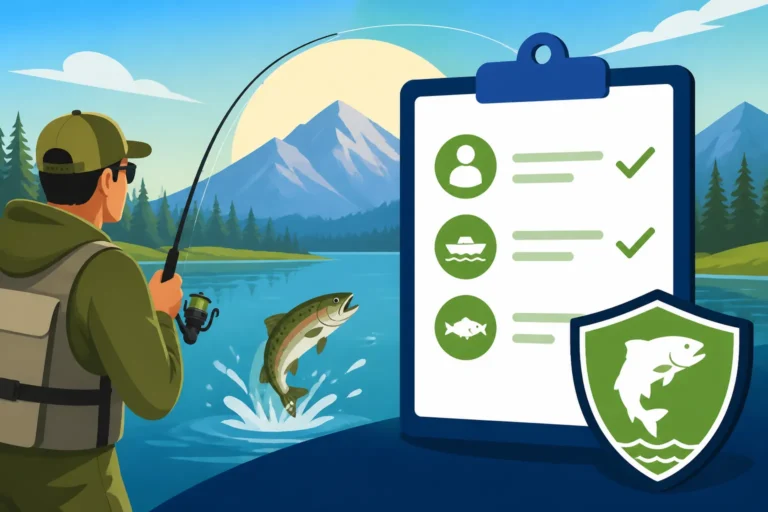
Once you've successfully purchased your Alberta fishing license, whether online or in person, it's crucial to understand your responsibilities. You are legally required to carry your license with you whenever you are engaged in fishing activities. This includes both your valid Sportfishing Licence and your WIN card. Conservation officers conduct regular checks, and being unable to produce your documents can result in fines and penalties.
If you purchased online, you typically have the option to print a physical copy of your license. Many anglers also carry a digital copy on their smartphone, which is often accepted, but having a physical backup is always a good idea, especially in areas with spotty cell service. Make sure your phone is charged! For those wondering about the specifics, our article on Printing or Carrying a Digital Fishing License in Alberta clarifies the rules. Secure your license in a waterproof wallet or case, as fishing often involves splashes and unexpected dips. Having a small waterproof pouch, easily found on Amazon or at local sporting goods stores, can be a real lifesaver for keeping your documents dry and intact.
Additionally, take the time to carefully read through the Alberta Guide to Sportfishing Regulations. This guide outlines all the rules, zone-specific regulations, species limits, and special considerations for various water bodies. Just having a license isn't enough; you must also understand and adhere to the regulations to fish legally and ethically. It’s part of being a responsible angler and helps preserve Alberta’s fisheries for generations to come.
Making the Most of Your Extended Stay
An 8-day fishing trip in Alberta opens up a world of possibilities, allowing you more time to explore different waters, target various species, and truly immerse yourself in the angling experience. With your licensing sorted (and likely an Annual license in hand!), you can focus on the fun parts of planning.
Planning Your Trip Around License Dates
Since you've opted for an Annual license (which we found is the most practical choice for an 8-day trip), you have the ultimate flexibility. Your license will be valid for a full year from April 1st to March 31st. This means you don't have to worry about the exact start and end dates like you would with a 1-day or 7-day license. However, you still need to be aware of the fishing season dates for the specific waters and species you plan to target.
Alberta's fishing seasons vary significantly by zone and even by individual water body. For example, some mountain streams might open later in the spring due to runoff, while prairie lakes might have different regulations for walleye or pike throughout the year. Understanding these specific season dates is critical, as fishing out of season, even with a valid license, is a serious offense. Consult the Alberta Guide to Sportfishing Regulations or the MyWildAlberta app for detailed, up-to-date information on Alberta Fishing Season Dates by Zone.
Use your extended 8-day period to potentially visit multiple fishing locations. For instance, you could spend a few days chasing trout on the legendary Bow River near Calgary, then head north to target walleye on Lesser Slave Lake for the remainder of your trip. The flexibility of an Annual license truly shines here, allowing you to adapt to weather conditions, fishing reports, or simply your adventurous spirit without worrying about license expiry.
Understanding Regulations for Your Chosen Waters
Beyond season dates, each lake and river in Alberta has its own specific set of rules regarding catch limits, size restrictions, tackle restrictions (e.g., barbless hooks only), and even catch-and-release requirements. It's not enough to simply know the general provincial regulations; you must delve into the details for the specific waters you'll be fishing. This is where the digital version of the Sportfishing Regulations Guide on the MyWildAlberta app becomes an invaluable tool.
For example, certain stretches of the Crowsnest River might be designated "catch and release only" for particular trout species, while nearby lakes might have specific slot limits for pike. If you're heading to a lake like Cold Lake, there will be specific Alberta Lake Trout Limit on Cold Lake rules that differ from other lakes. Failing to understand these hyper-local regulations is one of the most common mistakes new anglers make, and it can lead to unintentional violations. Take the time each evening to review the rules for where you plan to fish the next day. Many anglers carry a physical copy of the regulations, or use a laminated quick-reference card that can be purchased from outfitters or even found on Amazon, to quickly check common rules.
Additionally, be mindful of "Special Regulation Waters in Alberta" which often have unique rules designed to protect sensitive fish populations or manage angling pressure. These areas are clearly marked in the regulations guide and often have signage at access points. Respecting these rules is paramount to ensuring sustainable fishing for everyone.
Essential Gear and Resources for Your Trip
With your 8-day license (or annual license) secured and your regulations studied, it's time to think about gear! Alberta's diverse fisheries mean you might need a range of tackle, depending on what you're targeting. For trout streams, a good fly rod or light spinning setup might be ideal, while for larger lakes chasing pike or walleye, heavier gear is a must. Many anglers find high-quality gear from reputable brands is available at local shops or easily ordered through online retailers like Amazon, ensuring they have everything they need for their trip.
Consider checking out our guides on Best Tackle for Alberta Walleye or Best Pike Gear for Alberta Lakes to get started. Don't forget essentials like a good pair of polarized sunglasses to cut glare, sunscreen, insect repellent (especially in summer!), appropriate layering clothing for Alberta's changeable weather, and a reliable first-aid kit. A quality cooler, perhaps one you scouted on Amazon for its insulation capabilities, is also essential for keeping any harvested fish fresh for the journey home.
Finally, remember to be a responsible angler. Practice proper catch and release techniques if you're not keeping fish, dispose of all trash properly, and respect private property. Alberta's beauty and incredible fishing opportunities are a privilege to experience, and it's up to all of us to protect them. Enjoy your extended stay and the amazing fishing Alberta has to offer!
Disclaimer
The information provided in this guide is for general informational purposes only and is based on current regulations and typical costs. Fishing regulations, license fees, and requirements in Alberta are subject to change without notice by Alberta Environment and Protected Areas. Always consult the official Alberta Guide to Sportfishing Regulations and the MyWildAlberta website directly for the most up-to-date and accurate information before planning and undertaking any fishing activities. Compliance with all provincial and federal laws is the responsibility of the individual angler.