Alberta mountain whitefish limit
One of the most common headaches for any angler in Alberta is trying to keep up with all the fishing regulations. It feels like every time you head out, there's a new rule or a subtle change you need to know, especially when it comes to specific species like mountain whitefish. This comprehensive guide is here to untangle the complexities of the mountain whitefish limits in Alberta, helping you fish legally and responsibly so you can focus on enjoying your time on the water, not stressing over fines.
Understanding Mountain Whitefish Regulations in Alberta
Mountain whitefish are a beloved sport fish in many of Alberta's cold, clear rivers and streams. They're feisty on a fly rod and make for excellent table fare, but like all fish populations, they need careful management to ensure they remain healthy and abundant for future generations. It’s not just about what you catch, but how many you can keep, and those numbers can change based on a myriad of factors.
Why Regulations Exist for Mountain Whitefish
The rules and limits for mountain whitefish aren't just there to make life difficult; they're vital conservation tools. Alberta's fisheries biologists constantly monitor fish populations, habitat health, and angler pressure. Based on this data, regulations are set to maintain sustainable fishing opportunities. Overharvesting, even of a seemingly common species, can quickly deplete local populations, disrupt the food web, and impact the overall ecosystem of a river or lake. For example, some rivers might have robust whitefish numbers, while others, perhaps due to habitat degradation or increased angling pressure, might have much stricter limits or even catch-and-release rules to allow populations to recover. These regulations ensure that the thrill of catching a mountain whitefish remains a possibility for years to come.
How to Find Current Mountain Whitefish Limits
Navigating the web of regulations can feel like a full-time job, but thankfully, Alberta Environment and Protected Areas (AEPA) provides clear, official resources. The absolute best place to start is the annual Reading the Alberta Guide to Sportfishing Regulations document. This guide is published every year and details all the rules, zone by zone, waterbody by waterbody. You can usually find a physical copy at most tackle shops and sporting goods stores, or download a PDF directly from the MyWildAlberta portal.
Beyond the printed guide, the MyWildAlberta website is an invaluable online resource, often updated with the most current information. Many anglers also appreciate the Alberta Fishing Regulations App and Zone Lookup, Explained for its convenience, allowing you to quickly check rules on your smartphone while out in the field. It’s always a good idea to cross-reference with the official PDF or website if you have any doubts, especially before heading out to a new spot. Regulations can be highly specific, and what applies to one stretch of river might not apply to another just a few kilometers downstream.
The Specifics: Alberta Mountain Whitefish Limit
Alright, let’s get down to the brass tacks of what you're really here for: the actual limit for mountain whitefish. It's not a one-size-fits-all answer, but there's a general rule that applies to most open waters.
General Daily Bag Limit
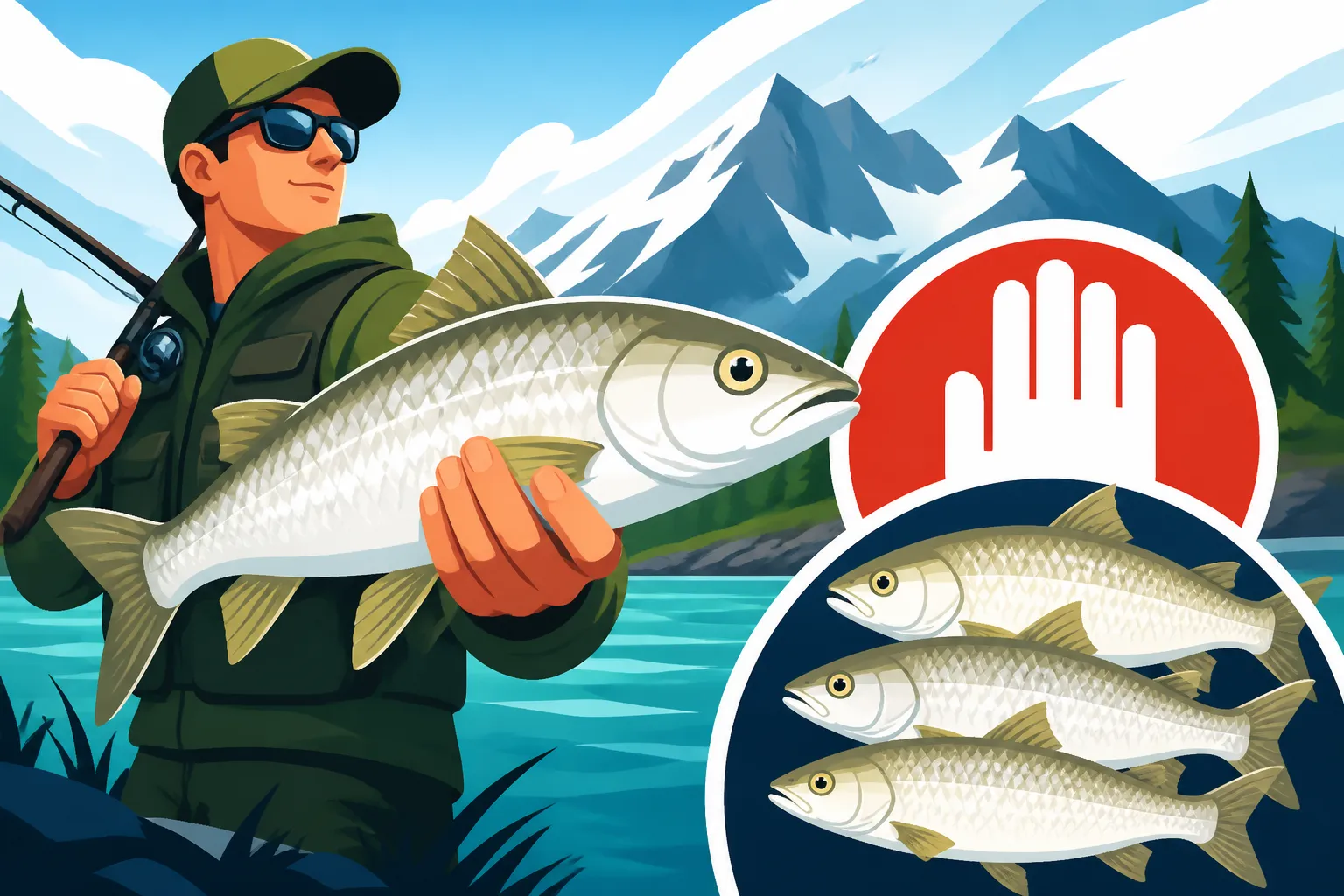
For most waters in Alberta where mountain whitefish are present and open for harvest, the general daily bag limit is 10 mountain whitefish. This means that within a single 24-hour period, from midnight to midnight, you can legally keep up to ten of these fish. This limit applies to the majority of general regulation waters across the province.
It's crucial to understand that this is a daily limit. If you keep ten whitefish on Monday, you must stop fishing for whitefish, or switch to strictly catch-and-release, until Tuesday at midnight. If you catch and release all day and then decide to keep a few for dinner, those count towards your daily limit from the moment they are retained. Always be mindful of your intent and the clock.
Zone-Specific and Waterbody Exceptions
Here’s where it gets a little more intricate. While 10 is the general rule, Alberta's vast and diverse fishing landscape means there are always exceptions. These can be driven by local population health, conservation efforts, or specific management objectives for certain areas.
For instance, some specific rivers or lakes, especially those with particularly sensitive ecosystems or recovering populations, might have reduced limits—perhaps 5, 2, or even a zero possession (catch-and-release only) rule for mountain whitefish. You might find this in some sections of the Bow River, certain stretches of the Crowsnest River, or other high-pressure trout streams where whitefish often co-exist with native trout species. These special regulations are always clearly marked in the Alberta Guide to Sportfishing Regulations and on the MyWildAlberta website. It’s incredibly important to know which zone you are fishing in and check the specific regulations for that waterbody, especially when planning a trip to a new area. What might be legal on the North Saskatchewan River could be strictly prohibited on a small mountain stream in Kananaskis Country.
Possession Limit Explained
The possession limit is often confused with the daily bag limit, but they are distinctly different and equally important. The possession limit refers to the total number of fish of a given species you can have in your possession at any one time, whether they are fresh, frozen, dried, or otherwise preserved. For mountain whitefish, the general possession limit in Alberta is typically 10 mountain whitefish, which mirrors the daily bag limit.
This means if you've been on a multi-day fishing trip and kept 10 whitefish on day one, you cannot keep any more on day two, even if you’re still within your daily limit for that day. Your total "in possession" count, whether at your campsite, in your vehicle, or back home in your freezer, cannot exceed the provincial possession limit. This rule is designed to prevent anglers from stockpiling large quantities of fish over several days, putting undue pressure on fish populations. It's a key part of the Alberta Bag and Possession Limits by Species framework. So, if you're taking a long weekend trip and plan to keep fish, make sure you understand both limits clearly.
| Regulation Type | General Limit (Most Waters) | Key Consideration |
|---|---|---|
| Daily Bag Limit | 10 Mountain Whitefish | Number of fish kept within a 24-hour period (midnight to midnight). |
| Possession Limit | 10 Mountain Whitefish | Total number of fish you can have in your physical possession at any time (fresh, frozen, processed). |
| Important Note | Always check zone-specific and waterbody-specific regulations for exceptions. | These general limits may be reduced or become catch-and-release only in certain areas. |
Best Practices for Responsible Mountain Whitefish Angling
Fishing responsibly means more than just adhering to the limits; it's about minimizing your impact and ensuring the health of the fish and their environment. This is especially true when targeting mountain whitefish, as they often share waters with more sensitive or protected species.
Catch and Release Techniques
Even if you're keeping some mountain whitefish for the pan, chances are you'll catch more than your limit or decide to release some smaller ones. Mastering proper catch-and-release techniques is vital for the survival of those fish.
When releasing mountain whitefish:
- Minimize Air Exposure: Keep the fish in the water as much as possible. Their gills are adapted to extract oxygen from water, and prolonged air exposure, especially in warm weather, can cause severe stress and even death.
- Use Wet Hands: Always wet your hands before touching the fish. Dry hands can remove the fish's protective slime coat, making it vulnerable to disease and infection.
- Handle Gently: Support the fish horizontally, ideally with one hand under the belly and the other gently gripping the base of the tail. Avoid squeezing its body or gills.
- Use Barbless Hooks: Alberta mandates barbless hooks on many waters, especially for trout. Even where not explicitly required for whitefish, using barbless hooks makes hook removal much easier and quicker, reducing stress and injury to the fish. You can buy barbless hooks easily on Amazon, or crimp the barbs on your existing hooks with a pair of pliers.
- Revive Properly: If the fish seems sluggish, hold it gently in the current, facing upstream, until it regains its strength and can swim away on its own. Don't just toss it back; make sure it's ready.
Identifying Mountain Whitefish vs. Other Species
Mistaking a mountain whitefish for another species can lead to unintended regulatory violations, especially when fishing in waters that hold both whitefish and various trout species. Knowing your fish is crucial.
Mountain whitefish typically have:
- Small, conical head and mouth: Their mouth is usually underslung, meaning it's positioned on the bottom of the head, adapted for bottom feeding.
- Large scales: Often larger than those found on trout.
- No teeth on the tongue: A key identifier when compared to trout.
- Adipose fin: Like trout, they possess a small, fleshy fin behind the dorsal fin, but this feature is common to many salmonids.
- Coloration: Generally silvery or olive-green on the back, fading to silver on the sides and white on the belly. They lack the vibrant spots often seen on rainbow or brown trout.
It’s easy to confuse them with other whitefish species, like lake whitefish, but their habitat often differs. Mountain whitefish prefer cold, clear river systems, whereas lake whitefish are typically found in larger, deeper lakes. For a deeper dive into identification, check out our Trout Species Identification Guide for Alberta. When in doubt, it’s always best to release the fish to avoid any potential misidentification issues.
Gear Considerations for Whitefish
While whitefish aren't usually considered tackle busters, using appropriate gear can make a big difference for both your success and the fish's well-being.
- Light Tackle: A light to ultralight spinning rod or a 3 to 5-weight fly rod is perfect. This provides excellent sport and allows for delicate presentations.
- Small Hooks: Whitefish have small mouths, so tiny jigs, nymph patterns, or small flies (size 12-18) are often most effective. Smaller hooks are also easier to remove, especially if they are barbless.
- Nets: A soft, rubberized landing net is ideal. It minimizes stress on the fish's fins and slime coat, making for a safer release. Many excellent options are available from retailers like Amazon.
Penalties and Compliance
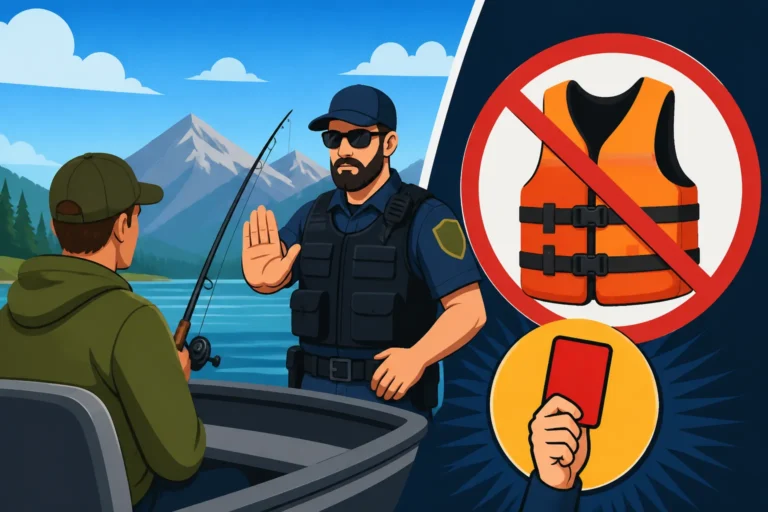
Ignorance of the law is not an excuse. Alberta's fishing regulations are designed to protect the resource, and enforcement officers take their role seriously. Violating the mountain whitefish limits, or any other fishing regulation, can lead to significant consequences that no angler wants to face.
Consequences of Exceeding Limits
Exceeding the daily bag limit or possession limit for mountain whitefish is a serious offense. The penalties can range from hefty fines to the confiscation of your fishing gear, your catch, and even your vehicle or boat. Additionally, you could face a suspension of your fishing privileges, meaning you wouldn't be able to obtain an Alberta Fishing License Guide for 2026 for a certain period.
Fines for exceeding limits vary depending on the severity of the offense and the number of fish over the limit, but they can quickly add up to hundreds or even thousands of dollars. Beyond the financial hit, the embarrassment and potential loss of your ability to fish are deterrents enough for most anglers. For a detailed look at the consequences of non-compliance, you can refer to our guide on Fishing Without a License in Alberta: Penalties, which also covers other common infractions.
The Importance of Carrying Your License and Regulations
Always carry your valid Alberta fishing license and WIN card with you while fishing. Conservation officers frequently conduct checks, and being unprepared can lead to unnecessary delays or even charges, even if you are otherwise compliant with the limits. You can carry a physical copy or a digital version on your phone – refer to Printing or Carrying a Digital Fishing License in Alberta for details.
Equally important is having a copy of the current Alberta Guide to Sportfishing Regulations readily accessible, whether it's the physical booklet or a downloaded PDF on your device. This allows you to quickly verify regulations for specific waters, ensuring you stay within the legal limits and avoid accidental violations. Taking the time to review the rules for your chosen fishing spot before you even cast your line is a small effort that can save you a lot of grief. Remember, these rules are in place to ensure that Alberta's fantastic fishing opportunities, including those for mountain whitefish, remain healthy and vibrant for everyone.
Disclaimer
The information provided in this guide is for general informational purposes only and is subject to change. While we strive to provide accurate and up-to-date content, fishing regulations in Alberta can be complex and are regularly updated. It is the sole responsibility of the angler to consult the official Alberta Guide to Sportfishing Regulations and the MyWildAlberta website for the most current and specific rules pertaining to the waters they intend to fish. We are not responsible for any omissions or errors.