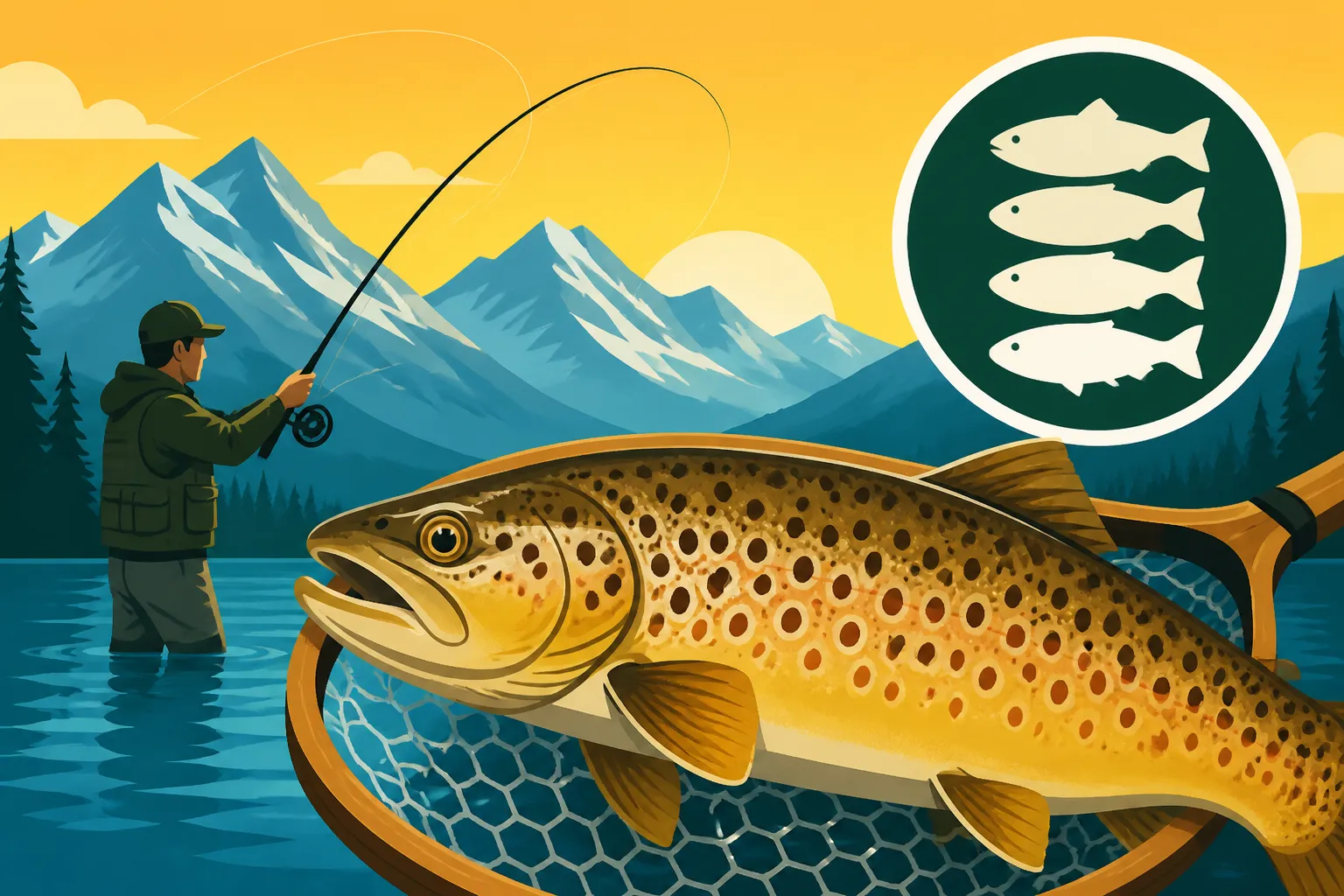
Alberta brown trout daily limit
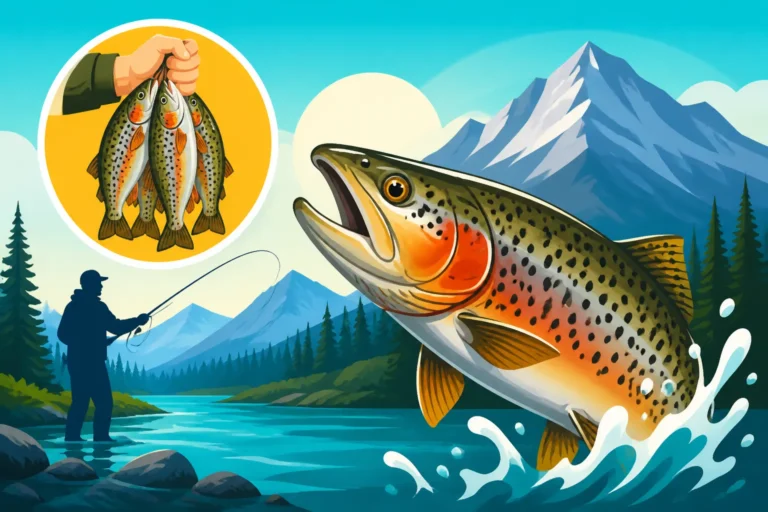
It's incredibly frustrating when you're gearing up for a fantastic day of fishing, maybe on a favourite river like the Bow or Crowsnest, and you find yourself squinting at the regulations, trying to figure out the exact rules for a specific species. Brown trout, with their beautiful spotted flanks and feisty spirit, are a prized catch in Alberta, but navigating their daily limits can sometimes feel like solving a complex puzzle. This comprehensive guide is here to untangle the complexities of Alberta's brown trout daily limits, helping you understand where to find the rules and how to fish responsibly, so you can focus on the thrill of the catch.
Understanding Alberta's General Trout Regulations
Before we dive specifically into brown trout, it’s crucial to understand that they often fall under broader "trout" regulations in Alberta. The province manages its fisheries meticulously, often grouping various trout species like rainbow, brown, cutthroat, and brook trout together for daily limit purposes within certain zones. This approach helps simplify the rules somewhat, but it also means you need to be acutely aware of which general trout regulations apply to your chosen fishing spot.
Why Specific Limits Can Be Tricky
The challenge arises because Alberta's regulations are highly localized. What's perfectly legal on one stretch of river, say, the upper Oldman River, might be a serious violation just a few kilometres downstream or on an entirely different water body. Factors like fish population health, spawning seasons, and conservation efforts for native species (like bull trout or westslope cutthroat trout) all play a significant role in determining these fluctuating rules. You might find a river section designated for "catch-and-release only" for all trout, while another might permit keeping one or two. This variability is why a quick check of the regulations is absolutely non-negotiable before every trip. It's not just about knowing the general rules; it's about knowing the specific rules for that specific water at that specific time.
How to Find the Most Up-to-Date Information
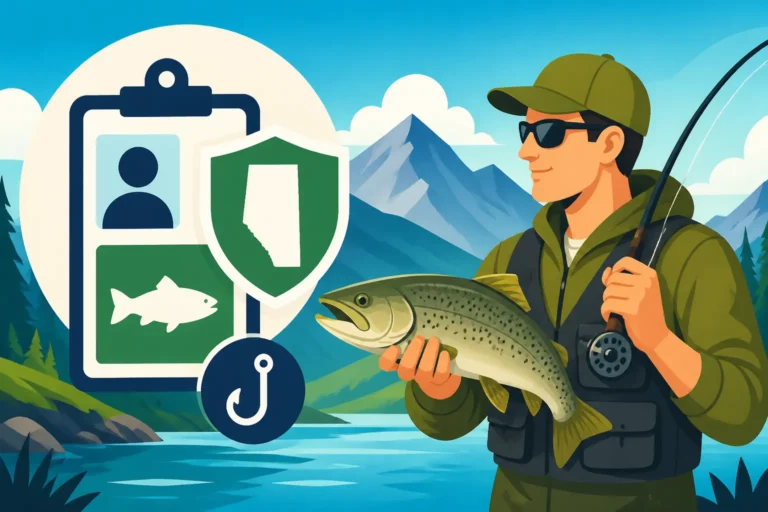
Your absolute best friend for staying current with Alberta's fishing regulations is the official Alberta Guide to Sportfishing Regulations. This guide is updated annually and is the definitive source for all limits, seasons, and special rules. You can pick up a physical copy at most fishing licence vendors, or you can access it digitally through the MyWildAlberta website. Seriously, have it handy. The rules can change, and what was valid last year might not be this year. Beyond the main guide, I highly recommend getting familiar with the Alberta Fishing Regulations App and Zone Lookup, Explained. This app is a game-changer for on-the-go checks, letting you pinpoint your location and see the specific regulations for that water body right on your phone. It's far better than guessing or relying on outdated information from a few seasons ago.
Decoding the Brown Trout Daily Limit in Key Fishing Zones
The actual daily limit for brown trout isn't usually listed as "brown trout: X fish." Instead, it's typically embedded within the general trout limits for a particular water body or zone. You need to identify the specific zone or water you plan to fish, then check the regulations for "trout" or "salmonids" in that area.
Mountain and Foothills Zones
These are often the premier brown trout fisheries in Alberta. Rivers like the Bow River, Crowsnest River, and sections of the Oldman River are renowned for their healthy brown trout populations. In these areas, regulations are often designed to protect larger, wild trout, and you'll frequently encounter special regulations.
For example, on the Bow River near Calgary, anglers might find that the general trout limit allows for 1 or 2 trout per day, but there's often a special size restriction (e.g., only trout under 30 cm or over 45 cm, with a slot limit in between that must be released). Crucially, brown trout often contribute to this overall "trout" limit. If the limit is "2 trout," you can keep two browns, two rainbows, or one of each, provided they meet any size restrictions and fall within the open season dates. Many stretches of these iconic rivers are even designated as Alberta Catch and Release Only Waters, meaning no trout of any species can be retained. This is especially true for delicate populations or specific stretches of water that are heavily fished. Always consult the official guide for the exact stretch you plan to fish. You can learn a lot about specific stretches in the Bow River Fishing Guide.
Prairie and Parkland Zones
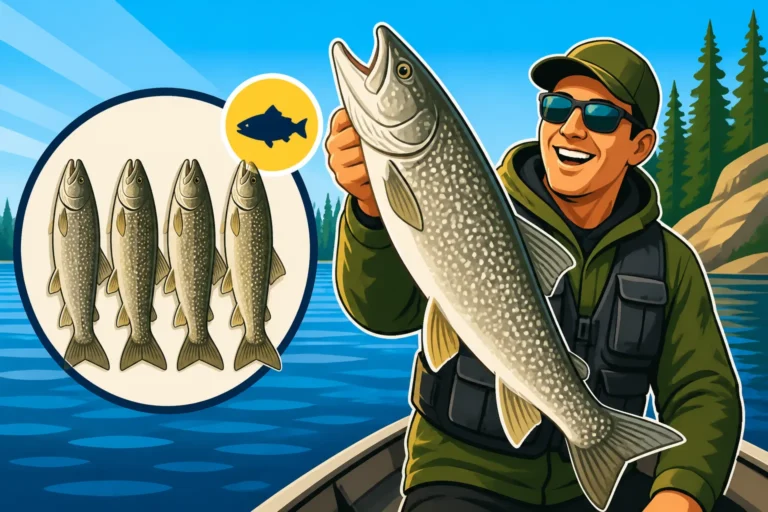
While less common for wild brown trout, many prairie and parkland lakes and ponds are stocked with trout, including browns, to provide accessible fishing opportunities. In these waters, the regulations can be a bit more straightforward, often allowing for a higher daily limit of "trout" (sometimes 3-5 fish), with fewer size restrictions. These stocked waters are fantastic for families or beginners looking to bring home a meal. However, it's still vital to check the specific regulations for each individual lake or pond. Some smaller stocked ponds might have unique rules to manage angler pressure or maintain fish stocks. These regulations often come under the broader Alberta Fishing Season Dates by Zone, so always double-check.
Special Regulation Waters
Beyond general zone rules, Alberta has numerous "Special Regulation Waters." These are specific lakes, rivers, or river sections with unique rules tailored to highly sensitive fish populations, particular conservation goals, or unique angling experiences. For brown trout, this most often translates to:
- Catch and Release Only: No trout of any species can be kept. This is common on highly prized trout streams to protect breeding populations and ensure sustainable angling.
- Barbless Hooks Only: Many special regulation waters, particularly those focused on catch-and-release, mandate the use of barbless hooks to minimize harm to fish. Even if you're allowed to keep a fish, it's generally good practice to use barbless hooks. You can find more information on this in the guide on Alberta Barbless Hook Requirement Waters.
- Size Restrictions: As mentioned, slot limits (e.g., you can keep fish under 30 cm or over 45 cm, but must release those in between) or minimum/maximum size limits are common. These are designed to protect specific age classes of fish, often the prime breeding stock.
It's paramount to be aware of these special regulations, as they supersede the general zone rules. Failing to adhere to them, even inadvertently, can lead to fines or loss of fishing privileges, which nobody wants.
Here’s a quick overview of how daily limits might look, but always check the current regulations for your specific water body:
| Water Body Type / Zone | Common Trout Limit (including Brown Trout) | Notes |
|---|---|---|
| Mountain Rivers (e.g., Bow River, Crowsnest) | 0-2 trout, often with size restrictions | Many sections are Catch & Release. Barbless hooks often required. |
| Foothills Streams (e.g., Oldman River tribs) | 0-2 trout, varying size limits | Can be highly variable, check exact stretch. |
| Stocked Prairie Ponds/Lakes | 3-5 trout (mixed species often) | Fewer size restrictions, good for harvest. |
| Catch & Release Designated Waters | 0 trout (all must be released) | Often found on highly productive wild trout fisheries. |
Remember, this table is a general illustration. The official Alberta Guide to Sportfishing Regulations is your source of truth.
Catch and Release Best Practices for Brown Trout
Given that many of Alberta’s prime brown trout waters have catch-and-release rules or strict limits, knowing how to release a fish properly is just as important as knowing how to catch one. Brown trout, especially the larger, older ones, are incredibly valuable to the ecosystem and the angling experience. Responsible handling dramatically increases their survival rate.
Minimizing Stress and Injury
When you hook a brown trout, especially a larger one, the fight can be exhilarating. However, prolonged fights, especially in warm water, can exhaust a fish to the point where it can't recover. Here are some tips:
- Land the Fish Quickly: Use appropriate gear that allows you to bring the fish in without an excessively long fight. This is where a good quality rod and reel setup comes into play. For instance, using a medium-light rod for river trout can help you subdue the fish efficiently. If you're looking for new gear, you can find excellent options for Best Fishing Rods for Alberta Rivers on sites like Amazon.
- Keep it Wet: Try to keep the fish in the water as much as possible. If you must remove it for a quick photo, do so gently and hold your breath – if you can't hold your breath, the fish has been out of water too long!
- Handle Gently: Wet your hands before touching the fish. Dry hands can remove the fish's protective slime coat, making it vulnerable to disease. Avoid squeezing the fish, especially around its gills or belly.
- Use Barbless Hooks: As mentioned, barbless hooks make removal much easier and cause less damage. If your hooks aren't barbless, simply pinch down the barb with pliers.
- Remove Hooks Quickly: Use forceps or long-nosed pliers to carefully remove the hook. If the fish is deeply hooked (which is less likely with lures or flies), cut the line as close to the hook as possible rather than trying to rip it out. The hook will often dissolve or rust out over time.
Essential Gear for Responsible Angling
Having the right tools on hand makes a world of difference for successful catch and release.
- Rubberized Landing Net: A net with a rubberized, knotless mesh is crucial. Traditional knotted nylon nets can remove the fish's slime coat, damage fins, and even entangle hooks, causing more stress and injury. A quality rubber net cradles the fish safely. You can easily find a great Best Landing Net for Trout on Amazon that will protect your catches.
- Forceps or Pliers: These are non-negotiable for quick and safe hook removal. Long, curved forceps are excellent for smaller hooks, while sturdy long-nosed pliers are better for larger hooks or toothy species. Keep them easily accessible on your vest or waders.
- Measuring Tape/Camera: If you want to record the size of your catch for personal records, use a flexible measuring tape that won't harm the fish. Capture photos quickly, ideally with the fish partially submerged.
- Dehooking Tools: Some anglers prefer specialized dehooking tools, especially for deep-set hooks. These can be very effective when used correctly.
Practicing these techniques ensures that the brown trout you release have the best possible chance of survival, contributing to the health and vitality of Alberta's fisheries for years to come.
The Importance of Conservation and Ethical Angling
Alberta's brown trout populations are a precious resource, providing incredible angling opportunities. However, like all wild fish populations, they are susceptible to environmental pressures and human impact. Our collective actions as anglers play a huge role in their continued health.
Protecting Our Brown Trout Populations
Conservation isn't just about following the rules; it's about adopting an ethos of stewardship. Many factors impact brown trout, from habitat degradation to water quality changes. By adhering strictly to daily limits and practicing careful catch and release, we help ensure that enough fish survive to spawn and sustain the population. Supporting local conservation initiatives, participating in habitat restoration, and being mindful of your impact on the riverbank are all ways to contribute. For instance, being aware of Brown Trout Fishing in Alberta means understanding their habitat needs and respecting spawning areas. Always be mindful of closed seasons or specific restrictions on certain stretches of water during sensitive periods like spawning.
Reporting Violations and Understanding Penalties
Unfortunately, not everyone adheres to the regulations. If you witness someone violating fishing regulations – whether it's keeping over the limit, fishing out of season, or using illegal gear – it's important to report it. Alberta's Report A Poacher line is 1-800-642-3800. Providing details like location, time, vehicle description, and what you observed can make a real difference.
The penalties for fishing without a license or violating regulations can be substantial. Fishing Without a License in Alberta: Penalties can include hefty fines, seizure of gear, and even a ban from fishing for a period. These aren't just minor infractions; they're serious offences designed to protect our natural resources. Ignorance of the rules is rarely an accepted excuse, which is why having your Alberta Fishing License Guide for 2026 and the current regulations handy is so vital. We all have a responsibility to know the rules and do our part to protect these amazing Best Fishing Rivers in Alberta and their inhabitants.
Disclaimer
The information provided in this guide is for general informational purposes only and does not constitute legal advice. Fishing regulations in Alberta are subject to change, and it is the angler's sole responsibility to consult the most current Alberta Guide to Sportfishing Regulations before engaging in any fishing activities. Always verify specific limits, seasons, and restrictions for your chosen water body directly from official government sources.