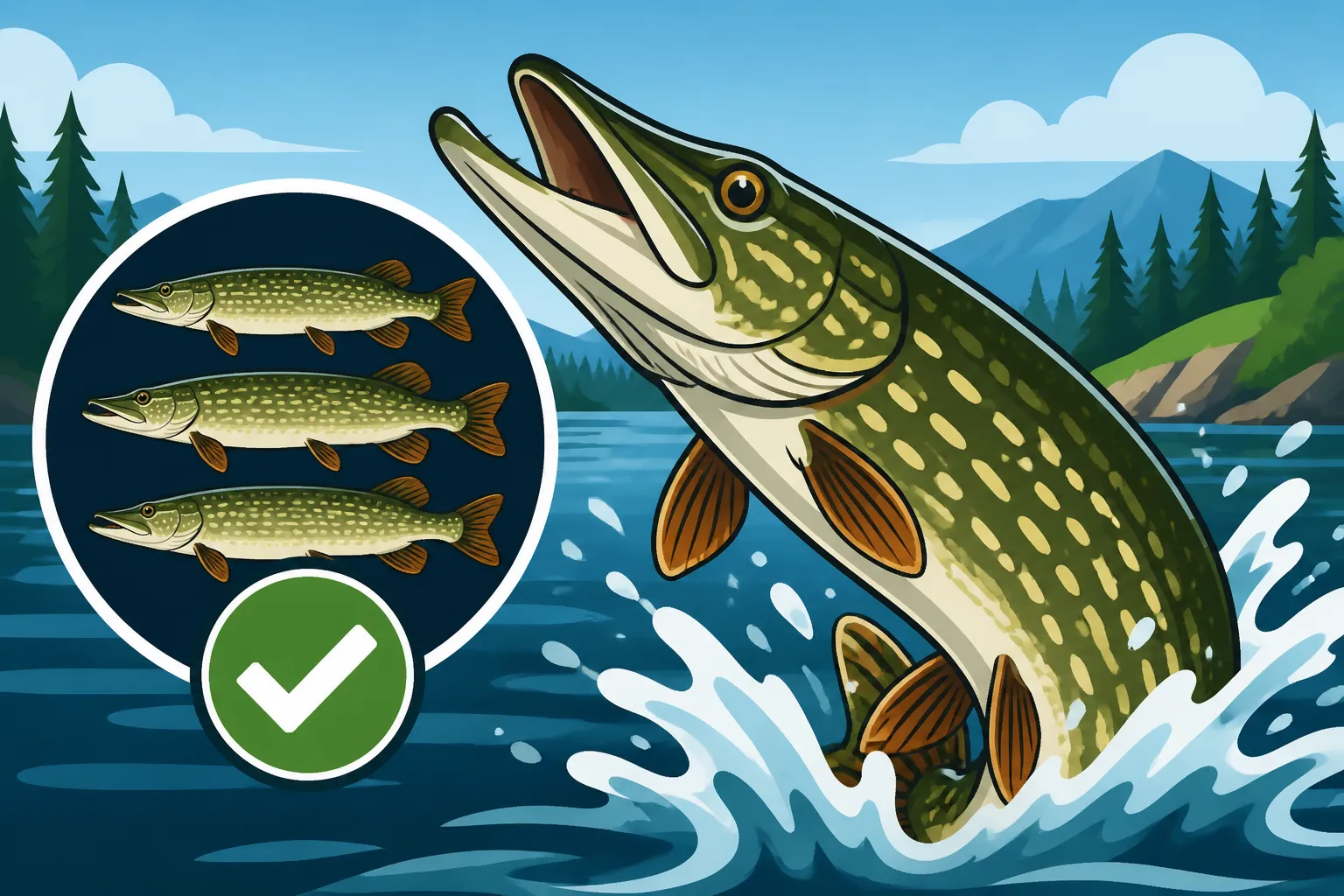
Alberta northern pike daily limit
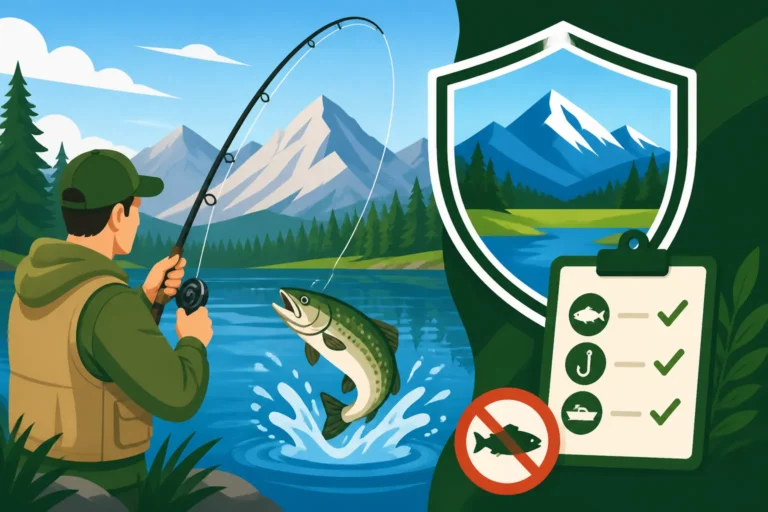
It's incredibly common for anglers, even seasoned ones, to feel a bit overwhelmed when navigating the specifics of Alberta's fishing regulations. Trying to figure out the exact daily limit for a species like northern pike can be a real head-scratcher, especially with different rules applying to various lakes and rivers. Don't worry, you're not alone in that frustration! This guide is designed to cut through the confusion and give you a crystal-clear understanding of the daily limits for northern pike across Alberta, so you can fish confidently and responsibly.
Understanding Northern Pike Regulations in Alberta
Northern pike are one of Alberta's most iconic and popular game fish, known for their aggressive strikes and impressive size. Because they're such a sought-after species, managing their populations is absolutely crucial to ensure healthy fisheries for generations to come. This is where regulations, particularly daily limits, play a vital role.
Why Daily Limits Exist for Northern Pike
It might feel like just another rule to remember, but the daily limits for northern pike aren't arbitrary. Pike are top predators in many of Alberta's aquatic ecosystems, and their populations, particularly the larger, breeding-size fish, can be quite susceptible to overfishing if left unchecked. Imagine a scenario where everyone keeps every pike they catch from a popular lake – it wouldn't take long before the numbers dwindled, impacting not only the fishing experience but also the entire food web.
These limits are set by fisheries biologists who study pike populations, growth rates, and spawning success. They're designed to maintain a sustainable number of fish, allowing enough to reproduce and keep the ecosystem in balance. It's a tricky balancing act, and sometimes limits need to be adjusted based on new data or environmental factors. It's all about ensuring that those thrilling pike battles we love continue for our kids and grandkids.
Key Regulatory Concepts for Pike Anglers
When we talk about "limits," it's important to understand a couple of core concepts that govern how many northern pike you can legally possess. The first is the daily limit, which refers to the maximum number of fish you can catch and keep in a single day, regardless of how many you might have released. The second, and often overlooked, is the possession limit, which is the total number of fish of a certain species you can have in your possession at any given time, whether they're in your livewell, cooler, freezer at home, or even being transported. In Alberta, for most species, the possession limit is the same as the daily limit. This means if the daily limit for pike is 3, you can't have more than 3 pike total in your possession.
Beyond just the numbers, many regulations also involve slot limits or size restrictions. A slot limit means you can only keep fish within a specific size range, or you might be allowed to keep a certain number of fish of any size and one larger fish, for example. These are specifically designed to protect either the smaller, immature fish or the large, productive breeding stock. You'll also encounter "Zero (0)" possession limits in some areas, which means all pike caught must be immediately and safely released. For a deeper dive into the broader regulatory framework, you might find our guide on Alberta Fishing Regulations Explained really helpful.
Alberta Northern Pike Daily Limits by Zone
This is where the rubber meets the road, and it's also where things can get a little complicated because Alberta's regulations are highly specific to different water bodies and management zones. There isn't just one blanket rule for all northern pike in the province.
General Province-Wide Rules
While there are many exceptions, the most common or "general" provincial daily limit for northern pike in Alberta is 3 pike. This applies to many of the larger, easily accessible "Open" waters that don't have specific regulations detailed in the annual guide. For instance, if you're fishing a smaller lake or a stretch of river that isn't listed with its own unique rules, you'd typically default to this limit. However, and this is a big "however," it is absolutely crucial to verify the specific regulations for the exact water body you plan to fish, as overrides are very common. Trust me, it's far better to spend a few minutes checking than to face a hefty fine!
Specific Zone and Waterbody Regulations
Here's where the nuances come into play. Alberta is divided into different sportfishing zones – Northern, Central, and Southern – and within these, countless individual lakes and rivers have their own unique rules. For northern pike, these specific regulations often involve reduced limits, catch-and-release rules, or those aforementioned slot limits.
Let's look at some hypothetical but illustrative examples, which are often found in the actual regulations:
- Zero Possession Waters: Some incredibly popular pike fisheries, or waters where populations are particularly vulnerable, are designated as "Zero (0)" possession. This means that all northern pike caught must be immediately released, regardless of size or condition. You might find this in some smaller, heavily pressured lakes near urban centers, or in specific conservation areas. For example, popular fishing destinations like Pigeon Lake or Keho Lake can have zero possession limits for pike depending on the year's regulations, which means you enjoy the fight but send them back to grow bigger.
- Reduced Limits with Size Restrictions: Other water bodies might allow for a reduced daily limit, perhaps 1 pike, but with a specific size restriction, such as "1 pike over 63 cm." This means you can only keep one pike, and it must be larger than 63 centimeters (about 25 inches). This type of regulation often aims to protect the abundant smaller and medium-sized fish while allowing anglers to keep a single trophy-sized fish. Lesser Slave Lake, a renowned pike fishery, might have rules like this, often adjusted seasonally.
- Border Waters: Waters that straddle provincial or international borders, like Cold Lake which is shared with Saskatchewan, often have unique regulations that are agreed upon by both jurisdictions. These can sometimes be more complex, so always pay extra attention when fishing these areas.
To really help visualize this, here's a simplified table illustrating common Northern Pike daily limits you might encounter in Alberta. Remember, this is illustrative and you must consult the official guide for the water you're fishing!
| Water Body Type / Zone Example | Northern Pike Daily Limit | Notes / Specifics |
|---|---|---|
| Most "Open" Waters (General Rule) | 3 pike | This is the standard unless a specific regulation overrides it. |
| Specific Lakes/Rivers (e.g., heavily fished areas) | 0 pike | Catch and Release Only. All pike must be immediately and safely returned. |
| Specific Lakes/Rivers (e.g., some large productive lakes) | 1 pike over 63 cm | You can only keep one pike, and it must be larger than 63 cm. Other sizes released. |
| Specific Lakes/Rivers (e.g., certain designated zones) | 1 pike | Only one pike of any size can be kept. |
Reading the Alberta Guide to Sportfishing Regulations for Pike
I know, I know, pouring over a government document isn't exactly most people's idea of a fun afternoon, but when it comes to understanding your Alberta Fishing Regulations Explained and specifically pike limits, the annual "Alberta Guide to Sportfishing Regulations" is your bible. This guide is published every year and is the definitive source for all rules and regulations. You can find it online on the MyWildAlberta portal or pick up a physical copy at most tackle shops or license vendors.
When you open the guide, start by looking for the section that outlines the different fishing zones. Find the zone where your chosen fishing spot is located. Then, within that zone's section, you'll usually find an alphabetical listing of water bodies. Look up your specific lake or river. If it's listed, it will clearly state the daily limit for northern pike (and other species), along with any size restrictions, special harvest draw rules, or season dates. If your water body isn't listed under a specific zone, then the general regulations for that zone typically apply. It's also worth downloading the MyWildAlberta app to your phone; it makes looking up regulations on the go incredibly easy, especially when you're out on the water. This guide on Reading the Alberta Guide to Sportfishing Regulations can walk you through it in more detail.
Practical Tips for Adhering to Pike Limits
Knowing the rules is one thing, but practically applying them out on the water is another. There are a few things you can do to make sure you're always staying within the legal limits and contributing to healthy fisheries.
Measuring and Identifying Pike Correctly
When slot limits or minimum/maximum size restrictions are in place, accurate measurement is paramount. Most regulations refer to the total length of the fish, which means measuring from the tip of its snout to the tip of its tail, with the tail squeezed together. You absolutely need to carry a reliable measuring device with you. A flexible tape measure or a rigid measuring board (many of which are available on Amazon) are excellent tools. Ensure you know the exact legal length requirements for the specific water body you're fishing.
It's also important to correctly identify the fish you've caught. While northern pike are fairly distinct with their elongated body, duck-bill snout, and single dorsal fin set far back on their body, new anglers might sometimes confuse them with their slimmer cousin, the walleye, or even younger burbot. Knowing your fish species is fundamental to complying with specific limits. For more on the species itself, check out our piece on Northern Pike Fishing in Alberta.
Managing Your Catch and Release
Even if you intend to keep fish, you'll inevitably catch more than your limit or fish that don't meet slot requirements. That's where proper catch and release techniques become critical. Northern pike are hardy fish, but they can still be stressed by improper handling, especially the larger ones that have a better chance of passing on their genes.
Here are some tips for safe release:
- Minimize Air Exposure: Keep the fish in the water as much as possible. Even a few seconds of air exposure can be detrimental, especially in extreme temperatures.
- Wet Hands: Always wet your hands before touching the fish. Dry hands can remove the protective slime coat, making the fish more susceptible to infection.
- Support the Body: When lifting a pike for a quick photo, support its body horizontally with one hand under its belly and the other gently gripping the base of its tail. Avoid holding it vertically by the jaw alone, as this can damage its internal organs.
- De-hooking Tools: Pike have sharp teeth, so long-nosed pliers or a specialized de-hooking tool are indispensable for quick and safe hook removal. You can find excellent options for these on Amazon, often saving you a lot of hassle and keeping both you and the fish safer.
- Revive the Fish: If the pike seems sluggish, hold it gently in the water, facing into the current, until it regains its strength and swims away on its own.
Mastering these techniques isn't just about following the rules; it's about being a responsible angler. Our article on How to Catch Bull Trout and Release Them Safely provides some excellent general principles for ethical catch and release that apply to pike as well.
Avoiding Accidental Over-Limits
It's easy to get caught up in the excitement of a good bite, and before you know it, you might realize you've kept one too many fish. Accidental over-limits are still violations and carry penalties. Here’s how to prevent them:
- Know Your Group's Limits: If you're fishing with multiple licensed anglers in a boat, remember that the daily limit applies per person with a valid fishing license. Make sure everyone in your group understands their individual limit. It's not a "boat limit." For example, if two people each have a limit of 3 pike, you can collectively keep 6, but each individual must not exceed their own limit. You can check Alberta Fishing License Age Requirements to confirm who needs a license.
- Keep a Running Count: Especially during a hot bite, it's a good idea to keep a mental tally or even use a simple clicker counter for the fish you intend to keep.
- Immediate Culling: If you're practicing selective harvest (keeping some, releasing others), decide which fish you're keeping as soon as they're caught. If a fish is legal but you decide to release it in hopes of catching a bigger one, ensure it's released quickly and safely. Don't put it in a livewell and then decide later, as that could count towards your possession limit.
- Clear Storage: Use a dedicated stringer or cooler (again, Amazon has a huge selection of quality fishing coolers) for any fish you intend to keep. This clearly separates them from fish you're releasing and helps you visualize your current count.
The Importance of Responsible Pike Angling
Every time we cast a line, we're interacting with a delicate natural system. Understanding and respecting northern pike limits goes beyond just avoiding a ticket; it's about actively participating in the conservation of a valuable resource.
Why Conservation Matters for Pike
Northern pike, often called "waterwolves," are critical to the health of Alberta's aquatic environments. As apex predators, they help keep populations of smaller fish in check, ensuring a balanced ecosystem. A healthy pike population indicates a healthy lake or river overall. Protecting these fish, especially the larger, more mature individuals that contribute most to reproduction and trophy potential, is vital for the long-term sustainability of the sport we all love. Without these regulations and the anglers who respect them, the thrill of catching a big Alberta pike could become a thing of the past. For a deeper dive into their role in the ecosystem, explore our article on Northern Pike Habits in Alberta Lakes.
Supporting Sustainable Fisheries
Your adherence to daily limits, and all other fishing regulations, is a direct contribution to sustainable fisheries management. Every fishing license purchased also helps fund the conservation efforts of Alberta Environment and Protected Areas, supporting everything from habitat restoration to fish stocking programs. If you're ever in doubt about specific regulations or need to report a potential violation, you can contact the Report a Poacher line or visit the MyWildAlberta website. Remember, fishing without a license or exceeding limits can lead to significant Alberta fishing without a license penalty, including hefty fines, so it's always worth ensuring you're compliant. By being informed and responsible, we ensure that Alberta's fantastic pike fishing opportunities remain robust for many years to come.
Disclaimer
The information provided in this guide is for general informational purposes only and is based on publicly available regulations at the time of writing. Fishing regulations in Alberta are subject to change annually and can vary significantly by zone and specific water body. It is the sole responsibility of every angler to consult and comply with the most current "Alberta Guide to Sportfishing Regulations" before heading out to fish. The author and publisher are not responsible for any violations or consequences resulting from the use of this information.