Alberta Lake Trout Limit on Cold Lake
Figuring out the specific fishing regulations for every single lake in Alberta can feel like trying to untangle a hundred yards of fishing line in the dark. It’s especially frustrating when you’re targeting a prize species like Lake Trout in a legendary spot like Cold Lake, only to second-guess yourself on the exact daily limit. This comprehensive guide is here to clear up all the confusion, providing you with the most up-to-date information on Alberta Lake Trout limits specifically for Cold Lake, so you can fish with confidence and stay on the right side of the rules.
Understanding Lake Trout Regulations in Alberta
Alberta is blessed with incredible fishing opportunities, and Lake Trout are a true gem of our northern and mountain waters. But with such valuable resources comes the responsibility of managing them sustainably, which is why regulations are in place. These rules, while sometimes seeming complex, are designed to protect fish populations and ensure healthy fisheries for generations to come.
Why Specific Limits Exist for Lake Trout
Lake Trout are a slow-growing, long-lived species, making them particularly vulnerable to overfishing. Unlike some other fish that reproduce quickly, Lake Trout take many years to reach maturity and contribute to the spawning population. If too many are removed, especially large, reproductively active females, it can take decades for the population to recover. That's why Alberta Environment and Protected Areas (AEPA) meticulously studies these populations, using scientific data to set bag and possession limits. These limits aim to strike a balance between allowing anglers to enjoy their sport and safeguarding the future of these magnificent fish. It’s a delicate dance, and as anglers, we play a crucial role in making sure it works. For a broader understanding, you might want to read our article on Alberta Bag and Possession Limits by Species.
General Alberta Lake Trout Limits vs. Cold Lake Specifics
When you first glance at the Alberta Guide to Sportfishing Regulations, you'll notice general provincial regulations for many species. These are baseline rules that apply unless a specific waterbody has its own, more restrictive (or occasionally more liberal, but rarely for Lake Trout) regulations. For Lake Trout, many lakes across Alberta will have a general daily bag limit, often one or two fish, and sometimes with size restrictions. However, Cold Lake is not just any lake. Its status as a premier Lake Trout fishery means it often has unique management strategies tailored specifically to its population dynamics and angling pressure. Never assume the general provincial rule applies; always check the specific listing for the body of water you intend to fish.
Cold Lake's Unique Lake Trout Management
Cold Lake isn't just a name; it's a profound statement about one of Alberta's deepest and most productive Lake Trout fisheries. Straddling the Alberta-Saskatchewan border, this massive body of water is renowned for its incredible Lake Trout population, often producing true trophy-sized fish. This unique status means its management is handled with extra care and precision.
The Importance of Cold Lake for Lake Trout
Cold Lake is one of the deepest lakes in Alberta, reaching depths of over 200 meters (650 feet). These cold, oxygen-rich depths are exactly what Lake Trout, a species that thrives in deep, clear, cold water, need to flourish. It provides ample habitat, abundant forage fish like cisco (lake herring), and the necessary conditions for successful spawning. This combination has allowed Cold Lake to become a stronghold for Lake Trout, attracting anglers from across Canada and beyond who dream of catching a true giant. The health of this fishery is paramount, not just for sport, but for the ecological balance of the region. If you're planning a trip, our guide on How to Catch Lake Trout in Alberta offers some excellent starting points.
Historical Context of Cold Lake Regulations
Over the decades, Cold Lake's Lake Trout fishery has experienced various management approaches, adapting to scientific findings and angling pressure. There have been times when limits were adjusted to allow for more harvest, and other times, when conservation concerns dictated stricter rules. These changes are rarely arbitrary; they reflect the ongoing monitoring of fish stocks, growth rates, and reproductive success by fisheries biologists. For instance, if surveys show a decline in spawning success or an increase in pressure on larger fish, regulations might tighten. Conversely, if the population is robust and healthy, minor adjustments might be made to allow for a sustainable harvest. This dynamic approach is critical for long-term health.
Current Daily and Possession Limits for Cold Lake
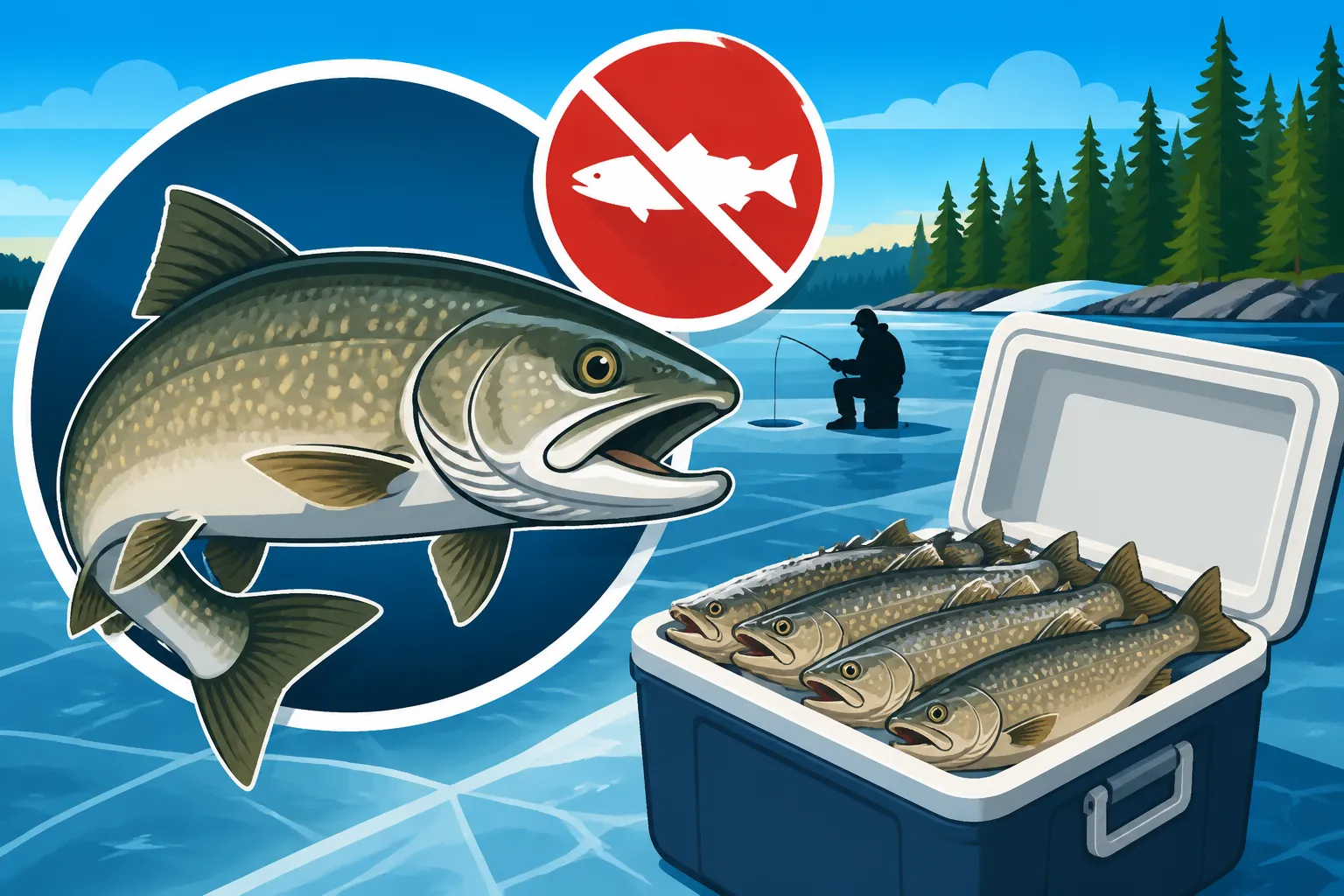
Now, let's get down to the specifics for Cold Lake. As of the current regulations, the daily bag limit for Lake Trout on Cold Lake (found in ES1 – Eastern Slopes Zone 1) is two (2) Lake Trout.
What does this mean for your fishing trip? It means that, in any given day of fishing, you are allowed to keep or harvest a maximum of two Lake Trout.
The possession limit, which refers to the total number of fish you can have in your possession at any time (including those you've kept from previous days and have at your camp, home, or in transit), is generally tied to the daily limit. For Cold Lake Lake Trout, the possession limit is also two (2) Lake Trout. This is a crucial distinction. If you have two Lake Trout in your cooler from yesterday, you cannot keep any more today until you've consumed or processed those first two, reducing your possession count. Always double-check the latest Alberta Guide to Sportfishing Regulations or use the MyWildAlberta app for the most current information, as regulations can change. For more on this, check out Alberta Fishing Regulations Explained.
Table: Cold Lake Lake Trout Limits (ES1 Zone)
| Species | Waterbody | Zone | Daily Bag Limit | Possession Limit | Size Restrictions |
|---|---|---|---|---|---|
| Lake Trout | Cold Lake | ES1 | 2 | 2 | None stated |
Note: Always verify with the official Alberta Guide to Sportfishing Regulations for the most current and authoritative information.
Navigating the Alberta Guide to Sportfishing Regulations
The Alberta Guide to Sportfishing Regulations is your bible when you're out on the water. It contains all the legal requirements you need to know, from license information to species-specific limits and special regulations for individual water bodies. It can seem daunting at first, but with a little practice, it becomes an invaluable tool.
Finding Cold Lake Specifics in the Guide
When you pick up a copy of the guide, don't just flip to the general sections. You'll want to navigate to the "Management Zones" section. Cold Lake falls under ES1 (Eastern Slopes Zone 1). Within this zone, there will be a detailed list of all waterbodies and their specific regulations. Look for "Cold Lake" in this list. This is where you'll find the explicit daily and possession limits for Lake Trout, as well as any other species present in the lake, and any special restrictions like bait bans or barbless hook requirements, though Cold Lake Lake Trout regulations typically do not include size restrictions. It's often helpful to highlight or mark the pages relevant to your target fishing spots. Knowing how to read this guide is essential; we cover it in depth in our article, Reading the Alberta Guide to Sportfishing Regulations.
Interpreting Zones and Waterbody-Specific Rules
The zoning system in Alberta helps manage diverse fisheries across the province. Each zone (e.g., Eastern Slopes, Prairie, Northern Boreal) has overarching rules, but within these zones, individual lakes, rivers, and streams often have their own unique regulations. These waterbody-specific rules override the general zone rules. So, while ES1 might have a general Lake Trout limit, if Cold Lake is listed with a different limit, the Cold Lake limit is the one you must follow. This hierarchical system ensures that regulations are precise enough to protect specific, often unique, fish populations without creating unnecessary restrictions across an entire vast zone. Always remember: waterbody-specific rules take precedence.
Practical Tips for Adhering to Limits on Cold Lake
Knowing the regulations is one thing; actually adhering to them on the water is another. There are practical steps you can take to make sure you always stay within the legal limits and contribute to the conservation efforts for Cold Lake's magnificent Lake Trout.
Measuring and Identifying Lake Trout Accurately
While Cold Lake's Lake Trout regulations typically don't include size restrictions, accurate identification is still paramount. Lake Trout can sometimes be confused with Bull Trout, especially by less experienced anglers. Bull Trout have a zero possession limit in most Alberta waters, making correct identification critical. Lake Trout generally have a deeply forked tail, light spots on a darker body, and a white leading edge on their pectoral, pelvic, and anal fins. Bull Trout have cream to yellow spots on an olive-green to brown body, a less forked tail, and lack the white fin edges of Lake Trout. Always carry a reliable fish identification guide, and if in doubt, release the fish. For measuring, a standard measuring board or tape is sufficient, readily available from outdoor retailers or even online, for example, on Amazon.
Safe Handling and Release Practices
Even if you're within your limit, practicing safe handling and release is incredibly important, especially for Lake Trout. These fish are powerful and can suffer injury during a prolonged fight or improper handling. If you plan to release a fish, land it quickly, keep it in the water as much as possible, and use a net with rubberized, knotless mesh to protect its slime coat and fins. Avoid touching its gills or eyes, and use forceps or pliers to quickly remove the hook. If the fish is deeply hooked, cut the line as close to the hook as possible. Minimizing air exposure is key to a fish's survival. Remember, the goal is to send that fish back healthy to fight another day, possibly becoming a trophy for someone else, or even yourself, in the future. Learning about Bull Trout Catch and Release Survival Tips might give you a broader perspective on handling sensitive fish.
Record Keeping and Why It Matters
Keeping a simple log of your catches, especially if you're fishing for multiple days or planning to take some fish home, can be a lifesaver when it comes to staying within possession limits. A small notebook or a fishing app on your phone can help you track how many fish you've kept and how many you currently have in your possession. This is particularly useful if you're traveling from a remote camp back to your primary residence. Imagine being pulled over by a fish and wildlife officer and being unsure of your exact possession count. A quick glance at your log can alleviate stress and demonstrate your commitment to compliance. It also helps you track your personal bests!
Common Misconceptions and What to Avoid
Even seasoned anglers can sometimes get tripped up by nuances in the regulations. It’s easy to make assumptions, but when it comes to fishing laws, assumptions can lead to hefty fines and frustration. Let's clear up some common areas of confusion.
The Difference Between Daily and Possession Limits
This is perhaps the most common point of confusion. The daily bag limit is the number of fish of a particular species you can catch and keep within a single 24-hour period. The possession limit, on the other hand, is the total number of fish of a particular species you are allowed to have in your control at any given time. This includes fish in your livewell, cooler, freezer at home, or even in your vehicle on the way back from a trip.
For Cold Lake Lake Trout, both limits are 2. This means if you catch and keep two Lake Trout on Monday, and still have them in your possession, you cannot legally keep any more Lake Trout until you consume or dispose of those two, bringing your possession count down. It's not "2 fish per day no matter what." It's "you can never possess more than 2 at any given time." Many anglers find it helpful to think of the possession limit as the maximum number of that species they can have in their cooler, whether fresh from the lake or frozen from a previous trip.
Understanding Exceptions and Special Harvest Licences
While Cold Lake's Lake Trout limits are relatively straightforward (2 daily, 2 possession), some other species, particularly Walleye, have special harvest licence programs in certain lakes. These programs allow anglers, through a draw system, to harvest additional fish beyond the general limit. It's critical to understand that these do not apply to Lake Trout on Cold Lake. There are no special harvest draw licences for Lake Trout on Cold Lake. Always verify if a special program is in effect for any species you intend to harvest, as applying rules from one species or lake to another can lead to unintentional violations. Staying informed is your best defense.
Consequences of Violating Lake Trout Limits
Ignoring or misunderstanding fishing regulations, even unintentionally, can lead to serious repercussions. Enforcement officers take their role in protecting Alberta's fish stocks very seriously, and the penalties for non-compliance are designed to be a significant deterrent.
Penalties and Enforcement
If you are found to be over the daily or possession limit for Lake Trout on Cold Lake, you could face substantial fines. The specific fine amount can vary depending on the severity of the infraction (e.g., slightly over vs. significantly over), the number of fish involved, and whether it's a first offense. Beyond monetary penalties, an officer can also seize your fishing gear, your boat, and even your vehicle. You might also have your fishing license suspended, potentially for several years, effectively preventing you from participating in the sport you love. Enforcement officers regularly patrol popular fishing areas like Cold Lake, both on the water and at boat launches, inspecting coolers and checking licenses. It's not a matter of if you'll be checked, but when. Understanding Alberta fishing without a license penalty can give you an idea of the seriousness with which these regulations are enforced.
The Broader Impact of Non-Compliance
Beyond the personal legal and financial consequences, violating fishing limits has a much broader, more detrimental impact on the fishery itself. Every fish illegally harvested is one less fish contributing to the spawning population, one less fish for another angler to enjoy, and one less fish for the ecosystem. For slow-growing species like Lake Trout, even a small number of over-harvested fish can set back conservation efforts significantly. When regulations are respected by all anglers, it ensures that Cold Lake can continue to be a world-class Lake Trout destination, offering incredible experiences for future generations. Our collective responsibility protects these magnificent resources.
Disclaimer
The information provided in this guide is intended for general informational purposes only and is not a substitute for the official Alberta Guide to Sportfishing Regulations. Regulations can change at any time, and it is the responsibility of each angler to consult the most current official guide and adhere to all provincial and waterbody-specific rules.