Best crawfish imitation lure for trout
There's nothing quite like the thrill of chasing trout in Alberta's pristine waters, but sometimes, getting those finicky fish to bite feels like solving a riddle. Many anglers find themselves scratching their heads when trout ignore classic flies and spinners, unaware that one of their most coveted meals, the humble crawfish, might be the secret weapon. This guide will dive deep into why crawfish imitations are so effective for trout and help you choose the best lures to tempt even the most cautious of Alberta's trout species.
Why Crawfish Are a Trout Delicacy in Alberta
Trout, especially the larger, more aggressive specimens, aren't just eating insects; they're opportunistic predators. And in many Alberta waterways, crawfish, or crayfish as they're also known, represent a substantial, protein-rich meal. Understanding this key part of their diet can drastically change your approach and success on the water.
Understanding Trout Diets
It's easy to think of trout as solely insectivores, sipping tiny flies off the surface or darting after nymphs. While that's certainly true for many, particularly smaller trout or those in highly prolific insect hatches, a big trout is a smart trout, and they're looking for the biggest caloric bang for their buck. A crawfish, with its meaty tail and claws, is a much more substantial meal than a single mayfly or stonefly. In rivers and lakes where crawfish are abundant, they become a primary food source, making up a significant portion of a trout's diet, especially outside of major insect hatches or during periods of higher water where crawfish might be dislodged from their hiding spots. Anglers often overlook this crucial food source, sticking to traditional presentations when a crawfish imitation could be exactly what the fish are looking for.
Where Crawfish Thrive in Alberta
Crawfish aren't found in every Alberta river or lake, but where they are, they can be plentiful. They prefer rocky bottoms, areas with submerged wood, and plenty of cover where they can hide from predators like trout, pike, and even otters. You'll often find them in the slower-moving sections of rivers, under rocks in current breaks, or scuttling along the bottom of lakes and ponds. Waters with good water quality and consistent temperatures are ideal for them. For instance, some sections of the Bow River Fishing Guide and tributaries, or certain clear-water lakes, can have thriving crawfish populations. When you're scouting a new spot, look for these types of habitat. If you flip over a rock and find a crawfish scuttling away, you know you've hit paydirt for an effective lure choice!
Key Characteristics of a Great Crawfish Imitation Lure
Not all crawfish imitations are created equal. To fool a wary Alberta trout, your lure needs to mimic the real thing in several critical ways. It's about more than just looking like a crawfish; it's about acting like one too.
Size and Profile
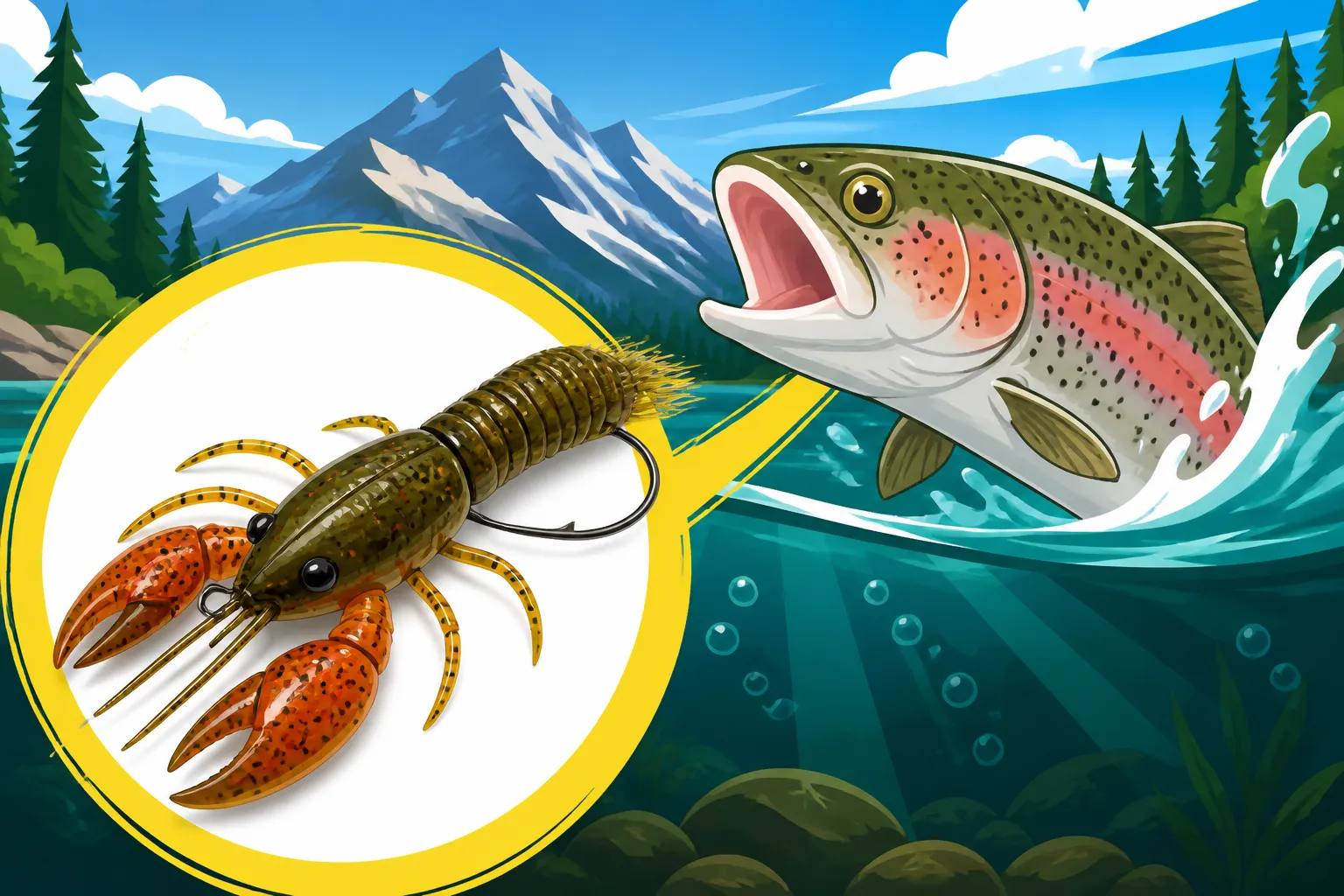
The first thing a trout notices is the overall size and shape of your offering. A good crawfish imitation should have a relatively compact, bulky body, often with a flattened underside and prominent claws. The size should match the natural crawfish in the particular water you're fishing. Too big, and trout might ignore it or be intimidated; too small, and it might not offer enough perceived nutritional value to warrant the effort. In most Alberta trout waters, a crawfish imitation in the 1.5-inch to 3-inch range is usually a good starting point, though larger trout in bigger rivers might readily attack something closer to 4 inches. Pay attention to the local forage. If you can, try to catch a real crawfish to get a sense of the average size.
Color Considerations
Crawfish aren't always bright red. Their coloration varies widely depending on the water clarity, bottom composition, and their diet. In clear, rocky streams, they might be more mottled brown, olive, or even greenish to blend in with their surroundings. In muddier or stained waters, they could take on darker browns, reds, or even black hues. A good rule of thumb for Alberta trout fishing is to start with natural, earthy tones like olive, brown, green pumpkin, and rust. However, don't be afraid to experiment with brighter colors like orange or red, especially during periods when crawfish might be molting (when their shells are soft and often brightly colored) or when fish are particularly aggressive. Many brands offer fantastic multi-tonal lures that really capture this natural variation. Stores like Bass Pro Shops often have a dedicated section for these realistic imitations.
Action and Movement
This is where a crawfish imitation truly shines. Real crawfish don't swim gracefully; they scuttle along the bottom, hide under rocks, and when threatened, they quickly "tail-flip" backward to escape. Your lure needs to replicate this erratic, bottom-hugging movement. Lures with prominent claws or appendages that flutter and kick with minimal movement are excellent. When retrieved, they should impart a subtle thumping or wiggling action, simulating a crawfish trying to burrow or move. The ability to pause the lure and let it settle naturally on the bottom, with its claws slowly rising and falling, can be absolutely deadly. This is often achieved with soft plastic lures that have flexible appendages, but even hard baits can incorporate realistic movements.
Top Crawfish Lure Types for Alberta Trout
When it comes to imitating crawfish, anglers have a few excellent options, each with its own advantages depending on the fishing situation and your preferred technique.
Soft Plastic Craws
These are arguably the most versatile and realistic crawfish imitations. Made from flexible plastic, they come in a vast array of shapes, sizes, and colors, often infused with scents to further entice fish. The soft texture feels natural to a trout, encouraging them to hold on longer, giving you more time to set the hook. They are fantastic for mimicking a crawfish scurrying along the bottom or doing its defensive tail-flip.
You can rig soft plastic craws in various ways:
- Jigheads: A simple jighead allows you to bounce and drag the lure along the bottom, making it hop and flutter. This is a classic method for probing rocky riverbeds or lake structures.
- Texas Rig: This weedless setup is perfect for fishing through heavy cover like submerged logs or thick weeds, where crawfish often hide. It prevents snags and allows you to present the lure right where the big trout are lurking.
- Drop Shot: For suspended fish or when you need to keep the bait in a specific zone, a drop shot rig can be incredibly effective, allowing the crawfish to hover naturally off the bottom.
Many anglers swear by brands that produce incredibly detailed soft plastic craws, and you can find a massive selection, from budget-friendly options to premium hand-poured varieties, on platforms like Amazon. The key is to select one with lively claws and antennae that move with the slightest current or rod twitch. These lures truly excel in Spring Trout Fishing Techniques for Alberta Streams when trout are actively feeding after the long winter.
Hard Plastic Craws and Jigs
While less common specifically for trout, hard plastic crawfish imitations and specialized jigs can also be very effective. Hard plastic crankbaits designed to imitate crawfish typically dive quickly and have a tight wobble, mimicking a crawfish fleeing or moving aggressively. These are often better suited for covering water quickly in lakes or larger rivers where trout are more actively chasing.
More relevant for trout are crawfish-patterned jigs, often sporting natural hair, silicone skirts, or even marabou. These jigs, especially those with a bulky profile and a "living" skirt, can effectively imitate a crawfish scuttling or dropping into cover. They are excellent for vertical jigging in deeper holes or for casting and retrieving with a series of hops and pauses. Some anglers even combine them with a small piece of soft plastic craw for added bulk and scent. The beauty of these is their durability and the ability to impart a more aggressive action if needed. When exploring different options, look at how the jig is weighted; a well-balanced jig will fall naturally, mimicking a real crawfish.
Fly Fishing Crawfish Patterns
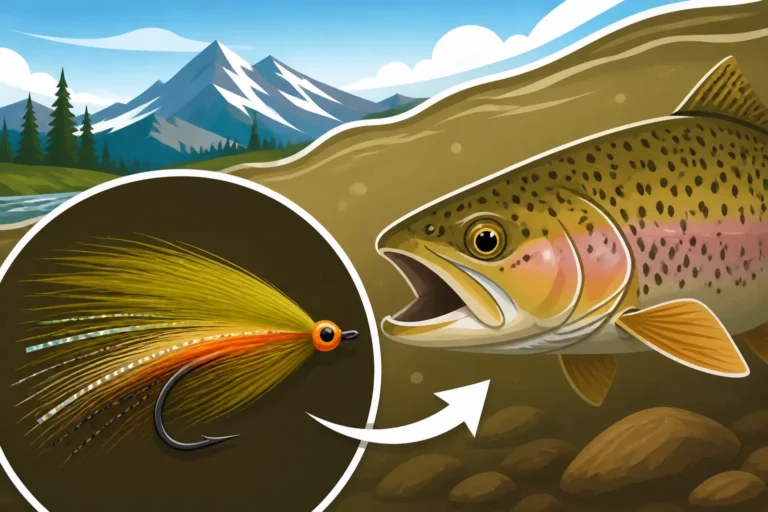
For the dedicated fly angler in Alberta, crawfish patterns are an indispensable part of the arsenal, especially when targeting larger trout on rivers like the Bow. These flies, tied to mimic the natural crustaceans, can be incredibly effective when dead-drifted or slowly stripped along the bottom. They often feature weighted eyes (like dumbbell eyes) to help them sink quickly and stay near the bottom, along with rubber legs or soft hackle to simulate movement.
Popular patterns might include the "Clouser Crawfish," various "Flexo Crab" or "Crayfish" patterns, and locally-tied variations. When choosing a fly, consider the retrieve. You want something that can be stripped or twitched to imitate a crawfish's escape flick or slowly crawled to mimic foraging. Using a short leader with some weight or a sinking line is often crucial to get these patterns down into the strike zone. If you're into Best Fly Fishing Rivers in Alberta, having a few well-tied crawfish patterns in your box is a must. Don't be afraid to fish them on heavier tippet, as big trout are often less leader-shy when aggressively feeding on such a substantial meal.
Fishing Techniques with Crawfish Imitations
Having the best crawfish imitation lure is only half the battle; knowing how to present it effectively is crucial. Trout can be wary, and mimicking the natural behavior of a crawfish will make all the difference.
Bottom-Bouncing and Dragging
This is arguably the most natural way to present a crawfish imitation. Real crawfish spend their lives on or near the bottom, so that's where your lure should be. Using a soft plastic craw rigged on a jighead or a weighted fly pattern, cast it upstream or across current and allow it to sink to the bottom. Once it hits, slowly retrieve it, making sure to maintain bottom contact as much as possible.
Imagine the lure bumping and crawling over rocks, occasionally getting snagged for a second (which can often trigger a strike as it breaks free), just like a real crawfish navigating the riverbed. A slow, steady retrieve with occasional pauses is key. During the pauses, the claws of a soft plastic craw will often rise and fall naturally, creating enticing movement. This technique is especially effective in rocky riffles, current seams, and the slower, deeper pools where trout might be lying in wait for an easy meal. This presentation style is fantastic for targeting larger, bottom-oriented brown trout.
Twitching and Jigging
Crawfish, when startled, will often "tail-flip" backwards in a series of quick, erratic movements to escape. Replicating this escape behavior can be incredibly effective, especially when you suspect trout are nearby but not actively feeding on a slow retrieve.
For soft plastic craws or jigs, cast to your target area and let it sink to the bottom. Then, use short, sharp twitches of your rod tip, followed by pauses. This makes the lure dart and hop, mimicking a crawfish trying to get away. Vary the length and intensity of your twitches, and pay close attention during the pauses – many strikes occur as the lure settles. For fly anglers, this means short, quick strips of the fly line, allowing the pattern to jump forward and then settle. This technique is excellent for probing specific pockets, eddies, and structure where trout might be ambushing prey.
Targeting Structure
Trout and crawfish both love structure. Crawfish hide under rocks, in crevices, around submerged logs, and in weed beds. Big trout often position themselves near this same structure, using it as ambush points to pounce on unsuspecting prey. When fishing crawfish imitations, actively seek out these areas.
Cast your lure directly at or slightly past visible structure – a large boulder, a log jam, or a deep undercut bank. Let the lure sink and then work it as close to that structure as possible. Remember, many crawfish imitations are designed to be relatively snag-resistant, so don't be afraid to get tight to cover. If you're fishing a river with good Alberta Bull Trout Zero Possession Rule, these fish often hold in similar, deep structural elements, and while you must release them immediately, a crawfish imitation might be what tempts them. A methodical approach, picking apart each piece of structure with a few casts, will often yield the best results.
Here’s a quick overview of some popular crawfish imitation types and their best uses:
| Lure Type | Ideal Conditions | Best for Imitating | Pros | Cons |
|---|---|---|---|---|
| Soft Plastic Craws | Rocky bottoms, weed lines, slow rivers | Live or molting crawfish | Highly realistic, versatile rigging | Can be chewed up, less durable |
| Craw-Patterned Jigs | Deeper pools, current breaks | Fleeing or defensive crawfish | Durable, good for aggressive action | Less realistic texture |
| Fly Crawfish Patterns | Clear streams, focused ambush points | Injured or foraging crawfish | Very natural drift, effective for wary trout | Requires fly fishing gear and skill |
| Hard Plastic Crankbaits | Covering water, aggressive fish | Escaping crawfish | Excellent vibration, good for searching | Less subtle, can be too aggressive for some trout |
Remember, no single lure is a magic bullet, but by understanding crawfish behavior and selecting the right imitation and technique, you can significantly increase your chances of hooking into some fantastic Alberta trout. Don't forget to check the specific Alberta Fishing Regulations Explained for your chosen fishing zone before heading out, as rules for specific species and waters can vary. Happy fishing!
Disclaimer
This article is for general informational purposes only and does not constitute professional advice. Laws, prices and regulations vary by location and change over time. Consult a qualified professional for guidance on your specific situation.