Alberta Fishing Season Dates by Zone
Trying to figure out where and when you can legally drop a line in Alberta can feel like trying to solve a complicated puzzle. With a vast landscape encompassing everything from tranquil prairie lakes to roaring mountain rivers, it's no surprise that fishing season dates vary wildly across different zones. This comprehensive guide is here to untangle that complexity, helping you understand Alberta's fishing zone system, navigate the regulations, and confidently plan your next angling adventure, no matter where it takes you.
Understanding Alberta's Zone System for Fishing Seasons
Alberta is a huge province, and its aquatic ecosystems are incredibly diverse. What works for managing fisheries in a warm, shallow prairie lake simply won't cut it for a cold, deep mountain stream. That's why the province has implemented a robust zone system, designed to tailor fishing regulations, including season dates, to the specific needs and vulnerabilities of fish populations in different regions. Ignoring this system is one of the quickest ways to find yourself in hot water with a fisheries officer, so understanding it is paramount.
The Importance of Fishing Management Zones
Imagine if the regulations for catching rainbow trout in the Bow River near Calgary were the same as those for walleye in Lesser Slave Lake up north. It just wouldn't make sense, would it? Different species have different spawning times, growth rates, and environmental sensitivities. The zone system allows Alberta Environment and Protected Areas (AEPA) to implement specific rules that protect fish during critical periods, like spawning, and manage harvest pressure effectively. For instance, a lake that supports a healthy, reproducing walleye population might have a longer open season or higher bag limit than a lake where walleye are struggling or rely heavily on stocking. These zones are crucial for maintaining sustainable fisheries for future generations of anglers. It's not just about rules; it's about ecological balance and ensuring our grandkids can enjoy the same incredible fishing we do today.
Key Regional Zones and Their General Characteristics
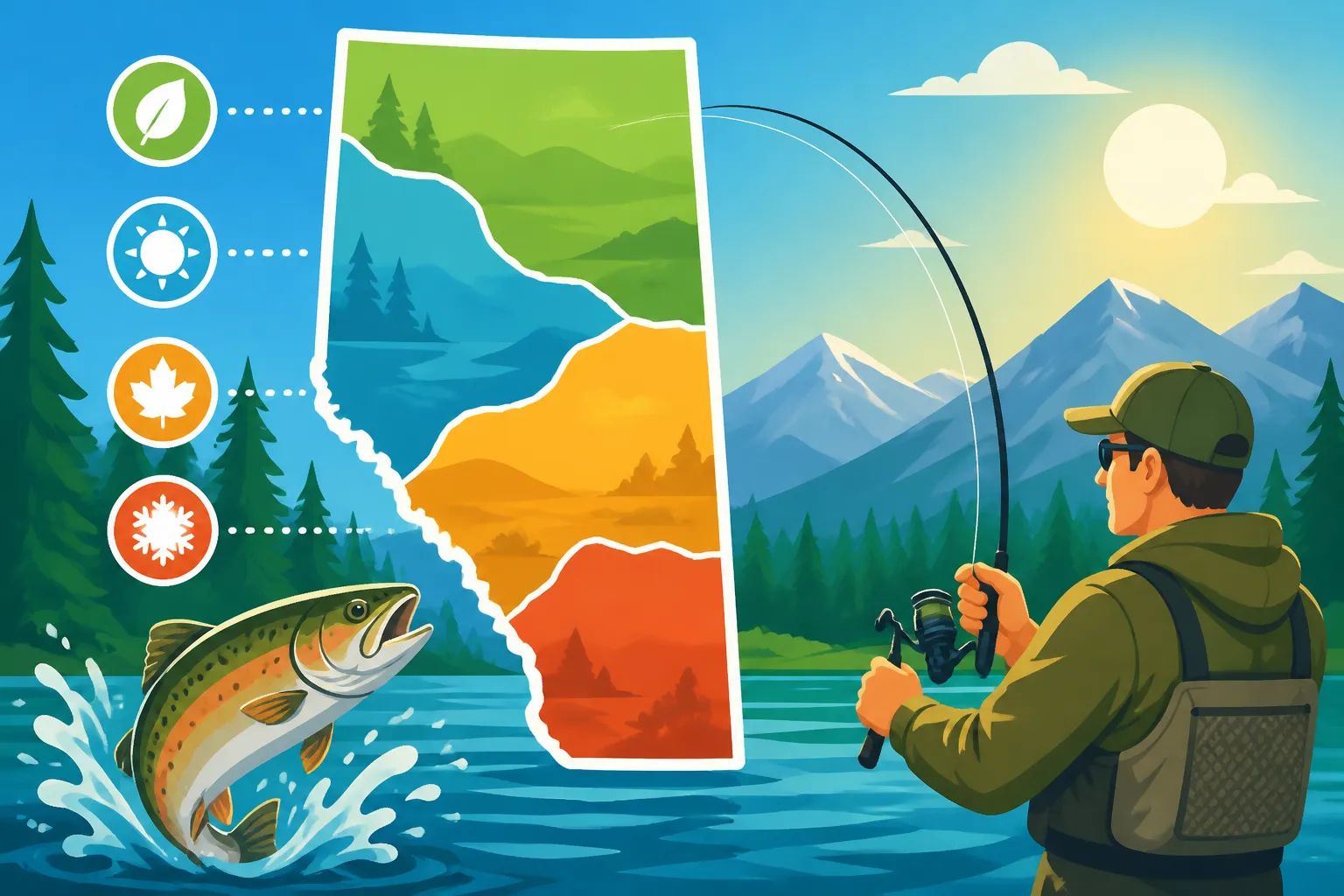
Alberta's fishing regulations divide the province into several major management zones, each with its own set of characteristics and, consequently, its own unique season dates. You'll primarily encounter Prairie Zones (PP), Eastern Slopes Zones (ES), Western Slopes Zones (WS), and Northern Boreal Zones (NB).
- Prairie Zones (PP1, PP2, PP3): These are typically flatter regions, often with warmer, shallower lakes and slower-moving rivers. Think about places like the eastern parts of the province. They tend to have robust populations of warm-water species like walleye, northern pike, perch, and sometimes even carp. Seasons here might focus on managing harvest during peak summer activity or protecting species during early spring spawning.
- Eastern Slopes Zones (ES1, ES2, ES3, ES4): As you move west towards the Rockies, you hit the Eastern Slopes. These areas feature a mix of foothills streams and smaller lakes. Trout species like rainbow, brown, and cutthroat are prevalent here, often alongside mountain whitefish. Seasons are usually designed to protect spawning trout in the spring and fall, with specific "trout opener" dates being a major event for many anglers.
- Western Slopes Zones (WS1, WS2, WS3, WS4): These zones are deep within the mountains and often contain very cold, clear, high-elevation lakes and pristine rivers. This is prime territory for native bull trout (which often have very restrictive, if any, harvest seasons) and other trout species. The fishing pressure here can be intense, so regulations are often very conservative, with many areas designated as Alberta Catch and Release Only Waters.
- Northern Boreal Zones (NB1, NB2): Covering the vast northern reaches of Alberta, these zones are characterized by huge, often remote lakes and extensive river systems. Lake trout, northern pike, walleye, and arctic grayling are key species. Due to the longer winters and shorter open-water periods, seasons here are often structured differently to account for ice-out and ice-up, and to protect slower-growing, long-lived fish like lake trout.
Understanding which zone you're in is the first critical step before even thinking about what day of the year you plan to fish.
Decoding the Alberta Guide to Sportfishing Regulations
The official Alberta Guide to Sportfishing Regulations is your bible when it comes to legal angling. Many anglers find it a bit intimidating at first glance, full of codes and exceptions. But once you learn to navigate it, it becomes an invaluable tool. It's where all the zone-specific season dates, bag limits, and special regulations are laid out in detail. You can easily find the complete guide on the MyWildAlberta website, which is typically updated annually. If you prefer a physical copy, many outdoor retailers carry them, or you can often pick one up at government offices. Even better, you can refer to our guide on Reading the Alberta Guide to Sportfishing Regulations for a detailed walkthrough.
Navigating the Online and Print Guides
Whether you prefer flipping through pages or clicking links, both the online and print versions of the Alberta Guide to Sportfishing Regulations contain the same vital information. The online version, accessible via the MyWildAlberta portal, is usually the most up-to-date, reflecting any in-season changes quickly. It's often broken down into interactive sections, allowing you to click on specific zones or waterbodies to find localized rules. Some anglers even find it helpful to download the PDF version to their phone or tablet, so they have it readily available, even without cell service – a waterproof case, easily found on Amazon, can be a real lifesaver for this.
The physical print guide, on the other hand, is great for marking pages, highlighting key rules, and having a tactile reference. Both versions start with general provincial regulations before diving into the detailed zone-specific rules. Don't skip the introductory sections; they explain important definitions like "sportfishing license" (which you'll need, check out our Alberta Fishing License Guide for 2026) and "possession limit" which are fundamental to understanding the rest of the document. Many frustrated anglers make the mistake of jumping straight to their favorite lake's listing without grasping these basic principles first.
Interpreting General Provincial Regulations vs. Zone-Specific Rules
This is where many anglers get tripped up. The guide begins with general provincial regulations that apply unless superseded by a zone-specific or waterbody-specific regulation. Think of it like this: the provincial rules are the default, but individual zones and specific lakes or rivers have their own unique "house rules" that take precedence. For example, there might be a general provincial regulation for northern pike, but then you'll find a specific entry for the PP1 zone that modifies the pike season dates or bag limits for waters within that zone. Furthermore, within a zone, a specific lake like Sylvan Lake or Pigeon Lake might have even more restrictive rules for certain species or gear types, overriding the general zone rules.
Always consult the most specific listing first. If you're fishing a specific named lake or river, look for that waterbody directly in the guide. If it's not listed, then refer to the general rules for the zone it's located in. And if there are no specific rules for that zone, then the provincial general regulations apply. It's a hierarchical system designed to provide fine-tuned management. This level of detail is critical for understanding Alberta Fishing Regulations Explained fully. A rule of thumb: when in doubt, assume the most conservative (most restrictive) rule applies, or better yet, double-check!
Prairie Zones and Their Unique Fishing Seasons
The Prairie Zones (PP1, PP2, PP3) cover much of central and southeastern Alberta, characterized by a drier climate and agricultural landscapes. The fishing here is dominated by species that thrive in warmer, often shallower waters, leading to season dates that reflect their unique life cycles. Walleye, northern pike, yellow perch, and burbot are common targets, and their seasons are often set to protect them during their spring spawning periods.
Eastern Slopes Zones ES1, ES2, ES3, ES4 Overview and Key Dates
While technically not "Prairie Zones," the Eastern Slopes zones (ES1, ES2, ES3, ES4) often bridge the gap between true mountain and prairie environments. These zones, especially ES1 and ES2, can contain a mix of trout streams and productive prairie-like lakes. For many, the "trout opener" is the most anticipated date. In many Eastern Slopes trout streams and lakes, the season for trout (Rainbow, Brown, Cutthroat, Brook) typically opens around June 1st, or sometimes later in higher elevation areas where ice-out is delayed. Prior to this, many waters are closed to allow trout to complete their spring spawning undisturbed. However, some specific rivers or sections may have unique year-round catch-and-release regulations or other exceptions.
Walleye and Northern Pike in specific ES zone lakes might have season openers in mid-May (e.g., May 15th) and run through the fall, often closing for the winter period to protect them during their slower, colder metabolism, or to prepare for spring spawning. It's crucial to check each specific waterbody. For instance, the popular Bow River, which flows through ES1, has highly specific regulations that permit year-round fishing for trout in certain sections but with very strict catch-and-release rules and gear restrictions. Understanding Alberta Zone-Specific Season Dates, Explained is a must here.
Prairie Zones PP1, PP2, PP3 and Warm Water Species Seasons
The true Prairie Zones (PP1, PP2, PP3) are home to some of Alberta's most popular walleye and pike fisheries. The general pattern here is an open season that kicks off in mid-May, often around May 15th, for species like walleye and northern pike. This timing allows these fish to complete their spring spawning, which typically occurs shortly after ice-out when water temperatures begin to rise. The season then generally runs until late March of the following year, essentially closing just before the next spring spawn. However, specific lakes within these zones can have highly variable season dates and bag limits, especially for walleye due to the success of the Alberta Walleye Special Harvest Licence Program. For example, a lake like Pigeon Lake in PP2 might have its walleye season open on May 15th with a limit of one walleye over a certain size (if a draw license is obtained), while another lake might be entirely catch and release, or even closed to walleye fishing entirely.
Perch and burbot generally have more lenient seasons in these zones, often being open year-round or for very extended periods. This is because they are generally more robust populations or are less susceptible to overfishing than walleye or pike. Still, it's always best to consult the guide. For instance, you might find that while the general season for perch is continuous, a specific lake has a different maximum possession limit or a short closure period. Anglers targeting Alberta Walleye Limit by Zone or Alberta Northern Pike Limit need to pay very close attention to these nuances.
| Zone Type / Example Species | Typical Open Season Start | Typical Open Season End | Common Target Species | Special Considerations |
|---|---|---|---|---|
| Prairie Zones (PP) | May 15th (Walleye/Pike) | March 31st | Walleye, Pike, Perch | Many lakes have Walleye Special Harvest Licenses. Often closed April 1st to May 14th for Walleye/Pike spawning. Perch and Burbot often open year-round. |
| Eastern Slopes (ES) | June 1st (Trout) | Oct 31st (Trout) | Rainbow, Brown, Whitefish, Bull Trout | Specific "trout openers" are common. Many rivers (e.g., Bow River) have year-round catch-and-release sections. Bull trout often zero possession. |
| Western Slopes (WS) | June 15th – July 1st (Trout) | Oct 31st – Nov 30th | Cutthroat, Bull Trout, Rainbow | Often later openers due to ice/snow. Highly restrictive regulations (catch-and-release, barbless hooks) are very common to protect native populations. |
| Northern Boreal (NB) | May 15th – June 1st | March 31st | Lake Trout, Walleye, Pike, Arctic Grayling | Ice-out dependent openers for Lake Trout. Walleye and Pike seasons similar to Prairies, but often longer "closed" periods for Lake Trout. |
Please note: This table provides general examples. Always consult the current Alberta Guide to Sportfishing Regulations for precise and up-to-date information for your specific waterbody and zone.
Northern Zones: Seasonal Challenges and Opportunities
Alberta's vast northern boreal forest regions (NB1, NB2) offer incredible fishing opportunities, but they also present unique challenges. Winters are longer and colder, and the open-water season is comparatively shorter. This means that season dates are often heavily influenced by ice conditions and the specific needs of cold-water species like lake trout and arctic grayling, which mature and reproduce more slowly.
Northern Pike and Walleye Seasons in NB1 and NB2
In the Northern Boreal Zones (NB1, NB2), you'll find an abundance of massive lakes and intricate river systems that are prime habitat for northern pike and walleye. Generally, the season dates for these species in the northern zones tend to mirror those in the prairie regions, with a typical opener around mid-May (e.g., May 15th) after the spring spawning period. The season then usually extends through to late March of the following year, closing just before the ice leaves the lakes and rivers for the next round of spawning. However, the sheer size and remoteness of many northern lakes can lead to specific regulations. For example, some lakes might have more liberal pike limits if their populations are thriving and numerous, while others might be more restrictive for walleye, especially in the more accessible areas.
It's not uncommon to find massive trophy northern pike lurking in these waters, and anglers often plan their trips for early summer when pike are active in shallower bays. Walleye fishing can also be exceptional, but like in the prairie zones, it’s vital to be aware of any specific draw licenses or restrictions that may be in place. Always verify the regulations for the specific lake you're targeting; for instance, a lake like Lesser Slave Lake (partially in NB1) has very specific walleye limits and seasons that might differ from a smaller, less-pressured lake further north. Knowing the Alberta Northern Pike Limit in your chosen zone is essential.
Lake Trout and Arctic Grayling Seasons in Northern Waters
Lake trout and arctic grayling are iconic cold-water species that thrive in the deep, clear, and often remote lakes of Alberta's northern boreal zones. Their season dates are often distinct from those for pike and walleye, primarily due to their different spawning cycles and slower growth rates. Lake trout typically spawn in the fall, often on rocky shoals, and are therefore protected during this period. As a result, many lake trout lakes will have a closed season during the fall months, sometimes from early September through to early December. The open season for lake trout often begins after ice-out, usually in May or June, depending on the specific lake and how quickly the ice retreats. These seasons can extend into the late summer, providing ample opportunity for anglers to target these magnificent fish.
Arctic grayling, a true gem of northern Alberta, also typically spawn in the spring. Their seasons are often structured to protect them during this crucial time, with openers in late May or early June. Due to their sensitive nature and relatively localized populations, grayling often fall under more restrictive regulations, sometimes with zero possession or catch-and-release only rules in certain river systems. When planning a trip to target these species, it's particularly important to cross-reference the specific lake or river in the regulations. For example, Cold Lake, a major lake trout fishery on the Alberta-Saskatchewan border (within NB1), has very detailed regulations for lake trout season dates and possession limits due to its exceptional fishery.
Mountain and Foothills Zones: Trout Seasons and Special Regulations
The mountain and foothills regions of Alberta, encompassed by the Western Slopes (WS) and upper Eastern Slopes (ES) zones, are renowned for their stunning scenery and world-class trout fishing. Here, the focus is heavily on various trout species, including native bull trout, westslope cutthroat trout, and stocked rainbow and brown trout. The season dates and regulations in these areas are often the most complex, reflecting the fragility of these cold-water ecosystems and the need for careful management.
Western Slopes Zones WS1, WS2, WS3, WS4 and Trout Openers
The Western Slopes zones (WS1, WS2, WS3, WS4) are in the heart of Alberta's Rocky Mountains, extending into areas like Banff and Jasper National Parks (though National Parks have their own separate fishing permits and regulations, which must be consulted directly with Parks Canada, not the provincial guide). Provincial waters in these zones are characterized by pristine, glacier-fed rivers and high-alpine lakes. For many of these waters, the "trout opener" is a significant annual event, often delayed compared to lower elevation areas due to persistent ice and snowpack. It's not uncommon for trout seasons in these areas to open in mid-June or even July, running through to late October or early November. This late start ensures that fish have completed their spawning and that waters are safely accessible.
Species like westslope cutthroat trout, which are a protected native species, and bull trout frequently fall under very strict regulations, including mandatory catch-and-release and the use of single, barbless hooks. The sheer beauty of these environments often encourages a conservation-minded approach from anglers, prioritizing the health of the fishery. Always check the specific river or lake you intend to fish, as even within the same zone, a small stream can have dramatically different season dates and limits than a larger river. For specific opening times, our guide on Alberta Trout Season Opener Dates by Zone offers further detail.
Catch and Release vs. Harvest Opportunities in Mountain Streams
The debate between catch-and-release and harvest opportunities is particularly relevant in Alberta's mountain and foothills zones. While many anglers enjoy the challenge of catching and keeping a few fish for a meal, a significant portion of these high-value trout waters are designated as "catch and release only." This is especially true for sensitive native species like bull trout and westslope cutthroat trout. For instance, the Alberta Bull Trout Zero Possession Rule is a critical regulation across most of the province, reflecting their threatened status. Catch-and-release regulations are a cornerstone of modern fisheries management, allowing anglers to enjoy the sport without depleting fish stocks, particularly in waters where natural reproduction is slow or vulnerable.
However, harvest opportunities do exist. Stocked rainbow trout and, in some cases, brown trout, may have open seasons with specific bag limits, allowing anglers to keep a limited number of fish. These are often in easily accessible lakes or rivers where stocking programs supplement natural populations. It's important to remember that even in harvest areas, responsible angling practices, such as careful handling of fish and adherence to bag limits, are paramount. Always confirm whether the waterbody you're fishing is catch-and-release only or if harvest is permitted, and what the specific limits are. Misinterpreting these rules can lead to significant fines.
Special Regulation Waters and Year-Round Fisheries
Beyond the general zone rules, Alberta has a myriad of "special regulation waters." These are specific lakes or rivers that have unique rules overriding the broader zone regulations. It’s here that an angler can often find year-round opportunities or very specific seasonal closures that deviate from the norm. Missing these details can be a costly mistake.
Lakes and Rivers with Unique Season Dates
Many of Alberta's most popular or ecologically sensitive lakes and rivers fall under "special regulations," meaning their season dates (and other rules) are tailored specifically to them, regardless of the zone they reside in. These waters are often explicitly listed in the back section of the Alberta Guide to Sportfishing Regulations. For example, a river like the Crowsnest River in the Eastern Slopes, famous for its trout fishing, has specific sections with different regulations—some might be open year-round for catch-and-release, while others have defined open and closed seasons. Similarly, certain lakes might have extended closures for specific species if conservation efforts are underway, or if they are part of a special program like the Alberta Walleye Special Harvest Licence Program, which can impact season length and harvest opportunity.
These unique rules are put in place for a variety of reasons: to protect vulnerable populations, manage high angling pressure, support specific conservation initiatives, or even to create unique trophy fisheries. Always make it a habit to check the "Special Regulations" section of the guide after you've identified the general zone rules for your chosen destination. This second check is crucial, as a waterbody's listing in this section will always supersede any general zone regulation. To learn more, check out our guide on Special Regulation Waters in Alberta.
Understanding Year-Round Open Water Bodies
While many waters in Alberta have defined open and closed seasons, there are also a number of fantastic year-round fisheries. These are waterbodies where you can fish legally at any time of the year, provided you adhere to all other regulations like bag limits, gear restrictions, and license requirements. Some of the most notable year-round opportunities exist on the Bow River, particularly within and downstream of Calgary, where certain sections allow for continuous catch-and-release trout fishing. These year-round options are a huge draw for local anglers who want to stay on the water even during traditional closed seasons.
However, "year-round" doesn't necessarily mean "anything goes." Often, year-round open waters come with specific restrictions, such as mandatory catch-and-release for certain species, barbless hook requirements, or restrictions on bait use. For example, while the Bow River may be open year-round for trout, you generally cannot keep bull trout, and often, you're restricted to artificial flies and lures with single, barbless hooks. These regulations are designed to sustain the fishery under continuous pressure. It's important to read the fine print for any waterbody listed as year-round, as it will specify exactly what you can fish for, how you can fish, and if you can keep anything.
Planning Your Fishing Trip Around Season Dates
Planning a successful fishing trip in Alberta isn't just about picking a spot; it's crucially about aligning your trip with the legal fishing seasons. Nothing's more disappointing than driving hours to a prime location only to find out the season for your target species is closed, or that the lake is under special restrictions you weren't aware of.
Essential Tools for Checking Current Regulations
In this digital age, checking fishing regulations has never been easier. Beyond the traditional print copy of the Alberta Guide to Sportfishing Regulations, there are several essential digital tools every angler should have:
- MyWildAlberta Website: This is the official source. The website is regularly updated and provides the most current information. You can search by waterbody name or zone, making it very efficient. Many anglers print out the specific pages for their chosen lake or river to have a physical copy on hand.
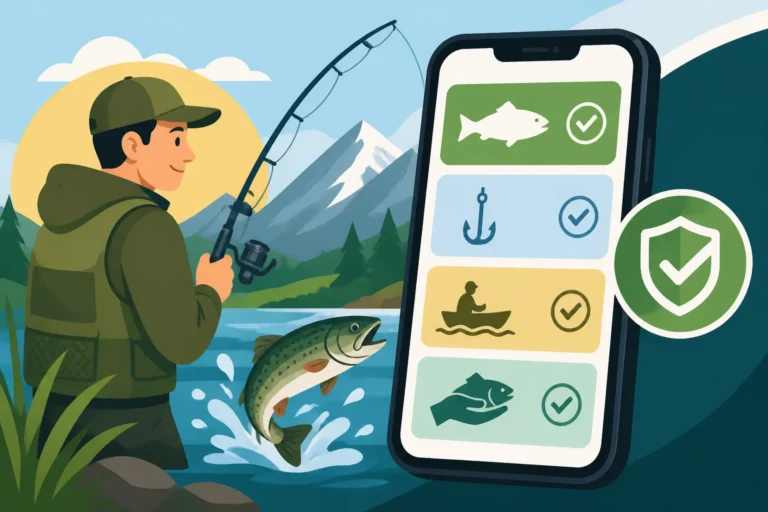
- AlbertaRELM App: This mobile application, available for both iOS and Android, is an incredibly handy tool. It allows you to access your WIN card and fishing license digitally, and crucially, provides direct access to the latest sportfishing regulations. You can search for specific waters, view zone maps, and get real-time updates. Carrying a fully charged phone with the app (and maybe an extra power bank) is a great modern solution. If your phone isn't waterproof, consider a rugged, waterproof phone case, readily available on Amazon, to protect it while on the water. This app essentially puts How to use the Alberta sportfishing regulations app right in your pocket.
- Local Tackle Shops: Never underestimate the knowledge of your local tackle shop owner or staff. They often have real-time, ground-level information about what's open, what's biting, and any recent regulation changes. They're also great for picking up current bait and tackle.
Regardless of the tool you choose, always verify the dates as close to your trip as possible. Regulations can sometimes change mid-season, especially if there are environmental concerns or new fisheries data.
Tips for Adjusting to Seasonal Changes and Closures
Flexibility is a key trait of a successful Alberta angler. Mother Nature and fisheries management often require adjustments to your plans:
- Have Backup Plans: If your primary target lake is closed for walleye, can you pivot to a nearby stream for catch-and-release trout, or maybe a different lake that's open for pike or perch? Knowing multiple spots across different zones or with varied regulations can save a trip.
- Embrace Different Species: Don't limit yourself to just one type of fish. If trout season is closed, consider chasing pike. If pike are slow, perhaps focus on panfish like yellow perch, which often have longer seasons. This allows you to fish more often throughout the year.
- Understand Why Seasons Close: Remembering that closures are often for the protection of spawning fish or vulnerable populations can help temper frustration. It's all part of ensuring healthy fisheries for the long term. This perspective can help you appreciate efforts like the Alberta Walleye Special Harvest Licence Program, which aims to restore populations.
- Utilize Year-Round Options: As discussed, certain waters offer year-round fishing opportunities. These can be lifesavers during traditional closed periods. Familiarize yourself with these spots, keeping in mind any specific gear or catch-and-release rules that might apply. For example, the Bow River through Calgary offers excellent year-round trout fishing, albeit with specific restrictions.
- Check Ice Conditions: For ice fishing, season dates are one thing, but actual ice safety is another. Always check local ice conditions and never venture out onto unsafe ice, regardless of what the calendar says.
By being informed, prepared, and flexible, you can navigate Alberta's diverse fishing seasons and ensure you're always fishing legally and responsibly, making the most of every opportunity the province has to offer.
Disclaimer
The information provided in this guide is for general informational purposes only and is not a substitute for the official Alberta Guide to Sportfishing Regulations. Fishing regulations are subject to change, and it is the sole responsibility of each angler to consult the most current official guide and adhere to all provincial and site-specific rules before engaging in any fishing activity. Always obtain the necessary licenses and permits.