Are Golden Trout Stocked in Alberta’s Alpine Lakes?
There's nothing quite like the crisp mountain air, the sound of an alpine stream trickling over ancient rocks, and the promise of a truly unique catch. For many anglers, the thought of pursuing something as vibrant and elusive as a Golden Trout in Alberta's high-country lakes is a dream come true. You might be wondering if these stunning fish are even present in our alpine waters, or if it's just a rumour whispered around campfires. This guide will dive deep into whether Golden Trout are indeed stocked in Alberta's remote, high-elevation lakes and what that means for your next angling adventure.
The Allure of Golden Trout in Alberta's High Country
When we talk about Golden Trout, we're not just discussing another fish; we're talking about a living jewel. Their striking colours – a brilliant golden body fading to crimson on the belly, often adorned with parr marks that look like a string of pearls – make them stand out from nearly any other trout species you might encounter. Finding them in the wild, nestled in the pristine, often challenging environments of alpine lakes, adds an extra layer of mystique and reward to the pursuit.
What Makes Golden Trout So Special?
Originating from the high Sierra Nevada mountains of California, Golden Trout are renowned for their stunning aesthetics and the incredibly rugged, beautiful landscapes they inhabit. They thrive in cold, clear, nutrient-poor waters, which is exactly what many of Alberta's alpine lakes offer. Their vibrant coloration is not just for show; it's a testament to the purity of their environment and often a sign of a healthy ecosystem. Anglers often speak of a Golden Trout's fight, which, despite their generally smaller size compared to their larger relatives, is spirited and tenacious, especially on light tackle. Catching one feels like a truly special achievement, a connection to the wild heart of the mountains. The rarity of encountering them in many regions also adds to their appeal; it's not an everyday occurrence.
Why Alpine Lakes Are Their Ideal Habitat
Alpine lakes, by their very nature, are often isolated, pristine, and extremely cold. They are typically fed by snowmelt and glacial runoff, resulting in water temperatures that remain low even in the height of summer. This chilly, oxygen-rich environment is perfectly suited for Golden Trout. These lakes also often lack the predatory fish species found in larger, lower-elevation bodies of water, giving Golden Trout a chance to thrive without intense competition or predation. The short growing seasons and limited food sources in these high-altitude environments mean that while Golden Trout might not grow to enormous sizes, they are hardy and perfectly adapted to their niche. They truly are creatures of the high mountains, and Alberta's peaks offer a compelling parallel to their native Sierra haunts.
Golden Trout Stocking Programs in Alberta
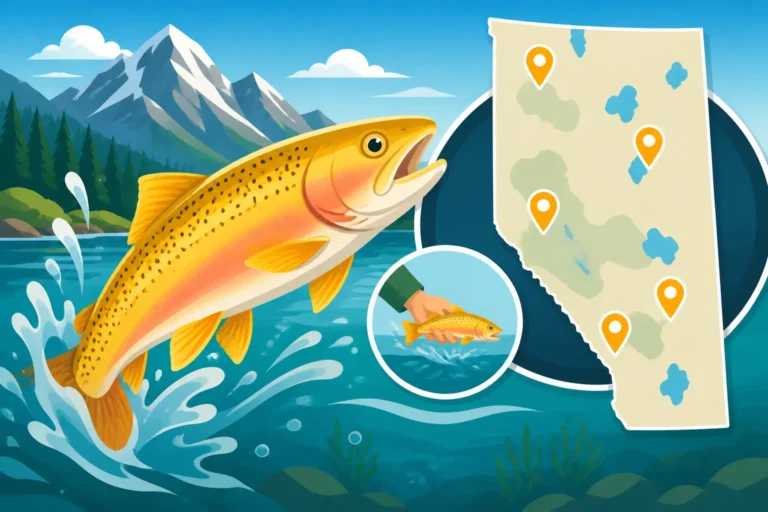
Now, to answer the burning question: are Golden Trout stocked in Alberta's alpine lakes? The answer is a resounding yes, though with some important caveats. Alberta's fisheries management, specifically through provincial programs, has indeed undertaken initiatives to stock Golden Trout in select high-elevation lakes. These aren't widespread, everyday stockings; they are often carefully planned, sometimes decades-long, efforts aimed at creating unique angling opportunities and diversifying the province's fishery offerings.
Past and Present Stocking Efforts
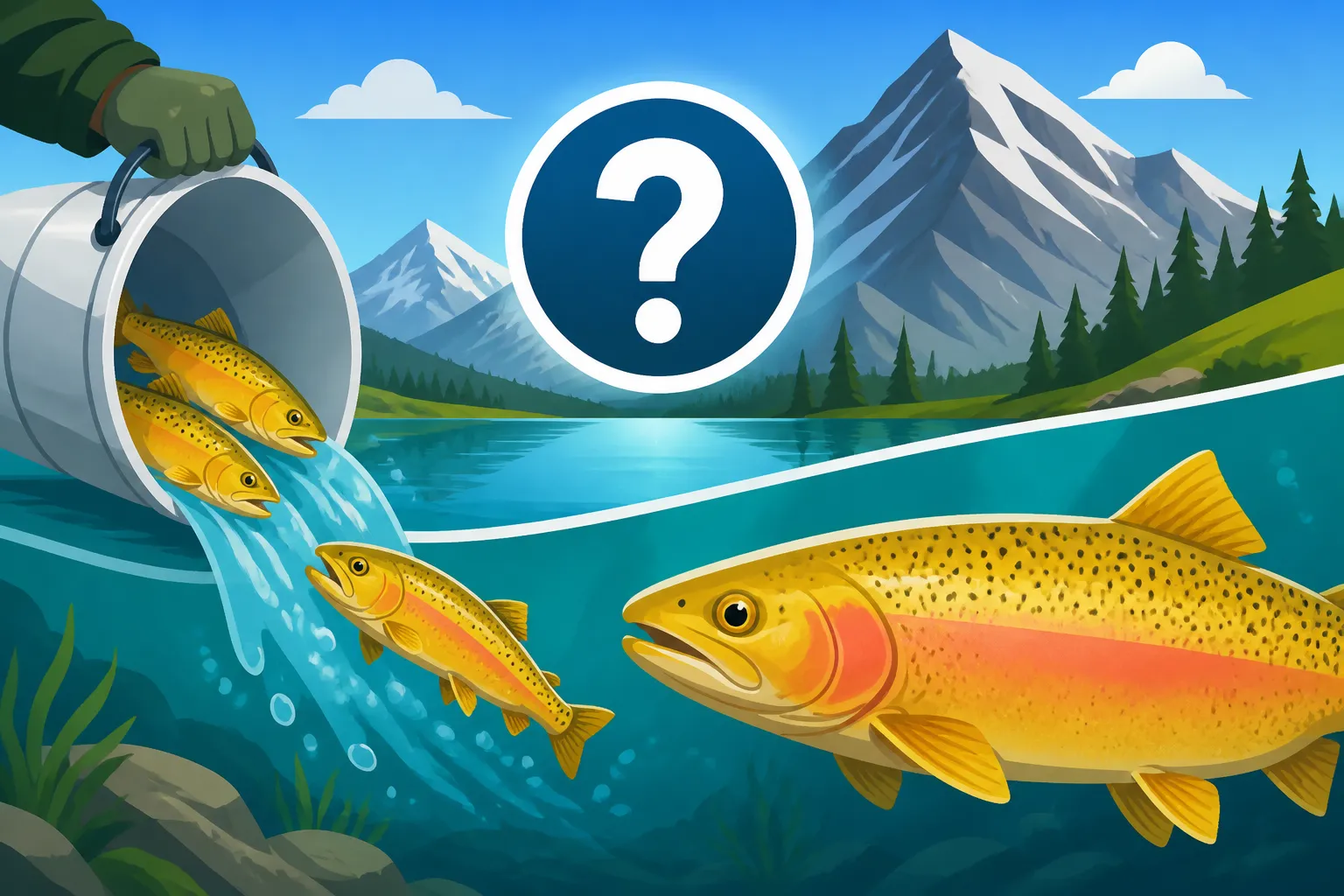
Historically, the introduction of Golden Trout to certain Alberta lakes was a deliberate choice by fisheries managers looking to establish a robust, self-sustaining population of this highly prized species. These efforts often involved the meticulous collection of eggs from existing Golden Trout populations (sometimes from outside Alberta, where legal and feasible) and raising them in hatcheries before carefully transporting the fingerlings to their remote mountain destinations. Due to the incredibly challenging terrain, this has often meant using helicopters to air-drop fish into inaccessible lakes, a logistical feat in itself. The goals behind these programs are usually multi-faceted: to provide a truly exceptional angling experience, to utilize waters that might not otherwise support a sport fishery, and in some cases, to experiment with species adaptation. However, these programs are not continuous in all locations and are managed very carefully. If you're planning a trip, it's always wise to check the latest regulations and stocking reports, often available through the MyWildAlberta portal, to understand specific lake statuses. You'll also want to review the Alberta Fishing Regulations Explained to be sure you're up to date on all current rules.
The Challenges of Alpine Stocking
Stocking alpine lakes isn't like stocking a local pond. It's an arduous task filled with logistical hurdles. First, there's the remoteness. Many of these lakes are only accessible via long, challenging hikes, or by air. As mentioned, helicopters are often employed, carrying large containers of water and fish over treacherous mountain passes. The weather in the high country can be unpredictable, with sudden storms and drastic temperature drops, making precise timing crucial. The journey itself can be stressful for the young fish, and survival rates can vary.
Beyond transport, the lakes themselves present challenges. Some alpine lakes are barren, lacking sufficient food sources or suitable spawning habitat for fish to reproduce naturally, meaning they might require periodic re-stocking to maintain a fishery. Other lakes may be subject to winterkill if oxygen levels drop too low under thick ice. Because of these factors, the management of Golden Trout populations in Alberta is a delicate balance, requiring ongoing monitoring and strategic decisions to ensure the health and sustainability of these unique fisheries. This level of effort highlights just how much value is placed on these golden beauties.
Where to Find Them and the Secrecy Involved
Due to the specialized nature of these fisheries, the exact locations of many Golden Trout lakes in Alberta are often not widely publicized. There are a few key reasons for this. Firstly, it helps protect these fragile ecosystems from excessive angling pressure. Overfishing could quickly deplete populations that are slow to reproduce or are sustained through challenging stocking efforts. Secondly, it preserves the "wild" experience for anglers who are willing to put in the effort to seek them out. The journey to a remote alpine lake for Golden Trout often involves significant hiking and backcountry skills, which naturally limits access.
Discovering these spots often comes through local knowledge, dedicated research into provincial fisheries reports, or by simply exploring the vast wilderness of Alberta's mountain parks and Crown lands. It's part of the adventure, really – the quest to find these hidden gems. When you do find one, it feels earned, adding to the satisfaction of the catch. Always remember that specific regulations, including Alberta Bag and Possession Limits by Species, apply to these unique fisheries, and you'll often find them to be catch-and-release only, especially for rare species like Golden Trout.
Angling for Alberta's Golden Beauties
Successfully targeting Golden Trout in Alberta's alpine lakes requires a thoughtful approach, combining specialized gear with a deep respect for the environment. These aren't your typical roadside pond fish, and the experience is often as much about the journey and the scenery as it is about the catch.
Specialized Gear and Techniques
When venturing into the high country for Golden Trout, lightweight and packable gear is your best friend. Every ounce counts on a long hike up. A light spinning rod or a compact fly rod (a 3 or 4-weight is often ideal) with a matching reel will provide the sensitivity needed for these smaller, but feisty, fish. For fly anglers, small dries, emergers, and nymphs that mimic the sparse insect life found in alpine environments are usually effective. Think patterns like small Elk Hair Caddis, Parachute Adams, or various midge and mayfly imitations. Ultralight spinning gear can be effective with tiny spoons, spinners, or small soft plastics resembling aquatic insects or minnows. You might find a good selection of specialized, lightweight gear suitable for mountain treks on platforms like Amazon, offering compact options for rods, reels, and tackle bags. For more general advice on what to bring, consider looking at a guide like Best Fishing Rods for Alberta Rivers or Best Gear for Bow River Fly Fishing, keeping in mind the scale difference for alpine trout.
Catch and Release for Conservation
Given the often-limited numbers and sensitive nature of Golden Trout populations, practicing careful catch and release is paramount. These fish are a precious resource, and their survival after being caught ensures that others can enjoy the same experience for years to come. Handle them gently with wet hands, minimize their time out of the water, and use barbless hooks to ensure an easy release. Always carry a small pair of forceps or needle-nose pliers for quick hook removal. Protecting these populations is a collective responsibility for all anglers. For detailed tips on ensuring a fish's survival, you might find useful information in resources like Bull Trout Catch and Release Survival Tips, as many of the principles apply universally to sensitive trout species.
Respecting the High-Alpine Environment
Beyond the fish, the alpine environment itself demands the utmost respect. These are fragile ecosystems, often slow to recover from disturbance. Practice Leave No Trace principles religiously: pack out everything you pack in (and more), stay on marked trails where possible, and camp in designated areas or on durable surfaces. Be prepared for rapidly changing weather conditions, carrying appropriate layers and safety gear. The remoteness of these areas means self-reliance is key. A successful Golden Trout trip isn't just about catching fish; it's about immersing yourself responsibly in one of Alberta's most stunning and wild landscapes. Consider checking current Alberta Fishing Seasons by Zone and Month before you head out, as alpine conditions can mean shorter seasons.
Distinguishing Golden Trout from Other Trout Species
One of the most exciting, yet sometimes challenging, aspects of fishing in Alberta's diverse waters is correctly identifying your catch. Golden Trout, while distinctive, can sometimes be confused with other trout species, especially some strains of rainbow trout that might display similar golden hues or are selectively bred for colour. Knowing the specific characteristics of a true Golden Trout is essential, both for legal compliance and for appreciating the rarity of your catch.
Key Identification Features
True Golden Trout (Oncorhynchus mykiss aguabonita) possess several distinguishing features. Their most striking characteristic is their vivid, almost iridescent golden-yellow body, which is significantly brighter than most other trout. This colour often deepens to an orange or reddish hue along the belly and fins. They typically have a prominent red lateral stripe, similar to a rainbow trout, but their parr marks (the dark, oval-shaped spots along their sides) are usually more pronounced and often persist into adulthood, appearing as a series of evenly spaced, dark "blotches" along the lateral line. The dorsal fin, caudal fin (tail), and pectoral fins often have an orange tint, and sometimes the pectoral and pelvic fins have white tips.
It's important to differentiate them from "Golden Rainbow Trout," which are hatchery-bred colour variations of rainbow trout. While also golden, these often lack the distinct parr marks and the more nuanced crimson and orange tones of a true Golden Trout. They also tend to be thicker-bodied and more uniform in colour than their alpine cousins. Always carry a reliable fish identification guide, or use an app, to help confirm your catch. Many general fishing guidebooks available on Amazon will include detailed identification sections.
Here’s a quick comparison of Golden Trout versus a typical Rainbow Trout:
| Feature | Golden Trout (Oncorhynchus mykiss aguabonita) | Rainbow Trout (Oncorhynchus mykiss) |
|---|---|---|
| Body Colour | Vivid golden-yellow, often with crimson/orange belly. | Silver to greenish-yellow, darker back, white belly. |
| Lateral Stripe | Distinct, often bright red/crimson. | Usually present, pink to red, variable in intensity. |
| Parr Marks | Usually prominent, dark, evenly spaced, often persist. | Typically fade with age, more common on juveniles. |
| Spots | Small, round, dark spots on back, dorsal fin, caudal fin. | Numerous small, dark spots on back, dorsal, caudal, and sides. |
| Fins | Often orange/reddish, sometimes with white tips. | Generally clear or lightly spotted, no prominent colouration. |
| Size | Generally smaller, slender body. | Can grow much larger, more robust body shape. |
| Habitat (Alberta) | Stocked in specific, often remote alpine lakes. | Widely distributed in rivers and lakes across Alberta. |
The Importance of Accurate Identification
Correctly identifying your catch is crucial for several reasons. Firstly, regulations around Golden Trout are often very specific. Given their rarity and the investment in establishing them, many of the lakes they inhabit might have special regulations, such as catch-and-release only, very restrictive bag limits, or specific gear restrictions. Misidentification could lead to inadvertently violating these rules. You should always consult the official Alberta Guide to Sportfishing Regulations before heading out. For a broader understanding of different species, check out a Trout Species Identification Guide for Alberta to familiarize yourself with what's swimming in our waters. Beyond the legalities, accurate identification allows you to truly appreciate the unique fish you've caught and contributes to the overall knowledge and conservation efforts for these remarkable creatures.
Disclaimer
This article is for general informational purposes only and does not constitute professional advice. Laws, prices and regulations vary by location and change over time. Consult a qualified professional for guidance on your specific situation.