Wabamun Lake Fishing Guide
There’s nothing quite like the excitement of planning a fishing trip to a new lake, but the sheer amount of unknown variables can feel overwhelming – from understanding the local regulations to finding the best spots and knowing what species you'll encounter. This comprehensive guide is designed to cut through that confusion, giving you all the essential information you need to successfully navigate and fish Wabamun Lake in Alberta, ensuring a productive and enjoyable outing.
Wabamun Lake Overview and Fishing History
Wabamun Lake, a jewel located just west of Edmonton, has a long and storied history as a popular recreational destination and a significant fishery in Central Alberta. Anglers have been drawn to its waters for generations, though the lake's ecological landscape has seen its share of changes and challenges over the decades. Understanding these aspects helps set the stage for a successful fishing experience today.
Lake Characteristics and Ecology
Wabamun Lake is one of Alberta’s largest and most accessible lakes, spanning approximately 82 square kilometers (about 32 square miles). It's a relatively shallow lake, with an average depth of around 11 meters (36 feet) and a maximum depth reaching about 18 meters (59 feet). This shallow nature means it warms up nicely in the summer, which is fantastic for certain species, but it also means it's more susceptible to environmental factors. The lake's bottom structure varies, offering a mix of sandy beaches, gravel shoals, and extensive weed beds, particularly in the shallower bays and along much of its shoreline. These diverse habitats are crucial for different fish species, providing both feeding grounds and protection.
The lake is part of the North Saskatchewan River basin, though it's relatively self-contained, fed by several small creeks and springs, and draining into the North Saskatchewan River via the less significant Wabamun Creek. Over the years, the lake has been the subject of considerable environmental attention, largely due to industrial activities that historically bordered its shores. Thankfully, significant efforts have been made towards remediation and conservation, striving to restore and maintain its ecological health. This ongoing work is vital for the long-term sustainability of the fishery and the surrounding ecosystem, making it a more pleasant experience for everyone who visits.
Historical Fishery Changes and Management
Wabamun Lake's fishing history has been a bit of a rollercoaster. For many years, it was renowned for its robust populations of northern pike and various whitefish species. However, like many of Alberta's accessible lakes, it has faced pressure from overfishing and environmental shifts. In the past, the lake even supported a commercial fishery, which, while providing economic benefits, also put strain on fish stocks.
One of the most significant changes in Wabamun's fishery management has been the shifting focus from native species to stocked fish, and then back again. While some provincial lakes have seen extensive stocking of species like rainbow trout, Wabamun's management has largely focused on enhancing its existing populations of pike and whitefish through thoughtful regulations. There was a period where efforts were made to introduce and support walleye populations, similar to other major Alberta lakes. However, due to various ecological factors and management priorities, walleye did not become a prominent sportfish in Wabamun. Instead, the focus has largely returned to ensuring healthy numbers of its traditional species, particularly northern pike and lake whitefish, which naturally thrive in its waters. These management decisions often involve catch limits, size restrictions, and sometimes even specific gear regulations, all aimed at fostering a sustainable fishery for future generations of anglers.
Target Species and What Makes Them Thrive
When you drop a line in Wabamun Lake, you’re primarily going to be focused on Northern Pike, Lake Whitefish, and Yellow Perch. These species have found a comfortable home in Wabamun’s diverse habitats, and understanding their preferences is key to catching them consistently. The lake's specific characteristics, such as its extensive weed beds and varied depths, really play into what makes these fish thrive here.
Northern Pike
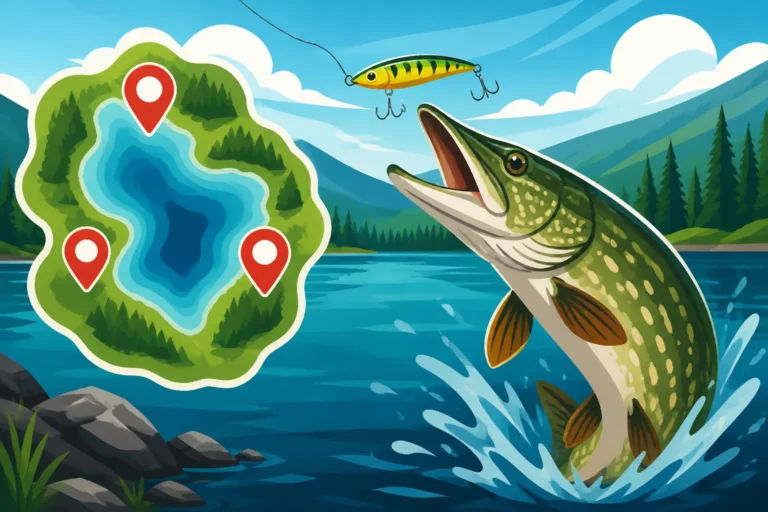
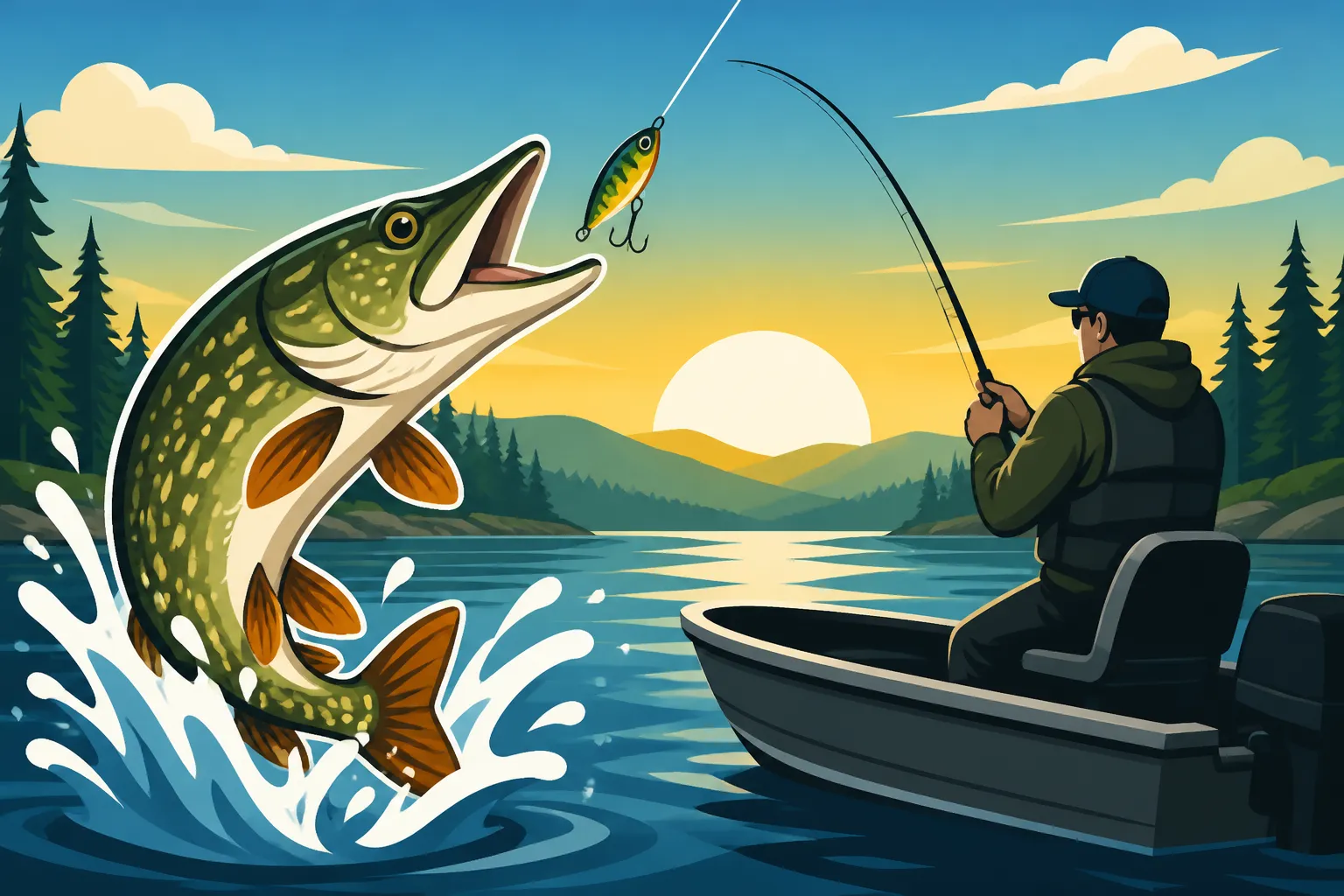
Northern Pike are, without a doubt, the undisputed kings of Wabamun Lake. These aggressive, toothy predators are abundant and can grow to impressive sizes, making them a thrilling catch for any angler. They thrive in Wabamun's environment because of the vast amount of shallow, weedy bays and points. These areas provide perfect ambush points for pike to hunt smaller fish, and the rich aquatic vegetation also offers cover from predators and essential spawning grounds in the spring.
You'll find pike patrolling the weed lines, lurking in submerged timber, and often shadowing schools of baitfish in the shallower areas. They are opportunistic feeders, ready to strike at almost anything that moves. Early season, right after ice-out, they're often found in very shallow, sun-warmed bays where they're recovering from spawning. As the water warms in summer, they might retreat to deeper weed edges or cooler water pockets, but they're never too far from cover. Knowing their preference for structure and vegetation is crucial for targeting them. Their sheer numbers and willingness to bite make them a fantastic target for beginners and seasoned anglers alike, offering consistent action. If you're looking for where to find trophy pike in Alberta, Wabamun often delivers.
Lake Whitefish
Lake Whitefish are another incredibly popular species in Wabamun, especially for those who enjoy the challenge of light tackle or fly fishing, and they are excellent table fare. These fish are bottom feeders, primarily dining on insects, crustaceans, and small invertebrates, though larger individuals will occasionally take small baitfish. What makes them thrive in Wabamun is the ample supply of these food sources and the cooler, deeper sections of the lake. While Wabamun isn't exceptionally deep, it offers enough thermal refuge in the summer months for whitefish to remain comfortable.
You’ll typically find whitefish congregating in schools, often over clean gravel or sandy bottoms, or near submerged humps and drop-offs where their invertebrate food sources are plentiful. They are particularly active during the cooler parts of the year, including late fall and, notably, during the ice fishing season when they become a prime target. Their bites can be subtle, requiring a keen eye and sensitive gear, which adds to the rewarding experience of landing one. Many anglers specifically target whitefish for their delicate flavor, making them a sought-after species for both sport and consumption.
Yellow Perch
Yellow Perch might not be the biggest fish in Wabamun Lake, but what they lack in size, they make up for in sheer numbers and eagerness to bite. They are an absolute blast to catch, especially for families and new anglers, and they are another delicious addition to the frying pan. Wabamun's ample weed growth and abundant smaller invertebrate life, as well as the presence of larger predatory fish (like pike), contribute to a healthy perch population. Perch serve as a vital forage base for the pike, maintaining a natural balance in the ecosystem.
Perch are schooling fish, so where you find one, you're likely to find many more. They prefer areas with lots of vegetation, often holding near docks, fallen trees, and weed lines in shallower water. During the summer, they'll school up near structure, and in winter, they are a primary target for ice anglers, often found near the same weed beds or over moderate depths. Their aggressive nature and tendency to bite readily make them a fantastic option for a fun-filled day on the water, and they are particularly popular during the ice fishing season. It's not uncommon to catch dozens of perch in an outing, providing non-stop action and plenty of opportunities to refine your technique.
Best Fishing Spots on Wabamun Lake
Wabamun Lake offers a variety of fishing hot spots, each with its own charm and appeal depending on the season, target species, and your preferred fishing method. Whether you're casting from shore, launching a boat, or drilling a hole in the ice, knowing where to focus your efforts can make all the difference.
Shoreline Access and Piers
For those who prefer keeping their feet on solid ground, Wabamun Lake provides several excellent shoreline fishing opportunities, particularly in and around the communities that dot its perimeter. One of the most popular and accessible spots is the main pier in the Village of Wabamun. This pier extends out into deeper water, offering access to areas where both pike and whitefish can be caught, especially during the cooler months or early mornings and late evenings. It’s a fantastic spot for families, as it's safe and often bustling with other anglers, creating a friendly atmosphere. Casting spoons, spinners, or bait under a bobber can yield good results here for perch and smaller pike.
Another promising area for shore anglers is around the various public access points and park areas, such as the boat launch zones or undeveloped stretches of shoreline. While these might require a bit more exploration to find the best casting angles, they can be less crowded and offer a more serene fishing experience. Look for areas with visible weed lines, sudden drop-offs near shore, or submerged structures. Even though shore fishing might limit your reach, patience and observation can lead to surprising catches, especially if you focus on early morning or late evening bites when fish tend to move closer to the banks.
Key Structures and Drop-Offs for Boats
For boat anglers, Wabamun Lake truly opens up, offering a vast expanse of water with numerous productive structures and drop-offs. The key to success here often lies in locating the lake’s extensive weed beds and understanding how fish relate to them throughout the seasons. The large shallow bays, particularly on the north and east sides of the lake, are absolutely prime for northern pike. Areas like the large bay near the Village of Wabamun and the eastern shorelines often hold dense submerged vegetation, creating perfect habitat. Trolling parallel to these weed lines with large spoons or spinnerbaits is incredibly effective for pike. You'll want to experiment with different depths, but generally, working the 8-15 foot range around the weed edges will produce results.
For lake whitefish, you’ll want to venture towards the deeper main lake basin, focusing on humps, subtle drop-offs, and areas with clean, hard bottom. Many anglers find success drifting over these areas, using small jigs tipped with bait or even specialized whitefish flies. Your fish finder will be your best friend here, helping you identify schools of whitefish suspended just above the bottom. Pay close attention to structure near the middle of the lake, away from the immediate shoreline, as these deeper, cooler zones are where whitefish often school up, particularly during the warmer summer months. Exploring these underwater contours is often best done with a good depth sounder. If you're looking for an expert to navigate these depths, finding a local guide through platforms like FishingBooker can provide invaluable insight.
Ice Fishing Hot Spots
Wabamun Lake transforms into an ice fishing paradise once the winter ice thickens, drawing anglers from all over. Its relative shallowness means it freezes quickly and offers safe ice earlier than some deeper lakes, making it one of the Best Ice Fishing Lakes in Alberta. The same shallow, weedy bays that hold pike in summer are phenomenal for ice fishing for both pike and yellow perch. Popular areas include the bay off the Village of Wabamun, as well as the areas near the park and the industrial lands on the south side. Anglers often set up tip-ups or deadsticks with large bait (like smelts or ciscoes) for pike, while jigging with small spoons or soft plastics tipped with a maggot or piece of worm is incredibly effective for perch.
For lake whitefish through the ice, you’ll typically head to slightly deeper water, often 20-40 feet, over sandy or gravelly bottoms. Look for subtle humps or transitions in depth. Small jigs, teardrops, or tiny spoons fished with a very subtle presentation are key. Whitefish bites can be extremely light, so a sensitive rod and a flasher or fish finder are essential tools to detect them. The consistent nature of Wabamun's ice fishery makes it a fantastic winter destination, offering diverse opportunities whether you're chasing trophy pike or filling a bucket with tasty perch. Before heading out, always ensure you have a valid Alberta Fishing License Guide for 2026 and are familiar with all the specific ice fishing rules.
| Species | Preferred Habitat (Summer) | Preferred Habitat (Winter) | Common Locations |
|---|---|---|---|
| Northern Pike | Shallow, dense weed beds, submerged logs | Shallow bays, weed lines under ice | Village of Wabamun bays, eastern shore weed beds |
| Lake Whitefish | Deeper main lake basin, humps, drop-offs | Mid-lake humps, deeper sandy/gravel flats | Central basin, deeper sections near points |
| Yellow Perch | Weed lines, docks, shallow structure | Shallow to moderate depth weed beds | Village of Wabamun bays, sheltered coves |
Seasonal Fishing Strategies
Understanding how fish behave throughout the year is paramount to consistent success on Wabamun Lake. Each season presents unique opportunities and challenges, and adapting your approach will significantly increase your chances of a memorable catch.
Spring Fishing After Ice-Out
Spring on Wabamun Lake, typically from late April to early June after the ice has completely melted, is a time of awakening and incredible fishing action, particularly for northern pike. As the water begins to warm, pike become incredibly active, moving into shallow bays and marshy areas for spawning. Right after spawning, they are often ravenous, looking to regain energy.
During this period, focus your efforts on the warmest, shallowest bays where the sun can penetrate and raise the water temperature just a few degrees. These areas are not only pike spawning grounds but also where baitfish will congregate. Casting large spoons, spinnerbaits, or soft plastic swimbaits close to emergent vegetation and submerged timber can be incredibly effective. A slow, methodical retrieve is often all it takes to trigger a strike from an eager pike. Don't be afraid to experiment with brighter colors, as the water might still be a bit stained from runoff. Remember, the fish are often in very shallow water, sometimes only a few feet deep, so stealth can be important to avoid spooking them. Spring is a fantastic time for catching numbers of pike, and often some of the biggest ones of the year as they patrol these warmer zones.
Summer Fishing Techniques
Summer on Wabamun Lake, from June through August, offers fantastic fishing, but it requires a slight adjustment in strategy as water temperatures rise and weed growth becomes prolific. Northern pike will still be a primary target, but they'll often move slightly deeper to the edges of the thick weed beds or seek out submerged structure that provides cooler water and ambush points. Trolling larger crankbaits or spoons along the 10-20 foot contour, particularly where weed lines abruptly drop off into deeper water, can be very productive. Casting into pockets within the weed beds with weedless jigs or topwater lures during low-light conditions can also yield explosive strikes.
Lake whitefish fishing becomes excellent in the summer. They'll typically school up in the deeper, cooler sections of the main lake basin. Drifting with small jigs, spoons, or even fly presentations (like chironomids) tipped with a maggot or PowerBait can entice these subtle biters. Your fish finder will be indispensable for locating these schools. Yellow perch are also abundant in summer, often schooling in the shallower weed beds and around docks. Small jigs, tiny spinners, or live bait like worms under a bobber will keep you busy with plenty of perch action, making it ideal for a casual family outing. Remember to check the Alberta Northern Pike Limit and Alberta Yellow Perch Limit as they can change seasonally.
Fall and Winter Ice Fishing
As autumn settles over Wabamun Lake from September to November, the fishing can be truly spectacular. The cooling water temperatures invigorate all species, prompting them to feed heavily in preparation for winter. This is often considered prime time for trophy pike. They become incredibly aggressive, moving closer to shorelines and structures, gorging on baitfish. Large spoons, jerkbaits, and big soft plastics are excellent choices for targeting these pre-winter feeders. Look for them in areas where baitfish are congregating, such as shallow bays with remaining weed growth or along rocky points.
Once winter arrives and the ice thickens enough for safe travel, Wabamun Lake becomes an ice fishing hotbed, as highlighted in the Best Ice Fishing Lakes in Alberta. This typically runs from December through March. Northern pike, lake whitefish, and yellow perch are all actively caught through the ice. For pike, tip-ups set with large dead bait (smelt, herring, or ciscoes) are incredibly effective, especially along weed lines in 10-20 feet of water. For whitefish, vertical jigging with small spoons, tungsten jigs, or teardrops tipped with a maggot or wax worm over deeper humps and flats is the go-to technique. Perch can be found in large schools over weed beds in shallower to moderate depths, readily biting small jigs or tiny spoons. A flasher or an ice fishing specific fish finder is a game-changer for ice fishing, helping you locate fish and understand their reactions to your presentation. Always confirm ice conditions are safe before venturing out. For those unfamiliar with the local nuances of ice fishing, consulting resources like FishingBooker to find a local ice fishing guide can be a great way to learn the ropes safely and effectively.
Essential Gear and Techniques
Having the right gear and knowing how to use it effectively can make all the difference between a frustrating day and a fantastic one on Wabamun Lake. From choosing the right rod and reel to understanding bait presentations, these essentials will set you up for success.
Rods, Reels, and Line Selection
For northern pike, you’ll want a medium-heavy to heavy action spinning or baitcasting rod, typically 6’6” to 7’6” in length. This power is necessary to cast larger lures and to handle the powerful runs and head shakes of a big pike. Pair this with a sturdy reel (a 3000-4000 series spinning reel or a medium-heavy baitcaster) spooled with 20-40 lb braided line. A fluorocarbon or wire leader of 8-12 inches is absolutely crucial to prevent bite-offs from their razor-sharp teeth. Braided line offers superior sensitivity and casting distance, making it ideal for covering water.
For lake whitefish and yellow perch, a lighter setup is preferred. A light to medium-light action spinning rod, 6’ to 7’ long, paired with a smaller spinning reel (1000-2500 series) will provide the sensitivity needed to detect their often subtle bites. Spool this with 4-8 lb monofilament or fluorocarbon line. Monofilament offers a bit more stretch, which can be forgiving with lighter presentations, while fluorocarbon provides excellent sensitivity and is nearly invisible underwater. When ice fishing for these species, a short, sensitive ice rod (24-30 inches, light to ultralight action) is essential for jigging and feeling those faint taps. Having a diverse selection of rods and reels, perhaps even considering options from the Best Fishing Rods for Alberta Rivers, will equip you for various scenarios on Wabamun.
Lures, Baits, and Presentation
Northern pike in Wabamun are generally not picky, but certain lures consistently produce. Large spoons (like Daredevils or Len Thompson Yellow & Red 5 of Diamonds), spinnerbaits (especially those with large blades), and crankbaits that dive 5-15 feet are excellent for trolling or casting along weed edges. Soft plastic swimbaits, particularly those resembling local baitfish, can also be deadly when retrieved erratically. Live or dead bait, such as large minnows or smelts, rigged under a bobber or on a quick-strike rig, is incredibly effective, especially in cooler water or for stationary fishing like from a pier or through the ice.
For lake whitefish, a more finessed approach is needed. Small jigging spoons (1/8 to 1/4 oz) tipped with a maggot, wax worm, or a small piece of shrimp are highly effective. Teardrop jigs, tiny tube jigs, or small tungsten jigs fished close to the bottom are also excellent. The key is a subtle presentation—gentle lifts and drops are often more productive than aggressive jigging. For yellow perch, anything small and shiny tends to work. Small spinners, tiny spoons, micro jigs, or a classic worm under a bobber will consistently catch them. They are often less finicky than whitefish and will strike with more aggression. Don't be afraid to try different colors for all species; sometimes a slight variation can make all the difference, especially on overcast days.
Boating, Kayaking, and Ice Safety Essentials
Wabamun Lake is large enough that a boat offers the most flexibility for exploring its diverse fishing grounds. Many anglers use conventional fishing boats, but smaller craft like jon boats or even canoes can be effective in shallower bays. If you're considering a more portable option, the Best Kayaks for Alberta Fishing can be a fantastic way to access hard-to-reach areas quietly and efficiently. When boating, always ensure you comply with Alberta Boating Laws for Anglers, including having all required safety gear like life jackets, a whistle, and a bailing device. Navigation can be tricky, especially in low light or foggy conditions, so a reliable GPS or fish finder with mapping capabilities is a valuable asset.
For ice fishing, safety is paramount. Always check ice thickness before venturing out, especially early or late in the season. A minimum of 4 inches of clear, new ice is recommended for walking, and more for snowmobiles or vehicles. Carry ice picks, a rope, and tell someone where you're going and when you expect to return. An ice auger, a scoop for clearing slush, and a portable shelter or ice hut are essential for comfort and warmth, particularly on windy days. Dressing in layers is crucial, and having a portable heater can make a long day on the ice much more enjoyable. Never take unnecessary risks on the ice, and if in doubt, stay off.
Regulations and Conservation Efforts
Fishing Wabamun Lake, like any body of water in Alberta, comes with a responsibility to understand and adhere to the regulations designed to protect and sustain its fish populations. These rules are not arbitrary; they are the result of scientific assessment and community input, all aimed at ensuring future generations can enjoy the same fishing experiences we do today.
License Requirements and Specific Lake Rules
Before you even think about casting a line in Wabamun Lake, you absolutely need to ensure you have a valid Alberta fishing license. This is non-negotiable for all anglers aged 16 to 64 (with some exemptions for youth under 16 and seniors over 65). You also need an Alberta WIN Card, Explained, which is your Wildlife Identification Number and is required to purchase any hunting or fishing license in the province. Obtaining these is usually a straightforward process through the MyWildAlberta portal online or at licensed vendors. Failing to have the correct licensing can lead to significant fines and penalties, definitely not how you want to end a peaceful day on the water. For a comprehensive guide, check out the Alberta Fishing License Guide for 2026.
Beyond the general provincial regulations, Wabamun Lake often has its own specific rules that might differ from other lakes. These can include unique size limits, bag limits, or even special possession rules for certain species. For example, while Northern Pike are abundant, there might be specific slot limits (e.g., pike under a certain length must be released, or only one over a certain length can be kept). These rules are crucial for managing the health of the fishery. Always consult the current Alberta Guide to Sportfishing Regulations (available online and at most tackle shops) before heading out. This guide will provide the most up-to-date information for the specific fishing zone Wabamun Lake falls into. Ignorance of the rules is not an excuse, so a quick check beforehand can save you a lot of trouble and contribute to a healthier fish population.
Catch and Release Practices
While Wabamun Lake offers opportunities for harvesting fish, especially yellow perch and sometimes pike or whitefish within the legal limits, practicing proper catch and release is vital, particularly for larger or less common species. Many anglers choose to release all the northern pike they catch, especially the bigger ones, to help maintain a healthy breeding population and ensure trophy fish are available for others to enjoy.
When practicing catch and release, handle fish with care and minimize their time out of the water. Wet your hands before touching the fish to protect its slime coat, which is crucial for disease prevention. Use pliers or a dehooking tool to quickly remove hooks, especially if they are barbed (though many waters encourage or mandate barbless hooks). If a fish is deeply hooked, it’s sometimes better to cut the line as close to the hook as possible rather than tearing internal organs trying to retrieve it. Support the fish gently in the water, allowing it to recover and swim away on its own power. A good landing net, particularly one with rubberized or knotless mesh, can help reduce stress and injury to the fish during landing. Understanding how to responsibly harvest or release your catch is a fundamental part of being a ethical angler.
Water Quality and Ecosystem Health
Conservation efforts on Wabamun Lake extend beyond just fishing regulations; they encompass the broader health of its ecosystem. The lake has historically faced environmental challenges, particularly related to water quality from surrounding land use and industrial activities. Thankfully, significant strides have been made to improve its health. Initiatives like shoreline restoration, proper waste management, and ongoing water quality monitoring are critical.
As anglers, we play a significant role in these conservation efforts. This includes things like preventing the spread of aquatic invasive species by cleaning, draining, and drying all boats and gear between waterbodies. It means properly disposing of all trash and fishing line, avoiding the use of lead weights that can harm waterfowl, and reporting any suspicious activities or environmental concerns to the appropriate authorities. Supporting local conservation groups and being mindful of your impact on the lake’s delicate balance ensures that Wabamun remains a vibrant, healthy ecosystem for both fish and wildlife, and a cherished fishing destination for generations to come.
Disclaimer
The information provided in this guide is for general informational purposes only and is subject to change. Fishing regulations, season dates, and license requirements can vary and are updated periodically by official government agencies. Always consult the most current Alberta Guide to Sportfishing Regulations or the MyWildAlberta website before planning any fishing trip to ensure compliance with all applicable laws and safety guidelines. Fishing conditions, including ice thickness, can be unpredictable and dangerous; always exercise caution and prioritize safety.