Alberta fishing license age exemptions summary
The complexities of fishing regulations can often feel like navigating a maze, and when it comes to who needs an Alberta fishing license and who doesn't, age exemptions are a common source of confusion for many anglers. It's frustrating to want to share the joy of fishing with a grandchild or enjoy a peaceful retirement on the water, only to be bogged down by uncertainty about permits. This guide is here to untangle those lines, providing a crystal-clear summary of age-based exemptions for fishing licenses in Alberta, ensuring you know exactly where you stand before casting your first line.
The Youth Exemption: Navigating Fishing for the Younger Generation
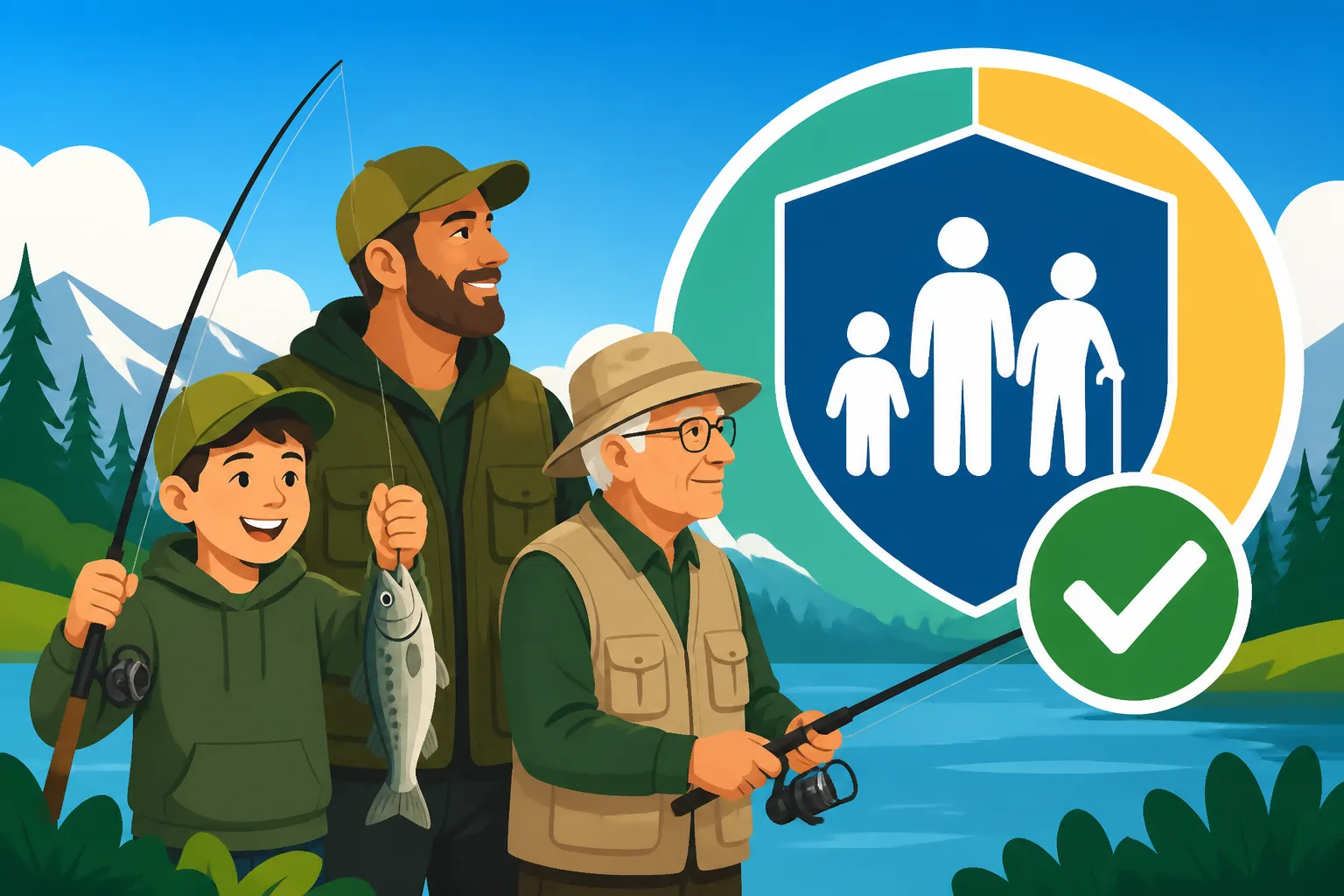
It’s truly wonderful to see families getting out on Alberta’s beautiful lakes and rivers, instilling a love for fishing in the younger generation. Thankfully, Alberta's regulations make it quite a bit easier for kids to get started without immediate financial hurdles, which is a huge relief for parents and grandparents alike.
Who is Exempt and What it Means for Families
In Alberta, anyone under the age of 16 is completely exempt from needing a sportfishing license to fish in the province's waters. This means that if you have a 5-year-old, a 10-year-old, or even a 15-year-old eager to wet a line, they don't need to purchase a license. This is a fantastic incentive to encourage young people to engage with nature and develop a passion for angling. Imagine a perfect summer day at a stocked pond like Henderson Lake in Lethbridge or Mill Pond in Calgary; your child can cast away without you having to worry about an extra license cost. They are free to enjoy the act of fishing, learn new skills, and experience the thrill of a catch. However, it's crucial to remember that while they don't need a license, they must still adhere to all other provincial fishing regulations, including bag and possession limits, size restrictions, and bait restrictions. If they are actively fishing and plan to keep fish, their catch counts towards the bag limit of a licensed adult who is accompanying them. For instance, if you, as a licensed adult, are fishing with your 12-year-old, and the daily limit for walleye is one, between the two of you, only one walleye can be retained. This is clearly outlined in the official rules regarding the Alberta Youth Fishing License Exemption Under 16.
Common Misconceptions About Youth Fishing
One of the most frequent questions parents ask is whether their child needs a Wildlife Identification Number (WIN) card. The answer is no, not if they are solely relying on the age exemption to fish without a license. A WIN card is essentially a client identification number required to purchase any hunting or fishing license in Alberta. Since those under 16 are exempt from needing a license, they don't need the WIN card either for recreational fishing purposes. However, if a youth decides to participate in a special draw, like for a specific harvest license, then they would need a WIN card to apply, even if they're under 16. Another misconception revolves around species restrictions for youth. There are no specific species restrictions that apply solely to youth anglers. They are permitted to fish for any species that are legal to catch under the general provincial regulations. This means your teenager can target trout in the Bow River, pike in Lesser Slave Lake, or perch in a local pond, all without their own license, as long as they respect the rules that apply to everyone else. The key takeaway is that the exemption is solely for the license requirement; all other conservation-focused regulations remain firmly in place to protect Alberta's fisheries for future generations. For a quick reference guide on who needs a WIN card and why, you can look up Alberta WIN Card, Explained.
The Senior Exemption: Celebrating Lifelong Anglers
Alberta truly values its experienced anglers, and the province recognizes the many years of dedication and passion seniors have poured into the sport. There's a well-deserved exemption in place that makes it easier for older residents to continue enjoying their favourite pastime without an annual license fee.
Eligibility for Alberta Seniors
If you are an Alberta resident aged 65 or older, you are exempt from needing a sportfishing license. This is fantastic news for seniors who might be on a fixed income or simply appreciate the gesture after decades of contributing to the angling community. This exemption means you can spend your days peacefully casting into the waters of Lake Newell or exploring the calm bays of Gull Lake without having to worry about purchasing a license each year. To qualify, you must be a bona fide resident of Alberta. This typically means you have lived in the province for the immediately preceding 12 consecutive months. When out fishing, it's always a good idea to carry proof of age and residency, such as your Alberta driver's license or an Alberta ID card, in case a Fish and Wildlife Officer asks to verify your status. While the license itself is exempt, all other regulations, including catch limits, season dates, and specific water body restrictions, still apply. For instance, if you're over 65 and fishing the Crowsnest River, you still need to know the specific regulations for that stream, which might include special gear restrictions or catch-and-release rules. More details on this specific exemption are available in the Alberta Senior Fishing License Exemption at 65 resource.
Keeping Up with Regulations for Experienced Anglers
Even with the license exemption, staying informed about current fishing regulations is paramount. Alberta's fisheries are dynamic, with regulations sometimes changing annually to ensure sustainability and respond to ecological shifts. A lifelong angler might be familiar with rules from years past, but assuming they haven't changed could lead to unintentional violations. For example, specific water bodies like those with special harvest tags or certain trout streams might have unique rules for season dates or tackle. The Alberta Guide to Sportfishing Regulations is your go-to resource, published annually, and it's essential reading for all anglers, regardless of age or license status. You can find this guide online through the MyWildAlberta portal, or pick up a physical copy from various vendors. Many anglers also find the Alberta Fishing Regulations App and Zone Lookup, Explained incredibly useful, offering quick access to rules right on their smartphone while out on the water. Even though you don't pay for a license, you are still responsible for knowing and following these rules, which are designed to protect the very fish populations we all cherish. Imagine being stopped by a Fish and Wildlife Officer after a successful day on the water; showing your Alberta ID and confirming your age for the exemption is only half the battle. Being able to confidently state the daily limit for the species you've caught, or confirm you're using the correct tackle for that specific water, demonstrates responsible angling. For those looking for durable, laminated copies of the regulations or even magnifying glasses to help read the finer print, you can often find useful accessories on platforms like Amazon.
The Role of a WIN Card in Age Exemptions
The Wildlife Identification Number, or WIN card, often causes a bit of head-scratching for anglers, especially when discussing age exemptions. It's not a fishing license itself, but it plays a critical role in Alberta's fish and wildlife management system.
Understanding the WIN Card for All Anglers
A WIN card is a unique identifier issued to individuals who participate in Alberta's hunting and fishing activities. Think of it like a customer account number. It's mandatory for anyone purchasing a fishing license, applying for draws (like the special harvest draws for walleye), or obtaining any other related permits. This system helps the province track participation, manage licenses, and gather important demographic data. While youth under 16 and seniors 65 and over are exempt from purchasing a sportfishing license, the question of whether they need a WIN card still arises. The general rule is: if you don't need to purchase a license or apply for a draw, you don't strictly need a WIN card to go fishing. So, a 10-year-old fishing with their licensed parent doesn't need a WIN card. Similarly, a 70-year-old Alberta resident who is simply fishing under their age exemption doesn't need one either.
However, there are important exceptions and considerations. For instance, if that 10-year-old wants to apply for the Alberta Walleye Special Harvest Licence Program in the future, they would need a WIN card to do so. Or, if a senior, despite their exemption, decides they want to purchase a specific license (perhaps for a unique reciprocal agreement or future proof), a WIN card would be the first step. You can acquire a WIN card online through the MyWildAlberta portal or at authorized license vendors. There is a small activation fee, which is important to remember. For a deeper dive into what a WIN card is and its associated costs, check out Alberta WIN Card Activation Fee, Explained. It truly is the gateway to Alberta's regulated outdoor activities, so while not always necessary for age-exempt fishing, it's worth understanding its function. You can even find guides on Amazon to help you navigate the MyWildAlberta portal and understand the different permit types, which can be useful whether you need a WIN card or just want to understand the system better.
Practical Advice for Exercising Age Exemptions
Knowing the rules is one thing, but practically applying them on the water is another. Even when you're exempt from needing a fishing license due to age, there are still smart practices to ensure your fishing trips are smooth and hassle-free.
Carrying Proof of Age
This might seem obvious, but it's often overlooked. While youth under 16 don't legally need to carry identification, it's highly recommended for anyone who could potentially be mistaken for someone older than 15. A 15-year-old, especially a taller one, might easily be thought to be 16 or 17 by a Fish and Wildlife Officer. Carrying a provincial ID card, a school ID with a birth date, or even a copy of a birth certificate (perhaps a digital photo on a phone, though a physical ID is always best) can quickly clear up any confusion. For seniors, carrying your Alberta driver's license or an Alberta ID card is crucial. This is your undeniable proof that you are 65 or older and therefore eligible for the Alberta Senior Fishing License Exemption at 65. Remember, an officer has the right to ask for proof of identity, and being able to provide it readily will save you time and potential headaches. Imagine being on a remote lake and having to argue your age without any official documentation; it’s a scenario best avoided! Ensuring your proof of age is current and easily accessible, perhaps in a waterproof bag, is a small effort that yields big peace of mind. Many anglers find compact, waterproof document holders on Amazon to be invaluable for this very reason.
Where to Find Up-to-Date Information
Alberta's fishing regulations are designed to be accessible, but they do require a bit of effort to review each season. Relying on outdated information, even if it's just a year old, could lead to unexpected issues. The Alberta Environment and Protected Areas (AEPA) website, MyWildAlberta, is the official and most up-to-date source for all regulations, license information, and season dates. They publish the new Sportfishing Regulations guide annually, typically in late March or early April. It's not enough to simply know you're age-exempt; you need to know the specific rules for the waters you're fishing. For instance, some waters are "catch and release only," others have specific bait restrictions, and many have highly localized bag limits. The section on Alberta Fishing Regulations Explained can guide you through the intricacies. For those who prefer digital access, downloading the official AlbertaRELM app is a fantastic way to have the regulations literally in your pocket. This app provides zone lookup features and ensures you’re always referencing the most current information. Additionally, local tackle shops are often excellent resources for localized tips and current conditions, though they should always be cross-referenced with official sources for regulatory matters. Remember, ignorance of the law is not an excuse for violating it, and understanding the Alberta Fishing License Age Requirements is just one piece of the puzzle to responsible angling. Exploring resources like Free and Discounted Fishing License Options in Alberta can also provide insights into other potential benefits or considerations for various angler groups.
Summary of Age-Based Fishing License Exemptions in Alberta
Here's a quick overview to help you navigate who needs a license and who can fish freely based on age in Alberta:
| Age Group | License Required? | WIN Card Required (for fishing only)? | Important Considerations |
|---|---|---|---|
| Under 16 | No | No | Must follow all regulations. Catch counts towards accompanying licensed adult's bag limit if retaining fish. |
| 16-64 | Yes | Yes | Must purchase a valid sportfishing license and have a WIN card. |
| 65 and Older (Alberta Resident) | No | No | Must be an Alberta resident. Must carry valid proof of age and residency. Must follow all regulations. |
| Non-Residents (all ages) | Yes | Yes | Must purchase the appropriate non-resident sportfishing license and have a WIN card. |
This table provides a concise summary, but always remember that the nuances of specific regulations for different water bodies and species still apply to everyone, regardless of whether a license is required.
Disclaimer
The information provided in this guide is for general informational purposes only and does not constitute legal advice. While we strive to keep the information accurate and up-to-date, fishing regulations in Alberta can change. Always consult the official Alberta Environment and Protected Areas (AEPA) website, the current Alberta Guide to Sportfishing Regulations, or contact a Fish and Wildlife office for the most current and authoritative information before engaging in any fishing activities. Compliance with all provincial and federal regulations is the responsibility of the individual angler.